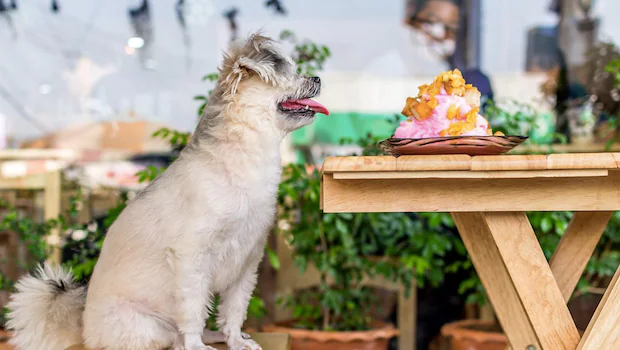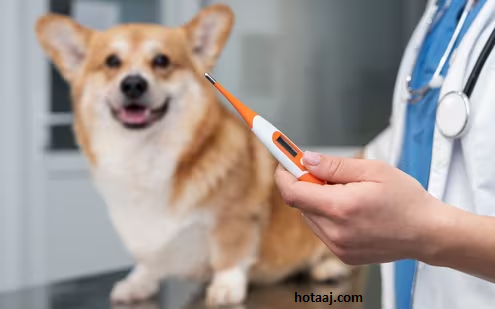










New pet passport regulations for dogs, cats, and ferrets travelling from Great Britain to Northern Ireland have sparked criticism in Westminster. The rules, which include updated rabies vaccinations and additional certification, have been condemned by some MPs who argue they create unnecessary barriers for pet owners, especially given the low disease risk between the two regions. Critics also claim the changes are a result of post-Brexit arrangements, adding to bureaucratic burdens. However, the government defends the regulations, saying they are necessary for biosecurity and animal health. The backlash suggests the issue could remain contentious.

New Pet Passport Scheme for Travel Between Great Britain and Northern Ireland Sparks Outrage in Westminster
The introduction of new pet passport regulations for dogs, cats, and ferrets travelling from one part of the UK to another has been widely condemned as an “outrage” by lawmakers in Westminster. The criticism came as the House of Lords debated regulations that would require pet owners in Great Britain to obtain official documentation before visiting Northern Ireland with their animals.
Under the proposed scheme, pet owners will need to ensure their animals meet certain health and vaccination requirements, including up-to-date rabies vaccinations, before crossing from Great Britain to Northern Ireland. This would add an additional layer of bureaucracy for those wishing to travel between the two regions.
The move has sparked significant backlash from MPs and peers, who argue that the new rules are an unnecessary complication for pet owners. Many questioned the need for such measures, particularly given that both Great Britain and Northern Ireland are part of the same sovereign nation and share similar biosecurity standards. Critics argue that these new regulations unfairly burden pet owners, especially those who regularly travel across the Irish Sea.

The outrage was voiced strongly in the House of Lords, where members criticized the government for implementing a policy they see as a result of post-Brexit regulatory changes. Several peers expressed concern that this would be an added cost and hassle for ordinary citizens who had previously been able to travel freely with their pets within the UK.
Some MPs representing rural constituencies, where pets are often seen as part of daily life, were particularly vocal in their opposition, saying the new requirements could negatively affect families and individuals who depend on their animals for companionship, support, or work.
Supporters of the scheme, however, argue that the changes are necessary to protect public and animal health, particularly in light of potential disease risks. Government officials have defended the regulations, emphasizing that they align with international biosecurity standards and are designed to prevent the spread of diseases such as rabies.
Despite these reassurances, the backlash in Westminster suggests that the new pet passport regulations could remain a contentious issue, with ongoing debates about the balance between public health and practical burdens for citizens. The debate is likely to continue as the regulations are finalized, with some calling for more flexibility and less stringent requirements for travel within the UK.
Critics of the new pet passport regulations view the move as further evidence that Northern Ireland continues to be subject to EU rules post-Brexit, creating a distinct and unequal status compared to the rest of the UK. This has become a significant point of contention, particularly within the unionist community, which already feels that Northern Ireland is being treated differently due to the Northern Ireland Protocol.
The new requirements mandate that pet owners traveling from Great Britain to Northern Ireland must obtain official documentation, including a declaration stating that they will not travel onwards to the Republic of Ireland or any other EU country with their pet or assistance dog. While the paperwork itself is free to apply for, critics argue that the additional bureaucracy highlights the ongoing divergence in rules between Northern Ireland and the rest of the UK, fuelling concerns about the region’s relationship with the rest of the union.
For many in Northern Ireland, the new regulations are another reminder of the political and economic complications stemming from Brexit, and they continue to stoke tensions regarding the province’s future alignment with the UK or the EU.

What are the new pet travel rules?
Under the new regulations, animals will need to be microchipped and have their own individual pet travel document, which will be valid for the lifetime of the pet. However, Northern Ireland residents returning to the region after a stay in Great Britain will not be required to obtain a travel document for their pets or assistance dogs. This move is part of the implementation of the Windsor Framework, a revised agreement aimed at addressing the post-Brexit trading issues caused by the Northern Ireland Protocol.
The introduction of these measures has raised significant concerns, particularly among those who view them as a further manifestation of the Irish Sea border, which separates Northern Ireland from the rest of the UK. Baroness Hoey, a prominent Northern Irish Brexit supporter and former Labour MP, expressed her objections in Parliament, describing the new regulations as a “new aspect of the Irish Sea border” that had not been fully realized until now, primarily due to the grace periods provided under previous arrangements.
Baroness Hoey warned that the new rules would make travelling to Northern Ireland with pets feel like a trip to a foreign country, effectively complicating travel for pet owners. She cautioned that this could discourage people from visiting Northern Ireland, particularly those who also want to travel to the Republic of Ireland, as the new documentation requirements would make it harder to visit both parts of the island in one trip.
The concerns raised by Hoey and other critics reflect ongoing frustrations within Northern Ireland, where there are growing fears that post-Brexit arrangements continue to place the region in a unique and challenging position, distinct from the rest of the UK. These new pet passport rules, though free to apply for, are seen as an unwelcome reminder of the regulatory divergence caused by the Northern Ireland Protocol.
Baroness Hoey further emphasized that the new pet passport rules would effectively prevent pet owners from traveling freely between Northern Ireland and the Republic of Ireland, saying, “If they have a pet passport, they will have renounced their right to go to the Republic. That makes the border more of an obstruction than having border control posts on it, because at least in that eventuality, you could still cross over it.”
Rejecting the argument that the changes are a result of the UK leaving the EU, Hoey firmly stated, “The reality is that this is happening precisely because Northern Ireland has not got Brexit.” She pointed out that Northern Ireland remains subject to EU rules, adding that “the EU could change the rules overnight.” This, she argued, underscores the unpredictable nature of Northern Ireland’s current status and the ongoing challenges posed by the Northern Ireland Protocol.
Former DUP deputy leader, Lord Dodds of Duncairn, also voiced strong concerns. He argued that every statutory instrument under the Windsor Framework, including the pet passport regulations, should be thoroughly debated. “These laws are being brought forward to implement what a foreign jurisdiction has decided should be the law of the United Kingdom,” Lord Dodds said, underscoring the perception among unionists that Northern Ireland is still being treated as distinct from the rest of the UK due to the ongoing influence of EU rules.
The criticism highlights deep dissatisfaction within Northern Ireland’s unionist community regarding the post-Brexit arrangements, which many feel continue to separate them from the rest of the UK, creating barriers that impact everything from travel to trade. The debate surrounding the pet passport rules is just one example of the broader concerns about the Windsor Framework and the continued application of EU regulations in the region.
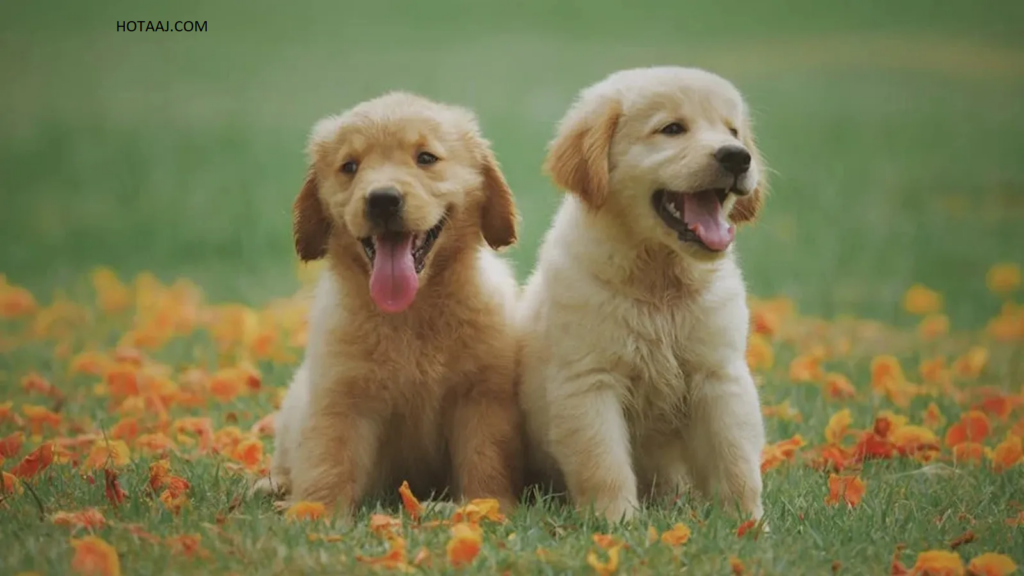
Debate on pet travel rules sparks tensions over northern Ireland’s status
Baroness Hoey strongly condemned the new pet passport regulations, describing the situation as an affront to democracy. “In the 21st century, we should not accept colonial rule. We abolished it elsewhere. We believe it should not be tolerated for one second. People should have the democratic right to decide their laws for themselves, in their interests,” she declared. She argued that the imposition of EU laws on Northern Ireland is a form of control that undermines the democratic rights of its people, particularly when it comes to internal matters like travel regulations for pets.
Hoey continued, “The ridiculous part about this debate is that we are having to debate European laws regulating the movement of pet animals owned by British citizens between one part of the United Kingdom and another. That is an outrage.” Her remarks reflect the broader frustration among unionists and critics of the Northern Ireland Protocol, who feel that the region’s continued alignment with EU rules is detrimental to Northern Ireland’s sovereignty and the unity of the UK. The pet passport regulations have become a symbol of the perceived inequities that arise from Northern Ireland’s unique post-Brexit status, reinforcing calls for greater control over local laws and regulations.
Lord Dodds of Duncairn warned that the pet passport regulations were just the beginning, suggesting that there would be hundreds, if not thousands, more such regulations affecting the daily lives of people in Northern Ireland. He argued that these laws represent a “grievous assault on Northern Ireland’s constitutional position,” highlighting concerns that the region is increasingly being subjected to rules dictated by the EU rather than the UK government. According to Dodds, the cumulative effect of these regulations undermines Northern Ireland’s status within the United Kingdom.
In contrast, Baroness Ritchie of Downpatrick, former leader of the Social Democratic and Labour Party (SDLP), defended the Windsor Framework. She expressed support for the framework as “a necessary legal device to deal with the complexities that were presented to us in Ireland, north and south, on the issue of Brexit.” She emphasized the need for “a pragmatic solution” to the situation, arguing that it is better to find practical solutions rather than engaging in unnecessary political conflicts.
The government, represented by environment minister Baroness Hayman of Ulloch, introduced the pet passport scheme as a simplification of previous requirements for moving pets between Great Britain and Northern Ireland. Hayman explained that the new system would replace single-use animal health certificates with a free lifelong travel document for pets, eliminating the need for costly health treatments. She argued that this would benefit pet owners who travel frequently and those who rely on assistance dogs to travel independently.
However, acknowledging the concerns raised by peers in the House of Lords, Hayman promised to continue engaging with them to address any issues or questions. This exchange underscores the ongoing tension in Northern Ireland over the implications of the Windsor Framework and the broader impact of post-Brexit arrangements on the region’s autonomy and relationship with the rest of the UK.
Courtesy: Westie Vibes
References
- ^ “Position Statement on Ownership/Guardianship”. ASPCA. 2015. Archived from the original on 10 November 2015. Retrieved 7 November 2021.
- ^ Jump up to:a b Leslie, Be; Meek, Ah; Kawash, Gf; Mckeown, Db (April 1994). “An epidemiological investigation of pet ownership in Ontario” (Free full text). The Canadian Veterinary Journal. 35 (4): 218–22. ISSN 0008-5286. PMC 1686751. PMID 8076276.
- ^ McRobbie, Linda Rodriguez (1 August 2017). “Should we stop keeping pets? Why more and more ethicists say yes”. The Guardian. Retrieved 3 August 2017.
- ^ Tang, Ailin; Bradsher, Keith (22 October 2018). “The Trade War’s Latest Casualties: China’s Coddled Cats and Dogs”. The New York Times. Retrieved 23 October 2018.
- ^ “China Pet population and ownership 2019 update”. China Pet Market. 25 December 2018. Archived from the original on 25 August 2019. Retrieved 25 August 2019.
- ^ “Main_Page45 milioni gli animali domestici in Italia: 150.000 ogni anno vengono abbandonati”. Il Messaggero. 22 September 2009. Archived from the original on 11 July 2013.
- ^ “UK domestic cat and dog population larger than thought”. University of Bristol. 6 February 2010.
- ^ “More cat owners ‘have degrees’ than dog-lovers”. BBC News. 6 February 2010.
- ^ Jump up to:a b “Animals in Healthcare Facilities: Recommendations to Minimize Potential Risks” (PDF). shea-online.org. Archived from the original (PDF) on 4 March 2016.
- ^ The Humane Society of the United States. “U.S. Pet Ownership Statistics”. Retrieved 27 April 2012.
- ^ “U.S. Pet Ownership & Demographics Sourcebook (2012)”. Archived from the original on 17 February 2017. Retrieved 16 January 2017.
- ^ Daniel Halper (1 February 2013). “Animal Planet: Pets Outnumber Children 4 to 1 in America”. The Weekly Standard. Archived from the original on 4 September 2015. Retrieved 9 February 2013.
- ^ Susan Hayes. “What are the most popular pets around the world?”. PetQuestions.com. Archived from the original on 22 October 2010. Retrieved 4 March 2011.
- ^ “Industry Statistics & Trends”. American Pet Product Association. Archived from the original on 9 March 2021. Retrieved 4 March 2011.
- ^ “Plants and Your Cat”. Cat Fanciers’ Association. Archived from the original on 27 December 2009. Retrieved 15 May 2007.
- ^ Langston, Cathy E. (1 January 2002). “Acute Renal Failure Caused by Lily Ingestion in Six Cats”. Journal of the American Veterinary Medical Association. 220 (1): 49–52, 36. doi:10.2460/javma.2002.220.49. PMID 12680447.
- ^ “These plants can be poisonous to dogs”. Sunset Magazine. 12 July 2010. Retrieved 17 October 2013.
- ^ Klein, Jerry (10 December 2018). “Are Poinsettias Poisonous to Dogs?”. American Kennel Club. Retrieved 26 August 2019.
- ^ Neff, David (19 June 2023). “What Human Foods Can Birds Eat?”. BirdBonica. Retrieved 30 June 2023.
- ^ “Overweight Dogs”. Pet Care. The American Society for the Prevention of Cruelty to Animals (ASPCA). Retrieved 17 October 2013.
- ^ “Overweight Cats”. Pet Care. The American Society for the Prevention of Cruelty to Animals (ASPCA). Retrieved 17 October 2013.
- ^ Zelman, Joanna (23 February 2011). “Pet Obesity: Over Half of U.S. Dogs And Cats Are Overweight, Study Says”. Huffington Post. Retrieved 17 October 2013.
- ^ Jump up to:a b “Pets are a kid’s best friend, right? Maybe not, study says”. The Philadelphia Inquirer. Retrieved 27 December 2017.
- ^ Jump up to:a b c d “The Health Benefits of Pets”. US Government National Institute of Health. Archived from the original on 5 May 2012. Retrieved 25 December 2006.
- ^ “Pets Are Good For Us—But Not in the Ways We Think They Are”. National Geographic. 25 November 2017. Archived from the original on 25 November 2017. Retrieved 27 December 2017.
- ^ Jump up to:a b “Largest-Ever Study of Pets and Kids’ Health Finds No Link; Findings Dispute Widely Held Beliefs About Positive Effects of Pet Ownership”. RAND. Retrieved 27 December 2017.
- ^ Jump up to:a b Reiman, Steve. “Therapy Dogs in the Long-Term Health Care Environment” (PDF). Archived from the original (PDF) on 6 May 2012. Retrieved 27 April 2012.
- ^ Jump up to:a b c Whiteley, Ellen H. (1986). “The Healing Power of Pets”. The Saturday Evening Post. Vol. 258, no. 7. pp. 2–102. Retrieved 5 November 2006. Academic Search Elite. EBSCOhost. Polk Library, UW Oshkosh
- ^ Bos, E.H.; Snippe, E.; de Jonge, P.; Jeronimus, B.F. (2016). “Preserving Subjective Wellbeing in the Face of Psychopathology: Buffering Effects of Personal Strengths and Resources”. PLOS ONE. 11 (3): e0150867. Bibcode:2016PLoSO..1150867B. doi:10.1371/journal.pone.0150867. PMC 4786317. PMID 26963923.
- ^ Asp, Karen (2005). “Volunteer Pets”. Prevention. 57 (4): 176–78. Retrieved 5 November 2006. Academic Search Elite. EBSCOhost. Polk Library, UW Oshkosh
- ^ Allen, Karen; Shykoff, Barbara E.; Izzo, Joseph L. Jr (1 October 2001). “Pet ownership, but not ace inhibitor therapy, blunts home blood pressure responses to mental stress”. Hypertension. 38 (4): 815–20. doi:10.1161/hyp.38.4.815. ISSN 0194-911X. PMID 11641292.
- ^ Kingwell, Ba; Lomdahl, A; Anderson, Wp (October 2001). “Presence of a pet dog and human cardiovascular responses to mild mental stress”. Clinical Autonomic Research. 11 (5): 313–7. doi:10.1007/BF02332977. ISSN 0959-9851. PMID 11758798. S2CID 40206732.
- ^ Wilson, Cc (October 1987). “Physiological responses of college students to a pet”. The Journal of Nervous and Mental Disease. 175 (10): 606–12. doi:10.1097/00005053-198710000-00005. ISSN 0022-3018. PMID 3655768. S2CID 2188860.
- ^ Koivusilta, Leena K.; Ojanlatva, A; Baune, Bernhard (2006). Baune, Bernhard (ed.). “To Have or Not To Have a Pet for Better Health?”. PLOS ONE. 1 (1): e109. Bibcode:2006PLoSO…1..109K. doi:10.1371/journal.pone.0000109. PMC 1762431. PMID 17205113.
- ^ Vormbrock, Jk; Grossberg, Jm (October 1988). “Cardiovascular effects of human–pet dog interactions”. Journal of Behavioral Medicine. 11 (5): 509–17. doi:10.1007/BF00844843. ISSN 0160-7715. PMID 3236382. S2CID 25544682.
- ^ Dembicki, D and Anderson, J. 1996. Journal of Nutrition in Gerontology and Geriatrics. Volume 15 Issue 3, pages 15-31.
- ^ Jodee (8 July 2010). “Want to Reduce Risk of Heart Disease? Get a Pet”. Archived from the original on 27 March 2013. Retrieved 27 April 2012.
- ^ Friedmann E, Galik E, Thomas SA, Hall PS, Chung SY, McCune S. Evaluation of a Pet-Assisted Living Intervention for improving functional status in assisted living residents with mild to moderate cognitive impairment. American Journal of Alzheimer’s Disease and Other Dementias.2015:30(3):276-289
- ^ Parslow, Ruth; Jorm, Anthony; Christensen, Helen; Rodgers, Bryan; Jacomb, Patricia (January–February 2005). “Pet Ownership and Health in Older Adults”. Gerontology. 40. 51 (1): 40–47. doi:10.1159/000081433. PMID 15591755. S2CID 21851049.
- ^ Farlex. “The Free Dictionary By Farlex”. Retrieved 27 April 2012.
- ^ Reinman, Steve. “Therapy Dogs in the Long-Term Health Care Environment” (PDF). Archived from the original (PDF) on 6 May 2012. Retrieved 27 April 2012.
- ^ Huculak, Chad (4 October 2006). “Super Furry Animals”. Edmonton: W7.. LexisNexis. Polk Library, UW Oshkosh. 5 November 2006.
- ^ Bruck, Laura (1996). “Today’s Ancillaries, Part 2: Art, music and pet therapy”. Nursing Homes: Long-Term Care Management. 45 (7): 36. Retrieved 5 November 2006. Academic Search Elite. EBSCOhost. Polk Library, UW Oshkosh.
- ^ Wood L, Martin K, Christian H, Nathan A, Lauritsen C, Houghton S, Kawachi I, McCune S. The pet factor – Companion animals as a conduit for getting to know people, friendship formation, and social support. PLoS One. 2015:10(4):e0122085
- ^ Irvine, Leslie (2013). My Dog Always Eats First: Homeless People and Their Animals. Boulder, CO: Lynne Rienner Publishers, Inc.
- ^ “In the Home, a Four-Legged Tripwire”. The New York Times. 27 March 2009.
- ^ “Chart of signatures and ratifications of Treaty 125. European Convention for the Protection of Pet Animals”. Council of Europe. Retrieved 4 June 2020.
- ^ Garner, Robert. “A Defense of a Broad Animal Protectionism,” in Francione and Garner 2010, pp. 120–121.
- ^ Francione, Gary Lawrence (1996). Rain without thunder: the ideology of the animal rights movement. Temple University Press. ISBN 978-1-56639-461-1.
- ^ Francione, Gary. Animals, Property, and the Law. Temple University Press, 1995.
- ^ Garner 2005, p. 15; also see Singer, Peter. Animal Liberation, Random House, 1975; Regan, Tom. The Case for Animal Rights, University of California Press, 1983; Francione, Gary. Animals, Property, and the Law. Temple University Press, 1995; this paperback edition 2007.
- ^ “Do You Live in a Guardian Community?”. The Guardian Campaign. Archived from the original on 4 October 2013. Retrieved 1 September 2013.
- ^ Nolen, R. Scott (1 March 2005). “Now, it’s the lawyers’ turn”. Journal of the American Veterinary Medical Association. Retrieved 29 August 2013.
- ^ Chapman, Tamara (March–April 2005). “Owner or Guardian?” (PDF). Trends Magazine. Retrieved 29 August 2013.
- ^ Katz, Jon (5 March 2004). “Guarding the Guard Dogs?”. Home / Heavy Petting: Pets & People. Slate. Retrieved 29 August 2013.
- ^ Sharon Dijksma (28 January 2015). “Kamerbrief invoering huisdierenlijst zoogdiersoorten”. Rijksoverheid.nl (in Dutch). Dutch Government. Archived from the original on 6 August 2020. Retrieved 18 May 2020.
- ^ “Een rendier mag dan weer wel”. Trouw (in Dutch). 3 December 2013. Retrieved 18 May 2020.
- ^ Rijksoverheid / ANP (31 January 2017). “Lijst 2017 bekend: welke dieren mag jij als huisdier houden?” (in Dutch). BNNVARA. Retrieved 19 May 2020.
- ^ jrosquin (5 January 2011). “Uw kat opeten is wettelijk toegestaan”. Gazet van Antwerpen (in Dutch). Retrieved 4 June 2021.
- ^ “Zelf doden huisdieren vanaf vandaag verboden”. RTL Nieuws (in Dutch). 1 July 2014. Retrieved 4 June 2021.
- ^ “Dog, Cat Feces Linked To Climate Change: UCLA Study – CBS Los Angeles”. www.cbsnews.com. 3 August 2017. Retrieved 9 April 2024.
- ^ Jump up to:a b Okin, Gregory S. (2 August 2017). “Environmental impacts of food consumption by dogs and cats”. PLOS ONE. 12 (8): e0181301. Bibcode:2017PLoSO..1281301O. doi:10.1371/journal.pone.0181301. ISSN 1932-6203. PMC 5540283. PMID 28767700.
- ^ Farlex. “The Free Dictionary by Farlex”. Retrieved 27 April 2012.
- ^ Clutton-Brock, Juliet (1995). “Origins of the dog: domestication and early history”. In Serpell, James (ed.). The domestic dog: its evolution, behaviour and interactions with people. Cambridge: Cambridge University Press. pp. 10–11. ISBN 978-0-521-42537-7.
- ^ Messenger, Stephen (13 June 2014). “9 Touching Epitaphs Ancient Greeks And Romans Wrote For Their Deceased Dogs”. The Dodo. Retrieved 18 January 2019.
- ^ Anthony L. Podberscek; Elizabeth S. Paul; James A. Serpell (21 July 2005). Companion Animals and Us: Exploring the Relationships Between People and Pets. Cambridge University Press. p. 31. ISBN 978-0-521-01771-8.
- ^ Mertz, Barbara (1978). Red Land, Black Land: Daily Life in Ancient Egypt. Dodd Mead.
- ^ Amato, Sarah (2015). Beastly Possession: Animals in the Victorian Consumer Culture. Toronto: University of Toronto Press. p. 25.
- ^ Amato, Sarah (2015). Beastly Possessions: Animals in Victorian Consumer Culture. University of Toronto Press. p. 6.
- ^ Ritvo, Harriet (1987). The Animal Estate: The English and Other Creatures in the Victorian Age. Cambridge: Harvard University Press. p. 86.
- ^ Amato, Sarah (2015). Beastly Possession: Animals in Victorian Consumer Culture. Toronto: University of Toronto Press. p. 48.
- ^ Philo, Chris (1989). Animal Space, Beastly Places: New Geographies of Human-Animal Relations. Routledge. pp. 38–389.
- ^ Philo, Chris (1989). Animal Space, Beastly Places: New Geographies of Human-Animal Relations. Routledge. p. 41.
- ^ Amato, Sarah (2015). Beastly Possession: Animals in Victorian Consumer Culture. Toronto: University of Toronto Press. p. 55.
- ^ Amato, Sarah (2015). Beastly Possession: Animals in Victorian Consumer Culture. Toronto: University of Toronto Press. p. 10.
- ^ Ritvo, Harriet (1987). The Animal Estate: The English and Other Creatures in the Victorian Era. Cambridge: Harvard University Press. p. 104.
- ^ Ritvo, Harriet (1987). The Animal Estate: The English and Other Creatures in Victorian Age. Cambridge: Harvard University Press. pp. 7–8.
- ^ Ritvo, Harriet (1987). The Animal Estate: The English and Other Creatures in the Victorian Age. Cambridge: Harvard University Press. p. 98.
- ^ Ritvo, Harriet (1987). The Animal Estate: The English and Other Creatures in the Victorian Age. Cambridge: Harvard University Press. p. 66.
- ^ Ritvo, Harriet (1987). The Animal Estate: The English and Other Creatures in the Victorian Age. Cambridge: Harvard University Press. p. 104.
- ^ Jump up to:a b c d Bradshaw, J. W. S.; Paul, E. S. (2010). “Could empathy for animals have been an adaptation in the evolution of Homo sapiens?” (PDF). Animal Welfare. 19 (S): 107–112. doi:10.1017/s096272860000230x. S2CID 55412536. Archived from the original (PDF) on 3 March 2019. Retrieved 3 September 2019.
- ^ Jump up to:a b Herzog, Hal (18 June 2010). “Are Humans the Only Animals That Keep Pets?”. Psychology Today. Retrieved 4 February 2023.
- ^ Clutton-Brock, Juliet (30 October 2014). The Walking Larder: Patterns of Domestication, Pastoralism, and Predation. Routledge. pp. 16, 19. ISBN 978-1-317-59838-1.
- ^ Jump up to:a b c Salmon, Catherine; Shackelford, Todd K. (27 May 2011). The Oxford Handbook of Evolutionary Family Psychology. Oxford University Press, USA. p. 299. ISBN 978-0-19-539669-0.
- ^ Gray, Peter B.; Young, Sharon M. (1 March 2011). “Human–Pet Dynamics in Cross-Cultural Perspective”. Anthrozoös. 24 (1): 18, 27. doi:10.2752/175303711X12923300467285. ISSN 0892-7936. S2CID 144313567.
- References
- ^ “Position Statement on Ownership/Guardianship”. ASPCA. 2015. Archived from the original on 10 November 2015. Retrieved 7 November 2021.
- ^ Jump up to:a b Leslie, Be; Meek, Ah; Kawash, Gf; Mckeown, Db (April 1994). “An epidemiological investigation of pet ownership in Ontario” (Free full text). The Canadian Veterinary Journal. 35 (4): 218–22. ISSN 0008-5286. PMC 1686751. PMID 8076276.
- ^ McRobbie, Linda Rodriguez (1 August 2017). “Should we stop keeping pets? Why more and more ethicists say yes”. The Guardian. Retrieved 3 August 2017.
- ^ Tang, Ailin; Bradsher, Keith (22 October 2018). “The Trade War’s Latest Casualties: China’s Coddled Cats and Dogs”. The New York Times. Retrieved 23 October 2018.
- ^ “China Pet population and ownership 2019 update”. China Pet Market. 25 December 2018. Archived from the original on 25 August 2019. Retrieved 25 August 2019.
- ^ “Main_Page45 milioni gli animali domestici in Italia: 150.000 ogni anno vengono abbandonati”. Il Messaggero. 22 September 2009. Archived from the original on 11 July 2013.
- ^ “UK domestic cat and dog population larger than thought”. University of Bristol. 6 February 2010.
- ^ “More cat owners ‘have degrees’ than dog-lovers”. BBC News. 6 February 2010.
- ^ Jump up to:a b “Animals in Healthcare Facilities: Recommendations to Minimize Potential Risks” (PDF). shea-online.org. Archived from the original (PDF) on 4 March 2016.
- ^ The Humane Society of the United States. “U.S. Pet Ownership Statistics”. Retrieved 27 April 2012.
- ^ “U.S. Pet Ownership & Demographics Sourcebook (2012)”. Archived from the original on 17 February 2017. Retrieved 16 January 2017.
- ^ Daniel Halper (1 February 2013). “Animal Planet: Pets Outnumber Children 4 to 1 in America”. The Weekly Standard. Archived from the original on 4 September 2015. Retrieved 9 February 2013.
- ^ Susan Hayes. “What are the most popular pets around the world?”. PetQuestions.com. Archived from the original on 22 October 2010. Retrieved 4 March 2011.
- ^ “Industry Statistics & Trends”. American Pet Product Association. Archived from the original on 9 March 2021. Retrieved 4 March 2011.
- ^ “Plants and Your Cat”. Cat Fanciers’ Association. Archived from the original on 27 December 2009. Retrieved 15 May 2007.
- ^ Langston, Cathy E. (1 January 2002). “Acute Renal Failure Caused by Lily Ingestion in Six Cats”. Journal of the American Veterinary Medical Association. 220 (1): 49–52, 36. doi:10.2460/javma.2002.220.49. PMID 12680447.
- ^ “These plants can be poisonous to dogs”. Sunset Magazine. 12 July 2010. Retrieved 17 October 2013.
- ^ Klein, Jerry (10 December 2018). “Are Poinsettias Poisonous to Dogs?”. American Kennel Club. Retrieved 26 August 2019.
- ^ Neff, David (19 June 2023). “What Human Foods Can Birds Eat?”. BirdBonica. Retrieved 30 June 2023.
- ^ “Overweight Dogs”. Pet Care. The American Society for the Prevention of Cruelty to Animals (ASPCA). Retrieved 17 October 2013.
- ^ “Overweight Cats”. Pet Care. The American Society for the Prevention of Cruelty to Animals (ASPCA). Retrieved 17 October 2013.
- ^ Zelman, Joanna (23 February 2011). “Pet Obesity: Over Half of U.S. Dogs And Cats Are Overweight, Study Says”. Huffington Post. Retrieved 17 October 2013.
- ^ Jump up to:a b “Pets are a kid’s best friend, right? Maybe not, study says”. The Philadelphia Inquirer. Retrieved 27 December 2017.
- ^ Jump up to:a b c d “The Health Benefits of Pets”. US Government National Institute of Health. Archived from the original on 5 May 2012. Retrieved 25 December 2006.
- ^ “Pets Are Good For Us—But Not in the Ways We Think They Are”. National Geographic. 25 November 2017. Archived from the original on 25 November 2017. Retrieved 27 December 2017.
- ^ Jump up to:a b “Largest-Ever Study of Pets and Kids’ Health Finds No Link; Findings Dispute Widely Held Beliefs About Positive Effects of Pet Ownership”. RAND. Retrieved 27 December 2017.
- ^ Jump up to:a b Reiman, Steve. “Therapy Dogs in the Long-Term Health Care Environment” (PDF). Archived from the original (PDF) on 6 May 2012. Retrieved 27 April 2012.
- ^ Jump up to:a b c Whiteley, Ellen H. (1986). “The Healing Power of Pets”. The Saturday Evening Post. Vol. 258, no. 7. pp. 2–102. Retrieved 5 November 2006. Academic Search Elite. EBSCOhost. Polk Library, UW Oshkosh
- ^ Bos, E.H.; Snippe, E.; de Jonge, P.; Jeronimus, B.F. (2016). “Preserving Subjective Wellbeing in the Face of Psychopathology: Buffering Effects of Personal Strengths and Resources”. PLOS ONE. 11 (3): e0150867. Bibcode:2016PLoSO..1150867B. doi:10.1371/journal.pone.0150867. PMC 4786317. PMID 26963923.
- ^ Asp, Karen (2005). “Volunteer Pets”. Prevention. 57 (4): 176–78. Retrieved 5 November 2006. Academic Search Elite. EBSCOhost. Polk Library, UW Oshkosh
- ^ Allen, Karen; Shykoff, Barbara E.; Izzo, Joseph L. Jr (1 October 2001). “Pet ownership, but not ace inhibitor therapy, blunts home blood pressure responses to mental stress”. Hypertension. 38 (4): 815–20. doi:10.1161/hyp.38.4.815. ISSN 0194-911X. PMID 11641292.
- ^ Kingwell, Ba; Lomdahl, A; Anderson, Wp (October 2001). “Presence of a pet dog and human cardiovascular responses to mild mental stress”. Clinical Autonomic Research. 11 (5): 313–7. doi:10.1007/BF02332977. ISSN 0959-9851. PMID 11758798. S2CID 40206732.
- ^ Wilson, Cc (October 1987). “Physiological responses of college students to a pet”. The Journal of Nervous and Mental Disease. 175 (10): 606–12. doi:10.1097/00005053-198710000-00005. ISSN 0022-3018. PMID 3655768. S2CID 2188860.
- ^ Koivusilta, Leena K.; Ojanlatva, A; Baune, Bernhard (2006). Baune, Bernhard (ed.). “To Have or Not To Have a Pet for Better Health?”. PLOS ONE. 1 (1): e109. Bibcode:2006PLoSO…1..109K. doi:10.1371/journal.pone.0000109. PMC 1762431. PMID 17205113.
- ^ Vormbrock, Jk; Grossberg, Jm (October 1988). “Cardiovascular effects of human–pet dog interactions”. Journal of Behavioral Medicine. 11 (5): 509–17. doi:10.1007/BF00844843. ISSN 0160-7715. PMID 3236382. S2CID 25544682.
- ^ Dembicki, D and Anderson, J. 1996. Journal of Nutrition in Gerontology and Geriatrics. Volume 15 Issue 3, pages 15-31.
- ^ Jodee (8 July 2010). “Want to Reduce Risk of Heart Disease? Get a Pet”. Archived from the original on 27 March 2013. Retrieved 27 April 2012.
- ^ Friedmann E, Galik E, Thomas SA, Hall PS, Chung SY, McCune S. Evaluation of a Pet-Assisted Living Intervention for improving functional status in assisted living residents with mild to moderate cognitive impairment. American Journal of Alzheimer’s Disease and Other Dementias.2015:30(3):276-289
- ^ Parslow, Ruth; Jorm, Anthony; Christensen, Helen; Rodgers, Bryan; Jacomb, Patricia (January–February 2005). “Pet Ownership and Health in Older Adults”. Gerontology. 40. 51 (1): 40–47. doi:10.1159/000081433. PMID 15591755. S2CID 21851049.
- ^ Farlex. “The Free Dictionary By Farlex”. Retrieved 27 April 2012.
- ^ Reinman, Steve. “Therapy Dogs in the Long-Term Health Care Environment” (PDF). Archived from the original (PDF) on 6 May 2012. Retrieved 27 April 2012.
- ^ Huculak, Chad (4 October 2006). “Super Furry Animals”. Edmonton: W7.. LexisNexis. Polk Library, UW Oshkosh. 5 November 2006.
- ^ Bruck, Laura (1996). “Today’s Ancillaries, Part 2: Art, music and pet therapy”. Nursing Homes: Long-Term Care Management. 45 (7): 36. Retrieved 5 November 2006. Academic Search Elite. EBSCOhost. Polk Library, UW Oshkosh.
- ^ Wood L, Martin K, Christian H, Nathan A, Lauritsen C, Houghton S, Kawachi I, McCune S. The pet factor – Companion animals as a conduit for getting to know people, friendship formation, and social support. PLoS One. 2015:10(4):e0122085
- ^ Irvine, Leslie (2013). My Dog Always Eats First: Homeless People and Their Animals. Boulder, CO: Lynne Rienner Publishers, Inc.
- ^ “In the Home, a Four-Legged Tripwire”. The New York Times. 27 March 2009.
- ^ “Chart of signatures and ratifications of Treaty 125. European Convention for the Protection of Pet Animals”. Council of Europe. Retrieved 4 June 2020.
- ^ Garner, Robert. “A Defense of a Broad Animal Protectionism,” in Francione and Garner 2010, pp. 120–121.
- ^ Francione, Gary Lawrence (1996). Rain without thunder: the ideology of the animal rights movement. Temple University Press. ISBN 978-1-56639-461-1.
- ^ Francione, Gary. Animals, Property, and the Law. Temple University Press, 1995.
- ^ Garner 2005, p. 15; also see Singer, Peter. Animal Liberation, Random House, 1975; Regan, Tom. The Case for Animal Rights, University of California Press, 1983; Francione, Gary. Animals, Property, and the Law. Temple University Press, 1995; this paperback edition 2007.
- ^ “Do You Live in a Guardian Community?”. The Guardian Campaign. Archived from the original on 4 October 2013. Retrieved 1 September 2013.
- ^ Nolen, R. Scott (1 March 2005). “Now, it’s the lawyers’ turn”. Journal of the American Veterinary Medical Association. Retrieved 29 August 2013.
- ^ Chapman, Tamara (March–April 2005). “Owner or Guardian?” (PDF). Trends Magazine. Retrieved 29 August 2013.
- ^ Katz, Jon (5 March 2004). “Guarding the Guard Dogs?”. Home / Heavy Petting: Pets & People. Slate. Retrieved 29 August 2013.
- ^ Sharon Dijksma (28 January 2015). “Kamerbrief invoering huisdierenlijst zoogdiersoorten”. Rijksoverheid.nl (in Dutch). Dutch Government. Archived from the original on 6 August 2020. Retrieved 18 May 2020.
- ^ “Een rendier mag dan weer wel”. Trouw (in Dutch). 3 December 2013. Retrieved 18 May 2020.
- ^ Rijksoverheid / ANP (31 January 2017). “Lijst 2017 bekend: welke dieren mag jij als huisdier houden?” (in Dutch). BNNVARA. Retrieved 19 May 2020.
- ^ jrosquin (5 January 2011). “Uw kat opeten is wettelijk toegestaan”. Gazet van Antwerpen (in Dutch). Retrieved 4 June 2021.
- ^ “Zelf doden huisdieren vanaf vandaag verboden”. RTL Nieuws (in Dutch). 1 July 2014. Retrieved 4 June 2021.
- ^ “Dog, Cat Feces Linked To Climate Change: UCLA Study – CBS Los Angeles”. www.cbsnews.com. 3 August 2017. Retrieved 9 April 2024.
- ^ Jump up to:a b Okin, Gregory S. (2 August 2017). “Environmental impacts of food consumption by dogs and cats”. PLOS ONE. 12 (8): e0181301. Bibcode:2017PLoSO..1281301O. doi:10.1371/journal.pone.0181301. ISSN 1932-6203. PMC 5540283. PMID 28767700.
- ^ Farlex. “The Free Dictionary by Farlex”. Retrieved 27 April 2012.
- ^ Clutton-Brock, Juliet (1995). “Origins of the dog: domestication and early history”. In Serpell, James (ed.). The domestic dog: its evolution, behaviour and interactions with people. Cambridge: Cambridge University Press. pp. 10–11. ISBN 978-0-521-42537-7.
- ^ Messenger, Stephen (13 June 2014). “9 Touching Epitaphs Ancient Greeks And Romans Wrote For Their Deceased Dogs”. The Dodo. Retrieved 18 January 2019.
- ^ Anthony L. Podberscek; Elizabeth S. Paul; James A. Serpell (21 July 2005). Companion Animals and Us: Exploring the Relationships Between People and Pets. Cambridge University Press. p. 31. ISBN 978-0-521-01771-8.
- ^ Mertz, Barbara (1978). Red Land, Black Land: Daily Life in Ancient Egypt. Dodd Mead.
- ^ Amato, Sarah (2015). Beastly Possession: Animals in the Victorian Consumer Culture. Toronto: University of Toronto Press. p. 25.
- ^ Amato, Sarah (2015). Beastly Possessions: Animals in Victorian Consumer Culture. University of Toronto Press. p. 6.
- ^ Ritvo, Harriet (1987). The Animal Estate: The English and Other Creatures in the Victorian Age. Cambridge: Harvard University Press. p. 86.
- ^ Amato, Sarah (2015). Beastly Possession: Animals in Victorian Consumer Culture. Toronto: University of Toronto Press. p. 48.
- ^ Philo, Chris (1989). Animal Space, Beastly Places: New Geographies of Human-Animal Relations. Routledge. pp. 38–389.
- ^ Philo, Chris (1989). Animal Space, Beastly Places: New Geographies of Human-Animal Relations. Routledge. p. 41.
- ^ Amato, Sarah (2015). Beastly Possession: Animals in Victorian Consumer Culture. Toronto: University of Toronto Press. p. 55.
- ^ Amato, Sarah (2015). Beastly Possession: Animals in Victorian Consumer Culture. Toronto: University of Toronto Press. p. 10.
- ^ Ritvo, Harriet (1987). The Animal Estate: The English and Other Creatures in the Victorian Era. Cambridge: Harvard University Press. p. 104.
- ^ Ritvo, Harriet (1987). The Animal Estate: The English and Other Creatures in Victorian Age. Cambridge: Harvard University Press. pp. 7–8.
- ^ Ritvo, Harriet (1987). The Animal Estate: The English and Other Creatures in the Victorian Age. Cambridge: Harvard University Press. p. 98.
- ^ Ritvo, Harriet (1987). The Animal Estate: The English and Other Creatures in the Victorian Age. Cambridge: Harvard University Press. p. 66.
- ^ Ritvo, Harriet (1987). The Animal Estate: The English and Other Creatures in the Victorian Age. Cambridge: Harvard University Press. p. 104.
- ^ Jump up to:a b c d Bradshaw, J. W. S.; Paul, E. S. (2010). “Could empathy for animals have been an adaptation in the evolution of Homo sapiens?” (PDF). Animal Welfare. 19 (S): 107–112. doi:10.1017/s096272860000230x. S2CID 55412536. Archived from the original (PDF) on 3 March 2019. Retrieved 3 September 2019.
- ^ Jump up to:a b Herzog, Hal (18 June 2010). “Are Humans the Only Animals That Keep Pets?”. Psychology Today. Retrieved 4 February 2023.
- ^ Clutton-Brock, Juliet (30 October 2014). The Walking Larder: Patterns of Domestication, Pastoralism, and Predation. Routledge. pp. 16, 19. ISBN 978-1-317-59838-1.
- ^ Jump up to:a b c Salmon, Catherine; Shackelford, Todd K. (27 May 2011). The Oxford Handbook of Evolutionary Family Psychology. Oxford University Press, USA. p. 299. ISBN 978-0-19-539669-0.
- ^ Gray, Peter B.; Young, Sharon M. (1 March 2011). “Human–Pet Dynamics in Cross-Cultural Perspective”. Anthrozoös. 24 (1): 18, 27. doi:10.2752/175303711X12923300467285. ISSN 0892-7936. S2CID 144313567.
- References
- ^ “Position Statement on Ownership/Guardianship”. ASPCA. 2015. Archived from the original on 10 November 2015. Retrieved 7 November 2021.
- ^ Jump up to:a b Leslie, Be; Meek, Ah; Kawash, Gf; Mckeown, Db (April 1994). “An epidemiological investigation of pet ownership in Ontario” (Free full text). The Canadian Veterinary Journal. 35 (4): 218–22. ISSN 0008-5286. PMC 1686751. PMID 8076276.
- ^ McRobbie, Linda Rodriguez (1 August 2017). “Should we stop keeping pets? Why more and more ethicists say yes”. The Guardian. Retrieved 3 August 2017.
- ^ Tang, Ailin; Bradsher, Keith (22 October 2018). “The Trade War’s Latest Casualties: China’s Coddled Cats and Dogs”. The New York Times. Retrieved 23 October 2018.
- ^ “China Pet population and ownership 2019 update”. China Pet Market. 25 December 2018. Archived from the original on 25 August 2019. Retrieved 25 August 2019.
- ^ “Main_Page45 milioni gli animali domestici in Italia: 150.000 ogni anno vengono abbandonati”. Il Messaggero. 22 September 2009. Archived from the original on 11 July 2013.
- ^ “UK domestic cat and dog population larger than thought”. University of Bristol. 6 February 2010.
- ^ “More cat owners ‘have degrees’ than dog-lovers”. BBC News. 6 February 2010.
- ^ Jump up to:a b “Animals in Healthcare Facilities: Recommendations to Minimize Potential Risks” (PDF). shea-online.org. Archived from the original (PDF) on 4 March 2016.
- ^ The Humane Society of the United States. “U.S. Pet Ownership Statistics”. Retrieved 27 April 2012.
- ^ “U.S. Pet Ownership & Demographics Sourcebook (2012)”. Archived from the original on 17 February 2017. Retrieved 16 January 2017.
- ^ Daniel Halper (1 February 2013). “Animal Planet: Pets Outnumber Children 4 to 1 in America”. The Weekly Standard. Archived from the original on 4 September 2015. Retrieved 9 February 2013.
- ^ Susan Hayes. “What are the most popular pets around the world?”. PetQuestions.com. Archived from the original on 22 October 2010. Retrieved 4 March 2011.
- ^ “Industry Statistics & Trends”. American Pet Product Association. Archived from the original on 9 March 2021. Retrieved 4 March 2011.
- ^ “Plants and Your Cat”. Cat Fanciers’ Association. Archived from the original on 27 December 2009. Retrieved 15 May 2007.
- ^ Langston, Cathy E. (1 January 2002). “Acute Renal Failure Caused by Lily Ingestion in Six Cats”. Journal of the American Veterinary Medical Association. 220 (1): 49–52, 36. doi:10.2460/javma.2002.220.49. PMID 12680447.
- ^ “These plants can be poisonous to dogs”. Sunset Magazine. 12 July 2010. Retrieved 17 October 2013.
- ^ Klein, Jerry (10 December 2018). “Are Poinsettias Poisonous to Dogs?”. American Kennel Club. Retrieved 26 August 2019.
- ^ Neff, David (19 June 2023). “What Human Foods Can Birds Eat?”. BirdBonica. Retrieved 30 June 2023.
- ^ “Overweight Dogs”. Pet Care. The American Society for the Prevention of Cruelty to Animals (ASPCA). Retrieved 17 October 2013.
- ^ “Overweight Cats”. Pet Care. The American Society for the Prevention of Cruelty to Animals (ASPCA). Retrieved 17 October 2013.
- ^ Zelman, Joanna (23 February 2011). “Pet Obesity: Over Half of U.S. Dogs And Cats Are Overweight, Study Says”. Huffington Post. Retrieved 17 October 2013.
- ^ Jump up to:a b “Pets are a kid’s best friend, right? Maybe not, study says”. The Philadelphia Inquirer. Retrieved 27 December 2017.
- ^ Jump up to:a b c d “The Health Benefits of Pets”. US Government National Institute of Health. Archived from the original on 5 May 2012. Retrieved 25 December 2006.
- ^ “Pets Are Good For Us—But Not in the Ways We Think They Are”. National Geographic. 25 November 2017. Archived from the original on 25 November 2017. Retrieved 27 December 2017.
- ^ Jump up to:a b “Largest-Ever Study of Pets and Kids’ Health Finds No Link; Findings Dispute Widely Held Beliefs About Positive Effects of Pet Ownership”. RAND. Retrieved 27 December 2017.
- ^ Jump up to:a b Reiman, Steve. “Therapy Dogs in the Long-Term Health Care Environment” (PDF). Archived from the original (PDF) on 6 May 2012. Retrieved 27 April 2012.
- ^ Jump up to:a b c Whiteley, Ellen H. (1986). “The Healing Power of Pets”. The Saturday Evening Post. Vol. 258, no. 7. pp. 2–102. Retrieved 5 November 2006. Academic Search Elite. EBSCOhost. Polk Library, UW Oshkosh
- ^ Bos, E.H.; Snippe, E.; de Jonge, P.; Jeronimus, B.F. (2016). “Preserving Subjective Wellbeing in the Face of Psychopathology: Buffering Effects of Personal Strengths and Resources”. PLOS ONE. 11 (3): e0150867. Bibcode:2016PLoSO..1150867B. doi:10.1371/journal.pone.0150867. PMC 4786317. PMID 26963923.
- ^ Asp, Karen (2005). “Volunteer Pets”. Prevention. 57 (4): 176–78. Retrieved 5 November 2006. Academic Search Elite. EBSCOhost. Polk Library, UW Oshkosh
- ^ Allen, Karen; Shykoff, Barbara E.; Izzo, Joseph L. Jr (1 October 2001). “Pet ownership, but not ace inhibitor therapy, blunts home blood pressure responses to mental stress”. Hypertension. 38 (4): 815–20. doi:10.1161/hyp.38.4.815. ISSN 0194-911X. PMID 11641292.
- ^ Kingwell, Ba; Lomdahl, A; Anderson, Wp (October 2001). “Presence of a pet dog and human cardiovascular responses to mild mental stress”. Clinical Autonomic Research. 11 (5): 313–7. doi:10.1007/BF02332977. ISSN 0959-9851. PMID 11758798. S2CID 40206732.
- ^ Wilson, Cc (October 1987). “Physiological responses of college students to a pet”. The Journal of Nervous and Mental Disease. 175 (10): 606–12. doi:10.1097/00005053-198710000-00005. ISSN 0022-3018. PMID 3655768. S2CID 2188860.
- ^ Koivusilta, Leena K.; Ojanlatva, A; Baune, Bernhard (2006). Baune, Bernhard (ed.). “To Have or Not To Have a Pet for Better Health?”. PLOS ONE. 1 (1): e109. Bibcode:2006PLoSO…1..109K. doi:10.1371/journal.pone.0000109. PMC 1762431. PMID 17205113.
- ^ Vormbrock, Jk; Grossberg, Jm (October 1988). “Cardiovascular effects of human–pet dog interactions”. Journal of Behavioral Medicine. 11 (5): 509–17. doi:10.1007/BF00844843. ISSN 0160-7715. PMID 3236382. S2CID 25544682.
- ^ Dembicki, D and Anderson, J. 1996. Journal of Nutrition in Gerontology and Geriatrics. Volume 15 Issue 3, pages 15-31.
- ^ Jodee (8 July 2010). “Want to Reduce Risk of Heart Disease? Get a Pet”. Archived from the original on 27 March 2013. Retrieved 27 April 2012.
- ^ Friedmann E, Galik E, Thomas SA, Hall PS, Chung SY, McCune S. Evaluation of a Pet-Assisted Living Intervention for improving functional status in assisted living residents with mild to moderate cognitive impairment. American Journal of Alzheimer’s Disease and Other Dementias.2015:30(3):276-289
- ^ Parslow, Ruth; Jorm, Anthony; Christensen, Helen; Rodgers, Bryan; Jacomb, Patricia (January–February 2005). “Pet Ownership and Health in Older Adults”. Gerontology. 40. 51 (1): 40–47. doi:10.1159/000081433. PMID 15591755. S2CID 21851049.
- ^ Farlex. “The Free Dictionary By Farlex”. Retrieved 27 April 2012.
- ^ Reinman, Steve. “Therapy Dogs in the Long-Term Health Care Environment” (PDF). Archived from the original (PDF) on 6 May 2012. Retrieved 27 April 2012.
- ^ Huculak, Chad (4 October 2006). “Super Furry Animals”. Edmonton: W7.. LexisNexis. Polk Library, UW Oshkosh. 5 November 2006.
- ^ Bruck, Laura (1996). “Today’s Ancillaries, Part 2: Art, music and pet therapy”. Nursing Homes: Long-Term Care Management. 45 (7): 36. Retrieved 5 November 2006. Academic Search Elite. EBSCOhost. Polk Library, UW Oshkosh.
- ^ Wood L, Martin K, Christian H, Nathan A, Lauritsen C, Houghton S, Kawachi I, McCune S. The pet factor – Companion animals as a conduit for getting to know people, friendship formation, and social support. PLoS One. 2015:10(4):e0122085
- ^ Irvine, Leslie (2013). My Dog Always Eats First: Homeless People and Their Animals. Boulder, CO: Lynne Rienner Publishers, Inc.
- ^ “In the Home, a Four-Legged Tripwire”. The New York Times. 27 March 2009.
- ^ “Chart of signatures and ratifications of Treaty 125. European Convention for the Protection of Pet Animals”. Council of Europe. Retrieved 4 June 2020.
- ^ Garner, Robert. “A Defense of a Broad Animal Protectionism,” in Francione and Garner 2010, pp. 120–121.
- ^ Francione, Gary Lawrence (1996). Rain without thunder: the ideology of the animal rights movement. Temple University Press. ISBN 978-1-56639-461-1.
- ^ Francione, Gary. Animals, Property, and the Law. Temple University Press, 1995.
- ^ Garner 2005, p. 15; also see Singer, Peter. Animal Liberation, Random House, 1975; Regan, Tom. The Case for Animal Rights, University of California Press, 1983; Francione, Gary. Animals, Property, and the Law. Temple University Press, 1995; this paperback edition 2007.
- ^ “Do You Live in a Guardian Community?”. The Guardian Campaign. Archived from the original on 4 October 2013. Retrieved 1 September 2013.
- ^ Nolen, R. Scott (1 March 2005). “Now, it’s the lawyers’ turn”. Journal of the American Veterinary Medical Association. Retrieved 29 August 2013.
- ^ Chapman, Tamara (March–April 2005). “Owner or Guardian?” (PDF). Trends Magazine. Retrieved 29 August 2013.
- ^ Katz, Jon (5 March 2004). “Guarding the Guard Dogs?”. Home / Heavy Petting: Pets & People. Slate. Retrieved 29 August 2013.
- ^ Sharon Dijksma (28 January 2015). “Kamerbrief invoering huisdierenlijst zoogdiersoorten”. Rijksoverheid.nl (in Dutch). Dutch Government. Archived from the original on 6 August 2020. Retrieved 18 May 2020.
- ^ “Een rendier mag dan weer wel”. Trouw (in Dutch). 3 December 2013. Retrieved 18 May 2020.
- ^ Rijksoverheid / ANP (31 January 2017). “Lijst 2017 bekend: welke dieren mag jij als huisdier houden?” (in Dutch). BNNVARA. Retrieved 19 May 2020.
- ^ jrosquin (5 January 2011). “Uw kat opeten is wettelijk toegestaan”. Gazet van Antwerpen (in Dutch). Retrieved 4 June 2021.
- ^ “Zelf doden huisdieren vanaf vandaag verboden”. RTL Nieuws (in Dutch). 1 July 2014. Retrieved 4 June 2021.
- ^ “Dog, Cat Feces Linked To Climate Change: UCLA Study – CBS Los Angeles”. www.cbsnews.com. 3 August 2017. Retrieved 9 April 2024.
- ^ Jump up to:a b Okin, Gregory S. (2 August 2017). “Environmental impacts of food consumption by dogs and cats”. PLOS ONE. 12 (8): e0181301. Bibcode:2017PLoSO..1281301O. doi:10.1371/journal.pone.0181301. ISSN 1932-6203. PMC 5540283. PMID 28767700.
- ^ Farlex. “The Free Dictionary by Farlex”. Retrieved 27 April 2012.
- ^ Clutton-Brock, Juliet (1995). “Origins of the dog: domestication and early history”. In Serpell, James (ed.). The domestic dog: its evolution, behaviour and interactions with people. Cambridge: Cambridge University Press. pp. 10–11. ISBN 978-0-521-42537-7.
- ^ Messenger, Stephen (13 June 2014). “9 Touching Epitaphs Ancient Greeks And Romans Wrote For Their Deceased Dogs”. The Dodo. Retrieved 18 January 2019.
- ^ Anthony L. Podberscek; Elizabeth S. Paul; James A. Serpell (21 July 2005). Companion Animals and Us: Exploring the Relationships Between People and Pets. Cambridge University Press. p. 31. ISBN 978-0-521-01771-8.
- ^ Mertz, Barbara (1978). Red Land, Black Land: Daily Life in Ancient Egypt. Dodd Mead.
- ^ Amato, Sarah (2015). Beastly Possession: Animals in the Victorian Consumer Culture. Toronto: University of Toronto Press. p. 25.
- ^ Amato, Sarah (2015). Beastly Possessions: Animals in Victorian Consumer Culture. University of Toronto Press. p. 6.
- ^ Ritvo, Harriet (1987). The Animal Estate: The English and Other Creatures in the Victorian Age. Cambridge: Harvard University Press. p. 86.
- ^ Amato, Sarah (2015). Beastly Possession: Animals in Victorian Consumer Culture. Toronto: University of Toronto Press. p. 48.
- ^ Philo, Chris (1989). Animal Space, Beastly Places: New Geographies of Human-Animal Relations. Routledge. pp. 38–389.
- ^ Philo, Chris (1989). Animal Space, Beastly Places: New Geographies of Human-Animal Relations. Routledge. p. 41.
- ^ Amato, Sarah (2015). Beastly Possession: Animals in Victorian Consumer Culture. Toronto: University of Toronto Press. p. 55.
- ^ Amato, Sarah (2015). Beastly Possession: Animals in Victorian Consumer Culture. Toronto: University of Toronto Press. p. 10.
- ^ Ritvo, Harriet (1987). The Animal Estate: The English and Other Creatures in the Victorian Era. Cambridge: Harvard University Press. p. 104.
- ^ Ritvo, Harriet (1987). The Animal Estate: The English and Other Creatures in Victorian Age. Cambridge: Harvard University Press. pp. 7–8.
- ^ Ritvo, Harriet (1987). The Animal Estate: The English and Other Creatures in the Victorian Age. Cambridge: Harvard University Press. p. 98.
- ^ Ritvo, Harriet (1987). The Animal Estate: The English and Other Creatures in the Victorian Age. Cambridge: Harvard University Press. p. 66.
- ^ Ritvo, Harriet (1987). The Animal Estate: The English and Other Creatures in the Victorian Age. Cambridge: Harvard University Press. p. 104.
- ^ Jump up to:a b c d Bradshaw, J. W. S.; Paul, E. S. (2010). “Could empathy for animals have been an adaptation in the evolution of Homo sapiens?” (PDF). Animal Welfare. 19 (S): 107–112. doi:10.1017/s096272860000230x. S2CID 55412536. Archived from the original (PDF) on 3 March 2019. Retrieved 3 September 2019.
- ^ Jump up to:a b Herzog, Hal (18 June 2010). “Are Humans the Only Animals That Keep Pets?”. Psychology Today. Retrieved 4 February 2023.
- ^ Clutton-Brock, Juliet (30 October 2014). The Walking Larder: Patterns of Domestication, Pastoralism, and Predation. Routledge. pp. 16, 19. ISBN 978-1-317-59838-1.
- ^ Jump up to:a b c Salmon, Catherine; Shackelford, Todd K. (27 May 2011). The Oxford Handbook of Evolutionary Family Psychology. Oxford University Press, USA. p. 299. ISBN 978-0-19-539669-0.
- ^ Gray, Peter B.; Young, Sharon M. (1 March 2011). “Human–Pet Dynamics in Cross-Cultural Perspective”. Anthrozoös. 24 (1): 18, 27. doi:10.2752/175303711X12923300467285. ISSN 0892-7936. S2CID 144313567.
- References
- ^ “Position Statement on Ownership/Guardianship”. ASPCA. 2015. Archived from the original on 10 November 2015. Retrieved 7 November 2021.
- ^ Jump up to:a b Leslie, Be; Meek, Ah; Kawash, Gf; Mckeown, Db (April 1994). “An epidemiological investigation of pet ownership in Ontario” (Free full text). The Canadian Veterinary Journal. 35 (4): 218–22. ISSN 0008-5286. PMC 1686751. PMID 8076276.
- ^ McRobbie, Linda Rodriguez (1 August 2017). “Should we stop keeping pets? Why more and more ethicists say yes”. The Guardian. Retrieved 3 August 2017.
- ^ Tang, Ailin; Bradsher, Keith (22 October 2018). “The Trade War’s Latest Casualties: China’s Coddled Cats and Dogs”. The New York Times. Retrieved 23 October 2018.
- ^ “China Pet population and ownership 2019 update”. China Pet Market. 25 December 2018. Archived from the original on 25 August 2019. Retrieved 25 August 2019.
- ^ “Main_Page45 milioni gli animali domestici in Italia: 150.000 ogni anno vengono abbandonati”. Il Messaggero. 22 September 2009. Archived from the original on 11 July 2013.
- ^ “UK domestic cat and dog population larger than thought”. University of Bristol. 6 February 2010.
- ^ “More cat owners ‘have degrees’ than dog-lovers”. BBC News. 6 February 2010.
- ^ Jump up to:a b “Animals in Healthcare Facilities: Recommendations to Minimize Potential Risks” (PDF). shea-online.org. Archived from the original (PDF) on 4 March 2016.
- ^ The Humane Society of the United States. “U.S. Pet Ownership Statistics”. Retrieved 27 April 2012.
- ^ “U.S. Pet Ownership & Demographics Sourcebook (2012)”. Archived from the original on 17 February 2017. Retrieved 16 January 2017.
- ^ Daniel Halper (1 February 2013). “Animal Planet: Pets Outnumber Children 4 to 1 in America”. The Weekly Standard. Archived from the original on 4 September 2015. Retrieved 9 February 2013.
- ^ Susan Hayes. “What are the most popular pets around the world?”. PetQuestions.com. Archived from the original on 22 October 2010. Retrieved 4 March 2011.
- ^ “Industry Statistics & Trends”. American Pet Product Association. Archived from the original on 9 March 2021. Retrieved 4 March 2011.
- ^ “Plants and Your Cat”. Cat Fanciers’ Association. Archived from the original on 27 December 2009. Retrieved 15 May 2007.
- ^ Langston, Cathy E. (1 January 2002). “Acute Renal Failure Caused by Lily Ingestion in Six Cats”. Journal of the American Veterinary Medical Association. 220 (1): 49–52, 36. doi:10.2460/javma.2002.220.49. PMID 12680447.
- ^ “These plants can be poisonous to dogs”. Sunset Magazine. 12 July 2010. Retrieved 17 October 2013.
- ^ Klein, Jerry (10 December 2018). “Are Poinsettias Poisonous to Dogs?”. American Kennel Club. Retrieved 26 August 2019.
- ^ Neff, David (19 June 2023). “What Human Foods Can Birds Eat?”. BirdBonica. Retrieved 30 June 2023.
- ^ “Overweight Dogs”. Pet Care. The American Society for the Prevention of Cruelty to Animals (ASPCA). Retrieved 17 October 2013.
- ^ “Overweight Cats”. Pet Care. The American Society for the Prevention of Cruelty to Animals (ASPCA). Retrieved 17 October 2013.
- ^ Zelman, Joanna (23 February 2011). “Pet Obesity: Over Half of U.S. Dogs And Cats Are Overweight, Study Says”. Huffington Post. Retrieved 17 October 2013.
- ^ Jump up to:a b “Pets are a kid’s best friend, right? Maybe not, study says”. The Philadelphia Inquirer. Retrieved 27 December 2017.
- ^ Jump up to:a b c d “The Health Benefits of Pets”. US Government National Institute of Health. Archived from the original on 5 May 2012. Retrieved 25 December 2006.
- ^ “Pets Are Good For Us—But Not in the Ways We Think They Are”. National Geographic. 25 November 2017. Archived from the original on 25 November 2017. Retrieved 27 December 2017.
- ^ Jump up to:a b “Largest-Ever Study of Pets and Kids’ Health Finds No Link; Findings Dispute Widely Held Beliefs About Positive Effects of Pet Ownership”. RAND. Retrieved 27 December 2017.
- ^ Jump up to:a b Reiman, Steve. “Therapy Dogs in the Long-Term Health Care Environment” (PDF). Archived from the original (PDF) on 6 May 2012. Retrieved 27 April 2012.
- ^ Jump up to:a b c Whiteley, Ellen H. (1986). “The Healing Power of Pets”. The Saturday Evening Post. Vol. 258, no. 7. pp. 2–102. Retrieved 5 November 2006. Academic Search Elite. EBSCOhost. Polk Library, UW Oshkosh
- ^ Bos, E.H.; Snippe, E.; de Jonge, P.; Jeronimus, B.F. (2016). “Preserving Subjective Wellbeing in the Face of Psychopathology: Buffering Effects of Personal Strengths and Resources”. PLOS ONE. 11 (3): e0150867. Bibcode:2016PLoSO..1150867B. doi:10.1371/journal.pone.0150867. PMC 4786317. PMID 26963923.
- ^ Asp, Karen (2005). “Volunteer Pets”. Prevention. 57 (4): 176–78. Retrieved 5 November 2006. Academic Search Elite. EBSCOhost. Polk Library, UW Oshkosh
- ^ Allen, Karen; Shykoff, Barbara E.; Izzo, Joseph L. Jr (1 October 2001). “Pet ownership, but not ace inhibitor therapy, blunts home blood pressure responses to mental stress”. Hypertension. 38 (4): 815–20. doi:10.1161/hyp.38.4.815. ISSN 0194-911X. PMID 11641292.
- ^ Kingwell, Ba; Lomdahl, A; Anderson, Wp (October 2001). “Presence of a pet dog and human cardiovascular responses to mild mental stress”. Clinical Autonomic Research. 11 (5): 313–7. doi:10.1007/BF02332977. ISSN 0959-9851. PMID 11758798. S2CID 40206732.
- ^ Wilson, Cc (October 1987). “Physiological responses of college students to a pet”. The Journal of Nervous and Mental Disease. 175 (10): 606–12. doi:10.1097/00005053-198710000-00005. ISSN 0022-3018. PMID 3655768. S2CID 2188860.
- ^ Koivusilta, Leena K.; Ojanlatva, A; Baune, Bernhard (2006). Baune, Bernhard (ed.). “To Have or Not To Have a Pet for Better Health?”. PLOS ONE. 1 (1): e109. Bibcode:2006PLoSO…1..109K. doi:10.1371/journal.pone.0000109. PMC 1762431. PMID 17205113.
- ^ Vormbrock, Jk; Grossberg, Jm (October 1988). “Cardiovascular effects of human–pet dog interactions”. Journal of Behavioral Medicine. 11 (5): 509–17. doi:10.1007/BF00844843. ISSN 0160-7715. PMID 3236382. S2CID 25544682.
- ^ Dembicki, D and Anderson, J. 1996. Journal of Nutrition in Gerontology and Geriatrics. Volume 15 Issue 3, pages 15-31.
- ^ Jodee (8 July 2010). “Want to Reduce Risk of Heart Disease? Get a Pet”. Archived from the original on 27 March 2013. Retrieved 27 April 2012.
- ^ Friedmann E, Galik E, Thomas SA, Hall PS, Chung SY, McCune S. Evaluation of a Pet-Assisted Living Intervention for improving functional status in assisted living residents with mild to moderate cognitive impairment. American Journal of Alzheimer’s Disease and Other Dementias.2015:30(3):276-289
- ^ Parslow, Ruth; Jorm, Anthony; Christensen, Helen; Rodgers, Bryan; Jacomb, Patricia (January–February 2005). “Pet Ownership and Health in Older Adults”. Gerontology. 40. 51 (1): 40–47. doi:10.1159/000081433. PMID 15591755. S2CID 21851049.
- ^ Farlex. “The Free Dictionary By Farlex”. Retrieved 27 April 2012.
- ^ Reinman, Steve. “Therapy Dogs in the Long-Term Health Care Environment” (PDF). Archived from the original (PDF) on 6 May 2012. Retrieved 27 April 2012.
- ^ Huculak, Chad (4 October 2006). “Super Furry Animals”. Edmonton: W7.. LexisNexis. Polk Library, UW Oshkosh. 5 November 2006.
- ^ Bruck, Laura (1996). “Today’s Ancillaries, Part 2: Art, music and pet therapy”. Nursing Homes: Long-Term Care Management. 45 (7): 36. Retrieved 5 November 2006. Academic Search Elite. EBSCOhost. Polk Library, UW Oshkosh.
- ^ Wood L, Martin K, Christian H, Nathan A, Lauritsen C, Houghton S, Kawachi I, McCune S. The pet factor – Companion animals as a conduit for getting to know people, friendship formation, and social support. PLoS One. 2015:10(4):e0122085
- ^ Irvine, Leslie (2013). My Dog Always Eats First: Homeless People and Their Animals. Boulder, CO: Lynne Rienner Publishers, Inc.
- ^ “In the Home, a Four-Legged Tripwire”. The New York Times. 27 March 2009.
- ^ “Chart of signatures and ratifications of Treaty 125. European Convention for the Protection of Pet Animals”. Council of Europe. Retrieved 4 June 2020.
- ^ Garner, Robert. “A Defense of a Broad Animal Protectionism,” in Francione and Garner 2010, pp. 120–121.
- ^ Francione, Gary Lawrence (1996). Rain without thunder: the ideology of the animal rights movement. Temple University Press. ISBN 978-1-56639-461-1.
- ^ Francione, Gary. Animals, Property, and the Law. Temple University Press, 1995.
- ^ Garner 2005, p. 15; also see Singer, Peter. Animal Liberation, Random House, 1975; Regan, Tom. The Case for Animal Rights, University of California Press, 1983; Francione, Gary. Animals, Property, and the Law. Temple University Press, 1995; this paperback edition 2007.
- ^ “Do You Live in a Guardian Community?”. The Guardian Campaign. Archived from the original on 4 October 2013. Retrieved 1 September 2013.
- ^ Nolen, R. Scott (1 March 2005). “Now, it’s the lawyers’ turn”. Journal of the American Veterinary Medical Association. Retrieved 29 August 2013.
- ^ Chapman, Tamara (March–April 2005). “Owner or Guardian?” (PDF). Trends Magazine. Retrieved 29 August 2013.
- ^ Katz, Jon (5 March 2004). “Guarding the Guard Dogs?”. Home / Heavy Petting: Pets & People. Slate. Retrieved 29 August 2013.
- ^ Sharon Dijksma (28 January 2015). “Kamerbrief invoering huisdierenlijst zoogdiersoorten”. Rijksoverheid.nl (in Dutch). Dutch Government. Archived from the original on 6 August 2020. Retrieved 18 May 2020.
- ^ “Een rendier mag dan weer wel”. Trouw (in Dutch). 3 December 2013. Retrieved 18 May 2020.
- ^ Rijksoverheid / ANP (31 January 2017). “Lijst 2017 bekend: welke dieren mag jij als huisdier houden?” (in Dutch). BNNVARA. Retrieved 19 May 2020.
- ^ jrosquin (5 January 2011). “Uw kat opeten is wettelijk toegestaan”. Gazet van Antwerpen (in Dutch). Retrieved 4 June 2021.
- ^ “Zelf doden huisdieren vanaf vandaag verboden”. RTL Nieuws (in Dutch). 1 July 2014. Retrieved 4 June 2021.
- ^ “Dog, Cat Feces Linked To Climate Change: UCLA Study – CBS Los Angeles”. www.cbsnews.com. 3 August 2017. Retrieved 9 April 2024.
- ^ Jump up to:a b Okin, Gregory S. (2 August 2017). “Environmental impacts of food consumption by dogs and cats”. PLOS ONE. 12 (8): e0181301. Bibcode:2017PLoSO..1281301O. doi:10.1371/journal.pone.0181301. ISSN 1932-6203. PMC 5540283. PMID 28767700.
- ^ Farlex. “The Free Dictionary by Farlex”. Retrieved 27 April 2012.
- ^ Clutton-Brock, Juliet (1995). “Origins of the dog: domestication and early history”. In Serpell, James (ed.). The domestic dog: its evolution, behaviour and interactions with people. Cambridge: Cambridge University Press. pp. 10–11. ISBN 978-0-521-42537-7.
- ^ Messenger, Stephen (13 June 2014). “9 Touching Epitaphs Ancient Greeks And Romans Wrote For Their Deceased Dogs”. The Dodo. Retrieved 18 January 2019.
- ^ Anthony L. Podberscek; Elizabeth S. Paul; James A. Serpell (21 July 2005). Companion Animals and Us: Exploring the Relationships Between People and Pets. Cambridge University Press. p. 31. ISBN 978-0-521-01771-8.
- ^ Mertz, Barbara (1978). Red Land, Black Land: Daily Life in Ancient Egypt. Dodd Mead.
- ^ Amato, Sarah (2015). Beastly Possession: Animals in the Victorian Consumer Culture. Toronto: University of Toronto Press. p. 25.
- ^ Amato, Sarah (2015). Beastly Possessions: Animals in Victorian Consumer Culture. University of Toronto Press. p. 6.
- ^ Ritvo, Harriet (1987). The Animal Estate: The English and Other Creatures in the Victorian Age. Cambridge: Harvard University Press. p. 86.
- ^ Amato, Sarah (2015). Beastly Possession: Animals in Victorian Consumer Culture. Toronto: University of Toronto Press. p. 48.
- ^ Philo, Chris (1989). Animal Space, Beastly Places: New Geographies of Human-Animal Relations. Routledge. pp. 38–389.
- ^ Philo, Chris (1989). Animal Space, Beastly Places: New Geographies of Human-Animal Relations. Routledge. p. 41.
- ^ Amato, Sarah (2015). Beastly Possession: Animals in Victorian Consumer Culture. Toronto: University of Toronto Press. p. 55.
- ^ Amato, Sarah (2015). Beastly Possession: Animals in Victorian Consumer Culture. Toronto: University of Toronto Press. p. 10.
- ^ Ritvo, Harriet (1987). The Animal Estate: The English and Other Creatures in the Victorian Era. Cambridge: Harvard University Press. p. 104.
- ^ Ritvo, Harriet (1987). The Animal Estate: The English and Other Creatures in Victorian Age. Cambridge: Harvard University Press. pp. 7–8.
- ^ Ritvo, Harriet (1987). The Animal Estate: The English and Other Creatures in the Victorian Age. Cambridge: Harvard University Press. p. 98.
- ^ Ritvo, Harriet (1987). The Animal Estate: The English and Other Creatures in the Victorian Age. Cambridge: Harvard University Press. p. 66.
- ^ Ritvo, Harriet (1987). The Animal Estate: The English and Other Creatures in the Victorian Age. Cambridge: Harvard University Press. p. 104.
- ^ Jump up to:a b c d Bradshaw, J. W. S.; Paul, E. S. (2010). “Could empathy for animals have been an adaptation in the evolution of Homo sapiens?” (PDF). Animal Welfare. 19 (S): 107–112. doi:10.1017/s096272860000230x. S2CID 55412536. Archived from the original (PDF) on 3 March 2019. Retrieved 3 September 2019.
- ^ Jump up to:a b Herzog, Hal (18 June 2010). “Are Humans the Only Animals That Keep Pets?”. Psychology Today. Retrieved 4 February 2023.
- ^ Clutton-Brock, Juliet (30 October 2014). The Walking Larder: Patterns of Domestication, Pastoralism, and Predation. Routledge. pp. 16, 19. ISBN 978-1-317-59838-1.
- ^ Jump up to:a b c Salmon, Catherine; Shackelford, Todd K. (27 May 2011). The Oxford Handbook of Evolutionary Family Psychology. Oxford University Press, USA. p. 299. ISBN 978-0-19-539669-0.
- ^ Gray, Peter B.; Young, Sharon M. (1 March 2011). “Human–Pet Dynamics in Cross-Cultural Perspective”. Anthrozoös. 24 (1): 18, 27. doi:10.2752/175303711X12923300467285. ISSN 0892-7936. S2CID 144313567.
- References
- ^ “Position Statement on Ownership/Guardianship”. ASPCA. 2015. Archived from the original on 10 November 2015. Retrieved 7 November 2021.
- ^ Jump up to:a b Leslie, Be; Meek, Ah; Kawash, Gf; Mckeown, Db (April 1994). “An epidemiological investigation of pet ownership in Ontario” (Free full text). The Canadian Veterinary Journal. 35 (4): 218–22. ISSN 0008-5286. PMC 1686751. PMID 8076276.
- ^ McRobbie, Linda Rodriguez (1 August 2017). “Should we stop keeping pets? Why more and more ethicists say yes”. The Guardian. Retrieved 3 August 2017.
- ^ Tang, Ailin; Bradsher, Keith (22 October 2018). “The Trade War’s Latest Casualties: China’s Coddled Cats and Dogs”. The New York Times. Retrieved 23 October 2018.
- ^ “China Pet population and ownership 2019 update”. China Pet Market. 25 December 2018. Archived from the original on 25 August 2019. Retrieved 25 August 2019.
- ^ “Main_Page45 milioni gli animali domestici in Italia: 150.000 ogni anno vengono abbandonati”. Il Messaggero. 22 September 2009. Archived from the original on 11 July 2013.
- ^ “UK domestic cat and dog population larger than thought”. University of Bristol. 6 February 2010.
- ^ “More cat owners ‘have degrees’ than dog-lovers”. BBC News. 6 February 2010.
- ^ Jump up to:a b “Animals in Healthcare Facilities: Recommendations to Minimize Potential Risks” (PDF). shea-online.org. Archived from the original (PDF) on 4 March 2016.
- ^ The Humane Society of the United States. “U.S. Pet Ownership Statistics”. Retrieved 27 April 2012.
- ^ “U.S. Pet Ownership & Demographics Sourcebook (2012)”. Archived from the original on 17 February 2017. Retrieved 16 January 2017.
- ^ Daniel Halper (1 February 2013). “Animal Planet: Pets Outnumber Children 4 to 1 in America”. The Weekly Standard. Archived from the original on 4 September 2015. Retrieved 9 February 2013.
- ^ Susan Hayes. “What are the most popular pets around the world?”. PetQuestions.com. Archived from the original on 22 October 2010. Retrieved 4 March 2011.
- ^ “Industry Statistics & Trends”. American Pet Product Association. Archived from the original on 9 March 2021. Retrieved 4 March 2011.
- ^ “Plants and Your Cat”. Cat Fanciers’ Association. Archived from the original on 27 December 2009. Retrieved 15 May 2007.
- ^ Langston, Cathy E. (1 January 2002). “Acute Renal Failure Caused by Lily Ingestion in Six Cats”. Journal of the American Veterinary Medical Association. 220 (1): 49–52, 36. doi:10.2460/javma.2002.220.49. PMID 12680447.
- ^ “These plants can be poisonous to dogs”. Sunset Magazine. 12 July 2010. Retrieved 17 October 2013.
- ^ Klein, Jerry (10 December 2018). “Are Poinsettias Poisonous to Dogs?”. American Kennel Club. Retrieved 26 August 2019.
- ^ Neff, David (19 June 2023). “What Human Foods Can Birds Eat?”. BirdBonica. Retrieved 30 June 2023.
- ^ “Overweight Dogs”. Pet Care. The American Society for the Prevention of Cruelty to Animals (ASPCA). Retrieved 17 October 2013.
- ^ “Overweight Cats”. Pet Care. The American Society for the Prevention of Cruelty to Animals (ASPCA). Retrieved 17 October 2013.
- ^ Zelman, Joanna (23 February 2011). “Pet Obesity: Over Half of U.S. Dogs And Cats Are Overweight, Study Says”. Huffington Post. Retrieved 17 October 2013.
- ^ Jump up to:a b “Pets are a kid’s best friend, right? Maybe not, study says”. The Philadelphia Inquirer. Retrieved 27 December 2017.
- ^ Jump up to:a b c d “The Health Benefits of Pets”. US Government National Institute of Health. Archived from the original on 5 May 2012. Retrieved 25 December 2006.
- ^ “Pets Are Good For Us—But Not in the Ways We Think They Are”. National Geographic. 25 November 2017. Archived from the original on 25 November 2017. Retrieved 27 December 2017.
- ^ Jump up to:a b “Largest-Ever Study of Pets and Kids’ Health Finds No Link; Findings Dispute Widely Held Beliefs About Positive Effects of Pet Ownership”. RAND. Retrieved 27 December 2017.
- ^ Jump up to:a b Reiman, Steve. “Therapy Dogs in the Long-Term Health Care Environment” (PDF). Archived from the original (PDF) on 6 May 2012. Retrieved 27 April 2012.
- ^ Jump up to:a b c Whiteley, Ellen H. (1986). “The Healing Power of Pets”. The Saturday Evening Post. Vol. 258, no. 7. pp. 2–102. Retrieved 5 November 2006. Academic Search Elite. EBSCOhost. Polk Library, UW Oshkosh
- ^ Bos, E.H.; Snippe, E.; de Jonge, P.; Jeronimus, B.F. (2016). “Preserving Subjective Wellbeing in the Face of Psychopathology: Buffering Effects of Personal Strengths and Resources”. PLOS ONE. 11 (3): e0150867. Bibcode:2016PLoSO..1150867B. doi:10.1371/journal.pone.0150867. PMC 4786317. PMID 26963923.
- ^ Asp, Karen (2005). “Volunteer Pets”. Prevention. 57 (4): 176–78. Retrieved 5 November 2006. Academic Search Elite. EBSCOhost. Polk Library, UW Oshkosh
- ^ Allen, Karen; Shykoff, Barbara E.; Izzo, Joseph L. Jr (1 October 2001). “Pet ownership, but not ace inhibitor therapy, blunts home blood pressure responses to mental stress”. Hypertension. 38 (4): 815–20. doi:10.1161/hyp.38.4.815. ISSN 0194-911X. PMID 11641292.
- ^ Kingwell, Ba; Lomdahl, A; Anderson, Wp (October 2001). “Presence of a pet dog and human cardiovascular responses to mild mental stress”. Clinical Autonomic Research. 11 (5): 313–7. doi:10.1007/BF02332977. ISSN 0959-9851. PMID 11758798. S2CID 40206732.
- ^ Wilson, Cc (October 1987). “Physiological responses of college students to a pet”. The Journal of Nervous and Mental Disease. 175 (10): 606–12. doi:10.1097/00005053-198710000-00005. ISSN 0022-3018. PMID 3655768. S2CID 2188860.
- ^ Koivusilta, Leena K.; Ojanlatva, A; Baune, Bernhard (2006). Baune, Bernhard (ed.). “To Have or Not To Have a Pet for Better Health?”. PLOS ONE. 1 (1): e109. Bibcode:2006PLoSO…1..109K. doi:10.1371/journal.pone.0000109. PMC 1762431. PMID 17205113.
- ^ Vormbrock, Jk; Grossberg, Jm (October 1988). “Cardiovascular effects of human–pet dog interactions”. Journal of Behavioral Medicine. 11 (5): 509–17. doi:10.1007/BF00844843. ISSN 0160-7715. PMID 3236382. S2CID 25544682.
- ^ Dembicki, D and Anderson, J. 1996. Journal of Nutrition in Gerontology and Geriatrics. Volume 15 Issue 3, pages 15-31.
- ^ Jodee (8 July 2010). “Want to Reduce Risk of Heart Disease? Get a Pet”. Archived from the original on 27 March 2013. Retrieved 27 April 2012.
- ^ Friedmann E, Galik E, Thomas SA, Hall PS, Chung SY, McCune S. Evaluation of a Pet-Assisted Living Intervention for improving functional status in assisted living residents with mild to moderate cognitive impairment. American Journal of Alzheimer’s Disease and Other Dementias.2015:30(3):276-289
- ^ Parslow, Ruth; Jorm, Anthony; Christensen, Helen; Rodgers, Bryan; Jacomb, Patricia (January–February 2005). “Pet Ownership and Health in Older Adults”. Gerontology. 40. 51 (1): 40–47. doi:10.1159/000081433. PMID 15591755. S2CID 21851049.
- ^ Farlex. “The Free Dictionary By Farlex”. Retrieved 27 April 2012.
- ^ Reinman, Steve. “Therapy Dogs in the Long-Term Health Care Environment” (PDF). Archived from the original (PDF) on 6 May 2012. Retrieved 27 April 2012.
- ^ Huculak, Chad (4 October 2006). “Super Furry Animals”. Edmonton: W7.. LexisNexis. Polk Library, UW Oshkosh. 5 November 2006.
- ^ Bruck, Laura (1996). “Today’s Ancillaries, Part 2: Art, music and pet therapy”. Nursing Homes: Long-Term Care Management. 45 (7): 36. Retrieved 5 November 2006. Academic Search Elite. EBSCOhost. Polk Library, UW Oshkosh.
- ^ Wood L, Martin K, Christian H, Nathan A, Lauritsen C, Houghton S, Kawachi I, McCune S. The pet factor – Companion animals as a conduit for getting to know people, friendship formation, and social support. PLoS One. 2015:10(4):e0122085
- ^ Irvine, Leslie (2013). My Dog Always Eats First: Homeless People and Their Animals. Boulder, CO: Lynne Rienner Publishers, Inc.
- ^ “In the Home, a Four-Legged Tripwire”. The New York Times. 27 March 2009.
- ^ “Chart of signatures and ratifications of Treaty 125. European Convention for the Protection of Pet Animals”. Council of Europe. Retrieved 4 June 2020.
- ^ Garner, Robert. “A Defense of a Broad Animal Protectionism,” in Francione and Garner 2010, pp. 120–121.
- ^ Francione, Gary Lawrence (1996). Rain without thunder: the ideology of the animal rights movement. Temple University Press. ISBN 978-1-56639-461-1.
- ^ Francione, Gary. Animals, Property, and the Law. Temple University Press, 1995.
- ^ Garner 2005, p. 15; also see Singer, Peter. Animal Liberation, Random House, 1975; Regan, Tom. The Case for Animal Rights, University of California Press, 1983; Francione, Gary. Animals, Property, and the Law. Temple University Press, 1995; this paperback edition 2007.
- ^ “Do You Live in a Guardian Community?”. The Guardian Campaign. Archived from the original on 4 October 2013. Retrieved 1 September 2013.
- ^ Nolen, R. Scott (1 March 2005). “Now, it’s the lawyers’ turn”. Journal of the American Veterinary Medical Association. Retrieved 29 August 2013.
- ^ Chapman, Tamara (March–April 2005). “Owner or Guardian?” (PDF). Trends Magazine. Retrieved 29 August 2013.
- ^ Katz, Jon (5 March 2004). “Guarding the Guard Dogs?”. Home / Heavy Petting: Pets & People. Slate. Retrieved 29 August 2013.
- ^ Sharon Dijksma (28 January 2015). “Kamerbrief invoering huisdierenlijst zoogdiersoorten”. Rijksoverheid.nl (in Dutch). Dutch Government. Archived from the original on 6 August 2020. Retrieved 18 May 2020.
- ^ “Een rendier mag dan weer wel”. Trouw (in Dutch). 3 December 2013. Retrieved 18 May 2020.
- ^ Rijksoverheid / ANP (31 January 2017). “Lijst 2017 bekend: welke dieren mag jij als huisdier houden?” (in Dutch). BNNVARA. Retrieved 19 May 2020.
- ^ jrosquin (5 January 2011). “Uw kat opeten is wettelijk toegestaan”. Gazet van Antwerpen (in Dutch). Retrieved 4 June 2021.
- ^ “Zelf doden huisdieren vanaf vandaag verboden”. RTL Nieuws (in Dutch). 1 July 2014. Retrieved 4 June 2021.
- ^ “Dog, Cat Feces Linked To Climate Change: UCLA Study – CBS Los Angeles”. www.cbsnews.com. 3 August 2017. Retrieved 9 April 2024.
- ^ Jump up to:a b Okin, Gregory S. (2 August 2017). “Environmental impacts of food consumption by dogs and cats”. PLOS ONE. 12 (8): e0181301. Bibcode:2017PLoSO..1281301O. doi:10.1371/journal.pone.0181301. ISSN 1932-6203. PMC 5540283. PMID 28767700.
- ^ Farlex. “The Free Dictionary by Farlex”. Retrieved 27 April 2012.
- ^ Clutton-Brock, Juliet (1995). “Origins of the dog: domestication and early history”. In Serpell, James (ed.). The domestic dog: its evolution, behaviour and interactions with people. Cambridge: Cambridge University Press. pp. 10–11. ISBN 978-0-521-42537-7.
- ^ Messenger, Stephen (13 June 2014). “9 Touching Epitaphs Ancient Greeks And Romans Wrote For Their Deceased Dogs”. The Dodo. Retrieved 18 January 2019.
- ^ Anthony L. Podberscek; Elizabeth S. Paul; James A. Serpell (21 July 2005). Companion Animals and Us: Exploring the Relationships Between People and Pets. Cambridge University Press. p. 31. ISBN 978-0-521-01771-8.
- ^ Mertz, Barbara (1978). Red Land, Black Land: Daily Life in Ancient Egypt. Dodd Mead.
- ^ Amato, Sarah (2015). Beastly Possession: Animals in the Victorian Consumer Culture. Toronto: University of Toronto Press. p. 25.
- ^ Amato, Sarah (2015). Beastly Possessions: Animals in Victorian Consumer Culture. University of Toronto Press. p. 6.
- ^ Ritvo, Harriet (1987). The Animal Estate: The English and Other Creatures in the Victorian Age. Cambridge: Harvard University Press. p. 86.
- ^ Amato, Sarah (2015). Beastly Possession: Animals in Victorian Consumer Culture. Toronto: University of Toronto Press. p. 48.
- ^ Philo, Chris (1989). Animal Space, Beastly Places: New Geographies of Human-Animal Relations. Routledge. pp. 38–389.
- ^ Philo, Chris (1989). Animal Space, Beastly Places: New Geographies of Human-Animal Relations. Routledge. p. 41.
- ^ Amato, Sarah (2015). Beastly Possession: Animals in Victorian Consumer Culture. Toronto: University of Toronto Press. p. 55.
- ^ Amato, Sarah (2015). Beastly Possession: Animals in Victorian Consumer Culture. Toronto: University of Toronto Press. p. 10.
- ^ Ritvo, Harriet (1987). The Animal Estate: The English and Other Creatures in the Victorian Era. Cambridge: Harvard University Press. p. 104.
- ^ Ritvo, Harriet (1987). The Animal Estate: The English and Other Creatures in Victorian Age. Cambridge: Harvard University Press. pp. 7–8.
- ^ Ritvo, Harriet (1987). The Animal Estate: The English and Other Creatures in the Victorian Age. Cambridge: Harvard University Press. p. 98.
- ^ Ritvo, Harriet (1987). The Animal Estate: The English and Other Creatures in the Victorian Age. Cambridge: Harvard University Press. p. 66.
- ^ Ritvo, Harriet (1987). The Animal Estate: The English and Other Creatures in the Victorian Age. Cambridge: Harvard University Press. p. 104.
- ^ Jump up to:a b c d Bradshaw, J. W. S.; Paul, E. S. (2010). “Could empathy for animals have been an adaptation in the evolution of Homo sapiens?” (PDF). Animal Welfare. 19 (S): 107–112. doi:10.1017/s096272860000230x. S2CID 55412536. Archived from the original (PDF) on 3 March 2019. Retrieved 3 September 2019.
- ^ Jump up to:a b Herzog, Hal (18 June 2010). “Are Humans the Only Animals That Keep Pets?”. Psychology Today. Retrieved 4 February 2023.
- ^ Clutton-Brock, Juliet (30 October 2014). The Walking Larder: Patterns of Domestication, Pastoralism, and Predation. Routledge. pp. 16, 19. ISBN 978-1-317-59838-1.
- ^ Jump up to:a b c Salmon, Catherine; Shackelford, Todd K. (27 May 2011). The Oxford Handbook of Evolutionary Family Psychology. Oxford University Press, USA. p. 299. ISBN 978-0-19-539669-0.
- ^ Gray, Peter B.; Young, Sharon M. (1 March 2011). “Human–Pet Dynamics in Cross-Cultural Perspective”. Anthrozoös. 24 (1): 18, 27. doi:10.2752/175303711X12923300467285. ISSN 0892-7936. S2CID 144313567.
- References
- ^ “Position Statement on Ownership/Guardianship”. ASPCA. 2015. Archived from the original on 10 November 2015. Retrieved 7 November 2021.
- ^ Jump up to:a b Leslie, Be; Meek, Ah; Kawash, Gf; Mckeown, Db (April 1994). “An epidemiological investigation of pet ownership in Ontario” (Free full text). The Canadian Veterinary Journal. 35 (4): 218–22. ISSN 0008-5286. PMC 1686751. PMID 8076276.
- ^ McRobbie, Linda Rodriguez (1 August 2017). “Should we stop keeping pets? Why more and more ethicists say yes”. The Guardian. Retrieved 3 August 2017.
- ^ Tang, Ailin; Bradsher, Keith (22 October 2018). “The Trade War’s Latest Casualties: China’s Coddled Cats and Dogs”. The New York Times. Retrieved 23 October 2018.
- ^ “China Pet population and ownership 2019 update”. China Pet Market. 25 December 2018. Archived from the original on 25 August 2019. Retrieved 25 August 2019.
- ^ “Main_Page45 milioni gli animali domestici in Italia: 150.000 ogni anno vengono abbandonati”. Il Messaggero. 22 September 2009. Archived from the original on 11 July 2013.
- ^ “UK domestic cat and dog population larger than thought”. University of Bristol. 6 February 2010.
- ^ “More cat owners ‘have degrees’ than dog-lovers”. BBC News. 6 February 2010.
- ^ Jump up to:a b “Animals in Healthcare Facilities: Recommendations to Minimize Potential Risks” (PDF). shea-online.org. Archived from the original (PDF) on 4 March 2016.
- ^ The Humane Society of the United States. “U.S. Pet Ownership Statistics”. Retrieved 27 April 2012.
- ^ “U.S. Pet Ownership & Demographics Sourcebook (2012)”. Archived from the original on 17 February 2017. Retrieved 16 January 2017.
- ^ Daniel Halper (1 February 2013). “Animal Planet: Pets Outnumber Children 4 to 1 in America”. The Weekly Standard. Archived from the original on 4 September 2015. Retrieved 9 February 2013.
- ^ Susan Hayes. “What are the most popular pets around the world?”. PetQuestions.com. Archived from the original on 22 October 2010. Retrieved 4 March 2011.
- ^ “Industry Statistics & Trends”. American Pet Product Association. Archived from the original on 9 March 2021. Retrieved 4 March 2011.
- ^ “Plants and Your Cat”. Cat Fanciers’ Association. Archived from the original on 27 December 2009. Retrieved 15 May 2007.
- ^ Langston, Cathy E. (1 January 2002). “Acute Renal Failure Caused by Lily Ingestion in Six Cats”. Journal of the American Veterinary Medical Association. 220 (1): 49–52, 36. doi:10.2460/javma.2002.220.49. PMID 12680447.
- ^ “These plants can be poisonous to dogs”. Sunset Magazine. 12 July 2010. Retrieved 17 October 2013.
- ^ Klein, Jerry (10 December 2018). “Are Poinsettias Poisonous to Dogs?”. American Kennel Club. Retrieved 26 August 2019.
- ^ Neff, David (19 June 2023). “What Human Foods Can Birds Eat?”. BirdBonica. Retrieved 30 June 2023.
- ^ “Overweight Dogs”. Pet Care. The American Society for the Prevention of Cruelty to Animals (ASPCA). Retrieved 17 October 2013.
- ^ “Overweight Cats”. Pet Care. The American Society for the Prevention of Cruelty to Animals (ASPCA). Retrieved 17 October 2013.
- ^ Zelman, Joanna (23 February 2011). “Pet Obesity: Over Half of U.S. Dogs And Cats Are Overweight, Study Says”. Huffington Post. Retrieved 17 October 2013.
- ^ Jump up to:a b “Pets are a kid’s best friend, right? Maybe not, study says”. The Philadelphia Inquirer. Retrieved 27 December 2017.
- ^ Jump up to:a b c d “The Health Benefits of Pets”. US Government National Institute of Health. Archived from the original on 5 May 2012. Retrieved 25 December 2006.
- ^ “Pets Are Good For Us—But Not in the Ways We Think They Are”. National Geographic. 25 November 2017. Archived from the original on 25 November 2017. Retrieved 27 December 2017.
- ^ Jump up to:a b “Largest-Ever Study of Pets and Kids’ Health Finds No Link; Findings Dispute Widely Held Beliefs About Positive Effects of Pet Ownership”. RAND. Retrieved 27 December 2017.
- ^ Jump up to:a b Reiman, Steve. “Therapy Dogs in the Long-Term Health Care Environment” (PDF). Archived from the original (PDF) on 6 May 2012. Retrieved 27 April 2012.
- ^ Jump up to:a b c Whiteley, Ellen H. (1986). “The Healing Power of Pets”. The Saturday Evening Post. Vol. 258, no. 7. pp. 2–102. Retrieved 5 November 2006. Academic Search Elite. EBSCOhost. Polk Library, UW Oshkosh
- ^ Bos, E.H.; Snippe, E.; de Jonge, P.; Jeronimus, B.F. (2016). “Preserving Subjective Wellbeing in the Face of Psychopathology: Buffering Effects of Personal Strengths and Resources”. PLOS ONE. 11 (3): e0150867. Bibcode:2016PLoSO..1150867B. doi:10.1371/journal.pone.0150867. PMC 4786317. PMID 26963923.
- ^ Asp, Karen (2005). “Volunteer Pets”. Prevention. 57 (4): 176–78. Retrieved 5 November 2006. Academic Search Elite. EBSCOhost. Polk Library, UW Oshkosh
- ^ Allen, Karen; Shykoff, Barbara E.; Izzo, Joseph L. Jr (1 October 2001). “Pet ownership, but not ace inhibitor therapy, blunts home blood pressure responses to mental stress”. Hypertension. 38 (4): 815–20. doi:10.1161/hyp.38.4.815. ISSN 0194-911X. PMID 11641292.
- ^ Kingwell, Ba; Lomdahl, A; Anderson, Wp (October 2001). “Presence of a pet dog and human cardiovascular responses to mild mental stress”. Clinical Autonomic Research. 11 (5): 313–7. doi:10.1007/BF02332977. ISSN 0959-9851. PMID 11758798. S2CID 40206732.
- ^ Wilson, Cc (October 1987). “Physiological responses of college students to a pet”. The Journal of Nervous and Mental Disease. 175 (10): 606–12. doi:10.1097/00005053-198710000-00005. ISSN 0022-3018. PMID 3655768. S2CID 2188860.
- ^ Koivusilta, Leena K.; Ojanlatva, A; Baune, Bernhard (2006). Baune, Bernhard (ed.). “To Have or Not To Have a Pet for Better Health?”. PLOS ONE. 1 (1): e109. Bibcode:2006PLoSO…1..109K. doi:10.1371/journal.pone.0000109. PMC 1762431. PMID 17205113.
- ^ Vormbrock, Jk; Grossberg, Jm (October 1988). “Cardiovascular effects of human–pet dog interactions”. Journal of Behavioral Medicine. 11 (5): 509–17. doi:10.1007/BF00844843. ISSN 0160-7715. PMID 3236382. S2CID 25544682.
- ^ Dembicki, D and Anderson, J. 1996. Journal of Nutrition in Gerontology and Geriatrics. Volume 15 Issue 3, pages 15-31.
- ^ Jodee (8 July 2010). “Want to Reduce Risk of Heart Disease? Get a Pet”. Archived from the original on 27 March 2013. Retrieved 27 April 2012.
- ^ Friedmann E, Galik E, Thomas SA, Hall PS, Chung SY, McCune S. Evaluation of a Pet-Assisted Living Intervention for improving functional status in assisted living residents with mild to moderate cognitive impairment. American Journal of Alzheimer’s Disease and Other Dementias.2015:30(3):276-289
- ^ Parslow, Ruth; Jorm, Anthony; Christensen, Helen; Rodgers, Bryan; Jacomb, Patricia (January–February 2005). “Pet Ownership and Health in Older Adults”. Gerontology. 40. 51 (1): 40–47. doi:10.1159/000081433. PMID 15591755. S2CID 21851049.
- ^ Farlex. “The Free Dictionary By Farlex”. Retrieved 27 April 2012.
- ^ Reinman, Steve. “Therapy Dogs in the Long-Term Health Care Environment” (PDF). Archived from the original (PDF) on 6 May 2012. Retrieved 27 April 2012.
- ^ Huculak, Chad (4 October 2006). “Super Furry Animals”. Edmonton: W7.. LexisNexis. Polk Library, UW Oshkosh. 5 November 2006.
- ^ Bruck, Laura (1996). “Today’s Ancillaries, Part 2: Art, music and pet therapy”. Nursing Homes: Long-Term Care Management. 45 (7): 36. Retrieved 5 November 2006. Academic Search Elite. EBSCOhost. Polk Library, UW Oshkosh.
- ^ Wood L, Martin K, Christian H, Nathan A, Lauritsen C, Houghton S, Kawachi I, McCune S. The pet factor – Companion animals as a conduit for getting to know people, friendship formation, and social support. PLoS One. 2015:10(4):e0122085
- ^ Irvine, Leslie (2013). My Dog Always Eats First: Homeless People and Their Animals. Boulder, CO: Lynne Rienner Publishers, Inc.
- ^ “In the Home, a Four-Legged Tripwire”. The New York Times. 27 March 2009.
- ^ “Chart of signatures and ratifications of Treaty 125. European Convention for the Protection of Pet Animals”. Council of Europe. Retrieved 4 June 2020.
- ^ Garner, Robert. “A Defense of a Broad Animal Protectionism,” in Francione and Garner 2010, pp. 120–121.
- ^ Francione, Gary Lawrence (1996). Rain without thunder: the ideology of the animal rights movement. Temple University Press. ISBN 978-1-56639-461-1.
- ^ Francione, Gary. Animals, Property, and the Law. Temple University Press, 1995.
- ^ Garner 2005, p. 15; also see Singer, Peter. Animal Liberation, Random House, 1975; Regan, Tom. The Case for Animal Rights, University of California Press, 1983; Francione, Gary. Animals, Property, and the Law. Temple University Press, 1995; this paperback edition 2007.
- ^ “Do You Live in a Guardian Community?”. The Guardian Campaign. Archived from the original on 4 October 2013. Retrieved 1 September 2013.
- ^ Nolen, R. Scott (1 March 2005). “Now, it’s the lawyers’ turn”. Journal of the American Veterinary Medical Association. Retrieved 29 August 2013.
- ^ Chapman, Tamara (March–April 2005). “Owner or Guardian?” (PDF). Trends Magazine. Retrieved 29 August 2013.
- ^ Katz, Jon (5 March 2004). “Guarding the Guard Dogs?”. Home / Heavy Petting: Pets & People. Slate. Retrieved 29 August 2013.
- ^ Sharon Dijksma (28 January 2015). “Kamerbrief invoering huisdierenlijst zoogdiersoorten”. Rijksoverheid.nl (in Dutch). Dutch Government. Archived from the original on 6 August 2020. Retrieved 18 May 2020.
- ^ “Een rendier mag dan weer wel”. Trouw (in Dutch). 3 December 2013. Retrieved 18 May 2020.
- ^ Rijksoverheid / ANP (31 January 2017). “Lijst 2017 bekend: welke dieren mag jij als huisdier houden?” (in Dutch). BNNVARA. Retrieved 19 May 2020.
- ^ jrosquin (5 January 2011). “Uw kat opeten is wettelijk toegestaan”. Gazet van Antwerpen (in Dutch). Retrieved 4 June 2021.
- ^ “Zelf doden huisdieren vanaf vandaag verboden”. RTL Nieuws (in Dutch). 1 July 2014. Retrieved 4 June 2021.
- ^ “Dog, Cat Feces Linked To Climate Change: UCLA Study – CBS Los Angeles”. www.cbsnews.com. 3 August 2017. Retrieved 9 April 2024.
- ^ Jump up to:a b Okin, Gregory S. (2 August 2017). “Environmental impacts of food consumption by dogs and cats”. PLOS ONE. 12 (8): e0181301. Bibcode:2017PLoSO..1281301O. doi:10.1371/journal.pone.0181301. ISSN 1932-6203. PMC 5540283. PMID 28767700.
- ^ Farlex. “The Free Dictionary by Farlex”. Retrieved 27 April 2012.
- ^ Clutton-Brock, Juliet (1995). “Origins of the dog: domestication and early history”. In Serpell, James (ed.). The domestic dog: its evolution, behaviour and interactions with people. Cambridge: Cambridge University Press. pp. 10–11. ISBN 978-0-521-42537-7.
- ^ Messenger, Stephen (13 June 2014). “9 Touching Epitaphs Ancient Greeks And Romans Wrote For Their Deceased Dogs”. The Dodo. Retrieved 18 January 2019.
- ^ Anthony L. Podberscek; Elizabeth S. Paul; James A. Serpell (21 July 2005). Companion Animals and Us: Exploring the Relationships Between People and Pets. Cambridge University Press. p. 31. ISBN 978-0-521-01771-8.
- ^ Mertz, Barbara (1978). Red Land, Black Land: Daily Life in Ancient Egypt. Dodd Mead.
- ^ Amato, Sarah (2015). Beastly Possession: Animals in the Victorian Consumer Culture. Toronto: University of Toronto Press. p. 25.
- ^ Amato, Sarah (2015). Beastly Possessions: Animals in Victorian Consumer Culture. University of Toronto Press. p. 6.
- ^ Ritvo, Harriet (1987). The Animal Estate: The English and Other Creatures in the Victorian Age. Cambridge: Harvard University Press. p. 86.
- ^ Amato, Sarah (2015). Beastly Possession: Animals in Victorian Consumer Culture. Toronto: University of Toronto Press. p. 48.
- ^ Philo, Chris (1989). Animal Space, Beastly Places: New Geographies of Human-Animal Relations. Routledge. pp. 38–389.
- ^ Philo, Chris (1989). Animal Space, Beastly Places: New Geographies of Human-Animal Relations. Routledge. p. 41.
- ^ Amato, Sarah (2015). Beastly Possession: Animals in Victorian Consumer Culture. Toronto: University of Toronto Press. p. 55.
- ^ Amato, Sarah (2015). Beastly Possession: Animals in Victorian Consumer Culture. Toronto: University of Toronto Press. p. 10.
- ^ Ritvo, Harriet (1987). The Animal Estate: The English and Other Creatures in the Victorian Era. Cambridge: Harvard University Press. p. 104.
- ^ Ritvo, Harriet (1987). The Animal Estate: The English and Other Creatures in Victorian Age. Cambridge: Harvard University Press. pp. 7–8.
- ^ Ritvo, Harriet (1987). The Animal Estate: The English and Other Creatures in the Victorian Age. Cambridge: Harvard University Press. p. 98.
- ^ Ritvo, Harriet (1987). The Animal Estate: The English and Other Creatures in the Victorian Age. Cambridge: Harvard University Press. p. 66.
- ^ Ritvo, Harriet (1987). The Animal Estate: The English and Other Creatures in the Victorian Age. Cambridge: Harvard University Press. p. 104.
- ^ Jump up to:a b c d Bradshaw, J. W. S.; Paul, E. S. (2010). “Could empathy for animals have been an adaptation in the evolution of Homo sapiens?” (PDF). Animal Welfare. 19 (S): 107–112. doi:10.1017/s096272860000230x. S2CID 55412536. Archived from the original (PDF) on 3 March 2019. Retrieved 3 September 2019.
- ^ Jump up to:a b Herzog, Hal (18 June 2010). “Are Humans the Only Animals That Keep Pets?”. Psychology Today. Retrieved 4 February 2023.
- ^ Clutton-Brock, Juliet (30 October 2014). The Walking Larder: Patterns of Domestication, Pastoralism, and Predation. Routledge. pp. 16, 19. ISBN 978-1-317-59838-1.
- ^ Jump up to:a b c Salmon, Catherine; Shackelford, Todd K. (27 May 2011). The Oxford Handbook of Evolutionary Family Psychology. Oxford University Press, USA. p. 299. ISBN 978-0-19-539669-0.
- ^ Gray, Peter B.; Young, Sharon M. (1 March 2011). “Human–Pet Dynamics in Cross-Cultural Perspective”. Anthrozoös. 24 (1): 18, 27. doi:10.2752/175303711X12923300467285. ISSN 0892-7936. S2CID 144313567.
- References
- ^ “Position Statement on Ownership/Guardianship”. ASPCA. 2015. Archived from the original on 10 November 2015. Retrieved 7 November 2021.
- ^ Jump up to:a b Leslie, Be; Meek, Ah; Kawash, Gf; Mckeown, Db (April 1994). “An epidemiological investigation of pet ownership in Ontario” (Free full text). The Canadian Veterinary Journal. 35 (4): 218–22. ISSN 0008-5286. PMC 1686751. PMID 8076276.
- ^ McRobbie, Linda Rodriguez (1 August 2017). “Should we stop keeping pets? Why more and more ethicists say yes”. The Guardian. Retrieved 3 August 2017.
- ^ Tang, Ailin; Bradsher, Keith (22 October 2018). “The Trade War’s Latest Casualties: China’s Coddled Cats and Dogs”. The New York Times. Retrieved 23 October 2018.
- ^ “China Pet population and ownership 2019 update”. China Pet Market. 25 December 2018. Archived from the original on 25 August 2019. Retrieved 25 August 2019.
- ^ “Main_Page45 milioni gli animali domestici in Italia: 150.000 ogni anno vengono abbandonati”. Il Messaggero. 22 September 2009. Archived from the original on 11 July 2013.
- ^ “UK domestic cat and dog population larger than thought”. University of Bristol. 6 February 2010.
- ^ “More cat owners ‘have degrees’ than dog-lovers”. BBC News. 6 February 2010.
- ^ Jump up to:a b “Animals in Healthcare Facilities: Recommendations to Minimize Potential Risks” (PDF). shea-online.org. Archived from the original (PDF) on 4 March 2016.
- ^ The Humane Society of the United States. “U.S. Pet Ownership Statistics”. Retrieved 27 April 2012.
- ^ “U.S. Pet Ownership & Demographics Sourcebook (2012)”. Archived from the original on 17 February 2017. Retrieved 16 January 2017.
- ^ Daniel Halper (1 February 2013). “Animal Planet: Pets Outnumber Children 4 to 1 in America”. The Weekly Standard. Archived from the original on 4 September 2015. Retrieved 9 February 2013.
- ^ Susan Hayes. “What are the most popular pets around the world?”. PetQuestions.com. Archived from the original on 22 October 2010. Retrieved 4 March 2011.
- ^ “Industry Statistics & Trends”. American Pet Product Association. Archived from the original on 9 March 2021. Retrieved 4 March 2011.
- ^ “Plants and Your Cat”. Cat Fanciers’ Association. Archived from the original on 27 December 2009. Retrieved 15 May 2007.
- ^ Langston, Cathy E. (1 January 2002). “Acute Renal Failure Caused by Lily Ingestion in Six Cats”. Journal of the American Veterinary Medical Association. 220 (1): 49–52, 36. doi:10.2460/javma.2002.220.49. PMID 12680447.
- ^ “These plants can be poisonous to dogs”. Sunset Magazine. 12 July 2010. Retrieved 17 October 2013.
- ^ Klein, Jerry (10 December 2018). “Are Poinsettias Poisonous to Dogs?”. American Kennel Club. Retrieved 26 August 2019.
- ^ Neff, David (19 June 2023). “What Human Foods Can Birds Eat?”. BirdBonica. Retrieved 30 June 2023.
- ^ “Overweight Dogs”. Pet Care. The American Society for the Prevention of Cruelty to Animals (ASPCA). Retrieved 17 October 2013.
- ^ “Overweight Cats”. Pet Care. The American Society for the Prevention of Cruelty to Animals (ASPCA). Retrieved 17 October 2013.
- ^ Zelman, Joanna (23 February 2011). “Pet Obesity: Over Half of U.S. Dogs And Cats Are Overweight, Study Says”. Huffington Post. Retrieved 17 October 2013.
- ^ Jump up to:a b “Pets are a kid’s best friend, right? Maybe not, study says”. The Philadelphia Inquirer. Retrieved 27 December 2017.
- ^ Jump up to:a b c d “The Health Benefits of Pets”. US Government National Institute of Health. Archived from the original on 5 May 2012. Retrieved 25 December 2006.
- ^ “Pets Are Good For Us—But Not in the Ways We Think They Are”. National Geographic. 25 November 2017. Archived from the original on 25 November 2017. Retrieved 27 December 2017.
- ^ Jump up to:a b “Largest-Ever Study of Pets and Kids’ Health Finds No Link; Findings Dispute Widely Held Beliefs About Positive Effects of Pet Ownership”. RAND. Retrieved 27 December 2017.
- ^ Jump up to:a b Reiman, Steve. “Therapy Dogs in the Long-Term Health Care Environment” (PDF). Archived from the original (PDF) on 6 May 2012. Retrieved 27 April 2012.
- ^ Jump up to:a b c Whiteley, Ellen H. (1986). “The Healing Power of Pets”. The Saturday Evening Post. Vol. 258, no. 7. pp. 2–102. Retrieved 5 November 2006. Academic Search Elite. EBSCOhost. Polk Library, UW Oshkosh
- ^ Bos, E.H.; Snippe, E.; de Jonge, P.; Jeronimus, B.F. (2016). “Preserving Subjective Wellbeing in the Face of Psychopathology: Buffering Effects of Personal Strengths and Resources”. PLOS ONE. 11 (3): e0150867. Bibcode:2016PLoSO..1150867B. doi:10.1371/journal.pone.0150867. PMC 4786317. PMID 26963923.
- ^ Asp, Karen (2005). “Volunteer Pets”. Prevention. 57 (4): 176–78. Retrieved 5 November 2006. Academic Search Elite. EBSCOhost. Polk Library, UW Oshkosh
- ^ Allen, Karen; Shykoff, Barbara E.; Izzo, Joseph L. Jr (1 October 2001). “Pet ownership, but not ace inhibitor therapy, blunts home blood pressure responses to mental stress”. Hypertension. 38 (4): 815–20. doi:10.1161/hyp.38.4.815. ISSN 0194-911X. PMID 11641292.
- ^ Kingwell, Ba; Lomdahl, A; Anderson, Wp (October 2001). “Presence of a pet dog and human cardiovascular responses to mild mental stress”. Clinical Autonomic Research. 11 (5): 313–7. doi:10.1007/BF02332977. ISSN 0959-9851. PMID 11758798. S2CID 40206732.
- ^ Wilson, Cc (October 1987). “Physiological responses of college students to a pet”. The Journal of Nervous and Mental Disease. 175 (10): 606–12. doi:10.1097/00005053-198710000-00005. ISSN 0022-3018. PMID 3655768. S2CID 2188860.
- ^ Koivusilta, Leena K.; Ojanlatva, A; Baune, Bernhard (2006). Baune, Bernhard (ed.). “To Have or Not To Have a Pet for Better Health?”. PLOS ONE. 1 (1): e109. Bibcode:2006PLoSO…1..109K. doi:10.1371/journal.pone.0000109. PMC 1762431. PMID 17205113.
- ^ Vormbrock, Jk; Grossberg, Jm (October 1988). “Cardiovascular effects of human–pet dog interactions”. Journal of Behavioral Medicine. 11 (5): 509–17. doi:10.1007/BF00844843. ISSN 0160-7715. PMID 3236382. S2CID 25544682.
- ^ Dembicki, D and Anderson, J. 1996. Journal of Nutrition in Gerontology and Geriatrics. Volume 15 Issue 3, pages 15-31.
- ^ Jodee (8 July 2010). “Want to Reduce Risk of Heart Disease? Get a Pet”. Archived from the original on 27 March 2013. Retrieved 27 April 2012.
- ^ Friedmann E, Galik E, Thomas SA, Hall PS, Chung SY, McCune S. Evaluation of a Pet-Assisted Living Intervention for improving functional status in assisted living residents with mild to moderate cognitive impairment. American Journal of Alzheimer’s Disease and Other Dementias.2015:30(3):276-289
- ^ Parslow, Ruth; Jorm, Anthony; Christensen, Helen; Rodgers, Bryan; Jacomb, Patricia (January–February 2005). “Pet Ownership and Health in Older Adults”. Gerontology. 40. 51 (1): 40–47. doi:10.1159/000081433. PMID 15591755. S2CID 21851049.
- ^ Farlex. “The Free Dictionary By Farlex”. Retrieved 27 April 2012.
- ^ Reinman, Steve. “Therapy Dogs in the Long-Term Health Care Environment” (PDF). Archived from the original (PDF) on 6 May 2012. Retrieved 27 April 2012.
- ^ Huculak, Chad (4 October 2006). “Super Furry Animals”. Edmonton: W7.. LexisNexis. Polk Library, UW Oshkosh. 5 November 2006.
- ^ Bruck, Laura (1996). “Today’s Ancillaries, Part 2: Art, music and pet therapy”. Nursing Homes: Long-Term Care Management. 45 (7): 36. Retrieved 5 November 2006. Academic Search Elite. EBSCOhost. Polk Library, UW Oshkosh.
- ^ Wood L, Martin K, Christian H, Nathan A, Lauritsen C, Houghton S, Kawachi I, McCune S. The pet factor – Companion animals as a conduit for getting to know people, friendship formation, and social support. PLoS One. 2015:10(4):e0122085
- ^ Irvine, Leslie (2013). My Dog Always Eats First: Homeless People and Their Animals. Boulder, CO: Lynne Rienner Publishers, Inc.
- ^ “In the Home, a Four-Legged Tripwire”. The New York Times. 27 March 2009.
- ^ “Chart of signatures and ratifications of Treaty 125. European Convention for the Protection of Pet Animals”. Council of Europe. Retrieved 4 June 2020.
- ^ Garner, Robert. “A Defense of a Broad Animal Protectionism,” in Francione and Garner 2010, pp. 120–121.
- ^ Francione, Gary Lawrence (1996). Rain without thunder: the ideology of the animal rights movement. Temple University Press. ISBN 978-1-56639-461-1.
- ^ Francione, Gary. Animals, Property, and the Law. Temple University Press, 1995.
- ^ Garner 2005, p. 15; also see Singer, Peter. Animal Liberation, Random House, 1975; Regan, Tom. The Case for Animal Rights, University of California Press, 1983; Francione, Gary. Animals, Property, and the Law. Temple University Press, 1995; this paperback edition 2007.
- ^ “Do You Live in a Guardian Community?”. The Guardian Campaign. Archived from the original on 4 October 2013. Retrieved 1 September 2013.
- ^ Nolen, R. Scott (1 March 2005). “Now, it’s the lawyers’ turn”. Journal of the American Veterinary Medical Association. Retrieved 29 August 2013.
- ^ Chapman, Tamara (March–April 2005). “Owner or Guardian?” (PDF). Trends Magazine. Retrieved 29 August 2013.
- ^ Katz, Jon (5 March 2004). “Guarding the Guard Dogs?”. Home / Heavy Petting: Pets & People. Slate. Retrieved 29 August 2013.
- ^ Sharon Dijksma (28 January 2015). “Kamerbrief invoering huisdierenlijst zoogdiersoorten”. Rijksoverheid.nl (in Dutch). Dutch Government. Archived from the original on 6 August 2020. Retrieved 18 May 2020.
- ^ “Een rendier mag dan weer wel”. Trouw (in Dutch). 3 December 2013. Retrieved 18 May 2020.
- ^ Rijksoverheid / ANP (31 January 2017). “Lijst 2017 bekend: welke dieren mag jij als huisdier houden?” (in Dutch). BNNVARA. Retrieved 19 May 2020.
- ^ jrosquin (5 January 2011). “Uw kat opeten is wettelijk toegestaan”. Gazet van Antwerpen (in Dutch). Retrieved 4 June 2021.
- ^ “Zelf doden huisdieren vanaf vandaag verboden”. RTL Nieuws (in Dutch). 1 July 2014. Retrieved 4 June 2021.
- ^ “Dog, Cat Feces Linked To Climate Change: UCLA Study – CBS Los Angeles”. www.cbsnews.com. 3 August 2017. Retrieved 9 April 2024.
- ^ Jump up to:a b Okin, Gregory S. (2 August 2017). “Environmental impacts of food consumption by dogs and cats”. PLOS ONE. 12 (8): e0181301. Bibcode:2017PLoSO..1281301O. doi:10.1371/journal.pone.0181301. ISSN 1932-6203. PMC 5540283. PMID 28767700.
- ^ Farlex. “The Free Dictionary by Farlex”. Retrieved 27 April 2012.
- ^ Clutton-Brock, Juliet (1995). “Origins of the dog: domestication and early history”. In Serpell, James (ed.). The domestic dog: its evolution, behaviour and interactions with people. Cambridge: Cambridge University Press. pp. 10–11. ISBN 978-0-521-42537-7.
- ^ Messenger, Stephen (13 June 2014). “9 Touching Epitaphs Ancient Greeks And Romans Wrote For Their Deceased Dogs”. The Dodo. Retrieved 18 January 2019.
- ^ Anthony L. Podberscek; Elizabeth S. Paul; James A. Serpell (21 July 2005). Companion Animals and Us: Exploring the Relationships Between People and Pets. Cambridge University Press. p. 31. ISBN 978-0-521-01771-8.
- ^ Mertz, Barbara (1978). Red Land, Black Land: Daily Life in Ancient Egypt. Dodd Mead.
- ^ Amato, Sarah (2015). Beastly Possession: Animals in the Victorian Consumer Culture. Toronto: University of Toronto Press. p. 25.
- ^ Amato, Sarah (2015). Beastly Possessions: Animals in Victorian Consumer Culture. University of Toronto Press. p. 6.
- ^ Ritvo, Harriet (1987). The Animal Estate: The English and Other Creatures in the Victorian Age. Cambridge: Harvard University Press. p. 86.
- ^ Amato, Sarah (2015). Beastly Possession: Animals in Victorian Consumer Culture. Toronto: University of Toronto Press. p. 48.
- ^ Philo, Chris (1989). Animal Space, Beastly Places: New Geographies of Human-Animal Relations. Routledge. pp. 38–389.
- ^ Philo, Chris (1989). Animal Space, Beastly Places: New Geographies of Human-Animal Relations. Routledge. p. 41.
- ^ Amato, Sarah (2015). Beastly Possession: Animals in Victorian Consumer Culture. Toronto: University of Toronto Press. p. 55.
- ^ Amato, Sarah (2015). Beastly Possession: Animals in Victorian Consumer Culture. Toronto: University of Toronto Press. p. 10.
- ^ Ritvo, Harriet (1987). The Animal Estate: The English and Other Creatures in the Victorian Era. Cambridge: Harvard University Press. p. 104.
- ^ Ritvo, Harriet (1987). The Animal Estate: The English and Other Creatures in Victorian Age. Cambridge: Harvard University Press. pp. 7–8.
- ^ Ritvo, Harriet (1987). The Animal Estate: The English and Other Creatures in the Victorian Age. Cambridge: Harvard University Press. p. 98.
- ^ Ritvo, Harriet (1987). The Animal Estate: The English and Other Creatures in the Victorian Age. Cambridge: Harvard University Press. p. 66.
- ^ Ritvo, Harriet (1987). The Animal Estate: The English and Other Creatures in the Victorian Age. Cambridge: Harvard University Press. p. 104.
- ^ Jump up to:a b c d Bradshaw, J. W. S.; Paul, E. S. (2010). “Could empathy for animals have been an adaptation in the evolution of Homo sapiens?” (PDF). Animal Welfare. 19 (S): 107–112. doi:10.1017/s096272860000230x. S2CID 55412536. Archived from the original (PDF) on 3 March 2019. Retrieved 3 September 2019.
- ^ Jump up to:a b Herzog, Hal (18 June 2010). “Are Humans the Only Animals That Keep Pets?”. Psychology Today. Retrieved 4 February 2023.
- ^ Clutton-Brock, Juliet (30 October 2014). The Walking Larder: Patterns of Domestication, Pastoralism, and Predation. Routledge. pp. 16, 19. ISBN 978-1-317-59838-1.
- ^ Jump up to:a b c Salmon, Catherine; Shackelford, Todd K. (27 May 2011). The Oxford Handbook of Evolutionary Family Psychology. Oxford University Press, USA. p. 299. ISBN 978-0-19-539669-0.
- ^ Gray, Peter B.; Young, Sharon M. (1 March 2011). “Human–Pet Dynamics in Cross-Cultural Perspective”. Anthrozoös. 24 (1): 18, 27. doi:10.2752/175303711X12923300467285. ISSN 0892-7936. S2CID 144313567.
- References
- ^ “Position Statement on Ownership/Guardianship”. ASPCA. 2015. Archived from the original on 10 November 2015. Retrieved 7 November 2021.
- ^ Jump up to:a b Leslie, Be; Meek, Ah; Kawash, Gf; Mckeown, Db (April 1994). “An epidemiological investigation of pet ownership in Ontario” (Free full text). The Canadian Veterinary Journal. 35 (4): 218–22. ISSN 0008-5286. PMC 1686751. PMID 8076276.
- ^ McRobbie, Linda Rodriguez (1 August 2017). “Should we stop keeping pets? Why more and more ethicists say yes”. The Guardian. Retrieved 3 August 2017.
- ^ Tang, Ailin; Bradsher, Keith (22 October 2018). “The Trade War’s Latest Casualties: China’s Coddled Cats and Dogs”. The New York Times. Retrieved 23 October 2018.
- ^ “China Pet population and ownership 2019 update”. China Pet Market. 25 December 2018. Archived from the original on 25 August 2019. Retrieved 25 August 2019.
- ^ “Main_Page45 milioni gli animali domestici in Italia: 150.000 ogni anno vengono abbandonati”. Il Messaggero. 22 September 2009. Archived from the original on 11 July 2013.
- ^ “UK domestic cat and dog population larger than thought”. University of Bristol. 6 February 2010.
- ^ “More cat owners ‘have degrees’ than dog-lovers”. BBC News. 6 February 2010.
- ^ Jump up to:a b “Animals in Healthcare Facilities: Recommendations to Minimize Potential Risks” (PDF). shea-online.org. Archived from the original (PDF) on 4 March 2016.
- ^ The Humane Society of the United States. “U.S. Pet Ownership Statistics”. Retrieved 27 April 2012.
- ^ “U.S. Pet Ownership & Demographics Sourcebook (2012)”. Archived from the original on 17 February 2017. Retrieved 16 January 2017.
- ^ Daniel Halper (1 February 2013). “Animal Planet: Pets Outnumber Children 4 to 1 in America”. The Weekly Standard. Archived from the original on 4 September 2015. Retrieved 9 February 2013.
- ^ Susan Hayes. “What are the most popular pets around the world?”. PetQuestions.com. Archived from the original on 22 October 2010. Retrieved 4 March 2011.
- ^ “Industry Statistics & Trends”. American Pet Product Association. Archived from the original on 9 March 2021. Retrieved 4 March 2011.
- ^ “Plants and Your Cat”. Cat Fanciers’ Association. Archived from the original on 27 December 2009. Retrieved 15 May 2007.
- ^ Langston, Cathy E. (1 January 2002). “Acute Renal Failure Caused by Lily Ingestion in Six Cats”. Journal of the American Veterinary Medical Association. 220 (1): 49–52, 36. doi:10.2460/javma.2002.220.49. PMID 12680447.
- ^ “These plants can be poisonous to dogs”. Sunset Magazine. 12 July 2010. Retrieved 17 October 2013.
- ^ Klein, Jerry (10 December 2018). “Are Poinsettias Poisonous to Dogs?”. American Kennel Club. Retrieved 26 August 2019.
- ^ Neff, David (19 June 2023). “What Human Foods Can Birds Eat?”. BirdBonica. Retrieved 30 June 2023.
- ^ “Overweight Dogs”. Pet Care. The American Society for the Prevention of Cruelty to Animals (ASPCA). Retrieved 17 October 2013.
- ^ “Overweight Cats”. Pet Care. The American Society for the Prevention of Cruelty to Animals (ASPCA). Retrieved 17 October 2013.
- ^ Zelman, Joanna (23 February 2011). “Pet Obesity: Over Half of U.S. Dogs And Cats Are Overweight, Study Says”. Huffington Post. Retrieved 17 October 2013.
- ^ Jump up to:a b “Pets are a kid’s best friend, right? Maybe not, study says”. The Philadelphia Inquirer. Retrieved 27 December 2017.
- ^ Jump up to:a b c d “The Health Benefits of Pets”. US Government National Institute of Health. Archived from the original on 5 May 2012. Retrieved 25 December 2006.
- ^ “Pets Are Good For Us—But Not in the Ways We Think They Are”. National Geographic. 25 November 2017. Archived from the original on 25 November 2017. Retrieved 27 December 2017.
- ^ Jump up to:a b “Largest-Ever Study of Pets and Kids’ Health Finds No Link; Findings Dispute Widely Held Beliefs About Positive Effects of Pet Ownership”. RAND. Retrieved 27 December 2017.
- ^ Jump up to:a b Reiman, Steve. “Therapy Dogs in the Long-Term Health Care Environment” (PDF). Archived from the original (PDF) on 6 May 2012. Retrieved 27 April 2012.
- ^ Jump up to:a b c Whiteley, Ellen H. (1986). “The Healing Power of Pets”. The Saturday Evening Post. Vol. 258, no. 7. pp. 2–102. Retrieved 5 November 2006. Academic Search Elite. EBSCOhost. Polk Library, UW Oshkosh
- ^ Bos, E.H.; Snippe, E.; de Jonge, P.; Jeronimus, B.F. (2016). “Preserving Subjective Wellbeing in the Face of Psychopathology: Buffering Effects of Personal Strengths and Resources”. PLOS ONE. 11 (3): e0150867. Bibcode:2016PLoSO..1150867B. doi:10.1371/journal.pone.0150867. PMC 4786317. PMID 26963923.
- ^ Asp, Karen (2005). “Volunteer Pets”. Prevention. 57 (4): 176–78. Retrieved 5 November 2006. Academic Search Elite. EBSCOhost. Polk Library, UW Oshkosh
- ^ Allen, Karen; Shykoff, Barbara E.; Izzo, Joseph L. Jr (1 October 2001). “Pet ownership, but not ace inhibitor therapy, blunts home blood pressure responses to mental stress”. Hypertension. 38 (4): 815–20. doi:10.1161/hyp.38.4.815. ISSN 0194-911X. PMID 11641292.
- ^ Kingwell, Ba; Lomdahl, A; Anderson, Wp (October 2001). “Presence of a pet dog and human cardiovascular responses to mild mental stress”. Clinical Autonomic Research. 11 (5): 313–7. doi:10.1007/BF02332977. ISSN 0959-9851. PMID 11758798. S2CID 40206732.
- ^ Wilson, Cc (October 1987). “Physiological responses of college students to a pet”. The Journal of Nervous and Mental Disease. 175 (10): 606–12. doi:10.1097/00005053-198710000-00005. ISSN 0022-3018. PMID 3655768. S2CID 2188860.
- ^ Koivusilta, Leena K.; Ojanlatva, A; Baune, Bernhard (2006). Baune, Bernhard (ed.). “To Have or Not To Have a Pet for Better Health?”. PLOS ONE. 1 (1): e109. Bibcode:2006PLoSO…1..109K. doi:10.1371/journal.pone.0000109. PMC 1762431. PMID 17205113.
- ^ Vormbrock, Jk; Grossberg, Jm (October 1988). “Cardiovascular effects of human–pet dog interactions”. Journal of Behavioral Medicine. 11 (5): 509–17. doi:10.1007/BF00844843. ISSN 0160-7715. PMID 3236382. S2CID 25544682.
- ^ Dembicki, D and Anderson, J. 1996. Journal of Nutrition in Gerontology and Geriatrics. Volume 15 Issue 3, pages 15-31.
- ^ Jodee (8 July 2010). “Want to Reduce Risk of Heart Disease? Get a Pet”. Archived from the original on 27 March 2013. Retrieved 27 April 2012.
- ^ Friedmann E, Galik E, Thomas SA, Hall PS, Chung SY, McCune S. Evaluation of a Pet-Assisted Living Intervention for improving functional status in assisted living residents with mild to moderate cognitive impairment. American Journal of Alzheimer’s Disease and Other Dementias.2015:30(3):276-289
- ^ Parslow, Ruth; Jorm, Anthony; Christensen, Helen; Rodgers, Bryan; Jacomb, Patricia (January–February 2005). “Pet Ownership and Health in Older Adults”. Gerontology. 40. 51 (1): 40–47. doi:10.1159/000081433. PMID 15591755. S2CID 21851049.
- ^ Farlex. “The Free Dictionary By Farlex”. Retrieved 27 April 2012.
- ^ Reinman, Steve. “Therapy Dogs in the Long-Term Health Care Environment” (PDF). Archived from the original (PDF) on 6 May 2012. Retrieved 27 April 2012.
- ^ Huculak, Chad (4 October 2006). “Super Furry Animals”. Edmonton: W7.. LexisNexis. Polk Library, UW Oshkosh. 5 November 2006.
- ^ Bruck, Laura (1996). “Today’s Ancillaries, Part 2: Art, music and pet therapy”. Nursing Homes: Long-Term Care Management. 45 (7): 36. Retrieved 5 November 2006. Academic Search Elite. EBSCOhost. Polk Library, UW Oshkosh.
- ^ Wood L, Martin K, Christian H, Nathan A, Lauritsen C, Houghton S, Kawachi I, McCune S. The pet factor – Companion animals as a conduit for getting to know people, friendship formation, and social support. PLoS One. 2015:10(4):e0122085
- ^ Irvine, Leslie (2013). My Dog Always Eats First: Homeless People and Their Animals. Boulder, CO: Lynne Rienner Publishers, Inc.
- ^ “In the Home, a Four-Legged Tripwire”. The New York Times. 27 March 2009.
- ^ “Chart of signatures and ratifications of Treaty 125. European Convention for the Protection of Pet Animals”. Council of Europe. Retrieved 4 June 2020.
- ^ Garner, Robert. “A Defense of a Broad Animal Protectionism,” in Francione and Garner 2010, pp. 120–121.
- ^ Francione, Gary Lawrence (1996). Rain without thunder: the ideology of the animal rights movement. Temple University Press. ISBN 978-1-56639-461-1.
- ^ Francione, Gary. Animals, Property, and the Law. Temple University Press, 1995.
- ^ Garner 2005, p. 15; also see Singer, Peter. Animal Liberation, Random House, 1975; Regan, Tom. The Case for Animal Rights, University of California Press, 1983; Francione, Gary. Animals, Property, and the Law. Temple University Press, 1995; this paperback edition 2007.
- ^ “Do You Live in a Guardian Community?”. The Guardian Campaign. Archived from the original on 4 October 2013. Retrieved 1 September 2013.
- ^ Nolen, R. Scott (1 March 2005). “Now, it’s the lawyers’ turn”. Journal of the American Veterinary Medical Association. Retrieved 29 August 2013.
- ^ Chapman, Tamara (March–April 2005). “Owner or Guardian?” (PDF). Trends Magazine. Retrieved 29 August 2013.
- ^ Katz, Jon (5 March 2004). “Guarding the Guard Dogs?”. Home / Heavy Petting: Pets & People. Slate. Retrieved 29 August 2013.
- ^ Sharon Dijksma (28 January 2015). “Kamerbrief invoering huisdierenlijst zoogdiersoorten”. Rijksoverheid.nl (in Dutch). Dutch Government. Archived from the original on 6 August 2020. Retrieved 18 May 2020.
- ^ “Een rendier mag dan weer wel”. Trouw (in Dutch). 3 December 2013. Retrieved 18 May 2020.
- ^ Rijksoverheid / ANP (31 January 2017). “Lijst 2017 bekend: welke dieren mag jij als huisdier houden?” (in Dutch). BNNVARA. Retrieved 19 May 2020.
- ^ jrosquin (5 January 2011). “Uw kat opeten is wettelijk toegestaan”. Gazet van Antwerpen (in Dutch). Retrieved 4 June 2021.
- ^ “Zelf doden huisdieren vanaf vandaag verboden”. RTL Nieuws (in Dutch). 1 July 2014. Retrieved 4 June 2021.
- ^ “Dog, Cat Feces Linked To Climate Change: UCLA Study – CBS Los Angeles”. www.cbsnews.com. 3 August 2017. Retrieved 9 April 2024.
- ^ Jump up to:a b Okin, Gregory S. (2 August 2017). “Environmental impacts of food consumption by dogs and cats”. PLOS ONE. 12 (8): e0181301. Bibcode:2017PLoSO..1281301O. doi:10.1371/journal.pone.0181301. ISSN 1932-6203. PMC 5540283. PMID 28767700.
- ^ Farlex. “The Free Dictionary by Farlex”. Retrieved 27 April 2012.
- ^ Clutton-Brock, Juliet (1995). “Origins of the dog: domestication and early history”. In Serpell, James (ed.). The domestic dog: its evolution, behaviour and interactions with people. Cambridge: Cambridge University Press. pp. 10–11. ISBN 978-0-521-42537-7.
- ^ Messenger, Stephen (13 June 2014). “9 Touching Epitaphs Ancient Greeks And Romans Wrote For Their Deceased Dogs”. The Dodo. Retrieved 18 January 2019.
- ^ Anthony L. Podberscek; Elizabeth S. Paul; James A. Serpell (21 July 2005). Companion Animals and Us: Exploring the Relationships Between People and Pets. Cambridge University Press. p. 31. ISBN 978-0-521-01771-8.
- ^ Mertz, Barbara (1978). Red Land, Black Land: Daily Life in Ancient Egypt. Dodd Mead.
- ^ Amato, Sarah (2015). Beastly Possession: Animals in the Victorian Consumer Culture. Toronto: University of Toronto Press. p. 25.
- ^ Amato, Sarah (2015). Beastly Possessions: Animals in Victorian Consumer Culture. University of Toronto Press. p. 6.
- ^ Ritvo, Harriet (1987). The Animal Estate: The English and Other Creatures in the Victorian Age. Cambridge: Harvard University Press. p. 86.
- ^ Amato, Sarah (2015). Beastly Possession: Animals in Victorian Consumer Culture. Toronto: University of Toronto Press. p. 48.
- ^ Philo, Chris (1989). Animal Space, Beastly Places: New Geographies of Human-Animal Relations. Routledge. pp. 38–389.
- ^ Philo, Chris (1989). Animal Space, Beastly Places: New Geographies of Human-Animal Relations. Routledge. p. 41.
- ^ Amato, Sarah (2015). Beastly Possession: Animals in Victorian Consumer Culture. Toronto: University of Toronto Press. p. 55.
- ^ Amato, Sarah (2015). Beastly Possession: Animals in Victorian Consumer Culture. Toronto: University of Toronto Press. p. 10.
- ^ Ritvo, Harriet (1987). The Animal Estate: The English and Other Creatures in the Victorian Era. Cambridge: Harvard University Press. p. 104.
- ^ Ritvo, Harriet (1987). The Animal Estate: The English and Other Creatures in Victorian Age. Cambridge: Harvard University Press. pp. 7–8.
- ^ Ritvo, Harriet (1987). The Animal Estate: The English and Other Creatures in the Victorian Age. Cambridge: Harvard University Press. p. 98.
- ^ Ritvo, Harriet (1987). The Animal Estate: The English and Other Creatures in the Victorian Age. Cambridge: Harvard University Press. p. 66.
- ^ Ritvo, Harriet (1987). The Animal Estate: The English and Other Creatures in the Victorian Age. Cambridge: Harvard University Press. p. 104.
- ^ Jump up to:a b c d Bradshaw, J. W. S.; Paul, E. S. (2010). “Could empathy for animals have been an adaptation in the evolution of Homo sapiens?” (PDF). Animal Welfare. 19 (S): 107–112. doi:10.1017/s096272860000230x. S2CID 55412536. Archived from the original (PDF) on 3 March 2019. Retrieved 3 September 2019.
- ^ Jump up to:a b Herzog, Hal (18 June 2010). “Are Humans the Only Animals That Keep Pets?”. Psychology Today. Retrieved 4 February 2023.
- ^ Clutton-Brock, Juliet (30 October 2014). The Walking Larder: Patterns of Domestication, Pastoralism, and Predation. Routledge. pp. 16, 19. ISBN 978-1-317-59838-1.
- ^ Jump up to:a b c Salmon, Catherine; Shackelford, Todd K. (27 May 2011). The Oxford Handbook of Evolutionary Family Psychology. Oxford University Press, USA. p. 299. ISBN 978-0-19-539669-0.
- ^ Gray, Peter B.; Young, Sharon M. (1 March 2011). “Human–Pet Dynamics in Cross-Cultural Perspective”. Anthrozoös. 24 (1): 18, 27. doi:10.2752/175303711X12923300467285. ISSN 0892-7936. S2CID 144313567.
- References
- ^ “Position Statement on Ownership/Guardianship”. ASPCA. 2015. Archived from the original on 10 November 2015. Retrieved 7 November 2021.
- ^ Jump up to:a b Leslie, Be; Meek, Ah; Kawash, Gf; Mckeown, Db (April 1994). “An epidemiological investigation of pet ownership in Ontario” (Free full text). The Canadian Veterinary Journal. 35 (4): 218–22. ISSN 0008-5286. PMC 1686751. PMID 8076276.
- ^ McRobbie, Linda Rodriguez (1 August 2017). “Should we stop keeping pets? Why more and more ethicists say yes”. The Guardian. Retrieved 3 August 2017.
- ^ Tang, Ailin; Bradsher, Keith (22 October 2018). “The Trade War’s Latest Casualties: China’s Coddled Cats and Dogs”. The New York Times. Retrieved 23 October 2018.
- ^ “China Pet population and ownership 2019 update”. China Pet Market. 25 December 2018. Archived from the original on 25 August 2019. Retrieved 25 August 2019.
- ^ “Main_Page45 milioni gli animali domestici in Italia: 150.000 ogni anno vengono abbandonati”. Il Messaggero. 22 September 2009. Archived from the original on 11 July 2013.
- ^ “UK domestic cat and dog population larger than thought”. University of Bristol. 6 February 2010.
- ^ “More cat owners ‘have degrees’ than dog-lovers”. BBC News. 6 February 2010.
- ^ Jump up to:a b “Animals in Healthcare Facilities: Recommendations to Minimize Potential Risks” (PDF). shea-online.org. Archived from the original (PDF) on 4 March 2016.
- ^ The Humane Society of the United States. “U.S. Pet Ownership Statistics”. Retrieved 27 April 2012.
- ^ “U.S. Pet Ownership & Demographics Sourcebook (2012)”. Archived from the original on 17 February 2017. Retrieved 16 January 2017.
- ^ Daniel Halper (1 February 2013). “Animal Planet: Pets Outnumber Children 4 to 1 in America”. The Weekly Standard. Archived from the original on 4 September 2015. Retrieved 9 February 2013.
- ^ Susan Hayes. “What are the most popular pets around the world?”. PetQuestions.com. Archived from the original on 22 October 2010. Retrieved 4 March 2011.
- ^ “Industry Statistics & Trends”. American Pet Product Association. Archived from the original on 9 March 2021. Retrieved 4 March 2011.
- ^ “Plants and Your Cat”. Cat Fanciers’ Association. Archived from the original on 27 December 2009. Retrieved 15 May 2007.
- ^ Langston, Cathy E. (1 January 2002). “Acute Renal Failure Caused by Lily Ingestion in Six Cats”. Journal of the American Veterinary Medical Association. 220 (1): 49–52, 36. doi:10.2460/javma.2002.220.49. PMID 12680447.
- ^ “These plants can be poisonous to dogs”. Sunset Magazine. 12 July 2010. Retrieved 17 October 2013.
- ^ Klein, Jerry (10 December 2018). “Are Poinsettias Poisonous to Dogs?”. American Kennel Club. Retrieved 26 August 2019.
- ^ Neff, David (19 June 2023). “What Human Foods Can Birds Eat?”. BirdBonica. Retrieved 30 June 2023.
- ^ “Overweight Dogs”. Pet Care. The American Society for the Prevention of Cruelty to Animals (ASPCA). Retrieved 17 October 2013.
- ^ “Overweight Cats”. Pet Care. The American Society for the Prevention of Cruelty to Animals (ASPCA). Retrieved 17 October 2013.
- ^ Zelman, Joanna (23 February 2011). “Pet Obesity: Over Half of U.S. Dogs And Cats Are Overweight, Study Says”. Huffington Post. Retrieved 17 October 2013.
- ^ Jump up to:a b “Pets are a kid’s best friend, right? Maybe not, study says”. The Philadelphia Inquirer. Retrieved 27 December 2017.
- ^ Jump up to:a b c d “The Health Benefits of Pets”. US Government National Institute of Health. Archived from the original on 5 May 2012. Retrieved 25 December 2006.
- ^ “Pets Are Good For Us—But Not in the Ways We Think They Are”. National Geographic. 25 November 2017. Archived from the original on 25 November 2017. Retrieved 27 December 2017.
- ^ Jump up to:a b “Largest-Ever Study of Pets and Kids’ Health Finds No Link; Findings Dispute Widely Held Beliefs About Positive Effects of Pet Ownership”. RAND. Retrieved 27 December 2017.
- ^ Jump up to:a b Reiman, Steve. “Therapy Dogs in the Long-Term Health Care Environment” (PDF). Archived from the original (PDF) on 6 May 2012. Retrieved 27 April 2012.
- ^ Jump up to:a b c Whiteley, Ellen H. (1986). “The Healing Power of Pets”. The Saturday Evening Post. Vol. 258, no. 7. pp. 2–102. Retrieved 5 November 2006. Academic Search Elite. EBSCOhost. Polk Library, UW Oshkosh
- ^ Bos, E.H.; Snippe, E.; de Jonge, P.; Jeronimus, B.F. (2016). “Preserving Subjective Wellbeing in the Face of Psychopathology: Buffering Effects of Personal Strengths and Resources”. PLOS ONE. 11 (3): e0150867. Bibcode:2016PLoSO..1150867B. doi:10.1371/journal.pone.0150867. PMC 4786317. PMID 26963923.
- ^ Asp, Karen (2005). “Volunteer Pets”. Prevention. 57 (4): 176–78. Retrieved 5 November 2006. Academic Search Elite. EBSCOhost. Polk Library, UW Oshkosh
- ^ Allen, Karen; Shykoff, Barbara E.; Izzo, Joseph L. Jr (1 October 2001). “Pet ownership, but not ace inhibitor therapy, blunts home blood pressure responses to mental stress”. Hypertension. 38 (4): 815–20. doi:10.1161/hyp.38.4.815. ISSN 0194-911X. PMID 11641292.
- ^ Kingwell, Ba; Lomdahl, A; Anderson, Wp (October 2001). “Presence of a pet dog and human cardiovascular responses to mild mental stress”. Clinical Autonomic Research. 11 (5): 313–7. doi:10.1007/BF02332977. ISSN 0959-9851. PMID 11758798. S2CID 40206732.
- ^ Wilson, Cc (October 1987). “Physiological responses of college students to a pet”. The Journal of Nervous and Mental Disease. 175 (10): 606–12. doi:10.1097/00005053-198710000-00005. ISSN 0022-3018. PMID 3655768. S2CID 2188860.
- ^ Koivusilta, Leena K.; Ojanlatva, A; Baune, Bernhard (2006). Baune, Bernhard (ed.). “To Have or Not To Have a Pet for Better Health?”. PLOS ONE. 1 (1): e109. Bibcode:2006PLoSO…1..109K. doi:10.1371/journal.pone.0000109. PMC 1762431. PMID 17205113.
- ^ Vormbrock, Jk; Grossberg, Jm (October 1988). “Cardiovascular effects of human–pet dog interactions”. Journal of Behavioral Medicine. 11 (5): 509–17. doi:10.1007/BF00844843. ISSN 0160-7715. PMID 3236382. S2CID 25544682.
- ^ Dembicki, D and Anderson, J. 1996. Journal of Nutrition in Gerontology and Geriatrics. Volume 15 Issue 3, pages 15-31.
- ^ Jodee (8 July 2010). “Want to Reduce Risk of Heart Disease? Get a Pet”. Archived from the original on 27 March 2013. Retrieved 27 April 2012.
- ^ Friedmann E, Galik E, Thomas SA, Hall PS, Chung SY, McCune S. Evaluation of a Pet-Assisted Living Intervention for improving functional status in assisted living residents with mild to moderate cognitive impairment. American Journal of Alzheimer’s Disease and Other Dementias.2015:30(3):276-289
- ^ Parslow, Ruth; Jorm, Anthony; Christensen, Helen; Rodgers, Bryan; Jacomb, Patricia (January–February 2005). “Pet Ownership and Health in Older Adults”. Gerontology. 40. 51 (1): 40–47. doi:10.1159/000081433. PMID 15591755. S2CID 21851049.
- ^ Farlex. “The Free Dictionary By Farlex”. Retrieved 27 April 2012.
- ^ Reinman, Steve. “Therapy Dogs in the Long-Term Health Care Environment” (PDF). Archived from the original (PDF) on 6 May 2012. Retrieved 27 April 2012.
- ^ Huculak, Chad (4 October 2006). “Super Furry Animals”. Edmonton: W7.. LexisNexis. Polk Library, UW Oshkosh. 5 November 2006.
- ^ Bruck, Laura (1996). “Today’s Ancillaries, Part 2: Art, music and pet therapy”. Nursing Homes: Long-Term Care Management. 45 (7): 36. Retrieved 5 November 2006. Academic Search Elite. EBSCOhost. Polk Library, UW Oshkosh.
- ^ Wood L, Martin K, Christian H, Nathan A, Lauritsen C, Houghton S, Kawachi I, McCune S. The pet factor – Companion animals as a conduit for getting to know people, friendship formation, and social support. PLoS One. 2015:10(4):e0122085
- ^ Irvine, Leslie (2013). My Dog Always Eats First: Homeless People and Their Animals. Boulder, CO: Lynne Rienner Publishers, Inc.
- ^ “In the Home, a Four-Legged Tripwire”. The New York Times. 27 March 2009.
- ^ “Chart of signatures and ratifications of Treaty 125. European Convention for the Protection of Pet Animals”. Council of Europe. Retrieved 4 June 2020.
- ^ Garner, Robert. “A Defense of a Broad Animal Protectionism,” in Francione and Garner 2010, pp. 120–121.
- ^ Francione, Gary Lawrence (1996). Rain without thunder: the ideology of the animal rights movement. Temple University Press. ISBN 978-1-56639-461-1.
- ^ Francione, Gary. Animals, Property, and the Law. Temple University Press, 1995.
- ^ Garner 2005, p. 15; also see Singer, Peter. Animal Liberation, Random House, 1975; Regan, Tom. The Case for Animal Rights, University of California Press, 1983; Francione, Gary. Animals, Property, and the Law. Temple University Press, 1995; this paperback edition 2007.
- ^ “Do You Live in a Guardian Community?”. The Guardian Campaign. Archived from the original on 4 October 2013. Retrieved 1 September 2013.
- ^ Nolen, R. Scott (1 March 2005). “Now, it’s the lawyers’ turn”. Journal of the American Veterinary Medical Association. Retrieved 29 August 2013.
- ^ Chapman, Tamara (March–April 2005). “Owner or Guardian?” (PDF). Trends Magazine. Retrieved 29 August 2013.
- ^ Katz, Jon (5 March 2004). “Guarding the Guard Dogs?”. Home / Heavy Petting: Pets & People. Slate. Retrieved 29 August 2013.
- ^ Sharon Dijksma (28 January 2015). “Kamerbrief invoering huisdierenlijst zoogdiersoorten”. Rijksoverheid.nl (in Dutch). Dutch Government. Archived from the original on 6 August 2020. Retrieved 18 May 2020.
- ^ “Een rendier mag dan weer wel”. Trouw (in Dutch). 3 December 2013. Retrieved 18 May 2020.
- ^ Rijksoverheid / ANP (31 January 2017). “Lijst 2017 bekend: welke dieren mag jij als huisdier houden?” (in Dutch). BNNVARA. Retrieved 19 May 2020.
- ^ jrosquin (5 January 2011). “Uw kat opeten is wettelijk toegestaan”. Gazet van Antwerpen (in Dutch). Retrieved 4 June 2021.
- ^ “Zelf doden huisdieren vanaf vandaag verboden”. RTL Nieuws (in Dutch). 1 July 2014. Retrieved 4 June 2021.
- ^ “Dog, Cat Feces Linked To Climate Change: UCLA Study – CBS Los Angeles”. www.cbsnews.com. 3 August 2017. Retrieved 9 April 2024.
- ^ Jump up to:a b Okin, Gregory S. (2 August 2017). “Environmental impacts of food consumption by dogs and cats”. PLOS ONE. 12 (8): e0181301. Bibcode:2017PLoSO..1281301O. doi:10.1371/journal.pone.0181301. ISSN 1932-6203. PMC 5540283. PMID 28767700.
- ^ Farlex. “The Free Dictionary by Farlex”. Retrieved 27 April 2012.
- ^ Clutton-Brock, Juliet (1995). “Origins of the dog: domestication and early history”. In Serpell, James (ed.). The domestic dog: its evolution, behaviour and interactions with people. Cambridge: Cambridge University Press. pp. 10–11. ISBN 978-0-521-42537-7.
- ^ Messenger, Stephen (13 June 2014). “9 Touching Epitaphs Ancient Greeks And Romans Wrote For Their Deceased Dogs”. The Dodo. Retrieved 18 January 2019.
- ^ Anthony L. Podberscek; Elizabeth S. Paul; James A. Serpell (21 July 2005). Companion Animals and Us: Exploring the Relationships Between People and Pets. Cambridge University Press. p. 31. ISBN 978-0-521-01771-8.
- ^ Mertz, Barbara (1978). Red Land, Black Land: Daily Life in Ancient Egypt. Dodd Mead.
- ^ Amato, Sarah (2015). Beastly Possession: Animals in the Victorian Consumer Culture. Toronto: University of Toronto Press. p. 25.
- ^ Amato, Sarah (2015). Beastly Possessions: Animals in Victorian Consumer Culture. University of Toronto Press. p. 6.
- ^ Ritvo, Harriet (1987). The Animal Estate: The English and Other Creatures in the Victorian Age. Cambridge: Harvard University Press. p. 86.
- ^ Amato, Sarah (2015). Beastly Possession: Animals in Victorian Consumer Culture. Toronto: University of Toronto Press. p. 48.
- ^ Philo, Chris (1989). Animal Space, Beastly Places: New Geographies of Human-Animal Relations. Routledge. pp. 38–389.
- ^ Philo, Chris (1989). Animal Space, Beastly Places: New Geographies of Human-Animal Relations. Routledge. p. 41.
- ^ Amato, Sarah (2015). Beastly Possession: Animals in Victorian Consumer Culture. Toronto: University of Toronto Press. p. 55.
- ^ Amato, Sarah (2015). Beastly Possession: Animals in Victorian Consumer Culture. Toronto: University of Toronto Press. p. 10.
- ^ Ritvo, Harriet (1987). The Animal Estate: The English and Other Creatures in the Victorian Era. Cambridge: Harvard University Press. p. 104.
- ^ Ritvo, Harriet (1987). The Animal Estate: The English and Other Creatures in Victorian Age. Cambridge: Harvard University Press. pp. 7–8.
- ^ Ritvo, Harriet (1987). The Animal Estate: The English and Other Creatures in the Victorian Age. Cambridge: Harvard University Press. p. 98.
- ^ Ritvo, Harriet (1987). The Animal Estate: The English and Other Creatures in the Victorian Age. Cambridge: Harvard University Press. p. 66.
- ^ Ritvo, Harriet (1987). The Animal Estate: The English and Other Creatures in the Victorian Age. Cambridge: Harvard University Press. p. 104.
- ^ Jump up to:a b c d Bradshaw, J. W. S.; Paul, E. S. (2010). “Could empathy for animals have been an adaptation in the evolution of Homo sapiens?” (PDF). Animal Welfare. 19 (S): 107–112. doi:10.1017/s096272860000230x. S2CID 55412536. Archived from the original (PDF) on 3 March 2019. Retrieved 3 September 2019.
- ^ Jump up to:a b Herzog, Hal (18 June 2010). “Are Humans the Only Animals That Keep Pets?”. Psychology Today. Retrieved 4 February 2023.
- ^ Clutton-Brock, Juliet (30 October 2014). The Walking Larder: Patterns of Domestication, Pastoralism, and Predation. Routledge. pp. 16, 19. ISBN 978-1-317-59838-1.
- ^ Jump up to:a b c Salmon, Catherine; Shackelford, Todd K. (27 May 2011). The Oxford Handbook of Evolutionary Family Psychology. Oxford University Press, USA. p. 299. ISBN 978-0-19-539669-0.
- ^ Gray, Peter B.; Young, Sharon M. (1 March 2011). “Human–Pet Dynamics in Cross-Cultural Perspective”. Anthrozoös. 24 (1): 18, 27. doi:10.2752/175303711X12923300467285. ISSN 0892-7936. S2CID 144313567.
- References
- ^ “Position Statement on Ownership/Guardianship”. ASPCA. 2015. Archived from the original on 10 November 2015. Retrieved 7 November 2021.
- ^ Jump up to:a b Leslie, Be; Meek, Ah; Kawash, Gf; Mckeown, Db (April 1994). “An epidemiological investigation of pet ownership in Ontario” (Free full text). The Canadian Veterinary Journal. 35 (4): 218–22. ISSN 0008-5286. PMC 1686751. PMID 8076276.
- ^ McRobbie, Linda Rodriguez (1 August 2017). “Should we stop keeping pets? Why more and more ethicists say yes”. The Guardian. Retrieved 3 August 2017.
- ^ Tang, Ailin; Bradsher, Keith (22 October 2018). “The Trade War’s Latest Casualties: China’s Coddled Cats and Dogs”. The New York Times. Retrieved 23 October 2018.
- ^ “China Pet population and ownership 2019 update”. China Pet Market. 25 December 2018. Archived from the original on 25 August 2019. Retrieved 25 August 2019.
- ^ “Main_Page45 milioni gli animali domestici in Italia: 150.000 ogni anno vengono abbandonati”. Il Messaggero. 22 September 2009. Archived from the original on 11 July 2013.
- ^ “UK domestic cat and dog population larger than thought”. University of Bristol. 6 February 2010.
- ^ “More cat owners ‘have degrees’ than dog-lovers”. BBC News. 6 February 2010.
- ^ Jump up to:a b “Animals in Healthcare Facilities: Recommendations to Minimize Potential Risks” (PDF). shea-online.org. Archived from the original (PDF) on 4 March 2016.
- ^ The Humane Society of the United States. “U.S. Pet Ownership Statistics”. Retrieved 27 April 2012.
- ^ “U.S. Pet Ownership & Demographics Sourcebook (2012)”. Archived from the original on 17 February 2017. Retrieved 16 January 2017.
- ^ Daniel Halper (1 February 2013). “Animal Planet: Pets Outnumber Children 4 to 1 in America”. The Weekly Standard. Archived from the original on 4 September 2015. Retrieved 9 February 2013.
- ^ Susan Hayes. “What are the most popular pets around the world?”. PetQuestions.com. Archived from the original on 22 October 2010. Retrieved 4 March 2011.
- ^ “Industry Statistics & Trends”. American Pet Product Association. Archived from the original on 9 March 2021. Retrieved 4 March 2011.
- ^ “Plants and Your Cat”. Cat Fanciers’ Association. Archived from the original on 27 December 2009. Retrieved 15 May 2007.
- ^ Langston, Cathy E. (1 January 2002). “Acute Renal Failure Caused by Lily Ingestion in Six Cats”. Journal of the American Veterinary Medical Association. 220 (1): 49–52, 36. doi:10.2460/javma.2002.220.49. PMID 12680447.
- ^ “These plants can be poisonous to dogs”. Sunset Magazine. 12 July 2010. Retrieved 17 October 2013.
- ^ Klein, Jerry (10 December 2018). “Are Poinsettias Poisonous to Dogs?”. American Kennel Club. Retrieved 26 August 2019.
- ^ Neff, David (19 June 2023). “What Human Foods Can Birds Eat?”. BirdBonica. Retrieved 30 June 2023.
- ^ “Overweight Dogs”. Pet Care. The American Society for the Prevention of Cruelty to Animals (ASPCA). Retrieved 17 October 2013.
- ^ “Overweight Cats”. Pet Care. The American Society for the Prevention of Cruelty to Animals (ASPCA). Retrieved 17 October 2013.
- ^ Zelman, Joanna (23 February 2011). “Pet Obesity: Over Half of U.S. Dogs And Cats Are Overweight, Study Says”. Huffington Post. Retrieved 17 October 2013.
- ^ Jump up to:a b “Pets are a kid’s best friend, right? Maybe not, study says”. The Philadelphia Inquirer. Retrieved 27 December 2017.
- ^ Jump up to:a b c d “The Health Benefits of Pets”. US Government National Institute of Health. Archived from the original on 5 May 2012. Retrieved 25 December 2006.
- ^ “Pets Are Good For Us—But Not in the Ways We Think They Are”. National Geographic. 25 November 2017. Archived from the original on 25 November 2017. Retrieved 27 December 2017.
- ^ Jump up to:a b “Largest-Ever Study of Pets and Kids’ Health Finds No Link; Findings Dispute Widely Held Beliefs About Positive Effects of Pet Ownership”. RAND. Retrieved 27 December 2017.
- ^ Jump up to:a b Reiman, Steve. “Therapy Dogs in the Long-Term Health Care Environment” (PDF). Archived from the original (PDF) on 6 May 2012. Retrieved 27 April 2012.
- ^ Jump up to:a b c Whiteley, Ellen H. (1986). “The Healing Power of Pets”. The Saturday Evening Post. Vol. 258, no. 7. pp. 2–102. Retrieved 5 November 2006. Academic Search Elite. EBSCOhost. Polk Library, UW Oshkosh
- ^ Bos, E.H.; Snippe, E.; de Jonge, P.; Jeronimus, B.F. (2016). “Preserving Subjective Wellbeing in the Face of Psychopathology: Buffering Effects of Personal Strengths and Resources”. PLOS ONE. 11 (3): e0150867. Bibcode:2016PLoSO..1150867B. doi:10.1371/journal.pone.0150867. PMC 4786317. PMID 26963923.
- ^ Asp, Karen (2005). “Volunteer Pets”. Prevention. 57 (4): 176–78. Retrieved 5 November 2006. Academic Search Elite. EBSCOhost. Polk Library, UW Oshkosh
- ^ Allen, Karen; Shykoff, Barbara E.; Izzo, Joseph L. Jr (1 October 2001). “Pet ownership, but not ace inhibitor therapy, blunts home blood pressure responses to mental stress”. Hypertension. 38 (4): 815–20. doi:10.1161/hyp.38.4.815. ISSN 0194-911X. PMID 11641292.
- ^ Kingwell, Ba; Lomdahl, A; Anderson, Wp (October 2001). “Presence of a pet dog and human cardiovascular responses to mild mental stress”. Clinical Autonomic Research. 11 (5): 313–7. doi:10.1007/BF02332977. ISSN 0959-9851. PMID 11758798. S2CID 40206732.
- ^ Wilson, Cc (October 1987). “Physiological responses of college students to a pet”. The Journal of Nervous and Mental Disease. 175 (10): 606–12. doi:10.1097/00005053-198710000-00005. ISSN 0022-3018. PMID 3655768. S2CID 2188860.
- ^ Koivusilta, Leena K.; Ojanlatva, A; Baune, Bernhard (2006). Baune, Bernhard (ed.). “To Have or Not To Have a Pet for Better Health?”. PLOS ONE. 1 (1): e109. Bibcode:2006PLoSO…1..109K. doi:10.1371/journal.pone.0000109. PMC 1762431. PMID 17205113.
- ^ Vormbrock, Jk; Grossberg, Jm (October 1988). “Cardiovascular effects of human–pet dog interactions”. Journal of Behavioral Medicine. 11 (5): 509–17. doi:10.1007/BF00844843. ISSN 0160-7715. PMID 3236382. S2CID 25544682.
- ^ Dembicki, D and Anderson, J. 1996. Journal of Nutrition in Gerontology and Geriatrics. Volume 15 Issue 3, pages 15-31.
- ^ Jodee (8 July 2010). “Want to Reduce Risk of Heart Disease? Get a Pet”. Archived from the original on 27 March 2013. Retrieved 27 April 2012.
- ^ Friedmann E, Galik E, Thomas SA, Hall PS, Chung SY, McCune S. Evaluation of a Pet-Assisted Living Intervention for improving functional status in assisted living residents with mild to moderate cognitive impairment. American Journal of Alzheimer’s Disease and Other Dementias.2015:30(3):276-289
- ^ Parslow, Ruth; Jorm, Anthony; Christensen, Helen; Rodgers, Bryan; Jacomb, Patricia (January–February 2005). “Pet Ownership and Health in Older Adults”. Gerontology. 40. 51 (1): 40–47. doi:10.1159/000081433. PMID 15591755. S2CID 21851049.
- ^ Farlex. “The Free Dictionary By Farlex”. Retrieved 27 April 2012.
- ^ Reinman, Steve. “Therapy Dogs in the Long-Term Health Care Environment” (PDF). Archived from the original (PDF) on 6 May 2012. Retrieved 27 April 2012.
- ^ Huculak, Chad (4 October 2006). “Super Furry Animals”. Edmonton: W7.. LexisNexis. Polk Library, UW Oshkosh. 5 November 2006.
- ^ Bruck, Laura (1996). “Today’s Ancillaries, Part 2: Art, music and pet therapy”. Nursing Homes: Long-Term Care Management. 45 (7): 36. Retrieved 5 November 2006. Academic Search Elite. EBSCOhost. Polk Library, UW Oshkosh.
- ^ Wood L, Martin K, Christian H, Nathan A, Lauritsen C, Houghton S, Kawachi I, McCune S. The pet factor – Companion animals as a conduit for getting to know people, friendship formation, and social support. PLoS One. 2015:10(4):e0122085
- ^ Irvine, Leslie (2013). My Dog Always Eats First: Homeless People and Their Animals. Boulder, CO: Lynne Rienner Publishers, Inc.
- ^ “In the Home, a Four-Legged Tripwire”. The New York Times. 27 March 2009.
- ^ “Chart of signatures and ratifications of Treaty 125. European Convention for the Protection of Pet Animals”. Council of Europe. Retrieved 4 June 2020.
- ^ Garner, Robert. “A Defense of a Broad Animal Protectionism,” in Francione and Garner 2010, pp. 120–121.
- ^ Francione, Gary Lawrence (1996). Rain without thunder: the ideology of the animal rights movement. Temple University Press. ISBN 978-1-56639-461-1.
- ^ Francione, Gary. Animals, Property, and the Law. Temple University Press, 1995.
- ^ Garner 2005, p. 15; also see Singer, Peter. Animal Liberation, Random House, 1975; Regan, Tom. The Case for Animal Rights, University of California Press, 1983; Francione, Gary. Animals, Property, and the Law. Temple University Press, 1995; this paperback edition 2007.
- ^ “Do You Live in a Guardian Community?”. The Guardian Campaign. Archived from the original on 4 October 2013. Retrieved 1 September 2013.
- ^ Nolen, R. Scott (1 March 2005). “Now, it’s the lawyers’ turn”. Journal of the American Veterinary Medical Association. Retrieved 29 August 2013.
- ^ Chapman, Tamara (March–April 2005). “Owner or Guardian?” (PDF). Trends Magazine. Retrieved 29 August 2013.
- ^ Katz, Jon (5 March 2004). “Guarding the Guard Dogs?”. Home / Heavy Petting: Pets & People. Slate. Retrieved 29 August 2013.
- ^ Sharon Dijksma (28 January 2015). “Kamerbrief invoering huisdierenlijst zoogdiersoorten”. Rijksoverheid.nl (in Dutch). Dutch Government. Archived from the original on 6 August 2020. Retrieved 18 May 2020.
- ^ “Een rendier mag dan weer wel”. Trouw (in Dutch). 3 December 2013. Retrieved 18 May 2020.
- ^ Rijksoverheid / ANP (31 January 2017). “Lijst 2017 bekend: welke dieren mag jij als huisdier houden?” (in Dutch). BNNVARA. Retrieved 19 May 2020.
- ^ jrosquin (5 January 2011). “Uw kat opeten is wettelijk toegestaan”. Gazet van Antwerpen (in Dutch). Retrieved 4 June 2021.
- ^ “Zelf doden huisdieren vanaf vandaag verboden”. RTL Nieuws (in Dutch). 1 July 2014. Retrieved 4 June 2021.
- ^ “Dog, Cat Feces Linked To Climate Change: UCLA Study – CBS Los Angeles”. www.cbsnews.com. 3 August 2017. Retrieved 9 April 2024.
- ^ Jump up to:a b Okin, Gregory S. (2 August 2017). “Environmental impacts of food consumption by dogs and cats”. PLOS ONE. 12 (8): e0181301. Bibcode:2017PLoSO..1281301O. doi:10.1371/journal.pone.0181301. ISSN 1932-6203. PMC 5540283. PMID 28767700.
- ^ Farlex. “The Free Dictionary by Farlex”. Retrieved 27 April 2012.
- ^ Clutton-Brock, Juliet (1995). “Origins of the dog: domestication and early history”. In Serpell, James (ed.). The domestic dog: its evolution, behaviour and interactions with people. Cambridge: Cambridge University Press. pp. 10–11. ISBN 978-0-521-42537-7.
- ^ Messenger, Stephen (13 June 2014). “9 Touching Epitaphs Ancient Greeks And Romans Wrote For Their Deceased Dogs”. The Dodo. Retrieved 18 January 2019.
- ^ Anthony L. Podberscek; Elizabeth S. Paul; James A. Serpell (21 July 2005). Companion Animals and Us: Exploring the Relationships Between People and Pets. Cambridge University Press. p. 31. ISBN 978-0-521-01771-8.
- ^ Mertz, Barbara (1978). Red Land, Black Land: Daily Life in Ancient Egypt. Dodd Mead.
- ^ Amato, Sarah (2015). Beastly Possession: Animals in the Victorian Consumer Culture. Toronto: University of Toronto Press. p. 25.
- ^ Amato, Sarah (2015). Beastly Possessions: Animals in Victorian Consumer Culture. University of Toronto Press. p. 6.
- ^ Ritvo, Harriet (1987). The Animal Estate: The English and Other Creatures in the Victorian Age. Cambridge: Harvard University Press. p. 86.
- ^ Amato, Sarah (2015). Beastly Possession: Animals in Victorian Consumer Culture. Toronto: University of Toronto Press. p. 48.
- ^ Philo, Chris (1989). Animal Space, Beastly Places: New Geographies of Human-Animal Relations. Routledge. pp. 38–389.
- ^ Philo, Chris (1989). Animal Space, Beastly Places: New Geographies of Human-Animal Relations. Routledge. p. 41.
- ^ Amato, Sarah (2015). Beastly Possession: Animals in Victorian Consumer Culture. Toronto: University of Toronto Press. p. 55.
- ^ Amato, Sarah (2015). Beastly Possession: Animals in Victorian Consumer Culture. Toronto: University of Toronto Press. p. 10.
- ^ Ritvo, Harriet (1987). The Animal Estate: The English and Other Creatures in the Victorian Era. Cambridge: Harvard University Press. p. 104.
- ^ Ritvo, Harriet (1987). The Animal Estate: The English and Other Creatures in Victorian Age. Cambridge: Harvard University Press. pp. 7–8.
- ^ Ritvo, Harriet (1987). The Animal Estate: The English and Other Creatures in the Victorian Age. Cambridge: Harvard University Press. p. 98.
- ^ Ritvo, Harriet (1987). The Animal Estate: The English and Other Creatures in the Victorian Age. Cambridge: Harvard University Press. p. 66.
- ^ Ritvo, Harriet (1987). The Animal Estate: The English and Other Creatures in the Victorian Age. Cambridge: Harvard University Press. p. 104.
- ^ Jump up to:a b c d Bradshaw, J. W. S.; Paul, E. S. (2010). “Could empathy for animals have been an adaptation in the evolution of Homo sapiens?” (PDF). Animal Welfare. 19 (S): 107–112. doi:10.1017/s096272860000230x. S2CID 55412536. Archived from the original (PDF) on 3 March 2019. Retrieved 3 September 2019.
- ^ Jump up to:a b Herzog, Hal (18 June 2010). “Are Humans the Only Animals That Keep Pets?”. Psychology Today. Retrieved 4 February 2023.
- ^ Clutton-Brock, Juliet (30 October 2014). The Walking Larder: Patterns of Domestication, Pastoralism, and Predation. Routledge. pp. 16, 19. ISBN 978-1-317-59838-1.
- ^ Jump up to:a b c Salmon, Catherine; Shackelford, Todd K. (27 May 2011). The Oxford Handbook of Evolutionary Family Psychology. Oxford University Press, USA. p. 299. ISBN 978-0-19-539669-0.
- ^ Gray, Peter B.; Young, Sharon M. (1 March 2011). “Human–Pet Dynamics in Cross-Cultural Perspective”. Anthrozoös. 24 (1): 18, 27. doi:10.2752/175303711X12923300467285. ISSN 0892-7936. S2CID 144313567.
- References
- ^ “Position Statement on Ownership/Guardianship”. ASPCA. 2015. Archived from the original on 10 November 2015. Retrieved 7 November 2021.
- ^ Jump up to:a b Leslie, Be; Meek, Ah; Kawash, Gf; Mckeown, Db (April 1994). “An epidemiological investigation of pet ownership in Ontario” (Free full text). The Canadian Veterinary Journal. 35 (4): 218–22. ISSN 0008-5286. PMC 1686751. PMID 8076276.
- ^ McRobbie, Linda Rodriguez (1 August 2017). “Should we stop keeping pets? Why more and more ethicists say yes”. The Guardian. Retrieved 3 August 2017.
- ^ Tang, Ailin; Bradsher, Keith (22 October 2018). “The Trade War’s Latest Casualties: China’s Coddled Cats and Dogs”. The New York Times. Retrieved 23 October 2018.
- ^ “China Pet population and ownership 2019 update”. China Pet Market. 25 December 2018. Archived from the original on 25 August 2019. Retrieved 25 August 2019.
- ^ “Main_Page45 milioni gli animali domestici in Italia: 150.000 ogni anno vengono abbandonati”. Il Messaggero. 22 September 2009. Archived from the original on 11 July 2013.
- ^ “UK domestic cat and dog population larger than thought”. University of Bristol. 6 February 2010.
- ^ “More cat owners ‘have degrees’ than dog-lovers”. BBC News. 6 February 2010.
- ^ Jump up to:a b “Animals in Healthcare Facilities: Recommendations to Minimize Potential Risks” (PDF). shea-online.org. Archived from the original (PDF) on 4 March 2016.
- ^ The Humane Society of the United States. “U.S. Pet Ownership Statistics”. Retrieved 27 April 2012.
- ^ “U.S. Pet Ownership & Demographics Sourcebook (2012)”. Archived from the original on 17 February 2017. Retrieved 16 January 2017.
- ^ Daniel Halper (1 February 2013). “Animal Planet: Pets Outnumber Children 4 to 1 in America”. The Weekly Standard. Archived from the original on 4 September 2015. Retrieved 9 February 2013.
- ^ Susan Hayes. “What are the most popular pets around the world?”. PetQuestions.com. Archived from the original on 22 October 2010. Retrieved 4 March 2011.
- ^ “Industry Statistics & Trends”. American Pet Product Association. Archived from the original on 9 March 2021. Retrieved 4 March 2011.
- ^ “Plants and Your Cat”. Cat Fanciers’ Association. Archived from the original on 27 December 2009. Retrieved 15 May 2007.
- ^ Langston, Cathy E. (1 January 2002). “Acute Renal Failure Caused by Lily Ingestion in Six Cats”. Journal of the American Veterinary Medical Association. 220 (1): 49–52, 36. doi:10.2460/javma.2002.220.49. PMID 12680447.
- ^ “These plants can be poisonous to dogs”. Sunset Magazine. 12 July 2010. Retrieved 17 October 2013.
- ^ Klein, Jerry (10 December 2018). “Are Poinsettias Poisonous to Dogs?”. American Kennel Club. Retrieved 26 August 2019.
- ^ Neff, David (19 June 2023). “What Human Foods Can Birds Eat?”. BirdBonica. Retrieved 30 June 2023.
- ^ “Overweight Dogs”. Pet Care. The American Society for the Prevention of Cruelty to Animals (ASPCA). Retrieved 17 October 2013.
- ^ “Overweight Cats”. Pet Care. The American Society for the Prevention of Cruelty to Animals (ASPCA). Retrieved 17 October 2013.
- ^ Zelman, Joanna (23 February 2011). “Pet Obesity: Over Half of U.S. Dogs And Cats Are Overweight, Study Says”. Huffington Post. Retrieved 17 October 2013.
- ^ Jump up to:a b “Pets are a kid’s best friend, right? Maybe not, study says”. The Philadelphia Inquirer. Retrieved 27 December 2017.
- ^ Jump up to:a b c d “The Health Benefits of Pets”. US Government National Institute of Health. Archived from the original on 5 May 2012. Retrieved 25 December 2006.
- ^ “Pets Are Good For Us—But Not in the Ways We Think They Are”. National Geographic. 25 November 2017. Archived from the original on 25 November 2017. Retrieved 27 December 2017.
- ^ Jump up to:a b “Largest-Ever Study of Pets and Kids’ Health Finds No Link; Findings Dispute Widely Held Beliefs About Positive Effects of Pet Ownership”. RAND. Retrieved 27 December 2017.
- ^ Jump up to:a b Reiman, Steve. “Therapy Dogs in the Long-Term Health Care Environment” (PDF). Archived from the original (PDF) on 6 May 2012. Retrieved 27 April 2012.
- ^ Jump up to:a b c Whiteley, Ellen H. (1986). “The Healing Power of Pets”. The Saturday Evening Post. Vol. 258, no. 7. pp. 2–102. Retrieved 5 November 2006. Academic Search Elite. EBSCOhost. Polk Library, UW Oshkosh
- ^ Bos, E.H.; Snippe, E.; de Jonge, P.; Jeronimus, B.F. (2016). “Preserving Subjective Wellbeing in the Face of Psychopathology: Buffering Effects of Personal Strengths and Resources”. PLOS ONE. 11 (3): e0150867. Bibcode:2016PLoSO..1150867B. doi:10.1371/journal.pone.0150867. PMC 4786317. PMID 26963923.
- ^ Asp, Karen (2005). “Volunteer Pets”. Prevention. 57 (4): 176–78. Retrieved 5 November 2006. Academic Search Elite. EBSCOhost. Polk Library, UW Oshkosh
- ^ Allen, Karen; Shykoff, Barbara E.; Izzo, Joseph L. Jr (1 October 2001). “Pet ownership, but not ace inhibitor therapy, blunts home blood pressure responses to mental stress”. Hypertension. 38 (4): 815–20. doi:10.1161/hyp.38.4.815. ISSN 0194-911X. PMID 11641292.
- ^ Kingwell, Ba; Lomdahl, A; Anderson, Wp (October 2001). “Presence of a pet dog and human cardiovascular responses to mild mental stress”. Clinical Autonomic Research. 11 (5): 313–7. doi:10.1007/BF02332977. ISSN 0959-9851. PMID 11758798. S2CID 40206732.
- ^ Wilson, Cc (October 1987). “Physiological responses of college students to a pet”. The Journal of Nervous and Mental Disease. 175 (10): 606–12. doi:10.1097/00005053-198710000-00005. ISSN 0022-3018. PMID 3655768. S2CID 2188860.
- ^ Koivusilta, Leena K.; Ojanlatva, A; Baune, Bernhard (2006). Baune, Bernhard (ed.). “To Have or Not To Have a Pet for Better Health?”. PLOS ONE. 1 (1): e109. Bibcode:2006PLoSO…1..109K. doi:10.1371/journal.pone.0000109. PMC 1762431. PMID 17205113.
- ^ Vormbrock, Jk; Grossberg, Jm (October 1988). “Cardiovascular effects of human–pet dog interactions”. Journal of Behavioral Medicine. 11 (5): 509–17. doi:10.1007/BF00844843. ISSN 0160-7715. PMID 3236382. S2CID 25544682.
- ^ Dembicki, D and Anderson, J. 1996. Journal of Nutrition in Gerontology and Geriatrics. Volume 15 Issue 3, pages 15-31.
- ^ Jodee (8 July 2010). “Want to Reduce Risk of Heart Disease? Get a Pet”. Archived from the original on 27 March 2013. Retrieved 27 April 2012.
- ^ Friedmann E, Galik E, Thomas SA, Hall PS, Chung SY, McCune S. Evaluation of a Pet-Assisted Living Intervention for improving functional status in assisted living residents with mild to moderate cognitive impairment. American Journal of Alzheimer’s Disease and Other Dementias.2015:30(3):276-289
- ^ Parslow, Ruth; Jorm, Anthony; Christensen, Helen; Rodgers, Bryan; Jacomb, Patricia (January–February 2005). “Pet Ownership and Health in Older Adults”. Gerontology. 40. 51 (1): 40–47. doi:10.1159/000081433. PMID 15591755. S2CID 21851049.
- ^ Farlex. “The Free Dictionary By Farlex”. Retrieved 27 April 2012.
- ^ Reinman, Steve. “Therapy Dogs in the Long-Term Health Care Environment” (PDF). Archived from the original (PDF) on 6 May 2012. Retrieved 27 April 2012.
- ^ Huculak, Chad (4 October 2006). “Super Furry Animals”. Edmonton: W7.. LexisNexis. Polk Library, UW Oshkosh. 5 November 2006.
- ^ Bruck, Laura (1996). “Today’s Ancillaries, Part 2: Art, music and pet therapy”. Nursing Homes: Long-Term Care Management. 45 (7): 36. Retrieved 5 November 2006. Academic Search Elite. EBSCOhost. Polk Library, UW Oshkosh.
- ^ Wood L, Martin K, Christian H, Nathan A, Lauritsen C, Houghton S, Kawachi I, McCune S. The pet factor – Companion animals as a conduit for getting to know people, friendship formation, and social support. PLoS One. 2015:10(4):e0122085
- ^ Irvine, Leslie (2013). My Dog Always Eats First: Homeless People and Their Animals. Boulder, CO: Lynne Rienner Publishers, Inc.
- ^ “In the Home, a Four-Legged Tripwire”. The New York Times. 27 March 2009.
- ^ “Chart of signatures and ratifications of Treaty 125. European Convention for the Protection of Pet Animals”. Council of Europe. Retrieved 4 June 2020.
- ^ Garner, Robert. “A Defense of a Broad Animal Protectionism,” in Francione and Garner 2010, pp. 120–121.
- ^ Francione, Gary Lawrence (1996). Rain without thunder: the ideology of the animal rights movement. Temple University Press. ISBN 978-1-56639-461-1.
- ^ Francione, Gary. Animals, Property, and the Law. Temple University Press, 1995.
- ^ Garner 2005, p. 15; also see Singer, Peter. Animal Liberation, Random House, 1975; Regan, Tom. The Case for Animal Rights, University of California Press, 1983; Francione, Gary. Animals, Property, and the Law. Temple University Press, 1995; this paperback edition 2007.
- ^ “Do You Live in a Guardian Community?”. The Guardian Campaign. Archived from the original on 4 October 2013. Retrieved 1 September 2013.
- ^ Nolen, R. Scott (1 March 2005). “Now, it’s the lawyers’ turn”. Journal of the American Veterinary Medical Association. Retrieved 29 August 2013.
- ^ Chapman, Tamara (March–April 2005). “Owner or Guardian?” (PDF). Trends Magazine. Retrieved 29 August 2013.
- ^ Katz, Jon (5 March 2004). “Guarding the Guard Dogs?”. Home / Heavy Petting: Pets & People. Slate. Retrieved 29 August 2013.
- ^ Sharon Dijksma (28 January 2015). “Kamerbrief invoering huisdierenlijst zoogdiersoorten”. Rijksoverheid.nl (in Dutch). Dutch Government. Archived from the original on 6 August 2020. Retrieved 18 May 2020.
- ^ “Een rendier mag dan weer wel”. Trouw (in Dutch). 3 December 2013. Retrieved 18 May 2020.
- ^ Rijksoverheid / ANP (31 January 2017). “Lijst 2017 bekend: welke dieren mag jij als huisdier houden?” (in Dutch). BNNVARA. Retrieved 19 May 2020.
- ^ jrosquin (5 January 2011). “Uw kat opeten is wettelijk toegestaan”. Gazet van Antwerpen (in Dutch). Retrieved 4 June 2021.
- ^ “Zelf doden huisdieren vanaf vandaag verboden”. RTL Nieuws (in Dutch). 1 July 2014. Retrieved 4 June 2021.
- ^ “Dog, Cat Feces Linked To Climate Change: UCLA Study – CBS Los Angeles”. www.cbsnews.com. 3 August 2017. Retrieved 9 April 2024.
- ^ Jump up to:a b Okin, Gregory S. (2 August 2017). “Environmental impacts of food consumption by dogs and cats”. PLOS ONE. 12 (8): e0181301. Bibcode:2017PLoSO..1281301O. doi:10.1371/journal.pone.0181301. ISSN 1932-6203. PMC 5540283. PMID 28767700.
- ^ Farlex. “The Free Dictionary by Farlex”. Retrieved 27 April 2012.
- ^ Clutton-Brock, Juliet (1995). “Origins of the dog: domestication and early history”. In Serpell, James (ed.). The domestic dog: its evolution, behaviour and interactions with people. Cambridge: Cambridge University Press. pp. 10–11. ISBN 978-0-521-42537-7.
- ^ Messenger, Stephen (13 June 2014). “9 Touching Epitaphs Ancient Greeks And Romans Wrote For Their Deceased Dogs”. The Dodo. Retrieved 18 January 2019.
- ^ Anthony L. Podberscek; Elizabeth S. Paul; James A. Serpell (21 July 2005). Companion Animals and Us: Exploring the Relationships Between People and Pets. Cambridge University Press. p. 31. ISBN 978-0-521-01771-8.
- ^ Mertz, Barbara (1978). Red Land, Black Land: Daily Life in Ancient Egypt. Dodd Mead.
- ^ Amato, Sarah (2015). Beastly Possession: Animals in the Victorian Consumer Culture. Toronto: University of Toronto Press. p. 25.
- ^ Amato, Sarah (2015). Beastly Possessions: Animals in Victorian Consumer Culture. University of Toronto Press. p. 6.
- ^ Ritvo, Harriet (1987). The Animal Estate: The English and Other Creatures in the Victorian Age. Cambridge: Harvard University Press. p. 86.
- ^ Amato, Sarah (2015). Beastly Possession: Animals in Victorian Consumer Culture. Toronto: University of Toronto Press. p. 48.
- ^ Philo, Chris (1989). Animal Space, Beastly Places: New Geographies of Human-Animal Relations. Routledge. pp. 38–389.
- ^ Philo, Chris (1989). Animal Space, Beastly Places: New Geographies of Human-Animal Relations. Routledge. p. 41.
- ^ Amato, Sarah (2015). Beastly Possession: Animals in Victorian Consumer Culture. Toronto: University of Toronto Press. p. 55.
- ^ Amato, Sarah (2015). Beastly Possession: Animals in Victorian Consumer Culture. Toronto: University of Toronto Press. p. 10.
- ^ Ritvo, Harriet (1987). The Animal Estate: The English and Other Creatures in the Victorian Era. Cambridge: Harvard University Press. p. 104.
- ^ Ritvo, Harriet (1987). The Animal Estate: The English and Other Creatures in Victorian Age. Cambridge: Harvard University Press. pp. 7–8.
- ^ Ritvo, Harriet (1987). The Animal Estate: The English and Other Creatures in the Victorian Age. Cambridge: Harvard University Press. p. 98.
- ^ Ritvo, Harriet (1987). The Animal Estate: The English and Other Creatures in the Victorian Age. Cambridge: Harvard University Press. p. 66.
- ^ Ritvo, Harriet (1987). The Animal Estate: The English and Other Creatures in the Victorian Age. Cambridge: Harvard University Press. p. 104.
- ^ Jump up to:a b c d Bradshaw, J. W. S.; Paul, E. S. (2010). “Could empathy for animals have been an adaptation in the evolution of Homo sapiens?” (PDF). Animal Welfare. 19 (S): 107–112. doi:10.1017/s096272860000230x. S2CID 55412536. Archived from the original (PDF) on 3 March 2019. Retrieved 3 September 2019.
- ^ Jump up to:a b Herzog, Hal (18 June 2010). “Are Humans the Only Animals That Keep Pets?”. Psychology Today. Retrieved 4 February 2023.
- ^ Clutton-Brock, Juliet (30 October 2014). The Walking Larder: Patterns of Domestication, Pastoralism, and Predation. Routledge. pp. 16, 19. ISBN 978-1-317-59838-1.
- ^ Jump up to:a b c Salmon, Catherine; Shackelford, Todd K. (27 May 2011). The Oxford Handbook of Evolutionary Family Psychology. Oxford University Press, USA. p. 299. ISBN 978-0-19-539669-0.
- ^ Gray, Peter B.; Young, Sharon M. (1 March 2011). “Human–Pet Dynamics in Cross-Cultural Perspective”. Anthrozoös. 24 (1): 18, 27. doi:10.2752/175303711X12923300467285. ISSN 0892-7936. S2CID 144313567.
- References
- ^ “Position Statement on Ownership/Guardianship”. ASPCA. 2015. Archived from the original on 10 November 2015. Retrieved 7 November 2021.
- ^ Jump up to:a b Leslie, Be; Meek, Ah; Kawash, Gf; Mckeown, Db (April 1994). “An epidemiological investigation of pet ownership in Ontario” (Free full text). The Canadian Veterinary Journal. 35 (4): 218–22. ISSN 0008-5286. PMC 1686751. PMID 8076276.
- ^ McRobbie, Linda Rodriguez (1 August 2017). “Should we stop keeping pets? Why more and more ethicists say yes”. The Guardian. Retrieved 3 August 2017.
- ^ Tang, Ailin; Bradsher, Keith (22 October 2018). “The Trade War’s Latest Casualties: China’s Coddled Cats and Dogs”. The New York Times. Retrieved 23 October 2018.
- ^ “China Pet population and ownership 2019 update”. China Pet Market. 25 December 2018. Archived from the original on 25 August 2019. Retrieved 25 August 2019.
- ^ “Main_Page45 milioni gli animali domestici in Italia: 150.000 ogni anno vengono abbandonati”. Il Messaggero. 22 September 2009. Archived from the original on 11 July 2013.
- ^ “UK domestic cat and dog population larger than thought”. University of Bristol. 6 February 2010.
- ^ “More cat owners ‘have degrees’ than dog-lovers”. BBC News. 6 February 2010.
- ^ Jump up to:a b “Animals in Healthcare Facilities: Recommendations to Minimize Potential Risks” (PDF). shea-online.org. Archived from the original (PDF) on 4 March 2016.
- ^ The Humane Society of the United States. “U.S. Pet Ownership Statistics”. Retrieved 27 April 2012.
- ^ “U.S. Pet Ownership & Demographics Sourcebook (2012)”. Archived from the original on 17 February 2017. Retrieved 16 January 2017.
- ^ Daniel Halper (1 February 2013). “Animal Planet: Pets Outnumber Children 4 to 1 in America”. The Weekly Standard. Archived from the original on 4 September 2015. Retrieved 9 February 2013.
- ^ Susan Hayes. “What are the most popular pets around the world?”. PetQuestions.com. Archived from the original on 22 October 2010. Retrieved 4 March 2011.
- ^ “Industry Statistics & Trends”. American Pet Product Association. Archived from the original on 9 March 2021. Retrieved 4 March 2011.
- ^ “Plants and Your Cat”. Cat Fanciers’ Association. Archived from the original on 27 December 2009. Retrieved 15 May 2007.
- ^ Langston, Cathy E. (1 January 2002). “Acute Renal Failure Caused by Lily Ingestion in Six Cats”. Journal of the American Veterinary Medical Association. 220 (1): 49–52, 36. doi:10.2460/javma.2002.220.49. PMID 12680447.
- ^ “These plants can be poisonous to dogs”. Sunset Magazine. 12 July 2010. Retrieved 17 October 2013.
- ^ Klein, Jerry (10 December 2018). “Are Poinsettias Poisonous to Dogs?”. American Kennel Club. Retrieved 26 August 2019.
- ^ Neff, David (19 June 2023). “What Human Foods Can Birds Eat?”. BirdBonica. Retrieved 30 June 2023.
- ^ “Overweight Dogs”. Pet Care. The American Society for the Prevention of Cruelty to Animals (ASPCA). Retrieved 17 October 2013.
- ^ “Overweight Cats”. Pet Care. The American Society for the Prevention of Cruelty to Animals (ASPCA). Retrieved 17 October 2013.
- ^ Zelman, Joanna (23 February 2011). “Pet Obesity: Over Half of U.S. Dogs And Cats Are Overweight, Study Says”. Huffington Post. Retrieved 17 October 2013.
- ^ Jump up to:a b “Pets are a kid’s best friend, right? Maybe not, study says”. The Philadelphia Inquirer. Retrieved 27 December 2017.
- ^ Jump up to:a b c d “The Health Benefits of Pets”. US Government National Institute of Health. Archived from the original on 5 May 2012. Retrieved 25 December 2006.
- ^ “Pets Are Good For Us—But Not in the Ways We Think They Are”. National Geographic. 25 November 2017. Archived from the original on 25 November 2017. Retrieved 27 December 2017.
- ^ Jump up to:a b “Largest-Ever Study of Pets and Kids’ Health Finds No Link; Findings Dispute Widely Held Beliefs About Positive Effects of Pet Ownership”. RAND. Retrieved 27 December 2017.
- ^ Jump up to:a b Reiman, Steve. “Therapy Dogs in the Long-Term Health Care Environment” (PDF). Archived from the original (PDF) on 6 May 2012. Retrieved 27 April 2012.
- ^ Jump up to:a b c Whiteley, Ellen H. (1986). “The Healing Power of Pets”. The Saturday Evening Post. Vol. 258, no. 7. pp. 2–102. Retrieved 5 November 2006. Academic Search Elite. EBSCOhost. Polk Library, UW Oshkosh
- ^ Bos, E.H.; Snippe, E.; de Jonge, P.; Jeronimus, B.F. (2016). “Preserving Subjective Wellbeing in the Face of Psychopathology: Buffering Effects of Personal Strengths and Resources”. PLOS ONE. 11 (3): e0150867. Bibcode:2016PLoSO..1150867B. doi:10.1371/journal.pone.0150867. PMC 4786317. PMID 26963923.
- ^ Asp, Karen (2005). “Volunteer Pets”. Prevention. 57 (4): 176–78. Retrieved 5 November 2006. Academic Search Elite. EBSCOhost. Polk Library, UW Oshkosh
- ^ Allen, Karen; Shykoff, Barbara E.; Izzo, Joseph L. Jr (1 October 2001). “Pet ownership, but not ace inhibitor therapy, blunts home blood pressure responses to mental stress”. Hypertension. 38 (4): 815–20. doi:10.1161/hyp.38.4.815. ISSN 0194-911X. PMID 11641292.
- ^ Kingwell, Ba; Lomdahl, A; Anderson, Wp (October 2001). “Presence of a pet dog and human cardiovascular responses to mild mental stress”. Clinical Autonomic Research. 11 (5): 313–7. doi:10.1007/BF02332977. ISSN 0959-9851. PMID 11758798. S2CID 40206732.
- ^ Wilson, Cc (October 1987). “Physiological responses of college students to a pet”. The Journal of Nervous and Mental Disease. 175 (10): 606–12. doi:10.1097/00005053-198710000-00005. ISSN 0022-3018. PMID 3655768. S2CID 2188860.
- ^ Koivusilta, Leena K.; Ojanlatva, A; Baune, Bernhard (2006). Baune, Bernhard (ed.). “To Have or Not To Have a Pet for Better Health?”. PLOS ONE. 1 (1): e109. Bibcode:2006PLoSO…1..109K. doi:10.1371/journal.pone.0000109. PMC 1762431. PMID 17205113.
- ^ Vormbrock, Jk; Grossberg, Jm (October 1988). “Cardiovascular effects of human–pet dog interactions”. Journal of Behavioral Medicine. 11 (5): 509–17. doi:10.1007/BF00844843. ISSN 0160-7715. PMID 3236382. S2CID 25544682.
- ^ Dembicki, D and Anderson, J. 1996. Journal of Nutrition in Gerontology and Geriatrics. Volume 15 Issue 3, pages 15-31.
- ^ Jodee (8 July 2010). “Want to Reduce Risk of Heart Disease? Get a Pet”. Archived from the original on 27 March 2013. Retrieved 27 April 2012.
- ^ Friedmann E, Galik E, Thomas SA, Hall PS, Chung SY, McCune S. Evaluation of a Pet-Assisted Living Intervention for improving functional status in assisted living residents with mild to moderate cognitive impairment. American Journal of Alzheimer’s Disease and Other Dementias.2015:30(3):276-289
- ^ Parslow, Ruth; Jorm, Anthony; Christensen, Helen; Rodgers, Bryan; Jacomb, Patricia (January–February 2005). “Pet Ownership and Health in Older Adults”. Gerontology. 40. 51 (1): 40–47. doi:10.1159/000081433. PMID 15591755. S2CID 21851049.
- ^ Farlex. “The Free Dictionary By Farlex”. Retrieved 27 April 2012.
- ^ Reinman, Steve. “Therapy Dogs in the Long-Term Health Care Environment” (PDF). Archived from the original (PDF) on 6 May 2012. Retrieved 27 April 2012.
- ^ Huculak, Chad (4 October 2006). “Super Furry Animals”. Edmonton: W7.. LexisNexis. Polk Library, UW Oshkosh. 5 November 2006.
- ^ Bruck, Laura (1996). “Today’s Ancillaries, Part 2: Art, music and pet therapy”. Nursing Homes: Long-Term Care Management. 45 (7): 36. Retrieved 5 November 2006. Academic Search Elite. EBSCOhost. Polk Library, UW Oshkosh.
- ^ Wood L, Martin K, Christian H, Nathan A, Lauritsen C, Houghton S, Kawachi I, McCune S. The pet factor – Companion animals as a conduit for getting to know people, friendship formation, and social support. PLoS One. 2015:10(4):e0122085
- ^ Irvine, Leslie (2013). My Dog Always Eats First: Homeless People and Their Animals. Boulder, CO: Lynne Rienner Publishers, Inc.
- ^ “In the Home, a Four-Legged Tripwire”. The New York Times. 27 March 2009.
- ^ “Chart of signatures and ratifications of Treaty 125. European Convention for the Protection of Pet Animals”. Council of Europe. Retrieved 4 June 2020.
- ^ Garner, Robert. “A Defense of a Broad Animal Protectionism,” in Francione and Garner 2010, pp. 120–121.
- ^ Francione, Gary Lawrence (1996). Rain without thunder: the ideology of the animal rights movement. Temple University Press. ISBN 978-1-56639-461-1.
- ^ Francione, Gary. Animals, Property, and the Law. Temple University Press, 1995.
- ^ Garner 2005, p. 15; also see Singer, Peter. Animal Liberation, Random House, 1975; Regan, Tom. The Case for Animal Rights, University of California Press, 1983; Francione, Gary. Animals, Property, and the Law. Temple University Press, 1995; this paperback edition 2007.
- ^ “Do You Live in a Guardian Community?”. The Guardian Campaign. Archived from the original on 4 October 2013. Retrieved 1 September 2013.
- ^ Nolen, R. Scott (1 March 2005). “Now, it’s the lawyers’ turn”. Journal of the American Veterinary Medical Association. Retrieved 29 August 2013.
- ^ Chapman, Tamara (March–April 2005). “Owner or Guardian?” (PDF). Trends Magazine. Retrieved 29 August 2013.
- ^ Katz, Jon (5 March 2004). “Guarding the Guard Dogs?”. Home / Heavy Petting: Pets & People. Slate. Retrieved 29 August 2013.
- ^ Sharon Dijksma (28 January 2015). “Kamerbrief invoering huisdierenlijst zoogdiersoorten”. Rijksoverheid.nl (in Dutch). Dutch Government. Archived from the original on 6 August 2020. Retrieved 18 May 2020.
- ^ “Een rendier mag dan weer wel”. Trouw (in Dutch). 3 December 2013. Retrieved 18 May 2020.
- ^ Rijksoverheid / ANP (31 January 2017). “Lijst 2017 bekend: welke dieren mag jij als huisdier houden?” (in Dutch). BNNVARA. Retrieved 19 May 2020.
- ^ jrosquin (5 January 2011). “Uw kat opeten is wettelijk toegestaan”. Gazet van Antwerpen (in Dutch). Retrieved 4 June 2021.
- ^ “Zelf doden huisdieren vanaf vandaag verboden”. RTL Nieuws (in Dutch). 1 July 2014. Retrieved 4 June 2021.
- ^ “Dog, Cat Feces Linked To Climate Change: UCLA Study – CBS Los Angeles”. www.cbsnews.com. 3 August 2017. Retrieved 9 April 2024.
- ^ Jump up to:a b Okin, Gregory S. (2 August 2017). “Environmental impacts of food consumption by dogs and cats”. PLOS ONE. 12 (8): e0181301. Bibcode:2017PLoSO..1281301O. doi:10.1371/journal.pone.0181301. ISSN 1932-6203. PMC 5540283. PMID 28767700.
- ^ Farlex. “The Free Dictionary by Farlex”. Retrieved 27 April 2012.
- ^ Clutton-Brock, Juliet (1995). “Origins of the dog: domestication and early history”. In Serpell, James (ed.). The domestic dog: its evolution, behaviour and interactions with people. Cambridge: Cambridge University Press. pp. 10–11. ISBN 978-0-521-42537-7.
- ^ Messenger, Stephen (13 June 2014). “9 Touching Epitaphs Ancient Greeks And Romans Wrote For Their Deceased Dogs”. The Dodo. Retrieved 18 January 2019.
- ^ Anthony L. Podberscek; Elizabeth S. Paul; James A. Serpell (21 July 2005). Companion Animals and Us: Exploring the Relationships Between People and Pets. Cambridge University Press. p. 31. ISBN 978-0-521-01771-8.
- ^ Mertz, Barbara (1978). Red Land, Black Land: Daily Life in Ancient Egypt. Dodd Mead.
- ^ Amato, Sarah (2015). Beastly Possession: Animals in the Victorian Consumer Culture. Toronto: University of Toronto Press. p. 25.
- ^ Amato, Sarah (2015). Beastly Possessions: Animals in Victorian Consumer Culture. University of Toronto Press. p. 6.
- ^ Ritvo, Harriet (1987). The Animal Estate: The English and Other Creatures in the Victorian Age. Cambridge: Harvard University Press. p. 86.
- ^ Amato, Sarah (2015). Beastly Possession: Animals in Victorian Consumer Culture. Toronto: University of Toronto Press. p. 48.
- ^ Philo, Chris (1989). Animal Space, Beastly Places: New Geographies of Human-Animal Relations. Routledge. pp. 38–389.
- ^ Philo, Chris (1989). Animal Space, Beastly Places: New Geographies of Human-Animal Relations. Routledge. p. 41.
- ^ Amato, Sarah (2015). Beastly Possession: Animals in Victorian Consumer Culture. Toronto: University of Toronto Press. p. 55.
- ^ Amato, Sarah (2015). Beastly Possession: Animals in Victorian Consumer Culture. Toronto: University of Toronto Press. p. 10.
- ^ Ritvo, Harriet (1987). The Animal Estate: The English and Other Creatures in the Victorian Era. Cambridge: Harvard University Press. p. 104.
- ^ Ritvo, Harriet (1987). The Animal Estate: The English and Other Creatures in Victorian Age. Cambridge: Harvard University Press. pp. 7–8.
- ^ Ritvo, Harriet (1987). The Animal Estate: The English and Other Creatures in the Victorian Age. Cambridge: Harvard University Press. p. 98.
- ^ Ritvo, Harriet (1987). The Animal Estate: The English and Other Creatures in the Victorian Age. Cambridge: Harvard University Press. p. 66.
- ^ Ritvo, Harriet (1987). The Animal Estate: The English and Other Creatures in the Victorian Age. Cambridge: Harvard University Press. p. 104.
- ^ Jump up to:a b c d Bradshaw, J. W. S.; Paul, E. S. (2010). “Could empathy for animals have been an adaptation in the evolution of Homo sapiens?” (PDF). Animal Welfare. 19 (S): 107–112. doi:10.1017/s096272860000230x. S2CID 55412536. Archived from the original (PDF) on 3 March 2019. Retrieved 3 September 2019.
- ^ Jump up to:a b Herzog, Hal (18 June 2010). “Are Humans the Only Animals That Keep Pets?”. Psychology Today. Retrieved 4 February 2023.
- ^ Clutton-Brock, Juliet (30 October 2014). The Walking Larder: Patterns of Domestication, Pastoralism, and Predation. Routledge. pp. 16, 19. ISBN 978-1-317-59838-1.
- ^ Jump up to:a b c Salmon, Catherine; Shackelford, Todd K. (27 May 2011). The Oxford Handbook of Evolutionary Family Psychology. Oxford University Press, USA. p. 299. ISBN 978-0-19-539669-0.
- ^ Gray, Peter B.; Young, Sharon M. (1 March 2011). “Human–Pet Dynamics in Cross-Cultural Perspective”. Anthrozoös. 24 (1): 18, 27. doi:10.2752/175303711X12923300467285. ISSN 0892-7936. S2CID 144313567.
- References
- ^ “Position Statement on Ownership/Guardianship”. ASPCA. 2015. Archived from the original on 10 November 2015. Retrieved 7 November 2021.
- ^ Jump up to:a b Leslie, Be; Meek, Ah; Kawash, Gf; Mckeown, Db (April 1994). “An epidemiological investigation of pet ownership in Ontario” (Free full text). The Canadian Veterinary Journal. 35 (4): 218–22. ISSN 0008-5286. PMC 1686751. PMID 8076276.
- ^ McRobbie, Linda Rodriguez (1 August 2017). “Should we stop keeping pets? Why more and more ethicists say yes”. The Guardian. Retrieved 3 August 2017.
- ^ Tang, Ailin; Bradsher, Keith (22 October 2018). “The Trade War’s Latest Casualties: China’s Coddled Cats and Dogs”. The New York Times. Retrieved 23 October 2018.
- ^ “China Pet population and ownership 2019 update”. China Pet Market. 25 December 2018. Archived from the original on 25 August 2019. Retrieved 25 August 2019.
- ^ “Main_Page45 milioni gli animali domestici in Italia: 150.000 ogni anno vengono abbandonati”. Il Messaggero. 22 September 2009. Archived from the original on 11 July 2013.
- ^ “UK domestic cat and dog population larger than thought”. University of Bristol. 6 February 2010.
- ^ “More cat owners ‘have degrees’ than dog-lovers”. BBC News. 6 February 2010.
- ^ Jump up to:a b “Animals in Healthcare Facilities: Recommendations to Minimize Potential Risks” (PDF). shea-online.org. Archived from the original (PDF) on 4 March 2016.
- ^ The Humane Society of the United States. “U.S. Pet Ownership Statistics”. Retrieved 27 April 2012.
- ^ “U.S. Pet Ownership & Demographics Sourcebook (2012)”. Archived from the original on 17 February 2017. Retrieved 16 January 2017.
- ^ Daniel Halper (1 February 2013). “Animal Planet: Pets Outnumber Children 4 to 1 in America”. The Weekly Standard. Archived from the original on 4 September 2015. Retrieved 9 February 2013.
- ^ Susan Hayes. “What are the most popular pets around the world?”. PetQuestions.com. Archived from the original on 22 October 2010. Retrieved 4 March 2011.
- ^ “Industry Statistics & Trends”. American Pet Product Association. Archived from the original on 9 March 2021. Retrieved 4 March 2011.
- ^ “Plants and Your Cat”. Cat Fanciers’ Association. Archived from the original on 27 December 2009. Retrieved 15 May 2007.
- ^ Langston, Cathy E. (1 January 2002). “Acute Renal Failure Caused by Lily Ingestion in Six Cats”. Journal of the American Veterinary Medical Association. 220 (1): 49–52, 36. doi:10.2460/javma.2002.220.49. PMID 12680447.
- ^ “These plants can be poisonous to dogs”. Sunset Magazine. 12 July 2010. Retrieved 17 October 2013.
- ^ Klein, Jerry (10 December 2018). “Are Poinsettias Poisonous to Dogs?”. American Kennel Club. Retrieved 26 August 2019.
- ^ Neff, David (19 June 2023). “What Human Foods Can Birds Eat?”. BirdBonica. Retrieved 30 June 2023.
- ^ “Overweight Dogs”. Pet Care. The American Society for the Prevention of Cruelty to Animals (ASPCA). Retrieved 17 October 2013.
- ^ “Overweight Cats”. Pet Care. The American Society for the Prevention of Cruelty to Animals (ASPCA). Retrieved 17 October 2013.
- ^ Zelman, Joanna (23 February 2011). “Pet Obesity: Over Half of U.S. Dogs And Cats Are Overweight, Study Says”. Huffington Post. Retrieved 17 October 2013.
- ^ Jump up to:a b “Pets are a kid’s best friend, right? Maybe not, study says”. The Philadelphia Inquirer. Retrieved 27 December 2017.
- ^ Jump up to:a b c d “The Health Benefits of Pets”. US Government National Institute of Health. Archived from the original on 5 May 2012. Retrieved 25 December 2006.
- ^ “Pets Are Good For Us—But Not in the Ways We Think They Are”. National Geographic. 25 November 2017. Archived from the original on 25 November 2017. Retrieved 27 December 2017.
- ^ Jump up to:a b “Largest-Ever Study of Pets and Kids’ Health Finds No Link; Findings Dispute Widely Held Beliefs About Positive Effects of Pet Ownership”. RAND. Retrieved 27 December 2017.
- ^ Jump up to:a b Reiman, Steve. “Therapy Dogs in the Long-Term Health Care Environment” (PDF). Archived from the original (PDF) on 6 May 2012. Retrieved 27 April 2012.
- ^ Jump up to:a b c Whiteley, Ellen H. (1986). “The Healing Power of Pets”. The Saturday Evening Post. Vol. 258, no. 7. pp. 2–102. Retrieved 5 November 2006. Academic Search Elite. EBSCOhost. Polk Library, UW Oshkosh
- ^ Bos, E.H.; Snippe, E.; de Jonge, P.; Jeronimus, B.F. (2016). “Preserving Subjective Wellbeing in the Face of Psychopathology: Buffering Effects of Personal Strengths and Resources”. PLOS ONE. 11 (3): e0150867. Bibcode:2016PLoSO..1150867B. doi:10.1371/journal.pone.0150867. PMC 4786317. PMID 26963923.
- ^ Asp, Karen (2005). “Volunteer Pets”. Prevention. 57 (4): 176–78. Retrieved 5 November 2006. Academic Search Elite. EBSCOhost. Polk Library, UW Oshkosh
- ^ Allen, Karen; Shykoff, Barbara E.; Izzo, Joseph L. Jr (1 October 2001). “Pet ownership, but not ace inhibitor therapy, blunts home blood pressure responses to mental stress”. Hypertension. 38 (4): 815–20. doi:10.1161/hyp.38.4.815. ISSN 0194-911X. PMID 11641292.
- ^ Kingwell, Ba; Lomdahl, A; Anderson, Wp (October 2001). “Presence of a pet dog and human cardiovascular responses to mild mental stress”. Clinical Autonomic Research. 11 (5): 313–7. doi:10.1007/BF02332977. ISSN 0959-9851. PMID 11758798. S2CID 40206732.
- ^ Wilson, Cc (October 1987). “Physiological responses of college students to a pet”. The Journal of Nervous and Mental Disease. 175 (10): 606–12. doi:10.1097/00005053-198710000-00005. ISSN 0022-3018. PMID 3655768. S2CID 2188860.
- ^ Koivusilta, Leena K.; Ojanlatva, A; Baune, Bernhard (2006). Baune, Bernhard (ed.). “To Have or Not To Have a Pet for Better Health?”. PLOS ONE. 1 (1): e109. Bibcode:2006PLoSO…1..109K. doi:10.1371/journal.pone.0000109. PMC 1762431. PMID 17205113.
- ^ Vormbrock, Jk; Grossberg, Jm (October 1988). “Cardiovascular effects of human–pet dog interactions”. Journal of Behavioral Medicine. 11 (5): 509–17. doi:10.1007/BF00844843. ISSN 0160-7715. PMID 3236382. S2CID 25544682.
- ^ Dembicki, D and Anderson, J. 1996. Journal of Nutrition in Gerontology and Geriatrics. Volume 15 Issue 3, pages 15-31.
- ^ Jodee (8 July 2010). “Want to Reduce Risk of Heart Disease? Get a Pet”. Archived from the original on 27 March 2013. Retrieved 27 April 2012.
- ^ Friedmann E, Galik E, Thomas SA, Hall PS, Chung SY, McCune S. Evaluation of a Pet-Assisted Living Intervention for improving functional status in assisted living residents with mild to moderate cognitive impairment. American Journal of Alzheimer’s Disease and Other Dementias.2015:30(3):276-289
- ^ Parslow, Ruth; Jorm, Anthony; Christensen, Helen; Rodgers, Bryan; Jacomb, Patricia (January–February 2005). “Pet Ownership and Health in Older Adults”. Gerontology. 40. 51 (1): 40–47. doi:10.1159/000081433. PMID 15591755. S2CID 21851049.
- ^ Farlex. “The Free Dictionary By Farlex”. Retrieved 27 April 2012.
- ^ Reinman, Steve. “Therapy Dogs in the Long-Term Health Care Environment” (PDF). Archived from the original (PDF) on 6 May 2012. Retrieved 27 April 2012.
- ^ Huculak, Chad (4 October 2006). “Super Furry Animals”. Edmonton: W7.. LexisNexis. Polk Library, UW Oshkosh. 5 November 2006.
- ^ Bruck, Laura (1996). “Today’s Ancillaries, Part 2: Art, music and pet therapy”. Nursing Homes: Long-Term Care Management. 45 (7): 36. Retrieved 5 November 2006. Academic Search Elite. EBSCOhost. Polk Library, UW Oshkosh.
- ^ Wood L, Martin K, Christian H, Nathan A, Lauritsen C, Houghton S, Kawachi I, McCune S. The pet factor – Companion animals as a conduit for getting to know people, friendship formation, and social support. PLoS One. 2015:10(4):e0122085
- ^ Irvine, Leslie (2013). My Dog Always Eats First: Homeless People and Their Animals. Boulder, CO: Lynne Rienner Publishers, Inc.
- ^ “In the Home, a Four-Legged Tripwire”. The New York Times. 27 March 2009.
- ^ “Chart of signatures and ratifications of Treaty 125. European Convention for the Protection of Pet Animals”. Council of Europe. Retrieved 4 June 2020.
- ^ Garner, Robert. “A Defense of a Broad Animal Protectionism,” in Francione and Garner 2010, pp. 120–121.
- ^ Francione, Gary Lawrence (1996). Rain without thunder: the ideology of the animal rights movement. Temple University Press. ISBN 978-1-56639-461-1.
- ^ Francione, Gary. Animals, Property, and the Law. Temple University Press, 1995.
- ^ Garner 2005, p. 15; also see Singer, Peter. Animal Liberation, Random House, 1975; Regan, Tom. The Case for Animal Rights, University of California Press, 1983; Francione, Gary. Animals, Property, and the Law. Temple University Press, 1995; this paperback edition 2007.
- ^ “Do You Live in a Guardian Community?”. The Guardian Campaign. Archived from the original on 4 October 2013. Retrieved 1 September 2013.
- ^ Nolen, R. Scott (1 March 2005). “Now, it’s the lawyers’ turn”. Journal of the American Veterinary Medical Association. Retrieved 29 August 2013.
- ^ Chapman, Tamara (March–April 2005). “Owner or Guardian?” (PDF). Trends Magazine. Retrieved 29 August 2013.
- ^ Katz, Jon (5 March 2004). “Guarding the Guard Dogs?”. Home / Heavy Petting: Pets & People. Slate. Retrieved 29 August 2013.
- ^ Sharon Dijksma (28 January 2015). “Kamerbrief invoering huisdierenlijst zoogdiersoorten”. Rijksoverheid.nl (in Dutch). Dutch Government. Archived from the original on 6 August 2020. Retrieved 18 May 2020.
- ^ “Een rendier mag dan weer wel”. Trouw (in Dutch). 3 December 2013. Retrieved 18 May 2020.
- ^ Rijksoverheid / ANP (31 January 2017). “Lijst 2017 bekend: welke dieren mag jij als huisdier houden?” (in Dutch). BNNVARA. Retrieved 19 May 2020.
- ^ jrosquin (5 January 2011). “Uw kat opeten is wettelijk toegestaan”. Gazet van Antwerpen (in Dutch). Retrieved 4 June 2021.
- ^ “Zelf doden huisdieren vanaf vandaag verboden”. RTL Nieuws (in Dutch). 1 July 2014. Retrieved 4 June 2021.
- ^ “Dog, Cat Feces Linked To Climate Change: UCLA Study – CBS Los Angeles”. www.cbsnews.com. 3 August 2017. Retrieved 9 April 2024.
- ^ Jump up to:a b Okin, Gregory S. (2 August 2017). “Environmental impacts of food consumption by dogs and cats”. PLOS ONE. 12 (8): e0181301. Bibcode:2017PLoSO..1281301O. doi:10.1371/journal.pone.0181301. ISSN 1932-6203. PMC 5540283. PMID 28767700.
- ^ Farlex. “The Free Dictionary by Farlex”. Retrieved 27 April 2012.
- ^ Clutton-Brock, Juliet (1995). “Origins of the dog: domestication and early history”. In Serpell, James (ed.). The domestic dog: its evolution, behaviour and interactions with people. Cambridge: Cambridge University Press. pp. 10–11. ISBN 978-0-521-42537-7.
- ^ Messenger, Stephen (13 June 2014). “9 Touching Epitaphs Ancient Greeks And Romans Wrote For Their Deceased Dogs”. The Dodo. Retrieved 18 January 2019.
- ^ Anthony L. Podberscek; Elizabeth S. Paul; James A. Serpell (21 July 2005). Companion Animals and Us: Exploring the Relationships Between People and Pets. Cambridge University Press. p. 31. ISBN 978-0-521-01771-8.
- ^ Mertz, Barbara (1978). Red Land, Black Land: Daily Life in Ancient Egypt. Dodd Mead.
- ^ Amato, Sarah (2015). Beastly Possession: Animals in the Victorian Consumer Culture. Toronto: University of Toronto Press. p. 25.
- ^ Amato, Sarah (2015). Beastly Possessions: Animals in Victorian Consumer Culture. University of Toronto Press. p. 6.
- ^ Ritvo, Harriet (1987). The Animal Estate: The English and Other Creatures in the Victorian Age. Cambridge: Harvard University Press. p. 86.
- ^ Amato, Sarah (2015). Beastly Possession: Animals in Victorian Consumer Culture. Toronto: University of Toronto Press. p. 48.
- ^ Philo, Chris (1989). Animal Space, Beastly Places: New Geographies of Human-Animal Relations. Routledge. pp. 38–389.
- ^ Philo, Chris (1989). Animal Space, Beastly Places: New Geographies of Human-Animal Relations. Routledge. p. 41.
- ^ Amato, Sarah (2015). Beastly Possession: Animals in Victorian Consumer Culture. Toronto: University of Toronto Press. p. 55.
- ^ Amato, Sarah (2015). Beastly Possession: Animals in Victorian Consumer Culture. Toronto: University of Toronto Press. p. 10.
- ^ Ritvo, Harriet (1987). The Animal Estate: The English and Other Creatures in the Victorian Era. Cambridge: Harvard University Press. p. 104.
- ^ Ritvo, Harriet (1987). The Animal Estate: The English and Other Creatures in Victorian Age. Cambridge: Harvard University Press. pp. 7–8.
- ^ Ritvo, Harriet (1987). The Animal Estate: The English and Other Creatures in the Victorian Age. Cambridge: Harvard University Press. p. 98.
- ^ Ritvo, Harriet (1987). The Animal Estate: The English and Other Creatures in the Victorian Age. Cambridge: Harvard University Press. p. 66.
- ^ Ritvo, Harriet (1987). The Animal Estate: The English and Other Creatures in the Victorian Age. Cambridge: Harvard University Press. p. 104.
- ^ Jump up to:a b c d Bradshaw, J. W. S.; Paul, E. S. (2010). “Could empathy for animals have been an adaptation in the evolution of Homo sapiens?” (PDF). Animal Welfare. 19 (S): 107–112. doi:10.1017/s096272860000230x. S2CID 55412536. Archived from the original (PDF) on 3 March 2019. Retrieved 3 September 2019.
- ^ Jump up to:a b Herzog, Hal (18 June 2010). “Are Humans the Only Animals That Keep Pets?”. Psychology Today. Retrieved 4 February 2023.
- ^ Clutton-Brock, Juliet (30 October 2014). The Walking Larder: Patterns of Domestication, Pastoralism, and Predation. Routledge. pp. 16, 19. ISBN 978-1-317-59838-1.
- ^ Jump up to:a b c Salmon, Catherine; Shackelford, Todd K. (27 May 2011). The Oxford Handbook of Evolutionary Family Psychology. Oxford University Press, USA. p. 299. ISBN 978-0-19-539669-0.
- ^ Gray, Peter B.; Young, Sharon M. (1 March 2011). “Human–Pet Dynamics in Cross-Cultural Perspective”. Anthrozoös. 24 (1): 18, 27. doi:10.2752/175303711X12923300467285. ISSN 0892-7936. S2CID 144313567.
- References
- ^ “Position Statement on Ownership/Guardianship”. ASPCA. 2015. Archived from the original on 10 November 2015. Retrieved 7 November 2021.
- ^ Jump up to:a b Leslie, Be; Meek, Ah; Kawash, Gf; Mckeown, Db (April 1994). “An epidemiological investigation of pet ownership in Ontario” (Free full text). The Canadian Veterinary Journal. 35 (4): 218–22. ISSN 0008-5286. PMC 1686751. PMID 8076276.
- ^ McRobbie, Linda Rodriguez (1 August 2017). “Should we stop keeping pets? Why more and more ethicists say yes”. The Guardian. Retrieved 3 August 2017.
- ^ Tang, Ailin; Bradsher, Keith (22 October 2018). “The Trade War’s Latest Casualties: China’s Coddled Cats and Dogs”. The New York Times. Retrieved 23 October 2018.
- ^ “China Pet population and ownership 2019 update”. China Pet Market. 25 December 2018. Archived from the original on 25 August 2019. Retrieved 25 August 2019.
- ^ “Main_Page45 milioni gli animali domestici in Italia: 150.000 ogni anno vengono abbandonati”. Il Messaggero. 22 September 2009. Archived from the original on 11 July 2013.
- ^ “UK domestic cat and dog population larger than thought”. University of Bristol. 6 February 2010.
- ^ “More cat owners ‘have degrees’ than dog-lovers”. BBC News. 6 February 2010.
- ^ Jump up to:a b “Animals in Healthcare Facilities: Recommendations to Minimize Potential Risks” (PDF). shea-online.org. Archived from the original (PDF) on 4 March 2016.
- ^ The Humane Society of the United States. “U.S. Pet Ownership Statistics”. Retrieved 27 April 2012.
- ^ “U.S. Pet Ownership & Demographics Sourcebook (2012)”. Archived from the original on 17 February 2017. Retrieved 16 January 2017.
- ^ Daniel Halper (1 February 2013). “Animal Planet: Pets Outnumber Children 4 to 1 in America”. The Weekly Standard. Archived from the original on 4 September 2015. Retrieved 9 February 2013.
- ^ Susan Hayes. “What are the most popular pets around the world?”. PetQuestions.com. Archived from the original on 22 October 2010. Retrieved 4 March 2011.
- ^ “Industry Statistics & Trends”. American Pet Product Association. Archived from the original on 9 March 2021. Retrieved 4 March 2011.
- ^ “Plants and Your Cat”. Cat Fanciers’ Association. Archived from the original on 27 December 2009. Retrieved 15 May 2007.
- ^ Langston, Cathy E. (1 January 2002). “Acute Renal Failure Caused by Lily Ingestion in Six Cats”. Journal of the American Veterinary Medical Association. 220 (1): 49–52, 36. doi:10.2460/javma.2002.220.49. PMID 12680447.
- ^ “These plants can be poisonous to dogs”. Sunset Magazine. 12 July 2010. Retrieved 17 October 2013.
- ^ Klein, Jerry (10 December 2018). “Are Poinsettias Poisonous to Dogs?”. American Kennel Club. Retrieved 26 August 2019.
- ^ Neff, David (19 June 2023). “What Human Foods Can Birds Eat?”. BirdBonica. Retrieved 30 June 2023.
- ^ “Overweight Dogs”. Pet Care. The American Society for the Prevention of Cruelty to Animals (ASPCA). Retrieved 17 October 2013.
- ^ “Overweight Cats”. Pet Care. The American Society for the Prevention of Cruelty to Animals (ASPCA). Retrieved 17 October 2013.
- ^ Zelman, Joanna (23 February 2011). “Pet Obesity: Over Half of U.S. Dogs And Cats Are Overweight, Study Says”. Huffington Post. Retrieved 17 October 2013.
- ^ Jump up to:a b “Pets are a kid’s best friend, right? Maybe not, study says”. The Philadelphia Inquirer. Retrieved 27 December 2017.
- ^ Jump up to:a b c d “The Health Benefits of Pets”. US Government National Institute of Health. Archived from the original on 5 May 2012. Retrieved 25 December 2006.
- ^ “Pets Are Good For Us—But Not in the Ways We Think They Are”. National Geographic. 25 November 2017. Archived from the original on 25 November 2017. Retrieved 27 December 2017.
- ^ Jump up to:a b “Largest-Ever Study of Pets and Kids’ Health Finds No Link; Findings Dispute Widely Held Beliefs About Positive Effects of Pet Ownership”. RAND. Retrieved 27 December 2017.
- ^ Jump up to:a b Reiman, Steve. “Therapy Dogs in the Long-Term Health Care Environment” (PDF). Archived from the original (PDF) on 6 May 2012. Retrieved 27 April 2012.
- ^ Jump up to:a b c Whiteley, Ellen H. (1986). “The Healing Power of Pets”. The Saturday Evening Post. Vol. 258, no. 7. pp. 2–102. Retrieved 5 November 2006. Academic Search Elite. EBSCOhost. Polk Library, UW Oshkosh
- ^ Bos, E.H.; Snippe, E.; de Jonge, P.; Jeronimus, B.F. (2016). “Preserving Subjective Wellbeing in the Face of Psychopathology: Buffering Effects of Personal Strengths and Resources”. PLOS ONE. 11 (3): e0150867. Bibcode:2016PLoSO..1150867B. doi:10.1371/journal.pone.0150867. PMC 4786317. PMID 26963923.
- ^ Asp, Karen (2005). “Volunteer Pets”. Prevention. 57 (4): 176–78. Retrieved 5 November 2006. Academic Search Elite. EBSCOhost. Polk Library, UW Oshkosh
- ^ Allen, Karen; Shykoff, Barbara E.; Izzo, Joseph L. Jr (1 October 2001). “Pet ownership, but not ace inhibitor therapy, blunts home blood pressure responses to mental stress”. Hypertension. 38 (4): 815–20. doi:10.1161/hyp.38.4.815. ISSN 0194-911X. PMID 11641292.
- ^ Kingwell, Ba; Lomdahl, A; Anderson, Wp (October 2001). “Presence of a pet dog and human cardiovascular responses to mild mental stress”. Clinical Autonomic Research. 11 (5): 313–7. doi:10.1007/BF02332977. ISSN 0959-9851. PMID 11758798. S2CID 40206732.
- ^ Wilson, Cc (October 1987). “Physiological responses of college students to a pet”. The Journal of Nervous and Mental Disease. 175 (10): 606–12. doi:10.1097/00005053-198710000-00005. ISSN 0022-3018. PMID 3655768. S2CID 2188860.
- ^ Koivusilta, Leena K.; Ojanlatva, A; Baune, Bernhard (2006). Baune, Bernhard (ed.). “To Have or Not To Have a Pet for Better Health?”. PLOS ONE. 1 (1): e109. Bibcode:2006PLoSO…1..109K. doi:10.1371/journal.pone.0000109. PMC 1762431. PMID 17205113.
- ^ Vormbrock, Jk; Grossberg, Jm (October 1988). “Cardiovascular effects of human–pet dog interactions”. Journal of Behavioral Medicine. 11 (5): 509–17. doi:10.1007/BF00844843. ISSN 0160-7715. PMID 3236382. S2CID 25544682.
- ^ Dembicki, D and Anderson, J. 1996. Journal of Nutrition in Gerontology and Geriatrics. Volume 15 Issue 3, pages 15-31.
- ^ Jodee (8 July 2010). “Want to Reduce Risk of Heart Disease? Get a Pet”. Archived from the original on 27 March 2013. Retrieved 27 April 2012.
- ^ Friedmann E, Galik E, Thomas SA, Hall PS, Chung SY, McCune S. Evaluation of a Pet-Assisted Living Intervention for improving functional status in assisted living residents with mild to moderate cognitive impairment. American Journal of Alzheimer’s Disease and Other Dementias.2015:30(3):276-289
- ^ Parslow, Ruth; Jorm, Anthony; Christensen, Helen; Rodgers, Bryan; Jacomb, Patricia (January–February 2005). “Pet Ownership and Health in Older Adults”. Gerontology. 40. 51 (1): 40–47. doi:10.1159/000081433. PMID 15591755. S2CID 21851049.
- ^ Farlex. “The Free Dictionary By Farlex”. Retrieved 27 April 2012.
- ^ Reinman, Steve. “Therapy Dogs in the Long-Term Health Care Environment” (PDF). Archived from the original (PDF) on 6 May 2012. Retrieved 27 April 2012.
- ^ Huculak, Chad (4 October 2006). “Super Furry Animals”. Edmonton: W7.. LexisNexis. Polk Library, UW Oshkosh. 5 November 2006.
- ^ Bruck, Laura (1996). “Today’s Ancillaries, Part 2: Art, music and pet therapy”. Nursing Homes: Long-Term Care Management. 45 (7): 36. Retrieved 5 November 2006. Academic Search Elite. EBSCOhost. Polk Library, UW Oshkosh.
- ^ Wood L, Martin K, Christian H, Nathan A, Lauritsen C, Houghton S, Kawachi I, McCune S. The pet factor – Companion animals as a conduit for getting to know people, friendship formation, and social support. PLoS One. 2015:10(4):e0122085
- ^ Irvine, Leslie (2013). My Dog Always Eats First: Homeless People and Their Animals. Boulder, CO: Lynne Rienner Publishers, Inc.
- ^ “In the Home, a Four-Legged Tripwire”. The New York Times. 27 March 2009.
- ^ “Chart of signatures and ratifications of Treaty 125. European Convention for the Protection of Pet Animals”. Council of Europe. Retrieved 4 June 2020.
- ^ Garner, Robert. “A Defense of a Broad Animal Protectionism,” in Francione and Garner 2010, pp. 120–121.
- ^ Francione, Gary Lawrence (1996). Rain without thunder: the ideology of the animal rights movement. Temple University Press. ISBN 978-1-56639-461-1.
- ^ Francione, Gary. Animals, Property, and the Law. Temple University Press, 1995.
- ^ Garner 2005, p. 15; also see Singer, Peter. Animal Liberation, Random House, 1975; Regan, Tom. The Case for Animal Rights, University of California Press, 1983; Francione, Gary. Animals, Property, and the Law. Temple University Press, 1995; this paperback edition 2007.
- ^ “Do You Live in a Guardian Community?”. The Guardian Campaign. Archived from the original on 4 October 2013. Retrieved 1 September 2013.
- ^ Nolen, R. Scott (1 March 2005). “Now, it’s the lawyers’ turn”. Journal of the American Veterinary Medical Association. Retrieved 29 August 2013.
- ^ Chapman, Tamara (March–April 2005). “Owner or Guardian?” (PDF). Trends Magazine. Retrieved 29 August 2013.
- ^ Katz, Jon (5 March 2004). “Guarding the Guard Dogs?”. Home / Heavy Petting: Pets & People. Slate. Retrieved 29 August 2013.
- ^ Sharon Dijksma (28 January 2015). “Kamerbrief invoering huisdierenlijst zoogdiersoorten”. Rijksoverheid.nl (in Dutch). Dutch Government. Archived from the original on 6 August 2020. Retrieved 18 May 2020.
- ^ “Een rendier mag dan weer wel”. Trouw (in Dutch). 3 December 2013. Retrieved 18 May 2020.
- ^ Rijksoverheid / ANP (31 January 2017). “Lijst 2017 bekend: welke dieren mag jij als huisdier houden?” (in Dutch). BNNVARA. Retrieved 19 May 2020.
- ^ jrosquin (5 January 2011). “Uw kat opeten is wettelijk toegestaan”. Gazet van Antwerpen (in Dutch). Retrieved 4 June 2021.
- ^ “Zelf doden huisdieren vanaf vandaag verboden”. RTL Nieuws (in Dutch). 1 July 2014. Retrieved 4 June 2021.
- ^ “Dog, Cat Feces Linked To Climate Change: UCLA Study – CBS Los Angeles”. www.cbsnews.com. 3 August 2017. Retrieved 9 April 2024.
- ^ Jump up to:a b Okin, Gregory S. (2 August 2017). “Environmental impacts of food consumption by dogs and cats”. PLOS ONE. 12 (8): e0181301. Bibcode:2017PLoSO..1281301O. doi:10.1371/journal.pone.0181301. ISSN 1932-6203. PMC 5540283. PMID 28767700.
- ^ Farlex. “The Free Dictionary by Farlex”. Retrieved 27 April 2012.
- ^ Clutton-Brock, Juliet (1995). “Origins of the dog: domestication and early history”. In Serpell, James (ed.). The domestic dog: its evolution, behaviour and interactions with people. Cambridge: Cambridge University Press. pp. 10–11. ISBN 978-0-521-42537-7.
- ^ Messenger, Stephen (13 June 2014). “9 Touching Epitaphs Ancient Greeks And Romans Wrote For Their Deceased Dogs”. The Dodo. Retrieved 18 January 2019.
- ^ Anthony L. Podberscek; Elizabeth S. Paul; James A. Serpell (21 July 2005). Companion Animals and Us: Exploring the Relationships Between People and Pets. Cambridge University Press. p. 31. ISBN 978-0-521-01771-8.
- ^ Mertz, Barbara (1978). Red Land, Black Land: Daily Life in Ancient Egypt. Dodd Mead.
- ^ Amato, Sarah (2015). Beastly Possession: Animals in the Victorian Consumer Culture. Toronto: University of Toronto Press. p. 25.
- ^ Amato, Sarah (2015). Beastly Possessions: Animals in Victorian Consumer Culture. University of Toronto Press. p. 6.
- ^ Ritvo, Harriet (1987). The Animal Estate: The English and Other Creatures in the Victorian Age. Cambridge: Harvard University Press. p. 86.
- ^ Amato, Sarah (2015). Beastly Possession: Animals in Victorian Consumer Culture. Toronto: University of Toronto Press. p. 48.
- ^ Philo, Chris (1989). Animal Space, Beastly Places: New Geographies of Human-Animal Relations. Routledge. pp. 38–389.
- ^ Philo, Chris (1989). Animal Space, Beastly Places: New Geographies of Human-Animal Relations. Routledge. p. 41.
- ^ Amato, Sarah (2015). Beastly Possession: Animals in Victorian Consumer Culture. Toronto: University of Toronto Press. p. 55.
- ^ Amato, Sarah (2015). Beastly Possession: Animals in Victorian Consumer Culture. Toronto: University of Toronto Press. p. 10.
- ^ Ritvo, Harriet (1987). The Animal Estate: The English and Other Creatures in the Victorian Era. Cambridge: Harvard University Press. p. 104.
- ^ Ritvo, Harriet (1987). The Animal Estate: The English and Other Creatures in Victorian Age. Cambridge: Harvard University Press. pp. 7–8.
- ^ Ritvo, Harriet (1987). The Animal Estate: The English and Other Creatures in the Victorian Age. Cambridge: Harvard University Press. p. 98.
- ^ Ritvo, Harriet (1987). The Animal Estate: The English and Other Creatures in the Victorian Age. Cambridge: Harvard University Press. p. 66.
- ^ Ritvo, Harriet (1987). The Animal Estate: The English and Other Creatures in the Victorian Age. Cambridge: Harvard University Press. p. 104.
- ^ Jump up to:a b c d Bradshaw, J. W. S.; Paul, E. S. (2010). “Could empathy for animals have been an adaptation in the evolution of Homo sapiens?” (PDF). Animal Welfare. 19 (S): 107–112. doi:10.1017/s096272860000230x. S2CID 55412536. Archived from the original (PDF) on 3 March 2019. Retrieved 3 September 2019.
- ^ Jump up to:a b Herzog, Hal (18 June 2010). “Are Humans the Only Animals That Keep Pets?”. Psychology Today. Retrieved 4 February 2023.
- ^ Clutton-Brock, Juliet (30 October 2014). The Walking Larder: Patterns of Domestication, Pastoralism, and Predation. Routledge. pp. 16, 19. ISBN 978-1-317-59838-1.
- ^ Jump up to:a b c Salmon, Catherine; Shackelford, Todd K. (27 May 2011). The Oxford Handbook of Evolutionary Family Psychology. Oxford University Press, USA. p. 299. ISBN 978-0-19-539669-0.
- ^ Gray, Peter B.; Young, Sharon M. (1 March 2011). “Human–Pet Dynamics in Cross-Cultural Perspective”. Anthrozoös. 24 (1): 18, 27. doi:10.2752/175303711X12923300467285. ISSN 0892-7936. S2CID 144313567.
- References
- ^ “Position Statement on Ownership/Guardianship”. ASPCA. 2015. Archived from the original on 10 November 2015. Retrieved 7 November 2021.
- ^ Jump up to:a b Leslie, Be; Meek, Ah; Kawash, Gf; Mckeown, Db (April 1994). “An epidemiological investigation of pet ownership in Ontario” (Free full text). The Canadian Veterinary Journal. 35 (4): 218–22. ISSN 0008-5286. PMC 1686751. PMID 8076276.
- ^ McRobbie, Linda Rodriguez (1 August 2017). “Should we stop keeping pets? Why more and more ethicists say yes”. The Guardian. Retrieved 3 August 2017.
- ^ Tang, Ailin; Bradsher, Keith (22 October 2018). “The Trade War’s Latest Casualties: China’s Coddled Cats and Dogs”. The New York Times. Retrieved 23 October 2018.
- ^ “China Pet population and ownership 2019 update”. China Pet Market. 25 December 2018. Archived from the original on 25 August 2019. Retrieved 25 August 2019.
- ^ “Main_Page45 milioni gli animali domestici in Italia: 150.000 ogni anno vengono abbandonati”. Il Messaggero. 22 September 2009. Archived from the original on 11 July 2013.
- ^ “UK domestic cat and dog population larger than thought”. University of Bristol. 6 February 2010.
- ^ “More cat owners ‘have degrees’ than dog-lovers”. BBC News. 6 February 2010.
- ^ Jump up to:a b “Animals in Healthcare Facilities: Recommendations to Minimize Potential Risks” (PDF). shea-online.org. Archived from the original (PDF) on 4 March 2016.
- ^ The Humane Society of the United States. “U.S. Pet Ownership Statistics”. Retrieved 27 April 2012.
- ^ “U.S. Pet Ownership & Demographics Sourcebook (2012)”. Archived from the original on 17 February 2017. Retrieved 16 January 2017.
- ^ Daniel Halper (1 February 2013). “Animal Planet: Pets Outnumber Children 4 to 1 in America”. The Weekly Standard. Archived from the original on 4 September 2015. Retrieved 9 February 2013.
- ^ Susan Hayes. “What are the most popular pets around the world?”. PetQuestions.com. Archived from the original on 22 October 2010. Retrieved 4 March 2011.
- ^ “Industry Statistics & Trends”. American Pet Product Association. Archived from the original on 9 March 2021. Retrieved 4 March 2011.
- ^ “Plants and Your Cat”. Cat Fanciers’ Association. Archived from the original on 27 December 2009. Retrieved 15 May 2007.
- ^ Langston, Cathy E. (1 January 2002). “Acute Renal Failure Caused by Lily Ingestion in Six Cats”. Journal of the American Veterinary Medical Association. 220 (1): 49–52, 36. doi:10.2460/javma.2002.220.49. PMID 12680447.
- ^ “These plants can be poisonous to dogs”. Sunset Magazine. 12 July 2010. Retrieved 17 October 2013.
- ^ Klein, Jerry (10 December 2018). “Are Poinsettias Poisonous to Dogs?”. American Kennel Club. Retrieved 26 August 2019.
- ^ Neff, David (19 June 2023). “What Human Foods Can Birds Eat?”. BirdBonica. Retrieved 30 June 2023.
- ^ “Overweight Dogs”. Pet Care. The American Society for the Prevention of Cruelty to Animals (ASPCA). Retrieved 17 October 2013.
- ^ “Overweight Cats”. Pet Care. The American Society for the Prevention of Cruelty to Animals (ASPCA). Retrieved 17 October 2013.
- ^ Zelman, Joanna (23 February 2011). “Pet Obesity: Over Half of U.S. Dogs And Cats Are Overweight, Study Says”. Huffington Post. Retrieved 17 October 2013.
- ^ Jump up to:a b “Pets are a kid’s best friend, right? Maybe not, study says”. The Philadelphia Inquirer. Retrieved 27 December 2017.
- ^ Jump up to:a b c d “The Health Benefits of Pets”. US Government National Institute of Health. Archived from the original on 5 May 2012. Retrieved 25 December 2006.
- ^ “Pets Are Good For Us—But Not in the Ways We Think They Are”. National Geographic. 25 November 2017. Archived from the original on 25 November 2017. Retrieved 27 December 2017.
- ^ Jump up to:a b “Largest-Ever Study of Pets and Kids’ Health Finds No Link; Findings Dispute Widely Held Beliefs About Positive Effects of Pet Ownership”. RAND. Retrieved 27 December 2017.
- ^ Jump up to:a b Reiman, Steve. “Therapy Dogs in the Long-Term Health Care Environment” (PDF). Archived from the original (PDF) on 6 May 2012. Retrieved 27 April 2012.
- ^ Jump up to:a b c Whiteley, Ellen H. (1986). “The Healing Power of Pets”. The Saturday Evening Post. Vol. 258, no. 7. pp. 2–102. Retrieved 5 November 2006. Academic Search Elite. EBSCOhost. Polk Library, UW Oshkosh
- ^ Bos, E.H.; Snippe, E.; de Jonge, P.; Jeronimus, B.F. (2016). “Preserving Subjective Wellbeing in the Face of Psychopathology: Buffering Effects of Personal Strengths and Resources”. PLOS ONE. 11 (3): e0150867. Bibcode:2016PLoSO..1150867B. doi:10.1371/journal.pone.0150867. PMC 4786317. PMID 26963923.
- ^ Asp, Karen (2005). “Volunteer Pets”. Prevention. 57 (4): 176–78. Retrieved 5 November 2006. Academic Search Elite. EBSCOhost. Polk Library, UW Oshkosh
- ^ Allen, Karen; Shykoff, Barbara E.; Izzo, Joseph L. Jr (1 October 2001). “Pet ownership, but not ace inhibitor therapy, blunts home blood pressure responses to mental stress”. Hypertension. 38 (4): 815–20. doi:10.1161/hyp.38.4.815. ISSN 0194-911X. PMID 11641292.
- ^ Kingwell, Ba; Lomdahl, A; Anderson, Wp (October 2001). “Presence of a pet dog and human cardiovascular responses to mild mental stress”. Clinical Autonomic Research. 11 (5): 313–7. doi:10.1007/BF02332977. ISSN 0959-9851. PMID 11758798. S2CID 40206732.
- ^ Wilson, Cc (October 1987). “Physiological responses of college students to a pet”. The Journal of Nervous and Mental Disease. 175 (10): 606–12. doi:10.1097/00005053-198710000-00005. ISSN 0022-3018. PMID 3655768. S2CID 2188860.
- ^ Koivusilta, Leena K.; Ojanlatva, A; Baune, Bernhard (2006). Baune, Bernhard (ed.). “To Have or Not To Have a Pet for Better Health?”. PLOS ONE. 1 (1): e109. Bibcode:2006PLoSO…1..109K. doi:10.1371/journal.pone.0000109. PMC 1762431. PMID 17205113.
- ^ Vormbrock, Jk; Grossberg, Jm (October 1988). “Cardiovascular effects of human–pet dog interactions”. Journal of Behavioral Medicine. 11 (5): 509–17. doi:10.1007/BF00844843. ISSN 0160-7715. PMID 3236382. S2CID 25544682.
- ^ Dembicki, D and Anderson, J. 1996. Journal of Nutrition in Gerontology and Geriatrics. Volume 15 Issue 3, pages 15-31.
- ^ Jodee (8 July 2010). “Want to Reduce Risk of Heart Disease? Get a Pet”. Archived from the original on 27 March 2013. Retrieved 27 April 2012.
- ^ Friedmann E, Galik E, Thomas SA, Hall PS, Chung SY, McCune S. Evaluation of a Pet-Assisted Living Intervention for improving functional status in assisted living residents with mild to moderate cognitive impairment. American Journal of Alzheimer’s Disease and Other Dementias.2015:30(3):276-289
- ^ Parslow, Ruth; Jorm, Anthony; Christensen, Helen; Rodgers, Bryan; Jacomb, Patricia (January–February 2005). “Pet Ownership and Health in Older Adults”. Gerontology. 40. 51 (1): 40–47. doi:10.1159/000081433. PMID 15591755. S2CID 21851049.
- ^ Farlex. “The Free Dictionary By Farlex”. Retrieved 27 April 2012.
- ^ Reinman, Steve. “Therapy Dogs in the Long-Term Health Care Environment” (PDF). Archived from the original (PDF) on 6 May 2012. Retrieved 27 April 2012.
- ^ Huculak, Chad (4 October 2006). “Super Furry Animals”. Edmonton: W7.. LexisNexis. Polk Library, UW Oshkosh. 5 November 2006.
- ^ Bruck, Laura (1996). “Today’s Ancillaries, Part 2: Art, music and pet therapy”. Nursing Homes: Long-Term Care Management. 45 (7): 36. Retrieved 5 November 2006. Academic Search Elite. EBSCOhost. Polk Library, UW Oshkosh.
- ^ Wood L, Martin K, Christian H, Nathan A, Lauritsen C, Houghton S, Kawachi I, McCune S. The pet factor – Companion animals as a conduit for getting to know people, friendship formation, and social support. PLoS One. 2015:10(4):e0122085
- ^ Irvine, Leslie (2013). My Dog Always Eats First: Homeless People and Their Animals. Boulder, CO: Lynne Rienner Publishers, Inc.
- ^ “In the Home, a Four-Legged Tripwire”. The New York Times. 27 March 2009.
- ^ “Chart of signatures and ratifications of Treaty 125. European Convention for the Protection of Pet Animals”. Council of Europe. Retrieved 4 June 2020.
- ^ Garner, Robert. “A Defense of a Broad Animal Protectionism,” in Francione and Garner 2010, pp. 120–121.
- ^ Francione, Gary Lawrence (1996). Rain without thunder: the ideology of the animal rights movement. Temple University Press. ISBN 978-1-56639-461-1.
- ^ Francione, Gary. Animals, Property, and the Law. Temple University Press, 1995.
- ^ Garner 2005, p. 15; also see Singer, Peter. Animal Liberation, Random House, 1975; Regan, Tom. The Case for Animal Rights, University of California Press, 1983; Francione, Gary. Animals, Property, and the Law. Temple University Press, 1995; this paperback edition 2007.
- ^ “Do You Live in a Guardian Community?”. The Guardian Campaign. Archived from the original on 4 October 2013. Retrieved 1 September 2013.
- ^ Nolen, R. Scott (1 March 2005). “Now, it’s the lawyers’ turn”. Journal of the American Veterinary Medical Association. Retrieved 29 August 2013.
- ^ Chapman, Tamara (March–April 2005). “Owner or Guardian?” (PDF). Trends Magazine. Retrieved 29 August 2013.
- ^ Katz, Jon (5 March 2004). “Guarding the Guard Dogs?”. Home / Heavy Petting: Pets & People. Slate. Retrieved 29 August 2013.
- ^ Sharon Dijksma (28 January 2015). “Kamerbrief invoering huisdierenlijst zoogdiersoorten”. Rijksoverheid.nl (in Dutch). Dutch Government. Archived from the original on 6 August 2020. Retrieved 18 May 2020.
- ^ “Een rendier mag dan weer wel”. Trouw (in Dutch). 3 December 2013. Retrieved 18 May 2020.
- ^ Rijksoverheid / ANP (31 January 2017). “Lijst 2017 bekend: welke dieren mag jij als huisdier houden?” (in Dutch). BNNVARA. Retrieved 19 May 2020.
- ^ jrosquin (5 January 2011). “Uw kat opeten is wettelijk toegestaan”. Gazet van Antwerpen (in Dutch). Retrieved 4 June 2021.
- ^ “Zelf doden huisdieren vanaf vandaag verboden”. RTL Nieuws (in Dutch). 1 July 2014. Retrieved 4 June 2021.
- ^ “Dog, Cat Feces Linked To Climate Change: UCLA Study – CBS Los Angeles”. www.cbsnews.com. 3 August 2017. Retrieved 9 April 2024.
- ^ Jump up to:a b Okin, Gregory S. (2 August 2017). “Environmental impacts of food consumption by dogs and cats”. PLOS ONE. 12 (8): e0181301. Bibcode:2017PLoSO..1281301O. doi:10.1371/journal.pone.0181301. ISSN 1932-6203. PMC 5540283. PMID 28767700.
- ^ Farlex. “The Free Dictionary by Farlex”. Retrieved 27 April 2012.
- ^ Clutton-Brock, Juliet (1995). “Origins of the dog: domestication and early history”. In Serpell, James (ed.). The domestic dog: its evolution, behaviour and interactions with people. Cambridge: Cambridge University Press. pp. 10–11. ISBN 978-0-521-42537-7.
- ^ Messenger, Stephen (13 June 2014). “9 Touching Epitaphs Ancient Greeks And Romans Wrote For Their Deceased Dogs”. The Dodo. Retrieved 18 January 2019.
- ^ Anthony L. Podberscek; Elizabeth S. Paul; James A. Serpell (21 July 2005). Companion Animals and Us: Exploring the Relationships Between People and Pets. Cambridge University Press. p. 31. ISBN 978-0-521-01771-8.
- ^ Mertz, Barbara (1978). Red Land, Black Land: Daily Life in Ancient Egypt. Dodd Mead.
- ^ Amato, Sarah (2015). Beastly Possession: Animals in the Victorian Consumer Culture. Toronto: University of Toronto Press. p. 25.
- ^ Amato, Sarah (2015). Beastly Possessions: Animals in Victorian Consumer Culture. University of Toronto Press. p. 6.
- ^ Ritvo, Harriet (1987). The Animal Estate: The English and Other Creatures in the Victorian Age. Cambridge: Harvard University Press. p. 86.
- ^ Amato, Sarah (2015). Beastly Possession: Animals in Victorian Consumer Culture. Toronto: University of Toronto Press. p. 48.
- ^ Philo, Chris (1989). Animal Space, Beastly Places: New Geographies of Human-Animal Relations. Routledge. pp. 38–389.
- ^ Philo, Chris (1989). Animal Space, Beastly Places: New Geographies of Human-Animal Relations. Routledge. p. 41.
- ^ Amato, Sarah (2015). Beastly Possession: Animals in Victorian Consumer Culture. Toronto: University of Toronto Press. p. 55.
- ^ Amato, Sarah (2015). Beastly Possession: Animals in Victorian Consumer Culture. Toronto: University of Toronto Press. p. 10.
- ^ Ritvo, Harriet (1987). The Animal Estate: The English and Other Creatures in the Victorian Era. Cambridge: Harvard University Press. p. 104.
- ^ Ritvo, Harriet (1987). The Animal Estate: The English and Other Creatures in Victorian Age. Cambridge: Harvard University Press. pp. 7–8.
- ^ Ritvo, Harriet (1987). The Animal Estate: The English and Other Creatures in the Victorian Age. Cambridge: Harvard University Press. p. 98.
- ^ Ritvo, Harriet (1987). The Animal Estate: The English and Other Creatures in the Victorian Age. Cambridge: Harvard University Press. p. 66.
- ^ Ritvo, Harriet (1987). The Animal Estate: The English and Other Creatures in the Victorian Age. Cambridge: Harvard University Press. p. 104.
- ^ Jump up to:a b c d Bradshaw, J. W. S.; Paul, E. S. (2010). “Could empathy for animals have been an adaptation in the evolution of Homo sapiens?” (PDF). Animal Welfare. 19 (S): 107–112. doi:10.1017/s096272860000230x. S2CID 55412536. Archived from the original (PDF) on 3 March 2019. Retrieved 3 September 2019.
- ^ Jump up to:a b Herzog, Hal (18 June 2010). “Are Humans the Only Animals That Keep Pets?”. Psychology Today. Retrieved 4 February 2023.
- ^ Clutton-Brock, Juliet (30 October 2014). The Walking Larder: Patterns of Domestication, Pastoralism, and Predation. Routledge. pp. 16, 19. ISBN 978-1-317-59838-1.
- ^ Jump up to:a b c Salmon, Catherine; Shackelford, Todd K. (27 May 2011). The Oxford Handbook of Evolutionary Family Psychology. Oxford University Press, USA. p. 299. ISBN 978-0-19-539669-0.
- ^ Gray, Peter B.; Young, Sharon M. (1 March 2011). “Human–Pet Dynamics in Cross-Cultural Perspective”. Anthrozoös. 24 (1): 18, 27. doi:10.2752/175303711X12923300467285. ISSN 0892-7936. S2CID 144313567.
- References
- ^ “Position Statement on Ownership/Guardianship”. ASPCA. 2015. Archived from the original on 10 November 2015. Retrieved 7 November 2021.
- ^ Jump up to:a b Leslie, Be; Meek, Ah; Kawash, Gf; Mckeown, Db (April 1994). “An epidemiological investigation of pet ownership in Ontario” (Free full text). The Canadian Veterinary Journal. 35 (4): 218–22. ISSN 0008-5286. PMC 1686751. PMID 8076276.
- ^ McRobbie, Linda Rodriguez (1 August 2017). “Should we stop keeping pets? Why more and more ethicists say yes”. The Guardian. Retrieved 3 August 2017.
- ^ Tang, Ailin; Bradsher, Keith (22 October 2018). “The Trade War’s Latest Casualties: China’s Coddled Cats and Dogs”. The New York Times. Retrieved 23 October 2018.
- ^ “China Pet population and ownership 2019 update”. China Pet Market. 25 December 2018. Archived from the original on 25 August 2019. Retrieved 25 August 2019.
- ^ “Main_Page45 milioni gli animali domestici in Italia: 150.000 ogni anno vengono abbandonati”. Il Messaggero. 22 September 2009. Archived from the original on 11 July 2013.
- ^ “UK domestic cat and dog population larger than thought”. University of Bristol. 6 February 2010.
- ^ “More cat owners ‘have degrees’ than dog-lovers”. BBC News. 6 February 2010.
- ^ Jump up to:a b “Animals in Healthcare Facilities: Recommendations to Minimize Potential Risks” (PDF). shea-online.org. Archived from the original (PDF) on 4 March 2016.
- ^ The Humane Society of the United States. “U.S. Pet Ownership Statistics”. Retrieved 27 April 2012.
- ^ “U.S. Pet Ownership & Demographics Sourcebook (2012)”. Archived from the original on 17 February 2017. Retrieved 16 January 2017.
- ^ Daniel Halper (1 February 2013). “Animal Planet: Pets Outnumber Children 4 to 1 in America”. The Weekly Standard. Archived from the original on 4 September 2015. Retrieved 9 February 2013.
- ^ Susan Hayes. “What are the most popular pets around the world?”. PetQuestions.com. Archived from the original on 22 October 2010. Retrieved 4 March 2011.
- ^ “Industry Statistics & Trends”. American Pet Product Association. Archived from the original on 9 March 2021. Retrieved 4 March 2011.
- ^ “Plants and Your Cat”. Cat Fanciers’ Association. Archived from the original on 27 December 2009. Retrieved 15 May 2007.
- ^ Langston, Cathy E. (1 January 2002). “Acute Renal Failure Caused by Lily Ingestion in Six Cats”. Journal of the American Veterinary Medical Association. 220 (1): 49–52, 36. doi:10.2460/javma.2002.220.49. PMID 12680447.
- ^ “These plants can be poisonous to dogs”. Sunset Magazine. 12 July 2010. Retrieved 17 October 2013.
- ^ Klein, Jerry (10 December 2018). “Are Poinsettias Poisonous to Dogs?”. American Kennel Club. Retrieved 26 August 2019.
- ^ Neff, David (19 June 2023). “What Human Foods Can Birds Eat?”. BirdBonica. Retrieved 30 June 2023.
- ^ “Overweight Dogs”. Pet Care. The American Society for the Prevention of Cruelty to Animals (ASPCA). Retrieved 17 October 2013.
- ^ “Overweight Cats”. Pet Care. The American Society for the Prevention of Cruelty to Animals (ASPCA). Retrieved 17 October 2013.
- ^ Zelman, Joanna (23 February 2011). “Pet Obesity: Over Half of U.S. Dogs And Cats Are Overweight, Study Says”. Huffington Post. Retrieved 17 October 2013.
- ^ Jump up to:a b “Pets are a kid’s best friend, right? Maybe not, study says”. The Philadelphia Inquirer. Retrieved 27 December 2017.
- ^ Jump up to:a b c d “The Health Benefits of Pets”. US Government National Institute of Health. Archived from the original on 5 May 2012. Retrieved 25 December 2006.
- ^ “Pets Are Good For Us—But Not in the Ways We Think They Are”. National Geographic. 25 November 2017. Archived from the original on 25 November 2017. Retrieved 27 December 2017.
- ^ Jump up to:a b “Largest-Ever Study of Pets and Kids’ Health Finds No Link; Findings Dispute Widely Held Beliefs About Positive Effects of Pet Ownership”. RAND. Retrieved 27 December 2017.
- ^ Jump up to:a b Reiman, Steve. “Therapy Dogs in the Long-Term Health Care Environment” (PDF). Archived from the original (PDF) on 6 May 2012. Retrieved 27 April 2012.
- ^ Jump up to:a b c Whiteley, Ellen H. (1986). “The Healing Power of Pets”. The Saturday Evening Post. Vol. 258, no. 7. pp. 2–102. Retrieved 5 November 2006. Academic Search Elite. EBSCOhost. Polk Library, UW Oshkosh
- ^ Bos, E.H.; Snippe, E.; de Jonge, P.; Jeronimus, B.F. (2016). “Preserving Subjective Wellbeing in the Face of Psychopathology: Buffering Effects of Personal Strengths and Resources”. PLOS ONE. 11 (3): e0150867. Bibcode:2016PLoSO..1150867B. doi:10.1371/journal.pone.0150867. PMC 4786317. PMID 26963923.
- ^ Asp, Karen (2005). “Volunteer Pets”. Prevention. 57 (4): 176–78. Retrieved 5 November 2006. Academic Search Elite. EBSCOhost. Polk Library, UW Oshkosh
- ^ Allen, Karen; Shykoff, Barbara E.; Izzo, Joseph L. Jr (1 October 2001). “Pet ownership, but not ace inhibitor therapy, blunts home blood pressure responses to mental stress”. Hypertension. 38 (4): 815–20. doi:10.1161/hyp.38.4.815. ISSN 0194-911X. PMID 11641292.
- ^ Kingwell, Ba; Lomdahl, A; Anderson, Wp (October 2001). “Presence of a pet dog and human cardiovascular responses to mild mental stress”. Clinical Autonomic Research. 11 (5): 313–7. doi:10.1007/BF02332977. ISSN 0959-9851. PMID 11758798. S2CID 40206732.
- ^ Wilson, Cc (October 1987). “Physiological responses of college students to a pet”. The Journal of Nervous and Mental Disease. 175 (10): 606–12. doi:10.1097/00005053-198710000-00005. ISSN 0022-3018. PMID 3655768. S2CID 2188860.
- ^ Koivusilta, Leena K.; Ojanlatva, A; Baune, Bernhard (2006). Baune, Bernhard (ed.). “To Have or Not To Have a Pet for Better Health?”. PLOS ONE. 1 (1): e109. Bibcode:2006PLoSO…1..109K. doi:10.1371/journal.pone.0000109. PMC 1762431. PMID 17205113.
- ^ Vormbrock, Jk; Grossberg, Jm (October 1988). “Cardiovascular effects of human–pet dog interactions”. Journal of Behavioral Medicine. 11 (5): 509–17. doi:10.1007/BF00844843. ISSN 0160-7715. PMID 3236382. S2CID 25544682.
- ^ Dembicki, D and Anderson, J. 1996. Journal of Nutrition in Gerontology and Geriatrics. Volume 15 Issue 3, pages 15-31.
- ^ Jodee (8 July 2010). “Want to Reduce Risk of Heart Disease? Get a Pet”. Archived from the original on 27 March 2013. Retrieved 27 April 2012.
- ^ Friedmann E, Galik E, Thomas SA, Hall PS, Chung SY, McCune S. Evaluation of a Pet-Assisted Living Intervention for improving functional status in assisted living residents with mild to moderate cognitive impairment. American Journal of Alzheimer’s Disease and Other Dementias.2015:30(3):276-289
- ^ Parslow, Ruth; Jorm, Anthony; Christensen, Helen; Rodgers, Bryan; Jacomb, Patricia (January–February 2005). “Pet Ownership and Health in Older Adults”. Gerontology. 40. 51 (1): 40–47. doi:10.1159/000081433. PMID 15591755. S2CID 21851049.
- ^ Farlex. “The Free Dictionary By Farlex”. Retrieved 27 April 2012.
- ^ Reinman, Steve. “Therapy Dogs in the Long-Term Health Care Environment” (PDF). Archived from the original (PDF) on 6 May 2012. Retrieved 27 April 2012.
- ^ Huculak, Chad (4 October 2006). “Super Furry Animals”. Edmonton: W7.. LexisNexis. Polk Library, UW Oshkosh. 5 November 2006.
- ^ Bruck, Laura (1996). “Today’s Ancillaries, Part 2: Art, music and pet therapy”. Nursing Homes: Long-Term Care Management. 45 (7): 36. Retrieved 5 November 2006. Academic Search Elite. EBSCOhost. Polk Library, UW Oshkosh.
- ^ Wood L, Martin K, Christian H, Nathan A, Lauritsen C, Houghton S, Kawachi I, McCune S. The pet factor – Companion animals as a conduit for getting to know people, friendship formation, and social support. PLoS One. 2015:10(4):e0122085
- ^ Irvine, Leslie (2013). My Dog Always Eats First: Homeless People and Their Animals. Boulder, CO: Lynne Rienner Publishers, Inc.
- ^ “In the Home, a Four-Legged Tripwire”. The New York Times. 27 March 2009.
- ^ “Chart of signatures and ratifications of Treaty 125. European Convention for the Protection of Pet Animals”. Council of Europe. Retrieved 4 June 2020.
- ^ Garner, Robert. “A Defense of a Broad Animal Protectionism,” in Francione and Garner 2010, pp. 120–121.
- ^ Francione, Gary Lawrence (1996). Rain without thunder: the ideology of the animal rights movement. Temple University Press. ISBN 978-1-56639-461-1.
- ^ Francione, Gary. Animals, Property, and the Law. Temple University Press, 1995.
- ^ Garner 2005, p. 15; also see Singer, Peter. Animal Liberation, Random House, 1975; Regan, Tom. The Case for Animal Rights, University of California Press, 1983; Francione, Gary. Animals, Property, and the Law. Temple University Press, 1995; this paperback edition 2007.
- ^ “Do You Live in a Guardian Community?”. The Guardian Campaign. Archived from the original on 4 October 2013. Retrieved 1 September 2013.
- ^ Nolen, R. Scott (1 March 2005). “Now, it’s the lawyers’ turn”. Journal of the American Veterinary Medical Association. Retrieved 29 August 2013.
- ^ Chapman, Tamara (March–April 2005). “Owner or Guardian?” (PDF). Trends Magazine. Retrieved 29 August 2013.
- ^ Katz, Jon (5 March 2004). “Guarding the Guard Dogs?”. Home / Heavy Petting: Pets & People. Slate. Retrieved 29 August 2013.
- ^ Sharon Dijksma (28 January 2015). “Kamerbrief invoering huisdierenlijst zoogdiersoorten”. Rijksoverheid.nl (in Dutch). Dutch Government. Archived from the original on 6 August 2020. Retrieved 18 May 2020.
- ^ “Een rendier mag dan weer wel”. Trouw (in Dutch). 3 December 2013. Retrieved 18 May 2020.
- ^ Rijksoverheid / ANP (31 January 2017). “Lijst 2017 bekend: welke dieren mag jij als huisdier houden?” (in Dutch). BNNVARA. Retrieved 19 May 2020.
- ^ jrosquin (5 January 2011). “Uw kat opeten is wettelijk toegestaan”. Gazet van Antwerpen (in Dutch). Retrieved 4 June 2021.
- ^ “Zelf doden huisdieren vanaf vandaag verboden”. RTL Nieuws (in Dutch). 1 July 2014. Retrieved 4 June 2021.
- ^ “Dog, Cat Feces Linked To Climate Change: UCLA Study – CBS Los Angeles”. www.cbsnews.com. 3 August 2017. Retrieved 9 April 2024.
- ^ Jump up to:a b Okin, Gregory S. (2 August 2017). “Environmental impacts of food consumption by dogs and cats”. PLOS ONE. 12 (8): e0181301. Bibcode:2017PLoSO..1281301O. doi:10.1371/journal.pone.0181301. ISSN 1932-6203. PMC 5540283. PMID 28767700.
- ^ Farlex. “The Free Dictionary by Farlex”. Retrieved 27 April 2012.
- ^ Clutton-Brock, Juliet (1995). “Origins of the dog: domestication and early history”. In Serpell, James (ed.). The domestic dog: its evolution, behaviour and interactions with people. Cambridge: Cambridge University Press. pp. 10–11. ISBN 978-0-521-42537-7.
- ^ Messenger, Stephen (13 June 2014). “9 Touching Epitaphs Ancient Greeks And Romans Wrote For Their Deceased Dogs”. The Dodo. Retrieved 18 January 2019.
- ^ Anthony L. Podberscek; Elizabeth S. Paul; James A. Serpell (21 July 2005). Companion Animals and Us: Exploring the Relationships Between People and Pets. Cambridge University Press. p. 31. ISBN 978-0-521-01771-8.
- ^ Mertz, Barbara (1978). Red Land, Black Land: Daily Life in Ancient Egypt. Dodd Mead.
- ^ Amato, Sarah (2015). Beastly Possession: Animals in the Victorian Consumer Culture. Toronto: University of Toronto Press. p. 25.
- ^ Amato, Sarah (2015). Beastly Possessions: Animals in Victorian Consumer Culture. University of Toronto Press. p. 6.
- ^ Ritvo, Harriet (1987). The Animal Estate: The English and Other Creatures in the Victorian Age. Cambridge: Harvard University Press. p. 86.
- ^ Amato, Sarah (2015). Beastly Possession: Animals in Victorian Consumer Culture. Toronto: University of Toronto Press. p. 48.
- ^ Philo, Chris (1989). Animal Space, Beastly Places: New Geographies of Human-Animal Relations. Routledge. pp. 38–389.
- ^ Philo, Chris (1989). Animal Space, Beastly Places: New Geographies of Human-Animal Relations. Routledge. p. 41.
- ^ Amato, Sarah (2015). Beastly Possession: Animals in Victorian Consumer Culture. Toronto: University of Toronto Press. p. 55.
- ^ Amato, Sarah (2015). Beastly Possession: Animals in Victorian Consumer Culture. Toronto: University of Toronto Press. p. 10.
- ^ Ritvo, Harriet (1987). The Animal Estate: The English and Other Creatures in the Victorian Era. Cambridge: Harvard University Press. p. 104.
- ^ Ritvo, Harriet (1987). The Animal Estate: The English and Other Creatures in Victorian Age. Cambridge: Harvard University Press. pp. 7–8.
- ^ Ritvo, Harriet (1987). The Animal Estate: The English and Other Creatures in the Victorian Age. Cambridge: Harvard University Press. p. 98.
- ^ Ritvo, Harriet (1987). The Animal Estate: The English and Other Creatures in the Victorian Age. Cambridge: Harvard University Press. p. 66.
- ^ Ritvo, Harriet (1987). The Animal Estate: The English and Other Creatures in the Victorian Age. Cambridge: Harvard University Press. p. 104.
- ^ Jump up to:a b c d Bradshaw, J. W. S.; Paul, E. S. (2010). “Could empathy for animals have been an adaptation in the evolution of Homo sapiens?” (PDF). Animal Welfare. 19 (S): 107–112. doi:10.1017/s096272860000230x. S2CID 55412536. Archived from the original (PDF) on 3 March 2019. Retrieved 3 September 2019.
- ^ Jump up to:a b Herzog, Hal (18 June 2010). “Are Humans the Only Animals That Keep Pets?”. Psychology Today. Retrieved 4 February 2023.
- ^ Clutton-Brock, Juliet (30 October 2014). The Walking Larder: Patterns of Domestication, Pastoralism, and Predation. Routledge. pp. 16, 19. ISBN 978-1-317-59838-1.
- ^ Jump up to:a b c Salmon, Catherine; Shackelford, Todd K. (27 May 2011). The Oxford Handbook of Evolutionary Family Psychology. Oxford University Press, USA. p. 299. ISBN 978-0-19-539669-0.
- ^ Gray, Peter B.; Young, Sharon M. (1 March 2011). “Human–Pet Dynamics in Cross-Cultural Perspective”. Anthrozoös. 24 (1): 18, 27. doi:10.2752/175303711X12923300467285. ISSN 0892-7936. S2CID 144313567.
- References
- ^ “Position Statement on Ownership/Guardianship”. ASPCA. 2015. Archived from the original on 10 November 2015. Retrieved 7 November 2021.
- ^ Jump up to:a b Leslie, Be; Meek, Ah; Kawash, Gf; Mckeown, Db (April 1994). “An epidemiological investigation of pet ownership in Ontario” (Free full text). The Canadian Veterinary Journal. 35 (4): 218–22. ISSN 0008-5286. PMC 1686751. PMID 8076276.
- ^ McRobbie, Linda Rodriguez (1 August 2017). “Should we stop keeping pets? Why more and more ethicists say yes”. The Guardian. Retrieved 3 August 2017.
- ^ Tang, Ailin; Bradsher, Keith (22 October 2018). “The Trade War’s Latest Casualties: China’s Coddled Cats and Dogs”. The New York Times. Retrieved 23 October 2018.
- ^ “China Pet population and ownership 2019 update”. China Pet Market. 25 December 2018. Archived from the original on 25 August 2019. Retrieved 25 August 2019.
- ^ “Main_Page45 milioni gli animali domestici in Italia: 150.000 ogni anno vengono abbandonati”. Il Messaggero. 22 September 2009. Archived from the original on 11 July 2013.
- ^ “UK domestic cat and dog population larger than thought”. University of Bristol. 6 February 2010.
- ^ “More cat owners ‘have degrees’ than dog-lovers”. BBC News. 6 February 2010.
- ^ Jump up to:a b “Animals in Healthcare Facilities: Recommendations to Minimize Potential Risks” (PDF). shea-online.org. Archived from the original (PDF) on 4 March 2016.
- ^ The Humane Society of the United States. “U.S. Pet Ownership Statistics”. Retrieved 27 April 2012.
- ^ “U.S. Pet Ownership & Demographics Sourcebook (2012)”. Archived from the original on 17 February 2017. Retrieved 16 January 2017.
- ^ Daniel Halper (1 February 2013). “Animal Planet: Pets Outnumber Children 4 to 1 in America”. The Weekly Standard. Archived from the original on 4 September 2015. Retrieved 9 February 2013.
- ^ Susan Hayes. “What are the most popular pets around the world?”. PetQuestions.com. Archived from the original on 22 October 2010. Retrieved 4 March 2011.
- ^ “Industry Statistics & Trends”. American Pet Product Association. Archived from the original on 9 March 2021. Retrieved 4 March 2011.
- ^ “Plants and Your Cat”. Cat Fanciers’ Association. Archived from the original on 27 December 2009. Retrieved 15 May 2007.
- ^ Langston, Cathy E. (1 January 2002). “Acute Renal Failure Caused by Lily Ingestion in Six Cats”. Journal of the American Veterinary Medical Association. 220 (1): 49–52, 36. doi:10.2460/javma.2002.220.49. PMID 12680447.
- ^ “These plants can be poisonous to dogs”. Sunset Magazine. 12 July 2010. Retrieved 17 October 2013.
- ^ Klein, Jerry (10 December 2018). “Are Poinsettias Poisonous to Dogs?”. American Kennel Club. Retrieved 26 August 2019.
- ^ Neff, David (19 June 2023). “What Human Foods Can Birds Eat?”. BirdBonica. Retrieved 30 June 2023.
- ^ “Overweight Dogs”. Pet Care. The American Society for the Prevention of Cruelty to Animals (ASPCA). Retrieved 17 October 2013.
- ^ “Overweight Cats”. Pet Care. The American Society for the Prevention of Cruelty to Animals (ASPCA). Retrieved 17 October 2013.
- ^ Zelman, Joanna (23 February 2011). “Pet Obesity: Over Half of U.S. Dogs And Cats Are Overweight, Study Says”. Huffington Post. Retrieved 17 October 2013.
- ^ Jump up to:a b “Pets are a kid’s best friend, right? Maybe not, study says”. The Philadelphia Inquirer. Retrieved 27 December 2017.
- ^ Jump up to:a b c d “The Health Benefits of Pets”. US Government National Institute of Health. Archived from the original on 5 May 2012. Retrieved 25 December 2006.
- ^ “Pets Are Good For Us—But Not in the Ways We Think They Are”. National Geographic. 25 November 2017. Archived from the original on 25 November 2017. Retrieved 27 December 2017.
- ^ Jump up to:a b “Largest-Ever Study of Pets and Kids’ Health Finds No Link; Findings Dispute Widely Held Beliefs About Positive Effects of Pet Ownership”. RAND. Retrieved 27 December 2017.
- ^ Jump up to:a b Reiman, Steve. “Therapy Dogs in the Long-Term Health Care Environment” (PDF). Archived from the original (PDF) on 6 May 2012. Retrieved 27 April 2012.
- ^ Jump up to:a b c Whiteley, Ellen H. (1986). “The Healing Power of Pets”. The Saturday Evening Post. Vol. 258, no. 7. pp. 2–102. Retrieved 5 November 2006. Academic Search Elite. EBSCOhost. Polk Library, UW Oshkosh
- ^ Bos, E.H.; Snippe, E.; de Jonge, P.; Jeronimus, B.F. (2016). “Preserving Subjective Wellbeing in the Face of Psychopathology: Buffering Effects of Personal Strengths and Resources”. PLOS ONE. 11 (3): e0150867. Bibcode:2016PLoSO..1150867B. doi:10.1371/journal.pone.0150867. PMC 4786317. PMID 26963923.
- ^ Asp, Karen (2005). “Volunteer Pets”. Prevention. 57 (4): 176–78. Retrieved 5 November 2006. Academic Search Elite. EBSCOhost. Polk Library, UW Oshkosh
- ^ Allen, Karen; Shykoff, Barbara E.; Izzo, Joseph L. Jr (1 October 2001). “Pet ownership, but not ace inhibitor therapy, blunts home blood pressure responses to mental stress”. Hypertension. 38 (4): 815–20. doi:10.1161/hyp.38.4.815. ISSN 0194-911X. PMID 11641292.
- ^ Kingwell, Ba; Lomdahl, A; Anderson, Wp (October 2001). “Presence of a pet dog and human cardiovascular responses to mild mental stress”. Clinical Autonomic Research. 11 (5): 313–7. doi:10.1007/BF02332977. ISSN 0959-9851. PMID 11758798. S2CID 40206732.
- ^ Wilson, Cc (October 1987). “Physiological responses of college students to a pet”. The Journal of Nervous and Mental Disease. 175 (10): 606–12. doi:10.1097/00005053-198710000-00005. ISSN 0022-3018. PMID 3655768. S2CID 2188860.
- ^ Koivusilta, Leena K.; Ojanlatva, A; Baune, Bernhard (2006). Baune, Bernhard (ed.). “To Have or Not To Have a Pet for Better Health?”. PLOS ONE. 1 (1): e109. Bibcode:2006PLoSO…1..109K. doi:10.1371/journal.pone.0000109. PMC 1762431. PMID 17205113.
- ^ Vormbrock, Jk; Grossberg, Jm (October 1988). “Cardiovascular effects of human–pet dog interactions”. Journal of Behavioral Medicine. 11 (5): 509–17. doi:10.1007/BF00844843. ISSN 0160-7715. PMID 3236382. S2CID 25544682.
- ^ Dembicki, D and Anderson, J. 1996. Journal of Nutrition in Gerontology and Geriatrics. Volume 15 Issue 3, pages 15-31.
- ^ Jodee (8 July 2010). “Want to Reduce Risk of Heart Disease? Get a Pet”. Archived from the original on 27 March 2013. Retrieved 27 April 2012.
- ^ Friedmann E, Galik E, Thomas SA, Hall PS, Chung SY, McCune S. Evaluation of a Pet-Assisted Living Intervention for improving functional status in assisted living residents with mild to moderate cognitive impairment. American Journal of Alzheimer’s Disease and Other Dementias.2015:30(3):276-289
- ^ Parslow, Ruth; Jorm, Anthony; Christensen, Helen; Rodgers, Bryan; Jacomb, Patricia (January–February 2005). “Pet Ownership and Health in Older Adults”. Gerontology. 40. 51 (1): 40–47. doi:10.1159/000081433. PMID 15591755. S2CID 21851049.
- ^ Farlex. “The Free Dictionary By Farlex”. Retrieved 27 April 2012.
- ^ Reinman, Steve. “Therapy Dogs in the Long-Term Health Care Environment” (PDF). Archived from the original (PDF) on 6 May 2012. Retrieved 27 April 2012.
- ^ Huculak, Chad (4 October 2006). “Super Furry Animals”. Edmonton: W7.. LexisNexis. Polk Library, UW Oshkosh. 5 November 2006.
- ^ Bruck, Laura (1996). “Today’s Ancillaries, Part 2: Art, music and pet therapy”. Nursing Homes: Long-Term Care Management. 45 (7): 36. Retrieved 5 November 2006. Academic Search Elite. EBSCOhost. Polk Library, UW Oshkosh.
- ^ Wood L, Martin K, Christian H, Nathan A, Lauritsen C, Houghton S, Kawachi I, McCune S. The pet factor – Companion animals as a conduit for getting to know people, friendship formation, and social support. PLoS One. 2015:10(4):e0122085
- ^ Irvine, Leslie (2013). My Dog Always Eats First: Homeless People and Their Animals. Boulder, CO: Lynne Rienner Publishers, Inc.
- ^ “In the Home, a Four-Legged Tripwire”. The New York Times. 27 March 2009.
- ^ “Chart of signatures and ratifications of Treaty 125. European Convention for the Protection of Pet Animals”. Council of Europe. Retrieved 4 June 2020.
- ^ Garner, Robert. “A Defense of a Broad Animal Protectionism,” in Francione and Garner 2010, pp. 120–121.
- ^ Francione, Gary Lawrence (1996). Rain without thunder: the ideology of the animal rights movement. Temple University Press. ISBN 978-1-56639-461-1.
- ^ Francione, Gary. Animals, Property, and the Law. Temple University Press, 1995.
- ^ Garner 2005, p. 15; also see Singer, Peter. Animal Liberation, Random House, 1975; Regan, Tom. The Case for Animal Rights, University of California Press, 1983; Francione, Gary. Animals, Property, and the Law. Temple University Press, 1995; this paperback edition 2007.
- ^ “Do You Live in a Guardian Community?”. The Guardian Campaign. Archived from the original on 4 October 2013. Retrieved 1 September 2013.
- ^ Nolen, R. Scott (1 March 2005). “Now, it’s the lawyers’ turn”. Journal of the American Veterinary Medical Association. Retrieved 29 August 2013.
- ^ Chapman, Tamara (March–April 2005). “Owner or Guardian?” (PDF). Trends Magazine. Retrieved 29 August 2013.
- ^ Katz, Jon (5 March 2004). “Guarding the Guard Dogs?”. Home / Heavy Petting: Pets & People. Slate. Retrieved 29 August 2013.
- ^ Sharon Dijksma (28 January 2015). “Kamerbrief invoering huisdierenlijst zoogdiersoorten”. Rijksoverheid.nl (in Dutch). Dutch Government. Archived from the original on 6 August 2020. Retrieved 18 May 2020.
- ^ “Een rendier mag dan weer wel”. Trouw (in Dutch). 3 December 2013. Retrieved 18 May 2020.
- ^ Rijksoverheid / ANP (31 January 2017). “Lijst 2017 bekend: welke dieren mag jij als huisdier houden?” (in Dutch). BNNVARA. Retrieved 19 May 2020.
- ^ jrosquin (5 January 2011). “Uw kat opeten is wettelijk toegestaan”. Gazet van Antwerpen (in Dutch). Retrieved 4 June 2021.
- ^ “Zelf doden huisdieren vanaf vandaag verboden”. RTL Nieuws (in Dutch). 1 July 2014. Retrieved 4 June 2021.
- ^ “Dog, Cat Feces Linked To Climate Change: UCLA Study – CBS Los Angeles”. www.cbsnews.com. 3 August 2017. Retrieved 9 April 2024.
- ^ Jump up to:a b Okin, Gregory S. (2 August 2017). “Environmental impacts of food consumption by dogs and cats”. PLOS ONE. 12 (8): e0181301. Bibcode:2017PLoSO..1281301O. doi:10.1371/journal.pone.0181301. ISSN 1932-6203. PMC 5540283. PMID 28767700.
- ^ Farlex. “The Free Dictionary by Farlex”. Retrieved 27 April 2012.
- ^ Clutton-Brock, Juliet (1995). “Origins of the dog: domestication and early history”. In Serpell, James (ed.). The domestic dog: its evolution, behaviour and interactions with people. Cambridge: Cambridge University Press. pp. 10–11. ISBN 978-0-521-42537-7.
- ^ Messenger, Stephen (13 June 2014). “9 Touching Epitaphs Ancient Greeks And Romans Wrote For Their Deceased Dogs”. The Dodo. Retrieved 18 January 2019.
- ^ Anthony L. Podberscek; Elizabeth S. Paul; James A. Serpell (21 July 2005). Companion Animals and Us: Exploring the Relationships Between People and Pets. Cambridge University Press. p. 31. ISBN 978-0-521-01771-8.
- ^ Mertz, Barbara (1978). Red Land, Black Land: Daily Life in Ancient Egypt. Dodd Mead.
- ^ Amato, Sarah (2015). Beastly Possession: Animals in the Victorian Consumer Culture. Toronto: University of Toronto Press. p. 25.
- ^ Amato, Sarah (2015). Beastly Possessions: Animals in Victorian Consumer Culture. University of Toronto Press. p. 6.
- ^ Ritvo, Harriet (1987). The Animal Estate: The English and Other Creatures in the Victorian Age. Cambridge: Harvard University Press. p. 86.
- ^ Amato, Sarah (2015). Beastly Possession: Animals in Victorian Consumer Culture. Toronto: University of Toronto Press. p. 48.
- ^ Philo, Chris (1989). Animal Space, Beastly Places: New Geographies of Human-Animal Relations. Routledge. pp. 38–389.
- ^ Philo, Chris (1989). Animal Space, Beastly Places: New Geographies of Human-Animal Relations. Routledge. p. 41.
- ^ Amato, Sarah (2015). Beastly Possession: Animals in Victorian Consumer Culture. Toronto: University of Toronto Press. p. 55.
- ^ Amato, Sarah (2015). Beastly Possession: Animals in Victorian Consumer Culture. Toronto: University of Toronto Press. p. 10.
- ^ Ritvo, Harriet (1987). The Animal Estate: The English and Other Creatures in the Victorian Era. Cambridge: Harvard University Press. p. 104.
- ^ Ritvo, Harriet (1987). The Animal Estate: The English and Other Creatures in Victorian Age. Cambridge: Harvard University Press. pp. 7–8.
- ^ Ritvo, Harriet (1987). The Animal Estate: The English and Other Creatures in the Victorian Age. Cambridge: Harvard University Press. p. 98.
- ^ Ritvo, Harriet (1987). The Animal Estate: The English and Other Creatures in the Victorian Age. Cambridge: Harvard University Press. p. 66.
- ^ Ritvo, Harriet (1987). The Animal Estate: The English and Other Creatures in the Victorian Age. Cambridge: Harvard University Press. p. 104.
- ^ Jump up to:a b c d Bradshaw, J. W. S.; Paul, E. S. (2010). “Could empathy for animals have been an adaptation in the evolution of Homo sapiens?” (PDF). Animal Welfare. 19 (S): 107–112. doi:10.1017/s096272860000230x. S2CID 55412536. Archived from the original (PDF) on 3 March 2019. Retrieved 3 September 2019.
- ^ Jump up to:a b Herzog, Hal (18 June 2010). “Are Humans the Only Animals That Keep Pets?”. Psychology Today. Retrieved 4 February 2023.
- ^ Clutton-Brock, Juliet (30 October 2014). The Walking Larder: Patterns of Domestication, Pastoralism, and Predation. Routledge. pp. 16, 19. ISBN 978-1-317-59838-1.
- ^ Jump up to:a b c Salmon, Catherine; Shackelford, Todd K. (27 May 2011). The Oxford Handbook of Evolutionary Family Psychology. Oxford University Press, USA. p. 299. ISBN 978-0-19-539669-0.
- ^ Gray, Peter B.; Young, Sharon M. (1 March 2011). “Human–Pet Dynamics in Cross-Cultural Perspective”. Anthrozoös. 24 (1): 18, 27. doi:10.2752/175303711X12923300467285. ISSN 0892-7936. S2CID 144313567.
- References
- ^ “Position Statement on Ownership/Guardianship”. ASPCA. 2015. Archived from the original on 10 November 2015. Retrieved 7 November 2021.
- ^ Jump up to:a b Leslie, Be; Meek, Ah; Kawash, Gf; Mckeown, Db (April 1994). “An epidemiological investigation of pet ownership in Ontario” (Free full text). The Canadian Veterinary Journal. 35 (4): 218–22. ISSN 0008-5286. PMC 1686751. PMID 8076276.
- ^ McRobbie, Linda Rodriguez (1 August 2017). “Should we stop keeping pets? Why more and more ethicists say yes”. The Guardian. Retrieved 3 August 2017.
- ^ Tang, Ailin; Bradsher, Keith (22 October 2018). “The Trade War’s Latest Casualties: China’s Coddled Cats and Dogs”. The New York Times. Retrieved 23 October 2018.
- ^ “China Pet population and ownership 2019 update”. China Pet Market. 25 December 2018. Archived from the original on 25 August 2019. Retrieved 25 August 2019.
- ^ “Main_Page45 milioni gli animali domestici in Italia: 150.000 ogni anno vengono abbandonati”. Il Messaggero. 22 September 2009. Archived from the original on 11 July 2013.
- ^ “UK domestic cat and dog population larger than thought”. University of Bristol. 6 February 2010.
- ^ “More cat owners ‘have degrees’ than dog-lovers”. BBC News. 6 February 2010.
- ^ Jump up to:a b “Animals in Healthcare Facilities: Recommendations to Minimize Potential Risks” (PDF). shea-online.org. Archived from the original (PDF) on 4 March 2016.
- ^ The Humane Society of the United States. “U.S. Pet Ownership Statistics”. Retrieved 27 April 2012.
- ^ “U.S. Pet Ownership & Demographics Sourcebook (2012)”. Archived from the original on 17 February 2017. Retrieved 16 January 2017.
- ^ Daniel Halper (1 February 2013). “Animal Planet: Pets Outnumber Children 4 to 1 in America”. The Weekly Standard. Archived from the original on 4 September 2015. Retrieved 9 February 2013.
- ^ Susan Hayes. “What are the most popular pets around the world?”. PetQuestions.com. Archived from the original on 22 October 2010. Retrieved 4 March 2011.
- ^ “Industry Statistics & Trends”. American Pet Product Association. Archived from the original on 9 March 2021. Retrieved 4 March 2011.
- ^ “Plants and Your Cat”. Cat Fanciers’ Association. Archived from the original on 27 December 2009. Retrieved 15 May 2007.
- ^ Langston, Cathy E. (1 January 2002). “Acute Renal Failure Caused by Lily Ingestion in Six Cats”. Journal of the American Veterinary Medical Association. 220 (1): 49–52, 36. doi:10.2460/javma.2002.220.49. PMID 12680447.
- ^ “These plants can be poisonous to dogs”. Sunset Magazine. 12 July 2010. Retrieved 17 October 2013.
- ^ Klein, Jerry (10 December 2018). “Are Poinsettias Poisonous to Dogs?”. American Kennel Club. Retrieved 26 August 2019.
- ^ Neff, David (19 June 2023). “What Human Foods Can Birds Eat?”. BirdBonica. Retrieved 30 June 2023.
- ^ “Overweight Dogs”. Pet Care. The American Society for the Prevention of Cruelty to Animals (ASPCA). Retrieved 17 October 2013.
- ^ “Overweight Cats”. Pet Care. The American Society for the Prevention of Cruelty to Animals (ASPCA). Retrieved 17 October 2013.
- ^ Zelman, Joanna (23 February 2011). “Pet Obesity: Over Half of U.S. Dogs And Cats Are Overweight, Study Says”. Huffington Post. Retrieved 17 October 2013.
- ^ Jump up to:a b “Pets are a kid’s best friend, right? Maybe not, study says”. The Philadelphia Inquirer. Retrieved 27 December 2017.
- ^ Jump up to:a b c d “The Health Benefits of Pets”. US Government National Institute of Health. Archived from the original on 5 May 2012. Retrieved 25 December 2006.
- ^ “Pets Are Good For Us—But Not in the Ways We Think They Are”. National Geographic. 25 November 2017. Archived from the original on 25 November 2017. Retrieved 27 December 2017.
- ^ Jump up to:a b “Largest-Ever Study of Pets and Kids’ Health Finds No Link; Findings Dispute Widely Held Beliefs About Positive Effects of Pet Ownership”. RAND. Retrieved 27 December 2017.
- ^ Jump up to:a b Reiman, Steve. “Therapy Dogs in the Long-Term Health Care Environment” (PDF). Archived from the original (PDF) on 6 May 2012. Retrieved 27 April 2012.
- ^ Jump up to:a b c Whiteley, Ellen H. (1986). “The Healing Power of Pets”. The Saturday Evening Post. Vol. 258, no. 7. pp. 2–102. Retrieved 5 November 2006. Academic Search Elite. EBSCOhost. Polk Library, UW Oshkosh
- ^ Bos, E.H.; Snippe, E.; de Jonge, P.; Jeronimus, B.F. (2016). “Preserving Subjective Wellbeing in the Face of Psychopathology: Buffering Effects of Personal Strengths and Resources”. PLOS ONE. 11 (3): e0150867. Bibcode:2016PLoSO..1150867B. doi:10.1371/journal.pone.0150867. PMC 4786317. PMID 26963923.
- ^ Asp, Karen (2005). “Volunteer Pets”. Prevention. 57 (4): 176–78. Retrieved 5 November 2006. Academic Search Elite. EBSCOhost. Polk Library, UW Oshkosh
- ^ Allen, Karen; Shykoff, Barbara E.; Izzo, Joseph L. Jr (1 October 2001). “Pet ownership, but not ace inhibitor therapy, blunts home blood pressure responses to mental stress”. Hypertension. 38 (4): 815–20. doi:10.1161/hyp.38.4.815. ISSN 0194-911X. PMID 11641292.
- ^ Kingwell, Ba; Lomdahl, A; Anderson, Wp (October 2001). “Presence of a pet dog and human cardiovascular responses to mild mental stress”. Clinical Autonomic Research. 11 (5): 313–7. doi:10.1007/BF02332977. ISSN 0959-9851. PMID 11758798. S2CID 40206732.
- ^ Wilson, Cc (October 1987). “Physiological responses of college students to a pet”. The Journal of Nervous and Mental Disease. 175 (10): 606–12. doi:10.1097/00005053-198710000-00005. ISSN 0022-3018. PMID 3655768. S2CID 2188860.
- ^ Koivusilta, Leena K.; Ojanlatva, A; Baune, Bernhard (2006). Baune, Bernhard (ed.). “To Have or Not To Have a Pet for Better Health?”. PLOS ONE. 1 (1): e109. Bibcode:2006PLoSO…1..109K. doi:10.1371/journal.pone.0000109. PMC 1762431. PMID 17205113.
- ^ Vormbrock, Jk; Grossberg, Jm (October 1988). “Cardiovascular effects of human–pet dog interactions”. Journal of Behavioral Medicine. 11 (5): 509–17. doi:10.1007/BF00844843. ISSN 0160-7715. PMID 3236382. S2CID 25544682.
- ^ Dembicki, D and Anderson, J. 1996. Journal of Nutrition in Gerontology and Geriatrics. Volume 15 Issue 3, pages 15-31.
- ^ Jodee (8 July 2010). “Want to Reduce Risk of Heart Disease? Get a Pet”. Archived from the original on 27 March 2013. Retrieved 27 April 2012.
- ^ Friedmann E, Galik E, Thomas SA, Hall PS, Chung SY, McCune S. Evaluation of a Pet-Assisted Living Intervention for improving functional status in assisted living residents with mild to moderate cognitive impairment. American Journal of Alzheimer’s Disease and Other Dementias.2015:30(3):276-289
- ^ Parslow, Ruth; Jorm, Anthony; Christensen, Helen; Rodgers, Bryan; Jacomb, Patricia (January–February 2005). “Pet Ownership and Health in Older Adults”. Gerontology. 40. 51 (1): 40–47. doi:10.1159/000081433. PMID 15591755. S2CID 21851049.
- ^ Farlex. “The Free Dictionary By Farlex”. Retrieved 27 April 2012.
- ^ Reinman, Steve. “Therapy Dogs in the Long-Term Health Care Environment” (PDF). Archived from the original (PDF) on 6 May 2012. Retrieved 27 April 2012.
- ^ Huculak, Chad (4 October 2006). “Super Furry Animals”. Edmonton: W7.. LexisNexis. Polk Library, UW Oshkosh. 5 November 2006.
- ^ Bruck, Laura (1996). “Today’s Ancillaries, Part 2: Art, music and pet therapy”. Nursing Homes: Long-Term Care Management. 45 (7): 36. Retrieved 5 November 2006. Academic Search Elite. EBSCOhost. Polk Library, UW Oshkosh.
- ^ Wood L, Martin K, Christian H, Nathan A, Lauritsen C, Houghton S, Kawachi I, McCune S. The pet factor – Companion animals as a conduit for getting to know people, friendship formation, and social support. PLoS One. 2015:10(4):e0122085
- ^ Irvine, Leslie (2013). My Dog Always Eats First: Homeless People and Their Animals. Boulder, CO: Lynne Rienner Publishers, Inc.
- ^ “In the Home, a Four-Legged Tripwire”. The New York Times. 27 March 2009.
- ^ “Chart of signatures and ratifications of Treaty 125. European Convention for the Protection of Pet Animals”. Council of Europe. Retrieved 4 June 2020.
- ^ Garner, Robert. “A Defense of a Broad Animal Protectionism,” in Francione and Garner 2010, pp. 120–121.
- ^ Francione, Gary Lawrence (1996). Rain without thunder: the ideology of the animal rights movement. Temple University Press. ISBN 978-1-56639-461-1.
- ^ Francione, Gary. Animals, Property, and the Law. Temple University Press, 1995.
- ^ Garner 2005, p. 15; also see Singer, Peter. Animal Liberation, Random House, 1975; Regan, Tom. The Case for Animal Rights, University of California Press, 1983; Francione, Gary. Animals, Property, and the Law. Temple University Press, 1995; this paperback edition 2007.
- ^ “Do You Live in a Guardian Community?”. The Guardian Campaign. Archived from the original on 4 October 2013. Retrieved 1 September 2013.
- ^ Nolen, R. Scott (1 March 2005). “Now, it’s the lawyers’ turn”. Journal of the American Veterinary Medical Association. Retrieved 29 August 2013.
- ^ Chapman, Tamara (March–April 2005). “Owner or Guardian?” (PDF). Trends Magazine. Retrieved 29 August 2013.
- ^ Katz, Jon (5 March 2004). “Guarding the Guard Dogs?”. Home / Heavy Petting: Pets & People. Slate. Retrieved 29 August 2013.
- ^ Sharon Dijksma (28 January 2015). “Kamerbrief invoering huisdierenlijst zoogdiersoorten”. Rijksoverheid.nl (in Dutch). Dutch Government. Archived from the original on 6 August 2020. Retrieved 18 May 2020.
- ^ “Een rendier mag dan weer wel”. Trouw (in Dutch). 3 December 2013. Retrieved 18 May 2020.
- ^ Rijksoverheid / ANP (31 January 2017). “Lijst 2017 bekend: welke dieren mag jij als huisdier houden?” (in Dutch). BNNVARA. Retrieved 19 May 2020.
- ^ jrosquin (5 January 2011). “Uw kat opeten is wettelijk toegestaan”. Gazet van Antwerpen (in Dutch). Retrieved 4 June 2021.
- ^ “Zelf doden huisdieren vanaf vandaag verboden”. RTL Nieuws (in Dutch). 1 July 2014. Retrieved 4 June 2021.
- ^ “Dog, Cat Feces Linked To Climate Change: UCLA Study – CBS Los Angeles”. www.cbsnews.com. 3 August 2017. Retrieved 9 April 2024.
- ^ Jump up to:a b Okin, Gregory S. (2 August 2017). “Environmental impacts of food consumption by dogs and cats”. PLOS ONE. 12 (8): e0181301. Bibcode:2017PLoSO..1281301O. doi:10.1371/journal.pone.0181301. ISSN 1932-6203. PMC 5540283. PMID 28767700.
- ^ Farlex. “The Free Dictionary by Farlex”. Retrieved 27 April 2012.
- ^ Clutton-Brock, Juliet (1995). “Origins of the dog: domestication and early history”. In Serpell, James (ed.). The domestic dog: its evolution, behaviour and interactions with people. Cambridge: Cambridge University Press. pp. 10–11. ISBN 978-0-521-42537-7.
- ^ Messenger, Stephen (13 June 2014). “9 Touching Epitaphs Ancient Greeks And Romans Wrote For Their Deceased Dogs”. The Dodo. Retrieved 18 January 2019.
- ^ Anthony L. Podberscek; Elizabeth S. Paul; James A. Serpell (21 July 2005). Companion Animals and Us: Exploring the Relationships Between People and Pets. Cambridge University Press. p. 31. ISBN 978-0-521-01771-8.
- ^ Mertz, Barbara (1978). Red Land, Black Land: Daily Life in Ancient Egypt. Dodd Mead.
- ^ Amato, Sarah (2015). Beastly Possession: Animals in the Victorian Consumer Culture. Toronto: University of Toronto Press. p. 25.
- ^ Amato, Sarah (2015). Beastly Possessions: Animals in Victorian Consumer Culture. University of Toronto Press. p. 6.
- ^ Ritvo, Harriet (1987). The Animal Estate: The English and Other Creatures in the Victorian Age. Cambridge: Harvard University Press. p. 86.
- ^ Amato, Sarah (2015). Beastly Possession: Animals in Victorian Consumer Culture. Toronto: University of Toronto Press. p. 48.
- ^ Philo, Chris (1989). Animal Space, Beastly Places: New Geographies of Human-Animal Relations. Routledge. pp. 38–389.
- ^ Philo, Chris (1989). Animal Space, Beastly Places: New Geographies of Human-Animal Relations. Routledge. p. 41.
- ^ Amato, Sarah (2015). Beastly Possession: Animals in Victorian Consumer Culture. Toronto: University of Toronto Press. p. 55.
- ^ Amato, Sarah (2015). Beastly Possession: Animals in Victorian Consumer Culture. Toronto: University of Toronto Press. p. 10.
- ^ Ritvo, Harriet (1987). The Animal Estate: The English and Other Creatures in the Victorian Era. Cambridge: Harvard University Press. p. 104.
- ^ Ritvo, Harriet (1987). The Animal Estate: The English and Other Creatures in Victorian Age. Cambridge: Harvard University Press. pp. 7–8.
- ^ Ritvo, Harriet (1987). The Animal Estate: The English and Other Creatures in the Victorian Age. Cambridge: Harvard University Press. p. 98.
- ^ Ritvo, Harriet (1987). The Animal Estate: The English and Other Creatures in the Victorian Age. Cambridge: Harvard University Press. p. 66.
- ^ Ritvo, Harriet (1987). The Animal Estate: The English and Other Creatures in the Victorian Age. Cambridge: Harvard University Press. p. 104.
- ^ Jump up to:a b c d Bradshaw, J. W. S.; Paul, E. S. (2010). “Could empathy for animals have been an adaptation in the evolution of Homo sapiens?” (PDF). Animal Welfare. 19 (S): 107–112. doi:10.1017/s096272860000230x. S2CID 55412536. Archived from the original (PDF) on 3 March 2019. Retrieved 3 September 2019.
- ^ Jump up to:a b Herzog, Hal (18 June 2010). “Are Humans the Only Animals That Keep Pets?”. Psychology Today. Retrieved 4 February 2023.
- ^ Clutton-Brock, Juliet (30 October 2014). The Walking Larder: Patterns of Domestication, Pastoralism, and Predation. Routledge. pp. 16, 19. ISBN 978-1-317-59838-1.
- ^ Jump up to:a b c Salmon, Catherine; Shackelford, Todd K. (27 May 2011). The Oxford Handbook of Evolutionary Family Psychology. Oxford University Press, USA. p. 299. ISBN 978-0-19-539669-0.
- ^ Gray, Peter B.; Young, Sharon M. (1 March 2011). “Human–Pet Dynamics in Cross-Cultural Perspective”. Anthrozoös. 24 (1): 18, 27. doi:10.2752/175303711X12923300467285. ISSN 0892-7936. S2CID 144313567.
- References
- ^ “Position Statement on Ownership/Guardianship”. ASPCA. 2015. Archived from the original on 10 November 2015. Retrieved 7 November 2021.
- ^ Jump up to:a b Leslie, Be; Meek, Ah; Kawash, Gf; Mckeown, Db (April 1994). “An epidemiological investigation of pet ownership in Ontario” (Free full text). The Canadian Veterinary Journal. 35 (4): 218–22. ISSN 0008-5286. PMC 1686751. PMID 8076276.
- ^ McRobbie, Linda Rodriguez (1 August 2017). “Should we stop keeping pets? Why more and more ethicists say yes”. The Guardian. Retrieved 3 August 2017.
- ^ Tang, Ailin; Bradsher, Keith (22 October 2018). “The Trade War’s Latest Casualties: China’s Coddled Cats and Dogs”. The New York Times. Retrieved 23 October 2018.
- ^ “China Pet population and ownership 2019 update”. China Pet Market. 25 December 2018. Archived from the original on 25 August 2019. Retrieved 25 August 2019.
- ^ “Main_Page45 milioni gli animali domestici in Italia: 150.000 ogni anno vengono abbandonati”. Il Messaggero. 22 September 2009. Archived from the original on 11 July 2013.
- ^ “UK domestic cat and dog population larger than thought”. University of Bristol. 6 February 2010.
- ^ “More cat owners ‘have degrees’ than dog-lovers”. BBC News. 6 February 2010.
- ^ Jump up to:a b “Animals in Healthcare Facilities: Recommendations to Minimize Potential Risks” (PDF). shea-online.org. Archived from the original (PDF) on 4 March 2016.
- ^ The Humane Society of the United States. “U.S. Pet Ownership Statistics”. Retrieved 27 April 2012.
- ^ “U.S. Pet Ownership & Demographics Sourcebook (2012)”. Archived from the original on 17 February 2017. Retrieved 16 January 2017.
- ^ Daniel Halper (1 February 2013). “Animal Planet: Pets Outnumber Children 4 to 1 in America”. The Weekly Standard. Archived from the original on 4 September 2015. Retrieved 9 February 2013.
- ^ Susan Hayes. “What are the most popular pets around the world?”. PetQuestions.com. Archived from the original on 22 October 2010. Retrieved 4 March 2011.
- ^ “Industry Statistics & Trends”. American Pet Product Association. Archived from the original on 9 March 2021. Retrieved 4 March 2011.
- ^ “Plants and Your Cat”. Cat Fanciers’ Association. Archived from the original on 27 December 2009. Retrieved 15 May 2007.
- ^ Langston, Cathy E. (1 January 2002). “Acute Renal Failure Caused by Lily Ingestion in Six Cats”. Journal of the American Veterinary Medical Association. 220 (1): 49–52, 36. doi:10.2460/javma.2002.220.49. PMID 12680447.
- ^ “These plants can be poisonous to dogs”. Sunset Magazine. 12 July 2010. Retrieved 17 October 2013.
- ^ Klein, Jerry (10 December 2018). “Are Poinsettias Poisonous to Dogs?”. American Kennel Club. Retrieved 26 August 2019.
- ^ Neff, David (19 June 2023). “What Human Foods Can Birds Eat?”. BirdBonica. Retrieved 30 June 2023.
- ^ “Overweight Dogs”. Pet Care. The American Society for the Prevention of Cruelty to Animals (ASPCA). Retrieved 17 October 2013.
- ^ “Overweight Cats”. Pet Care. The American Society for the Prevention of Cruelty to Animals (ASPCA). Retrieved 17 October 2013.
- ^ Zelman, Joanna (23 February 2011). “Pet Obesity: Over Half of U.S. Dogs And Cats Are Overweight, Study Says”. Huffington Post. Retrieved 17 October 2013.
- ^ Jump up to:a b “Pets are a kid’s best friend, right? Maybe not, study says”. The Philadelphia Inquirer. Retrieved 27 December 2017.
- ^ Jump up to:a b c d “The Health Benefits of Pets”. US Government National Institute of Health. Archived from the original on 5 May 2012. Retrieved 25 December 2006.
- ^ “Pets Are Good For Us—But Not in the Ways We Think They Are”. National Geographic. 25 November 2017. Archived from the original on 25 November 2017. Retrieved 27 December 2017.
- ^ Jump up to:a b “Largest-Ever Study of Pets and Kids’ Health Finds No Link; Findings Dispute Widely Held Beliefs About Positive Effects of Pet Ownership”. RAND. Retrieved 27 December 2017.
- ^ Jump up to:a b Reiman, Steve. “Therapy Dogs in the Long-Term Health Care Environment” (PDF). Archived from the original (PDF) on 6 May 2012. Retrieved 27 April 2012.
- ^ Jump up to:a b c Whiteley, Ellen H. (1986). “The Healing Power of Pets”. The Saturday Evening Post. Vol. 258, no. 7. pp. 2–102. Retrieved 5 November 2006. Academic Search Elite. EBSCOhost. Polk Library, UW Oshkosh
- ^ Bos, E.H.; Snippe, E.; de Jonge, P.; Jeronimus, B.F. (2016). “Preserving Subjective Wellbeing in the Face of Psychopathology: Buffering Effects of Personal Strengths and Resources”. PLOS ONE. 11 (3): e0150867. Bibcode:2016PLoSO..1150867B. doi:10.1371/journal.pone.0150867. PMC 4786317. PMID 26963923.
- ^ Asp, Karen (2005). “Volunteer Pets”. Prevention. 57 (4): 176–78. Retrieved 5 November 2006. Academic Search Elite. EBSCOhost. Polk Library, UW Oshkosh
- ^ Allen, Karen; Shykoff, Barbara E.; Izzo, Joseph L. Jr (1 October 2001). “Pet ownership, but not ace inhibitor therapy, blunts home blood pressure responses to mental stress”. Hypertension. 38 (4): 815–20. doi:10.1161/hyp.38.4.815. ISSN 0194-911X. PMID 11641292.
- ^ Kingwell, Ba; Lomdahl, A; Anderson, Wp (October 2001). “Presence of a pet dog and human cardiovascular responses to mild mental stress”. Clinical Autonomic Research. 11 (5): 313–7. doi:10.1007/BF02332977. ISSN 0959-9851. PMID 11758798. S2CID 40206732.
- ^ Wilson, Cc (October 1987). “Physiological responses of college students to a pet”. The Journal of Nervous and Mental Disease. 175 (10): 606–12. doi:10.1097/00005053-198710000-00005. ISSN 0022-3018. PMID 3655768. S2CID 2188860.
- ^ Koivusilta, Leena K.; Ojanlatva, A; Baune, Bernhard (2006). Baune, Bernhard (ed.). “To Have or Not To Have a Pet for Better Health?”. PLOS ONE. 1 (1): e109. Bibcode:2006PLoSO…1..109K. doi:10.1371/journal.pone.0000109. PMC 1762431. PMID 17205113.
- ^ Vormbrock, Jk; Grossberg, Jm (October 1988). “Cardiovascular effects of human–pet dog interactions”. Journal of Behavioral Medicine. 11 (5): 509–17. doi:10.1007/BF00844843. ISSN 0160-7715. PMID 3236382. S2CID 25544682.
- ^ Dembicki, D and Anderson, J. 1996. Journal of Nutrition in Gerontology and Geriatrics. Volume 15 Issue 3, pages 15-31.
- ^ Jodee (8 July 2010). “Want to Reduce Risk of Heart Disease? Get a Pet”. Archived from the original on 27 March 2013. Retrieved 27 April 2012.
- ^ Friedmann E, Galik E, Thomas SA, Hall PS, Chung SY, McCune S. Evaluation of a Pet-Assisted Living Intervention for improving functional status in assisted living residents with mild to moderate cognitive impairment. American Journal of Alzheimer’s Disease and Other Dementias.2015:30(3):276-289
- ^ Parslow, Ruth; Jorm, Anthony; Christensen, Helen; Rodgers, Bryan; Jacomb, Patricia (January–February 2005). “Pet Ownership and Health in Older Adults”. Gerontology. 40. 51 (1): 40–47. doi:10.1159/000081433. PMID 15591755. S2CID 21851049.
- ^ Farlex. “The Free Dictionary By Farlex”. Retrieved 27 April 2012.
- ^ Reinman, Steve. “Therapy Dogs in the Long-Term Health Care Environment” (PDF). Archived from the original (PDF) on 6 May 2012. Retrieved 27 April 2012.
- ^ Huculak, Chad (4 October 2006). “Super Furry Animals”. Edmonton: W7.. LexisNexis. Polk Library, UW Oshkosh. 5 November 2006.
- ^ Bruck, Laura (1996). “Today’s Ancillaries, Part 2: Art, music and pet therapy”. Nursing Homes: Long-Term Care Management. 45 (7): 36. Retrieved 5 November 2006. Academic Search Elite. EBSCOhost. Polk Library, UW Oshkosh.
- ^ Wood L, Martin K, Christian H, Nathan A, Lauritsen C, Houghton S, Kawachi I, McCune S. The pet factor – Companion animals as a conduit for getting to know people, friendship formation, and social support. PLoS One. 2015:10(4):e0122085
- ^ Irvine, Leslie (2013). My Dog Always Eats First: Homeless People and Their Animals. Boulder, CO: Lynne Rienner Publishers, Inc.
- ^ “In the Home, a Four-Legged Tripwire”. The New York Times. 27 March 2009.
- ^ “Chart of signatures and ratifications of Treaty 125. European Convention for the Protection of Pet Animals”. Council of Europe. Retrieved 4 June 2020.
- ^ Garner, Robert. “A Defense of a Broad Animal Protectionism,” in Francione and Garner 2010, pp. 120–121.
- ^ Francione, Gary Lawrence (1996). Rain without thunder: the ideology of the animal rights movement. Temple University Press. ISBN 978-1-56639-461-1.
- ^ Francione, Gary. Animals, Property, and the Law. Temple University Press, 1995.
- ^ Garner 2005, p. 15; also see Singer, Peter. Animal Liberation, Random House, 1975; Regan, Tom. The Case for Animal Rights, University of California Press, 1983; Francione, Gary. Animals, Property, and the Law. Temple University Press, 1995; this paperback edition 2007.
- ^ “Do You Live in a Guardian Community?”. The Guardian Campaign. Archived from the original on 4 October 2013. Retrieved 1 September 2013.
- ^ Nolen, R. Scott (1 March 2005). “Now, it’s the lawyers’ turn”. Journal of the American Veterinary Medical Association. Retrieved 29 August 2013.
- ^ Chapman, Tamara (March–April 2005). “Owner or Guardian?” (PDF). Trends Magazine. Retrieved 29 August 2013.
- ^ Katz, Jon (5 March 2004). “Guarding the Guard Dogs?”. Home / Heavy Petting: Pets & People. Slate. Retrieved 29 August 2013.
- ^ Sharon Dijksma (28 January 2015). “Kamerbrief invoering huisdierenlijst zoogdiersoorten”. Rijksoverheid.nl (in Dutch). Dutch Government. Archived from the original on 6 August 2020. Retrieved 18 May 2020.
- ^ “Een rendier mag dan weer wel”. Trouw (in Dutch). 3 December 2013. Retrieved 18 May 2020.
- ^ Rijksoverheid / ANP (31 January 2017). “Lijst 2017 bekend: welke dieren mag jij als huisdier houden?” (in Dutch). BNNVARA. Retrieved 19 May 2020.
- ^ jrosquin (5 January 2011). “Uw kat opeten is wettelijk toegestaan”. Gazet van Antwerpen (in Dutch). Retrieved 4 June 2021.
- ^ “Zelf doden huisdieren vanaf vandaag verboden”. RTL Nieuws (in Dutch). 1 July 2014. Retrieved 4 June 2021.
- ^ “Dog, Cat Feces Linked To Climate Change: UCLA Study – CBS Los Angeles”. www.cbsnews.com. 3 August 2017. Retrieved 9 April 2024.
- ^ Jump up to:a b Okin, Gregory S. (2 August 2017). “Environmental impacts of food consumption by dogs and cats”. PLOS ONE. 12 (8): e0181301. Bibcode:2017PLoSO..1281301O. doi:10.1371/journal.pone.0181301. ISSN 1932-6203. PMC 5540283. PMID 28767700.
- ^ Farlex. “The Free Dictionary by Farlex”. Retrieved 27 April 2012.
- ^ Clutton-Brock, Juliet (1995). “Origins of the dog: domestication and early history”. In Serpell, James (ed.). The domestic dog: its evolution, behaviour and interactions with people. Cambridge: Cambridge University Press. pp. 10–11. ISBN 978-0-521-42537-7.
- ^ Messenger, Stephen (13 June 2014). “9 Touching Epitaphs Ancient Greeks And Romans Wrote For Their Deceased Dogs”. The Dodo. Retrieved 18 January 2019.
- ^ Anthony L. Podberscek; Elizabeth S. Paul; James A. Serpell (21 July 2005). Companion Animals and Us: Exploring the Relationships Between People and Pets. Cambridge University Press. p. 31. ISBN 978-0-521-01771-8.
- ^ Mertz, Barbara (1978). Red Land, Black Land: Daily Life in Ancient Egypt. Dodd Mead.
- ^ Amato, Sarah (2015). Beastly Possession: Animals in the Victorian Consumer Culture. Toronto: University of Toronto Press. p. 25.
- ^ Amato, Sarah (2015). Beastly Possessions: Animals in Victorian Consumer Culture. University of Toronto Press. p. 6.
- ^ Ritvo, Harriet (1987). The Animal Estate: The English and Other Creatures in the Victorian Age. Cambridge: Harvard University Press. p. 86.
- ^ Amato, Sarah (2015). Beastly Possession: Animals in Victorian Consumer Culture. Toronto: University of Toronto Press. p. 48.
- ^ Philo, Chris (1989). Animal Space, Beastly Places: New Geographies of Human-Animal Relations. Routledge. pp. 38–389.
- ^ Philo, Chris (1989). Animal Space, Beastly Places: New Geographies of Human-Animal Relations. Routledge. p. 41.
- ^ Amato, Sarah (2015). Beastly Possession: Animals in Victorian Consumer Culture. Toronto: University of Toronto Press. p. 55.
- ^ Amato, Sarah (2015). Beastly Possession: Animals in Victorian Consumer Culture. Toronto: University of Toronto Press. p. 10.
- ^ Ritvo, Harriet (1987). The Animal Estate: The English and Other Creatures in the Victorian Era. Cambridge: Harvard University Press. p. 104.
- ^ Ritvo, Harriet (1987). The Animal Estate: The English and Other Creatures in Victorian Age. Cambridge: Harvard University Press. pp. 7–8.
- ^ Ritvo, Harriet (1987). The Animal Estate: The English and Other Creatures in the Victorian Age. Cambridge: Harvard University Press. p. 98.
- ^ Ritvo, Harriet (1987). The Animal Estate: The English and Other Creatures in the Victorian Age. Cambridge: Harvard University Press. p. 66.
- ^ Ritvo, Harriet (1987). The Animal Estate: The English and Other Creatures in the Victorian Age. Cambridge: Harvard University Press. p. 104.
- ^ Jump up to:a b c d Bradshaw, J. W. S.; Paul, E. S. (2010). “Could empathy for animals have been an adaptation in the evolution of Homo sapiens?” (PDF). Animal Welfare. 19 (S): 107–112. doi:10.1017/s096272860000230x. S2CID 55412536. Archived from the original (PDF) on 3 March 2019. Retrieved 3 September 2019.
- ^ Jump up to:a b Herzog, Hal (18 June 2010). “Are Humans the Only Animals That Keep Pets?”. Psychology Today. Retrieved 4 February 2023.
- ^ Clutton-Brock, Juliet (30 October 2014). The Walking Larder: Patterns of Domestication, Pastoralism, and Predation. Routledge. pp. 16, 19. ISBN 978-1-317-59838-1.
- ^ Jump up to:a b c Salmon, Catherine; Shackelford, Todd K. (27 May 2011). The Oxford Handbook of Evolutionary Family Psychology. Oxford University Press, USA. p. 299. ISBN 978-0-19-539669-0.
- ^ Gray, Peter B.; Young, Sharon M. (1 March 2011). “Human–Pet Dynamics in Cross-Cultural Perspective”. Anthrozoös. 24 (1): 18, 27. doi:10.2752/175303711X12923300467285. ISSN 0892-7936. S2CID 144313567.
- References
- ^ “Position Statement on Ownership/Guardianship”. ASPCA. 2015. Archived from the original on 10 November 2015. Retrieved 7 November 2021.
- ^ Jump up to:a b Leslie, Be; Meek, Ah; Kawash, Gf; Mckeown, Db (April 1994). “An epidemiological investigation of pet ownership in Ontario” (Free full text). The Canadian Veterinary Journal. 35 (4): 218–22. ISSN 0008-5286. PMC 1686751. PMID 8076276.
- ^ McRobbie, Linda Rodriguez (1 August 2017). “Should we stop keeping pets? Why more and more ethicists say yes”. The Guardian. Retrieved 3 August 2017.
- ^ Tang, Ailin; Bradsher, Keith (22 October 2018). “The Trade War’s Latest Casualties: China’s Coddled Cats and Dogs”. The New York Times. Retrieved 23 October 2018.
- ^ “China Pet population and ownership 2019 update”. China Pet Market. 25 December 2018. Archived from the original on 25 August 2019. Retrieved 25 August 2019.
- ^ “Main_Page45 milioni gli animali domestici in Italia: 150.000 ogni anno vengono abbandonati”. Il Messaggero. 22 September 2009. Archived from the original on 11 July 2013.
- ^ “UK domestic cat and dog population larger than thought”. University of Bristol. 6 February 2010.
- ^ “More cat owners ‘have degrees’ than dog-lovers”. BBC News. 6 February 2010.
- ^ Jump up to:a b “Animals in Healthcare Facilities: Recommendations to Minimize Potential Risks” (PDF). shea-online.org. Archived from the original (PDF) on 4 March 2016.
- ^ The Humane Society of the United States. “U.S. Pet Ownership Statistics”. Retrieved 27 April 2012.
- ^ “U.S. Pet Ownership & Demographics Sourcebook (2012)”. Archived from the original on 17 February 2017. Retrieved 16 January 2017.
- ^ Daniel Halper (1 February 2013). “Animal Planet: Pets Outnumber Children 4 to 1 in America”. The Weekly Standard. Archived from the original on 4 September 2015. Retrieved 9 February 2013.
- ^ Susan Hayes. “What are the most popular pets around the world?”. PetQuestions.com. Archived from the original on 22 October 2010. Retrieved 4 March 2011.
- ^ “Industry Statistics & Trends”. American Pet Product Association. Archived from the original on 9 March 2021. Retrieved 4 March 2011.
- ^ “Plants and Your Cat”. Cat Fanciers’ Association. Archived from the original on 27 December 2009. Retrieved 15 May 2007.
- ^ Langston, Cathy E. (1 January 2002). “Acute Renal Failure Caused by Lily Ingestion in Six Cats”. Journal of the American Veterinary Medical Association. 220 (1): 49–52, 36. doi:10.2460/javma.2002.220.49. PMID 12680447.
- ^ “These plants can be poisonous to dogs”. Sunset Magazine. 12 July 2010. Retrieved 17 October 2013.
- ^ Klein, Jerry (10 December 2018). “Are Poinsettias Poisonous to Dogs?”. American Kennel Club. Retrieved 26 August 2019.
- ^ Neff, David (19 June 2023). “What Human Foods Can Birds Eat?”. BirdBonica. Retrieved 30 June 2023.
- ^ “Overweight Dogs”. Pet Care. The American Society for the Prevention of Cruelty to Animals (ASPCA). Retrieved 17 October 2013.
- ^ “Overweight Cats”. Pet Care. The American Society for the Prevention of Cruelty to Animals (ASPCA). Retrieved 17 October 2013.
- ^ Zelman, Joanna (23 February 2011). “Pet Obesity: Over Half of U.S. Dogs And Cats Are Overweight, Study Says”. Huffington Post. Retrieved 17 October 2013.
- ^ Jump up to:a b “Pets are a kid’s best friend, right? Maybe not, study says”. The Philadelphia Inquirer. Retrieved 27 December 2017.
- ^ Jump up to:a b c d “The Health Benefits of Pets”. US Government National Institute of Health. Archived from the original on 5 May 2012. Retrieved 25 December 2006.
- ^ “Pets Are Good For Us—But Not in the Ways We Think They Are”. National Geographic. 25 November 2017. Archived from the original on 25 November 2017. Retrieved 27 December 2017.
- ^ Jump up to:a b “Largest-Ever Study of Pets and Kids’ Health Finds No Link; Findings Dispute Widely Held Beliefs About Positive Effects of Pet Ownership”. RAND. Retrieved 27 December 2017.
- ^ Jump up to:a b Reiman, Steve. “Therapy Dogs in the Long-Term Health Care Environment” (PDF). Archived from the original (PDF) on 6 May 2012. Retrieved 27 April 2012.
- ^ Jump up to:a b c Whiteley, Ellen H. (1986). “The Healing Power of Pets”. The Saturday Evening Post. Vol. 258, no. 7. pp. 2–102. Retrieved 5 November 2006. Academic Search Elite. EBSCOhost. Polk Library, UW Oshkosh
- ^ Bos, E.H.; Snippe, E.; de Jonge, P.; Jeronimus, B.F. (2016). “Preserving Subjective Wellbeing in the Face of Psychopathology: Buffering Effects of Personal Strengths and Resources”. PLOS ONE. 11 (3): e0150867. Bibcode:2016PLoSO..1150867B. doi:10.1371/journal.pone.0150867. PMC 4786317. PMID 26963923.
- ^ Asp, Karen (2005). “Volunteer Pets”. Prevention. 57 (4): 176–78. Retrieved 5 November 2006. Academic Search Elite. EBSCOhost. Polk Library, UW Oshkosh
- ^ Allen, Karen; Shykoff, Barbara E.; Izzo, Joseph L. Jr (1 October 2001). “Pet ownership, but not ace inhibitor therapy, blunts home blood pressure responses to mental stress”. Hypertension. 38 (4): 815–20. doi:10.1161/hyp.38.4.815. ISSN 0194-911X. PMID 11641292.
- ^ Kingwell, Ba; Lomdahl, A; Anderson, Wp (October 2001). “Presence of a pet dog and human cardiovascular responses to mild mental stress”. Clinical Autonomic Research. 11 (5): 313–7. doi:10.1007/BF02332977. ISSN 0959-9851. PMID 11758798. S2CID 40206732.
- ^ Wilson, Cc (October 1987). “Physiological responses of college students to a pet”. The Journal of Nervous and Mental Disease. 175 (10): 606–12. doi:10.1097/00005053-198710000-00005. ISSN 0022-3018. PMID 3655768. S2CID 2188860.
- ^ Koivusilta, Leena K.; Ojanlatva, A; Baune, Bernhard (2006). Baune, Bernhard (ed.). “To Have or Not To Have a Pet for Better Health?”. PLOS ONE. 1 (1): e109. Bibcode:2006PLoSO…1..109K. doi:10.1371/journal.pone.0000109. PMC 1762431. PMID 17205113.
- ^ Vormbrock, Jk; Grossberg, Jm (October 1988). “Cardiovascular effects of human–pet dog interactions”. Journal of Behavioral Medicine. 11 (5): 509–17. doi:10.1007/BF00844843. ISSN 0160-7715. PMID 3236382. S2CID 25544682.
- ^ Dembicki, D and Anderson, J. 1996. Journal of Nutrition in Gerontology and Geriatrics. Volume 15 Issue 3, pages 15-31.
- ^ Jodee (8 July 2010). “Want to Reduce Risk of Heart Disease? Get a Pet”. Archived from the original on 27 March 2013. Retrieved 27 April 2012.
- ^ Friedmann E, Galik E, Thomas SA, Hall PS, Chung SY, McCune S. Evaluation of a Pet-Assisted Living Intervention for improving functional status in assisted living residents with mild to moderate cognitive impairment. American Journal of Alzheimer’s Disease and Other Dementias.2015:30(3):276-289
- ^ Parslow, Ruth; Jorm, Anthony; Christensen, Helen; Rodgers, Bryan; Jacomb, Patricia (January–February 2005). “Pet Ownership and Health in Older Adults”. Gerontology. 40. 51 (1): 40–47. doi:10.1159/000081433. PMID 15591755. S2CID 21851049.
- ^ Farlex. “The Free Dictionary By Farlex”. Retrieved 27 April 2012.
- ^ Reinman, Steve. “Therapy Dogs in the Long-Term Health Care Environment” (PDF). Archived from the original (PDF) on 6 May 2012. Retrieved 27 April 2012.
- ^ Huculak, Chad (4 October 2006). “Super Furry Animals”. Edmonton: W7.. LexisNexis. Polk Library, UW Oshkosh. 5 November 2006.
- ^ Bruck, Laura (1996). “Today’s Ancillaries, Part 2: Art, music and pet therapy”. Nursing Homes: Long-Term Care Management. 45 (7): 36. Retrieved 5 November 2006. Academic Search Elite. EBSCOhost. Polk Library, UW Oshkosh.
- ^ Wood L, Martin K, Christian H, Nathan A, Lauritsen C, Houghton S, Kawachi I, McCune S. The pet factor – Companion animals as a conduit for getting to know people, friendship formation, and social support. PLoS One. 2015:10(4):e0122085
- ^ Irvine, Leslie (2013). My Dog Always Eats First: Homeless People and Their Animals. Boulder, CO: Lynne Rienner Publishers, Inc.
- ^ “In the Home, a Four-Legged Tripwire”. The New York Times. 27 March 2009.
- ^ “Chart of signatures and ratifications of Treaty 125. European Convention for the Protection of Pet Animals”. Council of Europe. Retrieved 4 June 2020.
- ^ Garner, Robert. “A Defense of a Broad Animal Protectionism,” in Francione and Garner 2010, pp. 120–121.
- ^ Francione, Gary Lawrence (1996). Rain without thunder: the ideology of the animal rights movement. Temple University Press. ISBN 978-1-56639-461-1.
- ^ Francione, Gary. Animals, Property, and the Law. Temple University Press, 1995.
- ^ Garner 2005, p. 15; also see Singer, Peter. Animal Liberation, Random House, 1975; Regan, Tom. The Case for Animal Rights, University of California Press, 1983; Francione, Gary. Animals, Property, and the Law. Temple University Press, 1995; this paperback edition 2007.
- ^ “Do You Live in a Guardian Community?”. The Guardian Campaign. Archived from the original on 4 October 2013. Retrieved 1 September 2013.
- ^ Nolen, R. Scott (1 March 2005). “Now, it’s the lawyers’ turn”. Journal of the American Veterinary Medical Association. Retrieved 29 August 2013.
- ^ Chapman, Tamara (March–April 2005). “Owner or Guardian?” (PDF). Trends Magazine. Retrieved 29 August 2013.
- ^ Katz, Jon (5 March 2004). “Guarding the Guard Dogs?”. Home / Heavy Petting: Pets & People. Slate. Retrieved 29 August 2013.
- ^ Sharon Dijksma (28 January 2015). “Kamerbrief invoering huisdierenlijst zoogdiersoorten”. Rijksoverheid.nl (in Dutch). Dutch Government. Archived from the original on 6 August 2020. Retrieved 18 May 2020.
- ^ “Een rendier mag dan weer wel”. Trouw (in Dutch). 3 December 2013. Retrieved 18 May 2020.
- ^ Rijksoverheid / ANP (31 January 2017). “Lijst 2017 bekend: welke dieren mag jij als huisdier houden?” (in Dutch). BNNVARA. Retrieved 19 May 2020.
- ^ jrosquin (5 January 2011). “Uw kat opeten is wettelijk toegestaan”. Gazet van Antwerpen (in Dutch). Retrieved 4 June 2021.
- ^ “Zelf doden huisdieren vanaf vandaag verboden”. RTL Nieuws (in Dutch). 1 July 2014. Retrieved 4 June 2021.
- ^ “Dog, Cat Feces Linked To Climate Change: UCLA Study – CBS Los Angeles”. www.cbsnews.com. 3 August 2017. Retrieved 9 April 2024.
- ^ Jump up to:a b Okin, Gregory S. (2 August 2017). “Environmental impacts of food consumption by dogs and cats”. PLOS ONE. 12 (8): e0181301. Bibcode:2017PLoSO..1281301O. doi:10.1371/journal.pone.0181301. ISSN 1932-6203. PMC 5540283. PMID 28767700.
- ^ Farlex. “The Free Dictionary by Farlex”. Retrieved 27 April 2012.
- ^ Clutton-Brock, Juliet (1995). “Origins of the dog: domestication and early history”. In Serpell, James (ed.). The domestic dog: its evolution, behaviour and interactions with people. Cambridge: Cambridge University Press. pp. 10–11. ISBN 978-0-521-42537-7.
- ^ Messenger, Stephen (13 June 2014). “9 Touching Epitaphs Ancient Greeks And Romans Wrote For Their Deceased Dogs”. The Dodo. Retrieved 18 January 2019.
- ^ Anthony L. Podberscek; Elizabeth S. Paul; James A. Serpell (21 July 2005). Companion Animals and Us: Exploring the Relationships Between People and Pets. Cambridge University Press. p. 31. ISBN 978-0-521-01771-8.
- ^ Mertz, Barbara (1978). Red Land, Black Land: Daily Life in Ancient Egypt. Dodd Mead.
- ^ Amato, Sarah (2015). Beastly Possession: Animals in the Victorian Consumer Culture. Toronto: University of Toronto Press. p. 25.
- ^ Amato, Sarah (2015). Beastly Possessions: Animals in Victorian Consumer Culture. University of Toronto Press. p. 6.
- ^ Ritvo, Harriet (1987). The Animal Estate: The English and Other Creatures in the Victorian Age. Cambridge: Harvard University Press. p. 86.
- ^ Amato, Sarah (2015). Beastly Possession: Animals in Victorian Consumer Culture. Toronto: University of Toronto Press. p. 48.
- ^ Philo, Chris (1989). Animal Space, Beastly Places: New Geographies of Human-Animal Relations. Routledge. pp. 38–389.
- ^ Philo, Chris (1989). Animal Space, Beastly Places: New Geographies of Human-Animal Relations. Routledge. p. 41.
- ^ Amato, Sarah (2015). Beastly Possession: Animals in Victorian Consumer Culture. Toronto: University of Toronto Press. p. 55.
- ^ Amato, Sarah (2015). Beastly Possession: Animals in Victorian Consumer Culture. Toronto: University of Toronto Press. p. 10.
- ^ Ritvo, Harriet (1987). The Animal Estate: The English and Other Creatures in the Victorian Era. Cambridge: Harvard University Press. p. 104.
- ^ Ritvo, Harriet (1987). The Animal Estate: The English and Other Creatures in Victorian Age. Cambridge: Harvard University Press. pp. 7–8.
- ^ Ritvo, Harriet (1987). The Animal Estate: The English and Other Creatures in the Victorian Age. Cambridge: Harvard University Press. p. 98.
- ^ Ritvo, Harriet (1987). The Animal Estate: The English and Other Creatures in the Victorian Age. Cambridge: Harvard University Press. p. 66.
- ^ Ritvo, Harriet (1987). The Animal Estate: The English and Other Creatures in the Victorian Age. Cambridge: Harvard University Press. p. 104.
- ^ Jump up to:a b c d Bradshaw, J. W. S.; Paul, E. S. (2010). “Could empathy for animals have been an adaptation in the evolution of Homo sapiens?” (PDF). Animal Welfare. 19 (S): 107–112. doi:10.1017/s096272860000230x. S2CID 55412536. Archived from the original (PDF) on 3 March 2019. Retrieved 3 September 2019.
- ^ Jump up to:a b Herzog, Hal (18 June 2010). “Are Humans the Only Animals That Keep Pets?”. Psychology Today. Retrieved 4 February 2023.
- ^ Clutton-Brock, Juliet (30 October 2014). The Walking Larder: Patterns of Domestication, Pastoralism, and Predation. Routledge. pp. 16, 19. ISBN 978-1-317-59838-1.
- ^ Jump up to:a b c Salmon, Catherine; Shackelford, Todd K. (27 May 2011). The Oxford Handbook of Evolutionary Family Psychology. Oxford University Press, USA. p. 299. ISBN 978-0-19-539669-0.
- ^ Gray, Peter B.; Young, Sharon M. (1 March 2011). “Human–Pet Dynamics in Cross-Cultural Perspective”. Anthrozoös. 24 (1): 18, 27. doi:10.2752/175303711X12923300467285. ISSN 0892-7936. S2CID 144313567.
- References
- ^ “Position Statement on Ownership/Guardianship”. ASPCA. 2015. Archived from the original on 10 November 2015. Retrieved 7 November 2021.
- ^ Jump up to:a b Leslie, Be; Meek, Ah; Kawash, Gf; Mckeown, Db (April 1994). “An epidemiological investigation of pet ownership in Ontario” (Free full text). The Canadian Veterinary Journal. 35 (4): 218–22. ISSN 0008-5286. PMC 1686751. PMID 8076276.
- ^ McRobbie, Linda Rodriguez (1 August 2017). “Should we stop keeping pets? Why more and more ethicists say yes”. The Guardian. Retrieved 3 August 2017.
- ^ Tang, Ailin; Bradsher, Keith (22 October 2018). “The Trade War’s Latest Casualties: China’s Coddled Cats and Dogs”. The New York Times. Retrieved 23 October 2018.
- ^ “China Pet population and ownership 2019 update”. China Pet Market. 25 December 2018. Archived from the original on 25 August 2019. Retrieved 25 August 2019.
- ^ “Main_Page45 milioni gli animali domestici in Italia: 150.000 ogni anno vengono abbandonati”. Il Messaggero. 22 September 2009. Archived from the original on 11 July 2013.
- ^ “UK domestic cat and dog population larger than thought”. University of Bristol. 6 February 2010.
- ^ “More cat owners ‘have degrees’ than dog-lovers”. BBC News. 6 February 2010.
- ^ Jump up to:a b “Animals in Healthcare Facilities: Recommendations to Minimize Potential Risks” (PDF). shea-online.org. Archived from the original (PDF) on 4 March 2016.
- ^ The Humane Society of the United States. “U.S. Pet Ownership Statistics”. Retrieved 27 April 2012.
- ^ “U.S. Pet Ownership & Demographics Sourcebook (2012)”. Archived from the original on 17 February 2017. Retrieved 16 January 2017.
- ^ Daniel Halper (1 February 2013). “Animal Planet: Pets Outnumber Children 4 to 1 in America”. The Weekly Standard. Archived from the original on 4 September 2015. Retrieved 9 February 2013.
- ^ Susan Hayes. “What are the most popular pets around the world?”. PetQuestions.com. Archived from the original on 22 October 2010. Retrieved 4 March 2011.
- ^ “Industry Statistics & Trends”. American Pet Product Association. Archived from the original on 9 March 2021. Retrieved 4 March 2011.
- ^ “Plants and Your Cat”. Cat Fanciers’ Association. Archived from the original on 27 December 2009. Retrieved 15 May 2007.
- ^ Langston, Cathy E. (1 January 2002). “Acute Renal Failure Caused by Lily Ingestion in Six Cats”. Journal of the American Veterinary Medical Association. 220 (1): 49–52, 36. doi:10.2460/javma.2002.220.49. PMID 12680447.
- ^ “These plants can be poisonous to dogs”. Sunset Magazine. 12 July 2010. Retrieved 17 October 2013.
- ^ Klein, Jerry (10 December 2018). “Are Poinsettias Poisonous to Dogs?”. American Kennel Club. Retrieved 26 August 2019.
- ^ Neff, David (19 June 2023). “What Human Foods Can Birds Eat?”. BirdBonica. Retrieved 30 June 2023.
- ^ “Overweight Dogs”. Pet Care. The American Society for the Prevention of Cruelty to Animals (ASPCA). Retrieved 17 October 2013.
- ^ “Overweight Cats”. Pet Care. The American Society for the Prevention of Cruelty to Animals (ASPCA). Retrieved 17 October 2013.
- ^ Zelman, Joanna (23 February 2011). “Pet Obesity: Over Half of U.S. Dogs And Cats Are Overweight, Study Says”. Huffington Post. Retrieved 17 October 2013.
- ^ Jump up to:a b “Pets are a kid’s best friend, right? Maybe not, study says”. The Philadelphia Inquirer. Retrieved 27 December 2017.
- ^ Jump up to:a b c d “The Health Benefits of Pets”. US Government National Institute of Health. Archived from the original on 5 May 2012. Retrieved 25 December 2006.
- ^ “Pets Are Good For Us—But Not in the Ways We Think They Are”. National Geographic. 25 November 2017. Archived from the original on 25 November 2017. Retrieved 27 December 2017.
- ^ Jump up to:a b “Largest-Ever Study of Pets and Kids’ Health Finds No Link; Findings Dispute Widely Held Beliefs About Positive Effects of Pet Ownership”. RAND. Retrieved 27 December 2017.
- ^ Jump up to:a b Reiman, Steve. “Therapy Dogs in the Long-Term Health Care Environment” (PDF). Archived from the original (PDF) on 6 May 2012. Retrieved 27 April 2012.
- ^ Jump up to:a b c Whiteley, Ellen H. (1986). “The Healing Power of Pets”. The Saturday Evening Post. Vol. 258, no. 7. pp. 2–102. Retrieved 5 November 2006. Academic Search Elite. EBSCOhost. Polk Library, UW Oshkosh
- ^ Bos, E.H.; Snippe, E.; de Jonge, P.; Jeronimus, B.F. (2016). “Preserving Subjective Wellbeing in the Face of Psychopathology: Buffering Effects of Personal Strengths and Resources”. PLOS ONE. 11 (3): e0150867. Bibcode:2016PLoSO..1150867B. doi:10.1371/journal.pone.0150867. PMC 4786317. PMID 26963923.
- ^ Asp, Karen (2005). “Volunteer Pets”. Prevention. 57 (4): 176–78. Retrieved 5 November 2006. Academic Search Elite. EBSCOhost. Polk Library, UW Oshkosh
- ^ Allen, Karen; Shykoff, Barbara E.; Izzo, Joseph L. Jr (1 October 2001). “Pet ownership, but not ace inhibitor therapy, blunts home blood pressure responses to mental stress”. Hypertension. 38 (4): 815–20. doi:10.1161/hyp.38.4.815. ISSN 0194-911X. PMID 11641292.
- ^ Kingwell, Ba; Lomdahl, A; Anderson, Wp (October 2001). “Presence of a pet dog and human cardiovascular responses to mild mental stress”. Clinical Autonomic Research. 11 (5): 313–7. doi:10.1007/BF02332977. ISSN 0959-9851. PMID 11758798. S2CID 40206732.
- ^ Wilson, Cc (October 1987). “Physiological responses of college students to a pet”. The Journal of Nervous and Mental Disease. 175 (10): 606–12. doi:10.1097/00005053-198710000-00005. ISSN 0022-3018. PMID 3655768. S2CID 2188860.
- ^ Koivusilta, Leena K.; Ojanlatva, A; Baune, Bernhard (2006). Baune, Bernhard (ed.). “To Have or Not To Have a Pet for Better Health?”. PLOS ONE. 1 (1): e109. Bibcode:2006PLoSO…1..109K. doi:10.1371/journal.pone.0000109. PMC 1762431. PMID 17205113.
- ^ Vormbrock, Jk; Grossberg, Jm (October 1988). “Cardiovascular effects of human–pet dog interactions”. Journal of Behavioral Medicine. 11 (5): 509–17. doi:10.1007/BF00844843. ISSN 0160-7715. PMID 3236382. S2CID 25544682.
- ^ Dembicki, D and Anderson, J. 1996. Journal of Nutrition in Gerontology and Geriatrics. Volume 15 Issue 3, pages 15-31.
- ^ Jodee (8 July 2010). “Want to Reduce Risk of Heart Disease? Get a Pet”. Archived from the original on 27 March 2013. Retrieved 27 April 2012.
- ^ Friedmann E, Galik E, Thomas SA, Hall PS, Chung SY, McCune S. Evaluation of a Pet-Assisted Living Intervention for improving functional status in assisted living residents with mild to moderate cognitive impairment. American Journal of Alzheimer’s Disease and Other Dementias.2015:30(3):276-289
- ^ Parslow, Ruth; Jorm, Anthony; Christensen, Helen; Rodgers, Bryan; Jacomb, Patricia (January–February 2005). “Pet Ownership and Health in Older Adults”. Gerontology. 40. 51 (1): 40–47. doi:10.1159/000081433. PMID 15591755. S2CID 21851049.
- ^ Farlex. “The Free Dictionary By Farlex”. Retrieved 27 April 2012.
- ^ Reinman, Steve. “Therapy Dogs in the Long-Term Health Care Environment” (PDF). Archived from the original (PDF) on 6 May 2012. Retrieved 27 April 2012.
- ^ Huculak, Chad (4 October 2006). “Super Furry Animals”. Edmonton: W7.. LexisNexis. Polk Library, UW Oshkosh. 5 November 2006.
- ^ Bruck, Laura (1996). “Today’s Ancillaries, Part 2: Art, music and pet therapy”. Nursing Homes: Long-Term Care Management. 45 (7): 36. Retrieved 5 November 2006. Academic Search Elite. EBSCOhost. Polk Library, UW Oshkosh.
- ^ Wood L, Martin K, Christian H, Nathan A, Lauritsen C, Houghton S, Kawachi I, McCune S. The pet factor – Companion animals as a conduit for getting to know people, friendship formation, and social support. PLoS One. 2015:10(4):e0122085
- ^ Irvine, Leslie (2013). My Dog Always Eats First: Homeless People and Their Animals. Boulder, CO: Lynne Rienner Publishers, Inc.
- ^ “In the Home, a Four-Legged Tripwire”. The New York Times. 27 March 2009.
- ^ “Chart of signatures and ratifications of Treaty 125. European Convention for the Protection of Pet Animals”. Council of Europe. Retrieved 4 June 2020.
- ^ Garner, Robert. “A Defense of a Broad Animal Protectionism,” in Francione and Garner 2010, pp. 120–121.
- ^ Francione, Gary Lawrence (1996). Rain without thunder: the ideology of the animal rights movement. Temple University Press. ISBN 978-1-56639-461-1.
- ^ Francione, Gary. Animals, Property, and the Law. Temple University Press, 1995.
- ^ Garner 2005, p. 15; also see Singer, Peter. Animal Liberation, Random House, 1975; Regan, Tom. The Case for Animal Rights, University of California Press, 1983; Francione, Gary. Animals, Property, and the Law. Temple University Press, 1995; this paperback edition 2007.
- ^ “Do You Live in a Guardian Community?”. The Guardian Campaign. Archived from the original on 4 October 2013. Retrieved 1 September 2013.
- ^ Nolen, R. Scott (1 March 2005). “Now, it’s the lawyers’ turn”. Journal of the American Veterinary Medical Association. Retrieved 29 August 2013.
- ^ Chapman, Tamara (March–April 2005). “Owner or Guardian?” (PDF). Trends Magazine. Retrieved 29 August 2013.
- ^ Katz, Jon (5 March 2004). “Guarding the Guard Dogs?”. Home / Heavy Petting: Pets & People. Slate. Retrieved 29 August 2013.
- ^ Sharon Dijksma (28 January 2015). “Kamerbrief invoering huisdierenlijst zoogdiersoorten”. Rijksoverheid.nl (in Dutch). Dutch Government. Archived from the original on 6 August 2020. Retrieved 18 May 2020.
- ^ “Een rendier mag dan weer wel”. Trouw (in Dutch). 3 December 2013. Retrieved 18 May 2020.
- ^ Rijksoverheid / ANP (31 January 2017). “Lijst 2017 bekend: welke dieren mag jij als huisdier houden?” (in Dutch). BNNVARA. Retrieved 19 May 2020.
- ^ jrosquin (5 January 2011). “Uw kat opeten is wettelijk toegestaan”. Gazet van Antwerpen (in Dutch). Retrieved 4 June 2021.
- ^ “Zelf doden huisdieren vanaf vandaag verboden”. RTL Nieuws (in Dutch). 1 July 2014. Retrieved 4 June 2021.
- ^ “Dog, Cat Feces Linked To Climate Change: UCLA Study – CBS Los Angeles”. www.cbsnews.com. 3 August 2017. Retrieved 9 April 2024.
- ^ Jump up to:a b Okin, Gregory S. (2 August 2017). “Environmental impacts of food consumption by dogs and cats”. PLOS ONE. 12 (8): e0181301. Bibcode:2017PLoSO..1281301O. doi:10.1371/journal.pone.0181301. ISSN 1932-6203. PMC 5540283. PMID 28767700.
- ^ Farlex. “The Free Dictionary by Farlex”. Retrieved 27 April 2012.
- ^ Clutton-Brock, Juliet (1995). “Origins of the dog: domestication and early history”. In Serpell, James (ed.). The domestic dog: its evolution, behaviour and interactions with people. Cambridge: Cambridge University Press. pp. 10–11. ISBN 978-0-521-42537-7.
- ^ Messenger, Stephen (13 June 2014). “9 Touching Epitaphs Ancient Greeks And Romans Wrote For Their Deceased Dogs”. The Dodo. Retrieved 18 January 2019.
- ^ Anthony L. Podberscek; Elizabeth S. Paul; James A. Serpell (21 July 2005). Companion Animals and Us: Exploring the Relationships Between People and Pets. Cambridge University Press. p. 31. ISBN 978-0-521-01771-8.
- ^ Mertz, Barbara (1978). Red Land, Black Land: Daily Life in Ancient Egypt. Dodd Mead.
- ^ Amato, Sarah (2015). Beastly Possession: Animals in the Victorian Consumer Culture. Toronto: University of Toronto Press. p. 25.
- ^ Amato, Sarah (2015). Beastly Possessions: Animals in Victorian Consumer Culture. University of Toronto Press. p. 6.
- ^ Ritvo, Harriet (1987). The Animal Estate: The English and Other Creatures in the Victorian Age. Cambridge: Harvard University Press. p. 86.
- ^ Amato, Sarah (2015). Beastly Possession: Animals in Victorian Consumer Culture. Toronto: University of Toronto Press. p. 48.
- ^ Philo, Chris (1989). Animal Space, Beastly Places: New Geographies of Human-Animal Relations. Routledge. pp. 38–389.
- ^ Philo, Chris (1989). Animal Space, Beastly Places: New Geographies of Human-Animal Relations. Routledge. p. 41.
- ^ Amato, Sarah (2015). Beastly Possession: Animals in Victorian Consumer Culture. Toronto: University of Toronto Press. p. 55.
- ^ Amato, Sarah (2015). Beastly Possession: Animals in Victorian Consumer Culture. Toronto: University of Toronto Press. p. 10.
- ^ Ritvo, Harriet (1987). The Animal Estate: The English and Other Creatures in the Victorian Era. Cambridge: Harvard University Press. p. 104.
- ^ Ritvo, Harriet (1987). The Animal Estate: The English and Other Creatures in Victorian Age. Cambridge: Harvard University Press. pp. 7–8.
- ^ Ritvo, Harriet (1987). The Animal Estate: The English and Other Creatures in the Victorian Age. Cambridge: Harvard University Press. p. 98.
- ^ Ritvo, Harriet (1987). The Animal Estate: The English and Other Creatures in the Victorian Age. Cambridge: Harvard University Press. p. 66.
- ^ Ritvo, Harriet (1987). The Animal Estate: The English and Other Creatures in the Victorian Age. Cambridge: Harvard University Press. p. 104.
- ^ Jump up to:a b c d Bradshaw, J. W. S.; Paul, E. S. (2010). “Could empathy for animals have been an adaptation in the evolution of Homo sapiens?” (PDF). Animal Welfare. 19 (S): 107–112. doi:10.1017/s096272860000230x. S2CID 55412536. Archived from the original (PDF) on 3 March 2019. Retrieved 3 September 2019.
- ^ Jump up to:a b Herzog, Hal (18 June 2010). “Are Humans the Only Animals That Keep Pets?”. Psychology Today. Retrieved 4 February 2023.
- ^ Clutton-Brock, Juliet (30 October 2014). The Walking Larder: Patterns of Domestication, Pastoralism, and Predation. Routledge. pp. 16, 19. ISBN 978-1-317-59838-1.
- ^ Jump up to:a b c Salmon, Catherine; Shackelford, Todd K. (27 May 2011). The Oxford Handbook of Evolutionary Family Psychology. Oxford University Press, USA. p. 299. ISBN 978-0-19-539669-0.
- ^ Gray, Peter B.; Young, Sharon M. (1 March 2011). “Human–Pet Dynamics in Cross-Cultural Perspective”. Anthrozoös. 24 (1): 18, 27. doi:10.2752/175303711X12923300467285. ISSN 0892-7936. S2CID 144313567.
- References
- ^ “Position Statement on Ownership/Guardianship”. ASPCA. 2015. Archived from the original on 10 November 2015. Retrieved 7 November 2021.
- ^ Jump up to:a b Leslie, Be; Meek, Ah; Kawash, Gf; Mckeown, Db (April 1994). “An epidemiological investigation of pet ownership in Ontario” (Free full text). The Canadian Veterinary Journal. 35 (4): 218–22. ISSN 0008-5286. PMC 1686751. PMID 8076276.
- ^ McRobbie, Linda Rodriguez (1 August 2017). “Should we stop keeping pets? Why more and more ethicists say yes”. The Guardian. Retrieved 3 August 2017.
- ^ Tang, Ailin; Bradsher, Keith (22 October 2018). “The Trade War’s Latest Casualties: China’s Coddled Cats and Dogs”. The New York Times. Retrieved 23 October 2018.
- ^ “China Pet population and ownership 2019 update”. China Pet Market. 25 December 2018. Archived from the original on 25 August 2019. Retrieved 25 August 2019.
- ^ “Main_Page45 milioni gli animali domestici in Italia: 150.000 ogni anno vengono abbandonati”. Il Messaggero. 22 September 2009. Archived from the original on 11 July 2013.
- ^ “UK domestic cat and dog population larger than thought”. University of Bristol. 6 February 2010.
- ^ “More cat owners ‘have degrees’ than dog-lovers”. BBC News. 6 February 2010.
- ^ Jump up to:a b “Animals in Healthcare Facilities: Recommendations to Minimize Potential Risks” (PDF). shea-online.org. Archived from the original (PDF) on 4 March 2016.
- ^ The Humane Society of the United States. “U.S. Pet Ownership Statistics”. Retrieved 27 April 2012.
- ^ “U.S. Pet Ownership & Demographics Sourcebook (2012)”. Archived from the original on 17 February 2017. Retrieved 16 January 2017.
- ^ Daniel Halper (1 February 2013). “Animal Planet: Pets Outnumber Children 4 to 1 in America”. The Weekly Standard. Archived from the original on 4 September 2015. Retrieved 9 February 2013.
- ^ Susan Hayes. “What are the most popular pets around the world?”. PetQuestions.com. Archived from the original on 22 October 2010. Retrieved 4 March 2011.
- ^ “Industry Statistics & Trends”. American Pet Product Association. Archived from the original on 9 March 2021. Retrieved 4 March 2011.
- ^ “Plants and Your Cat”. Cat Fanciers’ Association. Archived from the original on 27 December 2009. Retrieved 15 May 2007.
- ^ Langston, Cathy E. (1 January 2002). “Acute Renal Failure Caused by Lily Ingestion in Six Cats”. Journal of the American Veterinary Medical Association. 220 (1): 49–52, 36. doi:10.2460/javma.2002.220.49. PMID 12680447.
- ^ “These plants can be poisonous to dogs”. Sunset Magazine. 12 July 2010. Retrieved 17 October 2013.
- ^ Klein, Jerry (10 December 2018). “Are Poinsettias Poisonous to Dogs?”. American Kennel Club. Retrieved 26 August 2019.
- ^ Neff, David (19 June 2023). “What Human Foods Can Birds Eat?”. BirdBonica. Retrieved 30 June 2023.
- ^ “Overweight Dogs”. Pet Care. The American Society for the Prevention of Cruelty to Animals (ASPCA). Retrieved 17 October 2013.
- ^ “Overweight Cats”. Pet Care. The American Society for the Prevention of Cruelty to Animals (ASPCA). Retrieved 17 October 2013.
- ^ Zelman, Joanna (23 February 2011). “Pet Obesity: Over Half of U.S. Dogs And Cats Are Overweight, Study Says”. Huffington Post. Retrieved 17 October 2013.
- ^ Jump up to:a b “Pets are a kid’s best friend, right? Maybe not, study says”. The Philadelphia Inquirer. Retrieved 27 December 2017.
- ^ Jump up to:a b c d “The Health Benefits of Pets”. US Government National Institute of Health. Archived from the original on 5 May 2012. Retrieved 25 December 2006.
- ^ “Pets Are Good For Us—But Not in the Ways We Think They Are”. National Geographic. 25 November 2017. Archived from the original on 25 November 2017. Retrieved 27 December 2017.
- ^ Jump up to:a b “Largest-Ever Study of Pets and Kids’ Health Finds No Link; Findings Dispute Widely Held Beliefs About Positive Effects of Pet Ownership”. RAND. Retrieved 27 December 2017.
- ^ Jump up to:a b Reiman, Steve. “Therapy Dogs in the Long-Term Health Care Environment” (PDF). Archived from the original (PDF) on 6 May 2012. Retrieved 27 April 2012.
- ^ Jump up to:a b c Whiteley, Ellen H. (1986). “The Healing Power of Pets”. The Saturday Evening Post. Vol. 258, no. 7. pp. 2–102. Retrieved 5 November 2006. Academic Search Elite. EBSCOhost. Polk Library, UW Oshkosh
- ^ Bos, E.H.; Snippe, E.; de Jonge, P.; Jeronimus, B.F. (2016). “Preserving Subjective Wellbeing in the Face of Psychopathology: Buffering Effects of Personal Strengths and Resources”. PLOS ONE. 11 (3): e0150867. Bibcode:2016PLoSO..1150867B. doi:10.1371/journal.pone.0150867. PMC 4786317. PMID 26963923.
- ^ Asp, Karen (2005). “Volunteer Pets”. Prevention. 57 (4): 176–78. Retrieved 5 November 2006. Academic Search Elite. EBSCOhost. Polk Library, UW Oshkosh
- ^ Allen, Karen; Shykoff, Barbara E.; Izzo, Joseph L. Jr (1 October 2001). “Pet ownership, but not ace inhibitor therapy, blunts home blood pressure responses to mental stress”. Hypertension. 38 (4): 815–20. doi:10.1161/hyp.38.4.815. ISSN 0194-911X. PMID 11641292.
- ^ Kingwell, Ba; Lomdahl, A; Anderson, Wp (October 2001). “Presence of a pet dog and human cardiovascular responses to mild mental stress”. Clinical Autonomic Research. 11 (5): 313–7. doi:10.1007/BF02332977. ISSN 0959-9851. PMID 11758798. S2CID 40206732.
- ^ Wilson, Cc (October 1987). “Physiological responses of college students to a pet”. The Journal of Nervous and Mental Disease. 175 (10): 606–12. doi:10.1097/00005053-198710000-00005. ISSN 0022-3018. PMID 3655768. S2CID 2188860.
- ^ Koivusilta, Leena K.; Ojanlatva, A; Baune, Bernhard (2006). Baune, Bernhard (ed.). “To Have or Not To Have a Pet for Better Health?”. PLOS ONE. 1 (1): e109. Bibcode:2006PLoSO…1..109K. doi:10.1371/journal.pone.0000109. PMC 1762431. PMID 17205113.
- ^ Vormbrock, Jk; Grossberg, Jm (October 1988). “Cardiovascular effects of human–pet dog interactions”. Journal of Behavioral Medicine. 11 (5): 509–17. doi:10.1007/BF00844843. ISSN 0160-7715. PMID 3236382. S2CID 25544682.
- ^ Dembicki, D and Anderson, J. 1996. Journal of Nutrition in Gerontology and Geriatrics. Volume 15 Issue 3, pages 15-31.
- ^ Jodee (8 July 2010). “Want to Reduce Risk of Heart Disease? Get a Pet”. Archived from the original on 27 March 2013. Retrieved 27 April 2012.
- ^ Friedmann E, Galik E, Thomas SA, Hall PS, Chung SY, McCune S. Evaluation of a Pet-Assisted Living Intervention for improving functional status in assisted living residents with mild to moderate cognitive impairment. American Journal of Alzheimer’s Disease and Other Dementias.2015:30(3):276-289
- ^ Parslow, Ruth; Jorm, Anthony; Christensen, Helen; Rodgers, Bryan; Jacomb, Patricia (January–February 2005). “Pet Ownership and Health in Older Adults”. Gerontology. 40. 51 (1): 40–47. doi:10.1159/000081433. PMID 15591755. S2CID 21851049.
- ^ Farlex. “The Free Dictionary By Farlex”. Retrieved 27 April 2012.
- ^ Reinman, Steve. “Therapy Dogs in the Long-Term Health Care Environment” (PDF). Archived from the original (PDF) on 6 May 2012. Retrieved 27 April 2012.
- ^ Huculak, Chad (4 October 2006). “Super Furry Animals”. Edmonton: W7.. LexisNexis. Polk Library, UW Oshkosh. 5 November 2006.
- ^ Bruck, Laura (1996). “Today’s Ancillaries, Part 2: Art, music and pet therapy”. Nursing Homes: Long-Term Care Management. 45 (7): 36. Retrieved 5 November 2006. Academic Search Elite. EBSCOhost. Polk Library, UW Oshkosh.
- ^ Wood L, Martin K, Christian H, Nathan A, Lauritsen C, Houghton S, Kawachi I, McCune S. The pet factor – Companion animals as a conduit for getting to know people, friendship formation, and social support. PLoS One. 2015:10(4):e0122085
- ^ Irvine, Leslie (2013). My Dog Always Eats First: Homeless People and Their Animals. Boulder, CO: Lynne Rienner Publishers, Inc.
- ^ “In the Home, a Four-Legged Tripwire”. The New York Times. 27 March 2009.
- ^ “Chart of signatures and ratifications of Treaty 125. European Convention for the Protection of Pet Animals”. Council of Europe. Retrieved 4 June 2020.
- ^ Garner, Robert. “A Defense of a Broad Animal Protectionism,” in Francione and Garner 2010, pp. 120–121.
- ^ Francione, Gary Lawrence (1996). Rain without thunder: the ideology of the animal rights movement. Temple University Press. ISBN 978-1-56639-461-1.
- ^ Francione, Gary. Animals, Property, and the Law. Temple University Press, 1995.
- ^ Garner 2005, p. 15; also see Singer, Peter. Animal Liberation, Random House, 1975; Regan, Tom. The Case for Animal Rights, University of California Press, 1983; Francione, Gary. Animals, Property, and the Law. Temple University Press, 1995; this paperback edition 2007.
- ^ “Do You Live in a Guardian Community?”. The Guardian Campaign. Archived from the original on 4 October 2013. Retrieved 1 September 2013.
- ^ Nolen, R. Scott (1 March 2005). “Now, it’s the lawyers’ turn”. Journal of the American Veterinary Medical Association. Retrieved 29 August 2013.
- ^ Chapman, Tamara (March–April 2005). “Owner or Guardian?” (PDF). Trends Magazine. Retrieved 29 August 2013.
- ^ Katz, Jon (5 March 2004). “Guarding the Guard Dogs?”. Home / Heavy Petting: Pets & People. Slate. Retrieved 29 August 2013.
- ^ Sharon Dijksma (28 January 2015). “Kamerbrief invoering huisdierenlijst zoogdiersoorten”. Rijksoverheid.nl (in Dutch). Dutch Government. Archived from the original on 6 August 2020. Retrieved 18 May 2020.
- ^ “Een rendier mag dan weer wel”. Trouw (in Dutch). 3 December 2013. Retrieved 18 May 2020.
- ^ Rijksoverheid / ANP (31 January 2017). “Lijst 2017 bekend: welke dieren mag jij als huisdier houden?” (in Dutch). BNNVARA. Retrieved 19 May 2020.
- ^ jrosquin (5 January 2011). “Uw kat opeten is wettelijk toegestaan”. Gazet van Antwerpen (in Dutch). Retrieved 4 June 2021.
- ^ “Zelf doden huisdieren vanaf vandaag verboden”. RTL Nieuws (in Dutch). 1 July 2014. Retrieved 4 June 2021.
- ^ “Dog, Cat Feces Linked To Climate Change: UCLA Study – CBS Los Angeles”. www.cbsnews.com. 3 August 2017. Retrieved 9 April 2024.
- ^ Jump up to:a b Okin, Gregory S. (2 August 2017). “Environmental impacts of food consumption by dogs and cats”. PLOS ONE. 12 (8): e0181301. Bibcode:2017PLoSO..1281301O. doi:10.1371/journal.pone.0181301. ISSN 1932-6203. PMC 5540283. PMID 28767700.
- ^ Farlex. “The Free Dictionary by Farlex”. Retrieved 27 April 2012.
- ^ Clutton-Brock, Juliet (1995). “Origins of the dog: domestication and early history”. In Serpell, James (ed.). The domestic dog: its evolution, behaviour and interactions with people. Cambridge: Cambridge University Press. pp. 10–11. ISBN 978-0-521-42537-7.
- ^ Messenger, Stephen (13 June 2014). “9 Touching Epitaphs Ancient Greeks And Romans Wrote For Their Deceased Dogs”. The Dodo. Retrieved 18 January 2019.
- ^ Anthony L. Podberscek; Elizabeth S. Paul; James A. Serpell (21 July 2005). Companion Animals and Us: Exploring the Relationships Between People and Pets. Cambridge University Press. p. 31. ISBN 978-0-521-01771-8.
- ^ Mertz, Barbara (1978). Red Land, Black Land: Daily Life in Ancient Egypt. Dodd Mead.
- ^ Amato, Sarah (2015). Beastly Possession: Animals in the Victorian Consumer Culture. Toronto: University of Toronto Press. p. 25.
- ^ Amato, Sarah (2015). Beastly Possessions: Animals in Victorian Consumer Culture. University of Toronto Press. p. 6.
- ^ Ritvo, Harriet (1987). The Animal Estate: The English and Other Creatures in the Victorian Age. Cambridge: Harvard University Press. p. 86.
- ^ Amato, Sarah (2015). Beastly Possession: Animals in Victorian Consumer Culture. Toronto: University of Toronto Press. p. 48.
- ^ Philo, Chris (1989). Animal Space, Beastly Places: New Geographies of Human-Animal Relations. Routledge. pp. 38–389.
- ^ Philo, Chris (1989). Animal Space, Beastly Places: New Geographies of Human-Animal Relations. Routledge. p. 41.
- ^ Amato, Sarah (2015). Beastly Possession: Animals in Victorian Consumer Culture. Toronto: University of Toronto Press. p. 55.
- ^ Amato, Sarah (2015). Beastly Possession: Animals in Victorian Consumer Culture. Toronto: University of Toronto Press. p. 10.
- ^ Ritvo, Harriet (1987). The Animal Estate: The English and Other Creatures in the Victorian Era. Cambridge: Harvard University Press. p. 104.
- ^ Ritvo, Harriet (1987). The Animal Estate: The English and Other Creatures in Victorian Age. Cambridge: Harvard University Press. pp. 7–8.
- ^ Ritvo, Harriet (1987). The Animal Estate: The English and Other Creatures in the Victorian Age. Cambridge: Harvard University Press. p. 98.
- ^ Ritvo, Harriet (1987). The Animal Estate: The English and Other Creatures in the Victorian Age. Cambridge: Harvard University Press. p. 66.
- ^ Ritvo, Harriet (1987). The Animal Estate: The English and Other Creatures in the Victorian Age. Cambridge: Harvard University Press. p. 104.
- ^ Jump up to:a b c d Bradshaw, J. W. S.; Paul, E. S. (2010). “Could empathy for animals have been an adaptation in the evolution of Homo sapiens?” (PDF). Animal Welfare. 19 (S): 107–112. doi:10.1017/s096272860000230x. S2CID 55412536. Archived from the original (PDF) on 3 March 2019. Retrieved 3 September 2019.
- ^ Jump up to:a b Herzog, Hal (18 June 2010). “Are Humans the Only Animals That Keep Pets?”. Psychology Today. Retrieved 4 February 2023.
- ^ Clutton-Brock, Juliet (30 October 2014). The Walking Larder: Patterns of Domestication, Pastoralism, and Predation. Routledge. pp. 16, 19. ISBN 978-1-317-59838-1.
- ^ Jump up to:a b c Salmon, Catherine; Shackelford, Todd K. (27 May 2011). The Oxford Handbook of Evolutionary Family Psychology. Oxford University Press, USA. p. 299. ISBN 978-0-19-539669-0.
- ^ Gray, Peter B.; Young, Sharon M. (1 March 2011). “Human–Pet Dynamics in Cross-Cultural Perspective”. Anthrozoös. 24 (1): 18, 27. doi:10.2752/175303711X12923300467285. ISSN 0892-7936. S2CID 144313567.
- References
- ^ “Position Statement on Ownership/Guardianship”. ASPCA. 2015. Archived from the original on 10 November 2015. Retrieved 7 November 2021.
- ^ Jump up to:a b Leslie, Be; Meek, Ah; Kawash, Gf; Mckeown, Db (April 1994). “An epidemiological investigation of pet ownership in Ontario” (Free full text). The Canadian Veterinary Journal. 35 (4): 218–22. ISSN 0008-5286. PMC 1686751. PMID 8076276.
- ^ McRobbie, Linda Rodriguez (1 August 2017). “Should we stop keeping pets? Why more and more ethicists say yes”. The Guardian. Retrieved 3 August 2017.
- ^ Tang, Ailin; Bradsher, Keith (22 October 2018). “The Trade War’s Latest Casualties: China’s Coddled Cats and Dogs”. The New York Times. Retrieved 23 October 2018.
- ^ “China Pet population and ownership 2019 update”. China Pet Market. 25 December 2018. Archived from the original on 25 August 2019. Retrieved 25 August 2019.
- ^ “Main_Page45 milioni gli animali domestici in Italia: 150.000 ogni anno vengono abbandonati”. Il Messaggero. 22 September 2009. Archived from the original on 11 July 2013.
- ^ “UK domestic cat and dog population larger than thought”. University of Bristol. 6 February 2010.
- ^ “More cat owners ‘have degrees’ than dog-lovers”. BBC News. 6 February 2010.
- ^ Jump up to:a b “Animals in Healthcare Facilities: Recommendations to Minimize Potential Risks” (PDF). shea-online.org. Archived from the original (PDF) on 4 March 2016.
- ^ The Humane Society of the United States. “U.S. Pet Ownership Statistics”. Retrieved 27 April 2012.
- ^ “U.S. Pet Ownership & Demographics Sourcebook (2012)”. Archived from the original on 17 February 2017. Retrieved 16 January 2017.
- ^ Daniel Halper (1 February 2013). “Animal Planet: Pets Outnumber Children 4 to 1 in America”. The Weekly Standard. Archived from the original on 4 September 2015. Retrieved 9 February 2013.
- ^ Susan Hayes. “What are the most popular pets around the world?”. PetQuestions.com. Archived from the original on 22 October 2010. Retrieved 4 March 2011.
- ^ “Industry Statistics & Trends”. American Pet Product Association. Archived from the original on 9 March 2021. Retrieved 4 March 2011.
- ^ “Plants and Your Cat”. Cat Fanciers’ Association. Archived from the original on 27 December 2009. Retrieved 15 May 2007.
- ^ Langston, Cathy E. (1 January 2002). “Acute Renal Failure Caused by Lily Ingestion in Six Cats”. Journal of the American Veterinary Medical Association. 220 (1): 49–52, 36. doi:10.2460/javma.2002.220.49. PMID 12680447.
- ^ “These plants can be poisonous to dogs”. Sunset Magazine. 12 July 2010. Retrieved 17 October 2013.
- ^ Klein, Jerry (10 December 2018). “Are Poinsettias Poisonous to Dogs?”. American Kennel Club. Retrieved 26 August 2019.
- ^ Neff, David (19 June 2023). “What Human Foods Can Birds Eat?”. BirdBonica. Retrieved 30 June 2023.
- ^ “Overweight Dogs”. Pet Care. The American Society for the Prevention of Cruelty to Animals (ASPCA). Retrieved 17 October 2013.
- ^ “Overweight Cats”. Pet Care. The American Society for the Prevention of Cruelty to Animals (ASPCA). Retrieved 17 October 2013.
- ^ Zelman, Joanna (23 February 2011). “Pet Obesity: Over Half of U.S. Dogs And Cats Are Overweight, Study Says”. Huffington Post. Retrieved 17 October 2013.
- ^ Jump up to:a b “Pets are a kid’s best friend, right? Maybe not, study says”. The Philadelphia Inquirer. Retrieved 27 December 2017.
- ^ Jump up to:a b c d “The Health Benefits of Pets”. US Government National Institute of Health. Archived from the original on 5 May 2012. Retrieved 25 December 2006.
- ^ “Pets Are Good For Us—But Not in the Ways We Think They Are”. National Geographic. 25 November 2017. Archived from the original on 25 November 2017. Retrieved 27 December 2017.
- ^ Jump up to:a b “Largest-Ever Study of Pets and Kids’ Health Finds No Link; Findings Dispute Widely Held Beliefs About Positive Effects of Pet Ownership”. RAND. Retrieved 27 December 2017.
- ^ Jump up to:a b Reiman, Steve. “Therapy Dogs in the Long-Term Health Care Environment” (PDF). Archived from the original (PDF) on 6 May 2012. Retrieved 27 April 2012.
- ^ Jump up to:a b c Whiteley, Ellen H. (1986). “The Healing Power of Pets”. The Saturday Evening Post. Vol. 258, no. 7. pp. 2–102. Retrieved 5 November 2006. Academic Search Elite. EBSCOhost. Polk Library, UW Oshkosh
- ^ Bos, E.H.; Snippe, E.; de Jonge, P.; Jeronimus, B.F. (2016). “Preserving Subjective Wellbeing in the Face of Psychopathology: Buffering Effects of Personal Strengths and Resources”. PLOS ONE. 11 (3): e0150867. Bibcode:2016PLoSO..1150867B. doi:10.1371/journal.pone.0150867. PMC 4786317. PMID 26963923.
- ^ Asp, Karen (2005). “Volunteer Pets”. Prevention. 57 (4): 176–78. Retrieved 5 November 2006. Academic Search Elite. EBSCOhost. Polk Library, UW Oshkosh
- ^ Allen, Karen; Shykoff, Barbara E.; Izzo, Joseph L. Jr (1 October 2001). “Pet ownership, but not ace inhibitor therapy, blunts home blood pressure responses to mental stress”. Hypertension. 38 (4): 815–20. doi:10.1161/hyp.38.4.815. ISSN 0194-911X. PMID 11641292.
- ^ Kingwell, Ba; Lomdahl, A; Anderson, Wp (October 2001). “Presence of a pet dog and human cardiovascular responses to mild mental stress”. Clinical Autonomic Research. 11 (5): 313–7. doi:10.1007/BF02332977. ISSN 0959-9851. PMID 11758798. S2CID 40206732.
- ^ Wilson, Cc (October 1987). “Physiological responses of college students to a pet”. The Journal of Nervous and Mental Disease. 175 (10): 606–12. doi:10.1097/00005053-198710000-00005. ISSN 0022-3018. PMID 3655768. S2CID 2188860.
- ^ Koivusilta, Leena K.; Ojanlatva, A; Baune, Bernhard (2006). Baune, Bernhard (ed.). “To Have or Not To Have a Pet for Better Health?”. PLOS ONE. 1 (1): e109. Bibcode:2006PLoSO…1..109K. doi:10.1371/journal.pone.0000109. PMC 1762431. PMID 17205113.
- ^ Vormbrock, Jk; Grossberg, Jm (October 1988). “Cardiovascular effects of human–pet dog interactions”. Journal of Behavioral Medicine. 11 (5): 509–17. doi:10.1007/BF00844843. ISSN 0160-7715. PMID 3236382. S2CID 25544682.
- ^ Dembicki, D and Anderson, J. 1996. Journal of Nutrition in Gerontology and Geriatrics. Volume 15 Issue 3, pages 15-31.
- ^ Jodee (8 July 2010). “Want to Reduce Risk of Heart Disease? Get a Pet”. Archived from the original on 27 March 2013. Retrieved 27 April 2012.
- ^ Friedmann E, Galik E, Thomas SA, Hall PS, Chung SY, McCune S. Evaluation of a Pet-Assisted Living Intervention for improving functional status in assisted living residents with mild to moderate cognitive impairment. American Journal of Alzheimer’s Disease and Other Dementias.2015:30(3):276-289
- ^ Parslow, Ruth; Jorm, Anthony; Christensen, Helen; Rodgers, Bryan; Jacomb, Patricia (January–February 2005). “Pet Ownership and Health in Older Adults”. Gerontology. 40. 51 (1): 40–47. doi:10.1159/000081433. PMID 15591755. S2CID 21851049.
- ^ Farlex. “The Free Dictionary By Farlex”. Retrieved 27 April 2012.
- ^ Reinman, Steve. “Therapy Dogs in the Long-Term Health Care Environment” (PDF). Archived from the original (PDF) on 6 May 2012. Retrieved 27 April 2012.
- ^ Huculak, Chad (4 October 2006). “Super Furry Animals”. Edmonton: W7.. LexisNexis. Polk Library, UW Oshkosh. 5 November 2006.
- ^ Bruck, Laura (1996). “Today’s Ancillaries, Part 2: Art, music and pet therapy”. Nursing Homes: Long-Term Care Management. 45 (7): 36. Retrieved 5 November 2006. Academic Search Elite. EBSCOhost. Polk Library, UW Oshkosh.
- ^ Wood L, Martin K, Christian H, Nathan A, Lauritsen C, Houghton S, Kawachi I, McCune S. The pet factor – Companion animals as a conduit for getting to know people, friendship formation, and social support. PLoS One. 2015:10(4):e0122085
- ^ Irvine, Leslie (2013). My Dog Always Eats First: Homeless People and Their Animals. Boulder, CO: Lynne Rienner Publishers, Inc.
- ^ “In the Home, a Four-Legged Tripwire”. The New York Times. 27 March 2009.
- ^ “Chart of signatures and ratifications of Treaty 125. European Convention for the Protection of Pet Animals”. Council of Europe. Retrieved 4 June 2020.
- ^ Garner, Robert. “A Defense of a Broad Animal Protectionism,” in Francione and Garner 2010, pp. 120–121.
- ^ Francione, Gary Lawrence (1996). Rain without thunder: the ideology of the animal rights movement. Temple University Press. ISBN 978-1-56639-461-1.
- ^ Francione, Gary. Animals, Property, and the Law. Temple University Press, 1995.
- ^ Garner 2005, p. 15; also see Singer, Peter. Animal Liberation, Random House, 1975; Regan, Tom. The Case for Animal Rights, University of California Press, 1983; Francione, Gary. Animals, Property, and the Law. Temple University Press, 1995; this paperback edition 2007.
- ^ “Do You Live in a Guardian Community?”. The Guardian Campaign. Archived from the original on 4 October 2013. Retrieved 1 September 2013.
- ^ Nolen, R. Scott (1 March 2005). “Now, it’s the lawyers’ turn”. Journal of the American Veterinary Medical Association. Retrieved 29 August 2013.
- ^ Chapman, Tamara (March–April 2005). “Owner or Guardian?” (PDF). Trends Magazine. Retrieved 29 August 2013.
- ^ Katz, Jon (5 March 2004). “Guarding the Guard Dogs?”. Home / Heavy Petting: Pets & People. Slate. Retrieved 29 August 2013.
- ^ Sharon Dijksma (28 January 2015). “Kamerbrief invoering huisdierenlijst zoogdiersoorten”. Rijksoverheid.nl (in Dutch). Dutch Government. Archived from the original on 6 August 2020. Retrieved 18 May 2020.
- ^ “Een rendier mag dan weer wel”. Trouw (in Dutch). 3 December 2013. Retrieved 18 May 2020.
- ^ Rijksoverheid / ANP (31 January 2017). “Lijst 2017 bekend: welke dieren mag jij als huisdier houden?” (in Dutch). BNNVARA. Retrieved 19 May 2020.
- ^ jrosquin (5 January 2011). “Uw kat opeten is wettelijk toegestaan”. Gazet van Antwerpen (in Dutch). Retrieved 4 June 2021.
- ^ “Zelf doden huisdieren vanaf vandaag verboden”. RTL Nieuws (in Dutch). 1 July 2014. Retrieved 4 June 2021.
- ^ “Dog, Cat Feces Linked To Climate Change: UCLA Study – CBS Los Angeles”. www.cbsnews.com. 3 August 2017. Retrieved 9 April 2024.
- ^ Jump up to:a b Okin, Gregory S. (2 August 2017). “Environmental impacts of food consumption by dogs and cats”. PLOS ONE. 12 (8): e0181301. Bibcode:2017PLoSO..1281301O. doi:10.1371/journal.pone.0181301. ISSN 1932-6203. PMC 5540283. PMID 28767700.
- ^ Farlex. “The Free Dictionary by Farlex”. Retrieved 27 April 2012.
- ^ Clutton-Brock, Juliet (1995). “Origins of the dog: domestication and early history”. In Serpell, James (ed.). The domestic dog: its evolution, behaviour and interactions with people. Cambridge: Cambridge University Press. pp. 10–11. ISBN 978-0-521-42537-7.
- ^ Messenger, Stephen (13 June 2014). “9 Touching Epitaphs Ancient Greeks And Romans Wrote For Their Deceased Dogs”. The Dodo. Retrieved 18 January 2019.
- ^ Anthony L. Podberscek; Elizabeth S. Paul; James A. Serpell (21 July 2005). Companion Animals and Us: Exploring the Relationships Between People and Pets. Cambridge University Press. p. 31. ISBN 978-0-521-01771-8.
- ^ Mertz, Barbara (1978). Red Land, Black Land: Daily Life in Ancient Egypt. Dodd Mead.
- ^ Amato, Sarah (2015). Beastly Possession: Animals in the Victorian Consumer Culture. Toronto: University of Toronto Press. p. 25.
- ^ Amato, Sarah (2015). Beastly Possessions: Animals in Victorian Consumer Culture. University of Toronto Press. p. 6.
- ^ Ritvo, Harriet (1987). The Animal Estate: The English and Other Creatures in the Victorian Age. Cambridge: Harvard University Press. p. 86.
- ^ Amato, Sarah (2015). Beastly Possession: Animals in Victorian Consumer Culture. Toronto: University of Toronto Press. p. 48.
- ^ Philo, Chris (1989). Animal Space, Beastly Places: New Geographies of Human-Animal Relations. Routledge. pp. 38–389.
- ^ Philo, Chris (1989). Animal Space, Beastly Places: New Geographies of Human-Animal Relations. Routledge. p. 41.
- ^ Amato, Sarah (2015). Beastly Possession: Animals in Victorian Consumer Culture. Toronto: University of Toronto Press. p. 55.
- ^ Amato, Sarah (2015). Beastly Possession: Animals in Victorian Consumer Culture. Toronto: University of Toronto Press. p. 10.
- ^ Ritvo, Harriet (1987). The Animal Estate: The English and Other Creatures in the Victorian Era. Cambridge: Harvard University Press. p. 104.
- ^ Ritvo, Harriet (1987). The Animal Estate: The English and Other Creatures in Victorian Age. Cambridge: Harvard University Press. pp. 7–8.
- ^ Ritvo, Harriet (1987). The Animal Estate: The English and Other Creatures in the Victorian Age. Cambridge: Harvard University Press. p. 98.
- ^ Ritvo, Harriet (1987). The Animal Estate: The English and Other Creatures in the Victorian Age. Cambridge: Harvard University Press. p. 66.
- ^ Ritvo, Harriet (1987). The Animal Estate: The English and Other Creatures in the Victorian Age. Cambridge: Harvard University Press. p. 104.
- ^ Jump up to:a b c d Bradshaw, J. W. S.; Paul, E. S. (2010). “Could empathy for animals have been an adaptation in the evolution of Homo sapiens?” (PDF). Animal Welfare. 19 (S): 107–112. doi:10.1017/s096272860000230x. S2CID 55412536. Archived from the original (PDF) on 3 March 2019. Retrieved 3 September 2019.
- ^ Jump up to:a b Herzog, Hal (18 June 2010). “Are Humans the Only Animals That Keep Pets?”. Psychology Today. Retrieved 4 February 2023.
- ^ Clutton-Brock, Juliet (30 October 2014). The Walking Larder: Patterns of Domestication, Pastoralism, and Predation. Routledge. pp. 16, 19. ISBN 978-1-317-59838-1.
- ^ Jump up to:a b c Salmon, Catherine; Shackelford, Todd K. (27 May 2011). The Oxford Handbook of Evolutionary Family Psychology. Oxford University Press, USA. p. 299. ISBN 978-0-19-539669-0.
- ^ Gray, Peter B.; Young, Sharon M. (1 March 2011). “Human–Pet Dynamics in Cross-Cultural Perspective”. Anthrozoös. 24 (1): 18, 27. doi:10.2752/175303711X12923300467285. ISSN 0892-7936. S2CID 144313567.
- References
- ^ “Position Statement on Ownership/Guardianship”. ASPCA. 2015. Archived from the original on 10 November 2015. Retrieved 7 November 2021.
- ^ Jump up to:a b Leslie, Be; Meek, Ah; Kawash, Gf; Mckeown, Db (April 1994). “An epidemiological investigation of pet ownership in Ontario” (Free full text). The Canadian Veterinary Journal. 35 (4): 218–22. ISSN 0008-5286. PMC 1686751. PMID 8076276.
- ^ McRobbie, Linda Rodriguez (1 August 2017). “Should we stop keeping pets? Why more and more ethicists say yes”. The Guardian. Retrieved 3 August 2017.
- ^ Tang, Ailin; Bradsher, Keith (22 October 2018). “The Trade War’s Latest Casualties: China’s Coddled Cats and Dogs”. The New York Times. Retrieved 23 October 2018.
- ^ “China Pet population and ownership 2019 update”. China Pet Market. 25 December 2018. Archived from the original on 25 August 2019. Retrieved 25 August 2019.
- ^ “Main_Page45 milioni gli animali domestici in Italia: 150.000 ogni anno vengono abbandonati”. Il Messaggero. 22 September 2009. Archived from the original on 11 July 2013.
- ^ “UK domestic cat and dog population larger than thought”. University of Bristol. 6 February 2010.
- ^ “More cat owners ‘have degrees’ than dog-lovers”. BBC News. 6 February 2010.
- ^ Jump up to:a b “Animals in Healthcare Facilities: Recommendations to Minimize Potential Risks” (PDF). shea-online.org. Archived from the original (PDF) on 4 March 2016.
- ^ The Humane Society of the United States. “U.S. Pet Ownership Statistics”. Retrieved 27 April 2012.
- ^ “U.S. Pet Ownership & Demographics Sourcebook (2012)”. Archived from the original on 17 February 2017. Retrieved 16 January 2017.
- ^ Daniel Halper (1 February 2013). “Animal Planet: Pets Outnumber Children 4 to 1 in America”. The Weekly Standard. Archived from the original on 4 September 2015. Retrieved 9 February 2013.
- ^ Susan Hayes. “What are the most popular pets around the world?”. PetQuestions.com. Archived from the original on 22 October 2010. Retrieved 4 March 2011.
- ^ “Industry Statistics & Trends”. American Pet Product Association. Archived from the original on 9 March 2021. Retrieved 4 March 2011.
- ^ “Plants and Your Cat”. Cat Fanciers’ Association. Archived from the original on 27 December 2009. Retrieved 15 May 2007.
- ^ Langston, Cathy E. (1 January 2002). “Acute Renal Failure Caused by Lily Ingestion in Six Cats”. Journal of the American Veterinary Medical Association. 220 (1): 49–52, 36. doi:10.2460/javma.2002.220.49. PMID 12680447.
- ^ “These plants can be poisonous to dogs”. Sunset Magazine. 12 July 2010. Retrieved 17 October 2013.
- ^ Klein, Jerry (10 December 2018). “Are Poinsettias Poisonous to Dogs?”. American Kennel Club. Retrieved 26 August 2019.
- ^ Neff, David (19 June 2023). “What Human Foods Can Birds Eat?”. BirdBonica. Retrieved 30 June 2023.
- ^ “Overweight Dogs”. Pet Care. The American Society for the Prevention of Cruelty to Animals (ASPCA). Retrieved 17 October 2013.
- ^ “Overweight Cats”. Pet Care. The American Society for the Prevention of Cruelty to Animals (ASPCA). Retrieved 17 October 2013.
- ^ Zelman, Joanna (23 February 2011). “Pet Obesity: Over Half of U.S. Dogs And Cats Are Overweight, Study Says”. Huffington Post. Retrieved 17 October 2013.
- ^ Jump up to:a b “Pets are a kid’s best friend, right? Maybe not, study says”. The Philadelphia Inquirer. Retrieved 27 December 2017.
- ^ Jump up to:a b c d “The Health Benefits of Pets”. US Government National Institute of Health. Archived from the original on 5 May 2012. Retrieved 25 December 2006.
- ^ “Pets Are Good For Us—But Not in the Ways We Think They Are”. National Geographic. 25 November 2017. Archived from the original on 25 November 2017. Retrieved 27 December 2017.
- ^ Jump up to:a b “Largest-Ever Study of Pets and Kids’ Health Finds No Link; Findings Dispute Widely Held Beliefs About Positive Effects of Pet Ownership”. RAND. Retrieved 27 December 2017.
- ^ Jump up to:a b Reiman, Steve. “Therapy Dogs in the Long-Term Health Care Environment” (PDF). Archived from the original (PDF) on 6 May 2012. Retrieved 27 April 2012.
- ^ Jump up to:a b c Whiteley, Ellen H. (1986). “The Healing Power of Pets”. The Saturday Evening Post. Vol. 258, no. 7. pp. 2–102. Retrieved 5 November 2006. Academic Search Elite. EBSCOhost. Polk Library, UW Oshkosh
- ^ Bos, E.H.; Snippe, E.; de Jonge, P.; Jeronimus, B.F. (2016). “Preserving Subjective Wellbeing in the Face of Psychopathology: Buffering Effects of Personal Strengths and Resources”. PLOS ONE. 11 (3): e0150867. Bibcode:2016PLoSO..1150867B. doi:10.1371/journal.pone.0150867. PMC 4786317. PMID 26963923.
- ^ Asp, Karen (2005). “Volunteer Pets”. Prevention. 57 (4): 176–78. Retrieved 5 November 2006. Academic Search Elite. EBSCOhost. Polk Library, UW Oshkosh
- ^ Allen, Karen; Shykoff, Barbara E.; Izzo, Joseph L. Jr (1 October 2001). “Pet ownership, but not ace inhibitor therapy, blunts home blood pressure responses to mental stress”. Hypertension. 38 (4): 815–20. doi:10.1161/hyp.38.4.815. ISSN 0194-911X. PMID 11641292.
- ^ Kingwell, Ba; Lomdahl, A; Anderson, Wp (October 2001). “Presence of a pet dog and human cardiovascular responses to mild mental stress”. Clinical Autonomic Research. 11 (5): 313–7. doi:10.1007/BF02332977. ISSN 0959-9851. PMID 11758798. S2CID 40206732.
- ^ Wilson, Cc (October 1987). “Physiological responses of college students to a pet”. The Journal of Nervous and Mental Disease. 175 (10): 606–12. doi:10.1097/00005053-198710000-00005. ISSN 0022-3018. PMID 3655768. S2CID 2188860.
- ^ Koivusilta, Leena K.; Ojanlatva, A; Baune, Bernhard (2006). Baune, Bernhard (ed.). “To Have or Not To Have a Pet for Better Health?”. PLOS ONE. 1 (1): e109. Bibcode:2006PLoSO…1..109K. doi:10.1371/journal.pone.0000109. PMC 1762431. PMID 17205113.
- ^ Vormbrock, Jk; Grossberg, Jm (October 1988). “Cardiovascular effects of human–pet dog interactions”. Journal of Behavioral Medicine. 11 (5): 509–17. doi:10.1007/BF00844843. ISSN 0160-7715. PMID 3236382. S2CID 25544682.
- ^ Dembicki, D and Anderson, J. 1996. Journal of Nutrition in Gerontology and Geriatrics. Volume 15 Issue 3, pages 15-31.
- ^ Jodee (8 July 2010). “Want to Reduce Risk of Heart Disease? Get a Pet”. Archived from the original on 27 March 2013. Retrieved 27 April 2012.
- ^ Friedmann E, Galik E, Thomas SA, Hall PS, Chung SY, McCune S. Evaluation of a Pet-Assisted Living Intervention for improving functional status in assisted living residents with mild to moderate cognitive impairment. American Journal of Alzheimer’s Disease and Other Dementias.2015:30(3):276-289
- ^ Parslow, Ruth; Jorm, Anthony; Christensen, Helen; Rodgers, Bryan; Jacomb, Patricia (January–February 2005). “Pet Ownership and Health in Older Adults”. Gerontology. 40. 51 (1): 40–47. doi:10.1159/000081433. PMID 15591755. S2CID 21851049.
- ^ Farlex. “The Free Dictionary By Farlex”. Retrieved 27 April 2012.
- ^ Reinman, Steve. “Therapy Dogs in the Long-Term Health Care Environment” (PDF). Archived from the original (PDF) on 6 May 2012. Retrieved 27 April 2012.
- ^ Huculak, Chad (4 October 2006). “Super Furry Animals”. Edmonton: W7.. LexisNexis. Polk Library, UW Oshkosh. 5 November 2006.
- ^ Bruck, Laura (1996). “Today’s Ancillaries, Part 2: Art, music and pet therapy”. Nursing Homes: Long-Term Care Management. 45 (7): 36. Retrieved 5 November 2006. Academic Search Elite. EBSCOhost. Polk Library, UW Oshkosh.
- ^ Wood L, Martin K, Christian H, Nathan A, Lauritsen C, Houghton S, Kawachi I, McCune S. The pet factor – Companion animals as a conduit for getting to know people, friendship formation, and social support. PLoS One. 2015:10(4):e0122085
- ^ Irvine, Leslie (2013). My Dog Always Eats First: Homeless People and Their Animals. Boulder, CO: Lynne Rienner Publishers, Inc.
- ^ “In the Home, a Four-Legged Tripwire”. The New York Times. 27 March 2009.
- ^ “Chart of signatures and ratifications of Treaty 125. European Convention for the Protection of Pet Animals”. Council of Europe. Retrieved 4 June 2020.
- ^ Garner, Robert. “A Defense of a Broad Animal Protectionism,” in Francione and Garner 2010, pp. 120–121.
- ^ Francione, Gary Lawrence (1996). Rain without thunder: the ideology of the animal rights movement. Temple University Press. ISBN 978-1-56639-461-1.
- ^ Francione, Gary. Animals, Property, and the Law. Temple University Press, 1995.
- ^ Garner 2005, p. 15; also see Singer, Peter. Animal Liberation, Random House, 1975; Regan, Tom. The Case for Animal Rights, University of California Press, 1983; Francione, Gary. Animals, Property, and the Law. Temple University Press, 1995; this paperback edition 2007.
- ^ “Do You Live in a Guardian Community?”. The Guardian Campaign. Archived from the original on 4 October 2013. Retrieved 1 September 2013.
- ^ Nolen, R. Scott (1 March 2005). “Now, it’s the lawyers’ turn”. Journal of the American Veterinary Medical Association. Retrieved 29 August 2013.
- ^ Chapman, Tamara (March–April 2005). “Owner or Guardian?” (PDF). Trends Magazine. Retrieved 29 August 2013.
- ^ Katz, Jon (5 March 2004). “Guarding the Guard Dogs?”. Home / Heavy Petting: Pets & People. Slate. Retrieved 29 August 2013.
- ^ Sharon Dijksma (28 January 2015). “Kamerbrief invoering huisdierenlijst zoogdiersoorten”. Rijksoverheid.nl (in Dutch). Dutch Government. Archived from the original on 6 August 2020. Retrieved 18 May 2020.
- ^ “Een rendier mag dan weer wel”. Trouw (in Dutch). 3 December 2013. Retrieved 18 May 2020.
- ^ Rijksoverheid / ANP (31 January 2017). “Lijst 2017 bekend: welke dieren mag jij als huisdier houden?” (in Dutch). BNNVARA. Retrieved 19 May 2020.
- ^ jrosquin (5 January 2011). “Uw kat opeten is wettelijk toegestaan”. Gazet van Antwerpen (in Dutch). Retrieved 4 June 2021.
- ^ “Zelf doden huisdieren vanaf vandaag verboden”. RTL Nieuws (in Dutch). 1 July 2014. Retrieved 4 June 2021.
- ^ “Dog, Cat Feces Linked To Climate Change: UCLA Study – CBS Los Angeles”. www.cbsnews.com. 3 August 2017. Retrieved 9 April 2024.
- ^ Jump up to:a b Okin, Gregory S. (2 August 2017). “Environmental impacts of food consumption by dogs and cats”. PLOS ONE. 12 (8): e0181301. Bibcode:2017PLoSO..1281301O. doi:10.1371/journal.pone.0181301. ISSN 1932-6203. PMC 5540283. PMID 28767700.
- ^ Farlex. “The Free Dictionary by Farlex”. Retrieved 27 April 2012.
- ^ Clutton-Brock, Juliet (1995). “Origins of the dog: domestication and early history”. In Serpell, James (ed.). The domestic dog: its evolution, behaviour and interactions with people. Cambridge: Cambridge University Press. pp. 10–11. ISBN 978-0-521-42537-7.
- ^ Messenger, Stephen (13 June 2014). “9 Touching Epitaphs Ancient Greeks And Romans Wrote For Their Deceased Dogs”. The Dodo. Retrieved 18 January 2019.
- ^ Anthony L. Podberscek; Elizabeth S. Paul; James A. Serpell (21 July 2005). Companion Animals and Us: Exploring the Relationships Between People and Pets. Cambridge University Press. p. 31. ISBN 978-0-521-01771-8.
- ^ Mertz, Barbara (1978). Red Land, Black Land: Daily Life in Ancient Egypt. Dodd Mead.
- ^ Amato, Sarah (2015). Beastly Possession: Animals in the Victorian Consumer Culture. Toronto: University of Toronto Press. p. 25.
- ^ Amato, Sarah (2015). Beastly Possessions: Animals in Victorian Consumer Culture. University of Toronto Press. p. 6.
- ^ Ritvo, Harriet (1987). The Animal Estate: The English and Other Creatures in the Victorian Age. Cambridge: Harvard University Press. p. 86.
- ^ Amato, Sarah (2015). Beastly Possession: Animals in Victorian Consumer Culture. Toronto: University of Toronto Press. p. 48.
- ^ Philo, Chris (1989). Animal Space, Beastly Places: New Geographies of Human-Animal Relations. Routledge. pp. 38–389.
- ^ Philo, Chris (1989). Animal Space, Beastly Places: New Geographies of Human-Animal Relations. Routledge. p. 41.
- ^ Amato, Sarah (2015). Beastly Possession: Animals in Victorian Consumer Culture. Toronto: University of Toronto Press. p. 55.
- ^ Amato, Sarah (2015). Beastly Possession: Animals in Victorian Consumer Culture. Toronto: University of Toronto Press. p. 10.
- ^ Ritvo, Harriet (1987). The Animal Estate: The English and Other Creatures in the Victorian Era. Cambridge: Harvard University Press. p. 104.
- ^ Ritvo, Harriet (1987). The Animal Estate: The English and Other Creatures in Victorian Age. Cambridge: Harvard University Press. pp. 7–8.
- ^ Ritvo, Harriet (1987). The Animal Estate: The English and Other Creatures in the Victorian Age. Cambridge: Harvard University Press. p. 98.
- ^ Ritvo, Harriet (1987). The Animal Estate: The English and Other Creatures in the Victorian Age. Cambridge: Harvard University Press. p. 66.
- ^ Ritvo, Harriet (1987). The Animal Estate: The English and Other Creatures in the Victorian Age. Cambridge: Harvard University Press. p. 104.
- ^ Jump up to:a b c d Bradshaw, J. W. S.; Paul, E. S. (2010). “Could empathy for animals have been an adaptation in the evolution of Homo sapiens?” (PDF). Animal Welfare. 19 (S): 107–112. doi:10.1017/s096272860000230x. S2CID 55412536. Archived from the original (PDF) on 3 March 2019. Retrieved 3 September 2019.
- ^ Jump up to:a b Herzog, Hal (18 June 2010). “Are Humans the Only Animals That Keep Pets?”. Psychology Today. Retrieved 4 February 2023.
- ^ Clutton-Brock, Juliet (30 October 2014). The Walking Larder: Patterns of Domestication, Pastoralism, and Predation. Routledge. pp. 16, 19. ISBN 978-1-317-59838-1.
- ^ Jump up to:a b c Salmon, Catherine; Shackelford, Todd K. (27 May 2011). The Oxford Handbook of Evolutionary Family Psychology. Oxford University Press, USA. p. 299. ISBN 978-0-19-539669-0.
- ^ Gray, Peter B.; Young, Sharon M. (1 March 2011). “Human–Pet Dynamics in Cross-Cultural Perspective”. Anthrozoös. 24 (1): 18, 27. doi:10.2752/175303711X12923300467285. ISSN 0892-7936. S2CID 144313567.
- References
- ^ “Position Statement on Ownership/Guardianship”. ASPCA. 2015. Archived from the original on 10 November 2015. Retrieved 7 November 2021.
- ^ Jump up to:a b Leslie, Be; Meek, Ah; Kawash, Gf; Mckeown, Db (April 1994). “An epidemiological investigation of pet ownership in Ontario” (Free full text). The Canadian Veterinary Journal. 35 (4): 218–22. ISSN 0008-5286. PMC 1686751. PMID 8076276.
- ^ McRobbie, Linda Rodriguez (1 August 2017). “Should we stop keeping pets? Why more and more ethicists say yes”. The Guardian. Retrieved 3 August 2017.
- ^ Tang, Ailin; Bradsher, Keith (22 October 2018). “The Trade War’s Latest Casualties: China’s Coddled Cats and Dogs”. The New York Times. Retrieved 23 October 2018.
- ^ “China Pet population and ownership 2019 update”. China Pet Market. 25 December 2018. Archived from the original on 25 August 2019. Retrieved 25 August 2019.
- ^ “Main_Page45 milioni gli animali domestici in Italia: 150.000 ogni anno vengono abbandonati”. Il Messaggero. 22 September 2009. Archived from the original on 11 July 2013.
- ^ “UK domestic cat and dog population larger than thought”. University of Bristol. 6 February 2010.
- ^ “More cat owners ‘have degrees’ than dog-lovers”. BBC News. 6 February 2010.
- ^ Jump up to:a b “Animals in Healthcare Facilities: Recommendations to Minimize Potential Risks” (PDF). shea-online.org. Archived from the original (PDF) on 4 March 2016.
- ^ The Humane Society of the United States. “U.S. Pet Ownership Statistics”. Retrieved 27 April 2012.
- ^ “U.S. Pet Ownership & Demographics Sourcebook (2012)”. Archived from the original on 17 February 2017. Retrieved 16 January 2017.
- ^ Daniel Halper (1 February 2013). “Animal Planet: Pets Outnumber Children 4 to 1 in America”. The Weekly Standard. Archived from the original on 4 September 2015. Retrieved 9 February 2013.
- ^ Susan Hayes. “What are the most popular pets around the world?”. PetQuestions.com. Archived from the original on 22 October 2010. Retrieved 4 March 2011.
- ^ “Industry Statistics & Trends”. American Pet Product Association. Archived from the original on 9 March 2021. Retrieved 4 March 2011.
- ^ “Plants and Your Cat”. Cat Fanciers’ Association. Archived from the original on 27 December 2009. Retrieved 15 May 2007.
- ^ Langston, Cathy E. (1 January 2002). “Acute Renal Failure Caused by Lily Ingestion in Six Cats”. Journal of the American Veterinary Medical Association. 220 (1): 49–52, 36. doi:10.2460/javma.2002.220.49. PMID 12680447.
- ^ “These plants can be poisonous to dogs”. Sunset Magazine. 12 July 2010. Retrieved 17 October 2013.
- ^ Klein, Jerry (10 December 2018). “Are Poinsettias Poisonous to Dogs?”. American Kennel Club. Retrieved 26 August 2019.
- ^ Neff, David (19 June 2023). “What Human Foods Can Birds Eat?”. BirdBonica. Retrieved 30 June 2023.
- ^ “Overweight Dogs”. Pet Care. The American Society for the Prevention of Cruelty to Animals (ASPCA). Retrieved 17 October 2013.
- ^ “Overweight Cats”. Pet Care. The American Society for the Prevention of Cruelty to Animals (ASPCA). Retrieved 17 October 2013.
- ^ Zelman, Joanna (23 February 2011). “Pet Obesity: Over Half of U.S. Dogs And Cats Are Overweight, Study Says”. Huffington Post. Retrieved 17 October 2013.
- ^ Jump up to:a b “Pets are a kid’s best friend, right? Maybe not, study says”. The Philadelphia Inquirer. Retrieved 27 December 2017.
- ^ Jump up to:a b c d “The Health Benefits of Pets”. US Government National Institute of Health. Archived from the original on 5 May 2012. Retrieved 25 December 2006.
- ^ “Pets Are Good For Us—But Not in the Ways We Think They Are”. National Geographic. 25 November 2017. Archived from the original on 25 November 2017. Retrieved 27 December 2017.
- ^ Jump up to:a b “Largest-Ever Study of Pets and Kids’ Health Finds No Link; Findings Dispute Widely Held Beliefs About Positive Effects of Pet Ownership”. RAND. Retrieved 27 December 2017.
- ^ Jump up to:a b Reiman, Steve. “Therapy Dogs in the Long-Term Health Care Environment” (PDF). Archived from the original (PDF) on 6 May 2012. Retrieved 27 April 2012.
- ^ Jump up to:a b c Whiteley, Ellen H. (1986). “The Healing Power of Pets”. The Saturday Evening Post. Vol. 258, no. 7. pp. 2–102. Retrieved 5 November 2006. Academic Search Elite. EBSCOhost. Polk Library, UW Oshkosh
- ^ Bos, E.H.; Snippe, E.; de Jonge, P.; Jeronimus, B.F. (2016). “Preserving Subjective Wellbeing in the Face of Psychopathology: Buffering Effects of Personal Strengths and Resources”. PLOS ONE. 11 (3): e0150867. Bibcode:2016PLoSO..1150867B. doi:10.1371/journal.pone.0150867. PMC 4786317. PMID 26963923.
- ^ Asp, Karen (2005). “Volunteer Pets”. Prevention. 57 (4): 176–78. Retrieved 5 November 2006. Academic Search Elite. EBSCOhost. Polk Library, UW Oshkosh
- ^ Allen, Karen; Shykoff, Barbara E.; Izzo, Joseph L. Jr (1 October 2001). “Pet ownership, but not ace inhibitor therapy, blunts home blood pressure responses to mental stress”. Hypertension. 38 (4): 815–20. doi:10.1161/hyp.38.4.815. ISSN 0194-911X. PMID 11641292.
- ^ Kingwell, Ba; Lomdahl, A; Anderson, Wp (October 2001). “Presence of a pet dog and human cardiovascular responses to mild mental stress”. Clinical Autonomic Research. 11 (5): 313–7. doi:10.1007/BF02332977. ISSN 0959-9851. PMID 11758798. S2CID 40206732.
- ^ Wilson, Cc (October 1987). “Physiological responses of college students to a pet”. The Journal of Nervous and Mental Disease. 175 (10): 606–12. doi:10.1097/00005053-198710000-00005. ISSN 0022-3018. PMID 3655768. S2CID 2188860.
- ^ Koivusilta, Leena K.; Ojanlatva, A; Baune, Bernhard (2006). Baune, Bernhard (ed.). “To Have or Not To Have a Pet for Better Health?”. PLOS ONE. 1 (1): e109. Bibcode:2006PLoSO…1..109K. doi:10.1371/journal.pone.0000109. PMC 1762431. PMID 17205113.
- ^ Vormbrock, Jk; Grossberg, Jm (October 1988). “Cardiovascular effects of human–pet dog interactions”. Journal of Behavioral Medicine. 11 (5): 509–17. doi:10.1007/BF00844843. ISSN 0160-7715. PMID 3236382. S2CID 25544682.
- ^ Dembicki, D and Anderson, J. 1996. Journal of Nutrition in Gerontology and Geriatrics. Volume 15 Issue 3, pages 15-31.
- ^ Jodee (8 July 2010). “Want to Reduce Risk of Heart Disease? Get a Pet”. Archived from the original on 27 March 2013. Retrieved 27 April 2012.
- ^ Friedmann E, Galik E, Thomas SA, Hall PS, Chung SY, McCune S. Evaluation of a Pet-Assisted Living Intervention for improving functional status in assisted living residents with mild to moderate cognitive impairment. American Journal of Alzheimer’s Disease and Other Dementias.2015:30(3):276-289
- ^ Parslow, Ruth; Jorm, Anthony; Christensen, Helen; Rodgers, Bryan; Jacomb, Patricia (January–February 2005). “Pet Ownership and Health in Older Adults”. Gerontology. 40. 51 (1): 40–47. doi:10.1159/000081433. PMID 15591755. S2CID 21851049.
- ^ Farlex. “The Free Dictionary By Farlex”. Retrieved 27 April 2012.
- ^ Reinman, Steve. “Therapy Dogs in the Long-Term Health Care Environment” (PDF). Archived from the original (PDF) on 6 May 2012. Retrieved 27 April 2012.
- ^ Huculak, Chad (4 October 2006). “Super Furry Animals”. Edmonton: W7.. LexisNexis. Polk Library, UW Oshkosh. 5 November 2006.
- ^ Bruck, Laura (1996). “Today’s Ancillaries, Part 2: Art, music and pet therapy”. Nursing Homes: Long-Term Care Management. 45 (7): 36. Retrieved 5 November 2006. Academic Search Elite. EBSCOhost. Polk Library, UW Oshkosh.
- ^ Wood L, Martin K, Christian H, Nathan A, Lauritsen C, Houghton S, Kawachi I, McCune S. The pet factor – Companion animals as a conduit for getting to know people, friendship formation, and social support. PLoS One. 2015:10(4):e0122085
- ^ Irvine, Leslie (2013). My Dog Always Eats First: Homeless People and Their Animals. Boulder, CO: Lynne Rienner Publishers, Inc.
- ^ “In the Home, a Four-Legged Tripwire”. The New York Times. 27 March 2009.
- ^ “Chart of signatures and ratifications of Treaty 125. European Convention for the Protection of Pet Animals”. Council of Europe. Retrieved 4 June 2020.
- ^ Garner, Robert. “A Defense of a Broad Animal Protectionism,” in Francione and Garner 2010, pp. 120–121.
- ^ Francione, Gary Lawrence (1996). Rain without thunder: the ideology of the animal rights movement. Temple University Press. ISBN 978-1-56639-461-1.
- ^ Francione, Gary. Animals, Property, and the Law. Temple University Press, 1995.
- ^ Garner 2005, p. 15; also see Singer, Peter. Animal Liberation, Random House, 1975; Regan, Tom. The Case for Animal Rights, University of California Press, 1983; Francione, Gary. Animals, Property, and the Law. Temple University Press, 1995; this paperback edition 2007.
- ^ “Do You Live in a Guardian Community?”. The Guardian Campaign. Archived from the original on 4 October 2013. Retrieved 1 September 2013.
- ^ Nolen, R. Scott (1 March 2005). “Now, it’s the lawyers’ turn”. Journal of the American Veterinary Medical Association. Retrieved 29 August 2013.
- ^ Chapman, Tamara (March–April 2005). “Owner or Guardian?” (PDF). Trends Magazine. Retrieved 29 August 2013.
- ^ Katz, Jon (5 March 2004). “Guarding the Guard Dogs?”. Home / Heavy Petting: Pets & People. Slate. Retrieved 29 August 2013.
- ^ Sharon Dijksma (28 January 2015). “Kamerbrief invoering huisdierenlijst zoogdiersoorten”. Rijksoverheid.nl (in Dutch). Dutch Government. Archived from the original on 6 August 2020. Retrieved 18 May 2020.
- ^ “Een rendier mag dan weer wel”. Trouw (in Dutch). 3 December 2013. Retrieved 18 May 2020.
- ^ Rijksoverheid / ANP (31 January 2017). “Lijst 2017 bekend: welke dieren mag jij als huisdier houden?” (in Dutch). BNNVARA. Retrieved 19 May 2020.
- ^ jrosquin (5 January 2011). “Uw kat opeten is wettelijk toegestaan”. Gazet van Antwerpen (in Dutch). Retrieved 4 June 2021.
- ^ “Zelf doden huisdieren vanaf vandaag verboden”. RTL Nieuws (in Dutch). 1 July 2014. Retrieved 4 June 2021.
- ^ “Dog, Cat Feces Linked To Climate Change: UCLA Study – CBS Los Angeles”. www.cbsnews.com. 3 August 2017. Retrieved 9 April 2024.
- ^ Jump up to:a b Okin, Gregory S. (2 August 2017). “Environmental impacts of food consumption by dogs and cats”. PLOS ONE. 12 (8): e0181301. Bibcode:2017PLoSO..1281301O. doi:10.1371/journal.pone.0181301. ISSN 1932-6203. PMC 5540283. PMID 28767700.
- ^ Farlex. “The Free Dictionary by Farlex”. Retrieved 27 April 2012.
- ^ Clutton-Brock, Juliet (1995). “Origins of the dog: domestication and early history”. In Serpell, James (ed.). The domestic dog: its evolution, behaviour and interactions with people. Cambridge: Cambridge University Press. pp. 10–11. ISBN 978-0-521-42537-7.
- ^ Messenger, Stephen (13 June 2014). “9 Touching Epitaphs Ancient Greeks And Romans Wrote For Their Deceased Dogs”. The Dodo. Retrieved 18 January 2019.
- ^ Anthony L. Podberscek; Elizabeth S. Paul; James A. Serpell (21 July 2005). Companion Animals and Us: Exploring the Relationships Between People and Pets. Cambridge University Press. p. 31. ISBN 978-0-521-01771-8.
- ^ Mertz, Barbara (1978). Red Land, Black Land: Daily Life in Ancient Egypt. Dodd Mead.
- ^ Amato, Sarah (2015). Beastly Possession: Animals in the Victorian Consumer Culture. Toronto: University of Toronto Press. p. 25.
- ^ Amato, Sarah (2015). Beastly Possessions: Animals in Victorian Consumer Culture. University of Toronto Press. p. 6.
- ^ Ritvo, Harriet (1987). The Animal Estate: The English and Other Creatures in the Victorian Age. Cambridge: Harvard University Press. p. 86.
- ^ Amato, Sarah (2015). Beastly Possession: Animals in Victorian Consumer Culture. Toronto: University of Toronto Press. p. 48.
- ^ Philo, Chris (1989). Animal Space, Beastly Places: New Geographies of Human-Animal Relations. Routledge. pp. 38–389.
- ^ Philo, Chris (1989). Animal Space, Beastly Places: New Geographies of Human-Animal Relations. Routledge. p. 41.
- ^ Amato, Sarah (2015). Beastly Possession: Animals in Victorian Consumer Culture. Toronto: University of Toronto Press. p. 55.
- ^ Amato, Sarah (2015). Beastly Possession: Animals in Victorian Consumer Culture. Toronto: University of Toronto Press. p. 10.
- ^ Ritvo, Harriet (1987). The Animal Estate: The English and Other Creatures in the Victorian Era. Cambridge: Harvard University Press. p. 104.
- ^ Ritvo, Harriet (1987). The Animal Estate: The English and Other Creatures in Victorian Age. Cambridge: Harvard University Press. pp. 7–8.
- ^ Ritvo, Harriet (1987). The Animal Estate: The English and Other Creatures in the Victorian Age. Cambridge: Harvard University Press. p. 98.
- ^ Ritvo, Harriet (1987). The Animal Estate: The English and Other Creatures in the Victorian Age. Cambridge: Harvard University Press. p. 66.
- ^ Ritvo, Harriet (1987). The Animal Estate: The English and Other Creatures in the Victorian Age. Cambridge: Harvard University Press. p. 104.
- ^ Jump up to:a b c d Bradshaw, J. W. S.; Paul, E. S. (2010). “Could empathy for animals have been an adaptation in the evolution of Homo sapiens?” (PDF). Animal Welfare. 19 (S): 107–112. doi:10.1017/s096272860000230x. S2CID 55412536. Archived from the original (PDF) on 3 March 2019. Retrieved 3 September 2019.
- ^ Jump up to:a b Herzog, Hal (18 June 2010). “Are Humans the Only Animals That Keep Pets?”. Psychology Today. Retrieved 4 February 2023.
- ^ Clutton-Brock, Juliet (30 October 2014). The Walking Larder: Patterns of Domestication, Pastoralism, and Predation. Routledge. pp. 16, 19. ISBN 978-1-317-59838-1.
- ^ Jump up to:a b c Salmon, Catherine; Shackelford, Todd K. (27 May 2011). The Oxford Handbook of Evolutionary Family Psychology. Oxford University Press, USA. p. 299. ISBN 978-0-19-539669-0.
- ^ Gray, Peter B.; Young, Sharon M. (1 March 2011). “Human–Pet Dynamics in Cross-Cultural Perspective”. Anthrozoös. 24 (1): 18, 27. doi:10.2752/175303711X12923300467285. ISSN 0892-7936. S2CID 144313567.
- References
- ^ “Position Statement on Ownership/Guardianship”. ASPCA. 2015. Archived from the original on 10 November 2015. Retrieved 7 November 2021.
- ^ Jump up to:a b Leslie, Be; Meek, Ah; Kawash, Gf; Mckeown, Db (April 1994). “An epidemiological investigation of pet ownership in Ontario” (Free full text). The Canadian Veterinary Journal. 35 (4): 218–22. ISSN 0008-5286. PMC 1686751. PMID 8076276.
- ^ McRobbie, Linda Rodriguez (1 August 2017). “Should we stop keeping pets? Why more and more ethicists say yes”. The Guardian. Retrieved 3 August 2017.
- ^ Tang, Ailin; Bradsher, Keith (22 October 2018). “The Trade War’s Latest Casualties: China’s Coddled Cats and Dogs”. The New York Times. Retrieved 23 October 2018.
- ^ “China Pet population and ownership 2019 update”. China Pet Market. 25 December 2018. Archived from the original on 25 August 2019. Retrieved 25 August 2019.
- ^ “Main_Page45 milioni gli animali domestici in Italia: 150.000 ogni anno vengono abbandonati”. Il Messaggero. 22 September 2009. Archived from the original on 11 July 2013.
- ^ “UK domestic cat and dog population larger than thought”. University of Bristol. 6 February 2010.
- ^ “More cat owners ‘have degrees’ than dog-lovers”. BBC News. 6 February 2010.
- ^ Jump up to:a b “Animals in Healthcare Facilities: Recommendations to Minimize Potential Risks” (PDF). shea-online.org. Archived from the original (PDF) on 4 March 2016.
- ^ The Humane Society of the United States. “U.S. Pet Ownership Statistics”. Retrieved 27 April 2012.
- ^ “U.S. Pet Ownership & Demographics Sourcebook (2012)”. Archived from the original on 17 February 2017. Retrieved 16 January 2017.
- ^ Daniel Halper (1 February 2013). “Animal Planet: Pets Outnumber Children 4 to 1 in America”. The Weekly Standard. Archived from the original on 4 September 2015. Retrieved 9 February 2013.
- ^ Susan Hayes. “What are the most popular pets around the world?”. PetQuestions.com. Archived from the original on 22 October 2010. Retrieved 4 March 2011.
- ^ “Industry Statistics & Trends”. American Pet Product Association. Archived from the original on 9 March 2021. Retrieved 4 March 2011.
- ^ “Plants and Your Cat”. Cat Fanciers’ Association. Archived from the original on 27 December 2009. Retrieved 15 May 2007.
- ^ Langston, Cathy E. (1 January 2002). “Acute Renal Failure Caused by Lily Ingestion in Six Cats”. Journal of the American Veterinary Medical Association. 220 (1): 49–52, 36. doi:10.2460/javma.2002.220.49. PMID 12680447.
- ^ “These plants can be poisonous to dogs”. Sunset Magazine. 12 July 2010. Retrieved 17 October 2013.
- ^ Klein, Jerry (10 December 2018). “Are Poinsettias Poisonous to Dogs?”. American Kennel Club. Retrieved 26 August 2019.
- ^ Neff, David (19 June 2023). “What Human Foods Can Birds Eat?”. BirdBonica. Retrieved 30 June 2023.
- ^ “Overweight Dogs”. Pet Care. The American Society for the Prevention of Cruelty to Animals (ASPCA). Retrieved 17 October 2013.
- ^ “Overweight Cats”. Pet Care. The American Society for the Prevention of Cruelty to Animals (ASPCA). Retrieved 17 October 2013.
- ^ Zelman, Joanna (23 February 2011). “Pet Obesity: Over Half of U.S. Dogs And Cats Are Overweight, Study Says”. Huffington Post. Retrieved 17 October 2013.
- ^ Jump up to:a b “Pets are a kid’s best friend, right? Maybe not, study says”. The Philadelphia Inquirer. Retrieved 27 December 2017.
- ^ Jump up to:a b c d “The Health Benefits of Pets”. US Government National Institute of Health. Archived from the original on 5 May 2012. Retrieved 25 December 2006.
- ^ “Pets Are Good For Us—But Not in the Ways We Think They Are”. National Geographic. 25 November 2017. Archived from the original on 25 November 2017. Retrieved 27 December 2017.
- ^ Jump up to:a b “Largest-Ever Study of Pets and Kids’ Health Finds No Link; Findings Dispute Widely Held Beliefs About Positive Effects of Pet Ownership”. RAND. Retrieved 27 December 2017.
- ^ Jump up to:a b Reiman, Steve. “Therapy Dogs in the Long-Term Health Care Environment” (PDF). Archived from the original (PDF) on 6 May 2012. Retrieved 27 April 2012.
- ^ Jump up to:a b c Whiteley, Ellen H. (1986). “The Healing Power of Pets”. The Saturday Evening Post. Vol. 258, no. 7. pp. 2–102. Retrieved 5 November 2006. Academic Search Elite. EBSCOhost. Polk Library, UW Oshkosh
- ^ Bos, E.H.; Snippe, E.; de Jonge, P.; Jeronimus, B.F. (2016). “Preserving Subjective Wellbeing in the Face of Psychopathology: Buffering Effects of Personal Strengths and Resources”. PLOS ONE. 11 (3): e0150867. Bibcode:2016PLoSO..1150867B. doi:10.1371/journal.pone.0150867. PMC 4786317. PMID 26963923.
- ^ Asp, Karen (2005). “Volunteer Pets”. Prevention. 57 (4): 176–78. Retrieved 5 November 2006. Academic Search Elite. EBSCOhost. Polk Library, UW Oshkosh
- ^ Allen, Karen; Shykoff, Barbara E.; Izzo, Joseph L. Jr (1 October 2001). “Pet ownership, but not ace inhibitor therapy, blunts home blood pressure responses to mental stress”. Hypertension. 38 (4): 815–20. doi:10.1161/hyp.38.4.815. ISSN 0194-911X. PMID 11641292.
- ^ Kingwell, Ba; Lomdahl, A; Anderson, Wp (October 2001). “Presence of a pet dog and human cardiovascular responses to mild mental stress”. Clinical Autonomic Research. 11 (5): 313–7. doi:10.1007/BF02332977. ISSN 0959-9851. PMID 11758798. S2CID 40206732.
- ^ Wilson, Cc (October 1987). “Physiological responses of college students to a pet”. The Journal of Nervous and Mental Disease. 175 (10): 606–12. doi:10.1097/00005053-198710000-00005. ISSN 0022-3018. PMID 3655768. S2CID 2188860.
- ^ Koivusilta, Leena K.; Ojanlatva, A; Baune, Bernhard (2006). Baune, Bernhard (ed.). “To Have or Not To Have a Pet for Better Health?”. PLOS ONE. 1 (1): e109. Bibcode:2006PLoSO…1..109K. doi:10.1371/journal.pone.0000109. PMC 1762431. PMID 17205113.
- ^ Vormbrock, Jk; Grossberg, Jm (October 1988). “Cardiovascular effects of human–pet dog interactions”. Journal of Behavioral Medicine. 11 (5): 509–17. doi:10.1007/BF00844843. ISSN 0160-7715. PMID 3236382. S2CID 25544682.
- ^ Dembicki, D and Anderson, J. 1996. Journal of Nutrition in Gerontology and Geriatrics. Volume 15 Issue 3, pages 15-31.
- ^ Jodee (8 July 2010). “Want to Reduce Risk of Heart Disease? Get a Pet”. Archived from the original on 27 March 2013. Retrieved 27 April 2012.
- ^ Friedmann E, Galik E, Thomas SA, Hall PS, Chung SY, McCune S. Evaluation of a Pet-Assisted Living Intervention for improving functional status in assisted living residents with mild to moderate cognitive impairment. American Journal of Alzheimer’s Disease and Other Dementias.2015:30(3):276-289
- ^ Parslow, Ruth; Jorm, Anthony; Christensen, Helen; Rodgers, Bryan; Jacomb, Patricia (January–February 2005). “Pet Ownership and Health in Older Adults”. Gerontology. 40. 51 (1): 40–47. doi:10.1159/000081433. PMID 15591755. S2CID 21851049.
- ^ Farlex. “The Free Dictionary By Farlex”. Retrieved 27 April 2012.
- ^ Reinman, Steve. “Therapy Dogs in the Long-Term Health Care Environment” (PDF). Archived from the original (PDF) on 6 May 2012. Retrieved 27 April 2012.
- ^ Huculak, Chad (4 October 2006). “Super Furry Animals”. Edmonton: W7.. LexisNexis. Polk Library, UW Oshkosh. 5 November 2006.
- ^ Bruck, Laura (1996). “Today’s Ancillaries, Part 2: Art, music and pet therapy”. Nursing Homes: Long-Term Care Management. 45 (7): 36. Retrieved 5 November 2006. Academic Search Elite. EBSCOhost. Polk Library, UW Oshkosh.
- ^ Wood L, Martin K, Christian H, Nathan A, Lauritsen C, Houghton S, Kawachi I, McCune S. The pet factor – Companion animals as a conduit for getting to know people, friendship formation, and social support. PLoS One. 2015:10(4):e0122085
- ^ Irvine, Leslie (2013). My Dog Always Eats First: Homeless People and Their Animals. Boulder, CO: Lynne Rienner Publishers, Inc.
- ^ “In the Home, a Four-Legged Tripwire”. The New York Times. 27 March 2009.
- ^ “Chart of signatures and ratifications of Treaty 125. European Convention for the Protection of Pet Animals”. Council of Europe. Retrieved 4 June 2020.
- ^ Garner, Robert. “A Defense of a Broad Animal Protectionism,” in Francione and Garner 2010, pp. 120–121.
- ^ Francione, Gary Lawrence (1996). Rain without thunder: the ideology of the animal rights movement. Temple University Press. ISBN 978-1-56639-461-1.
- ^ Francione, Gary. Animals, Property, and the Law. Temple University Press, 1995.
- ^ Garner 2005, p. 15; also see Singer, Peter. Animal Liberation, Random House, 1975; Regan, Tom. The Case for Animal Rights, University of California Press, 1983; Francione, Gary. Animals, Property, and the Law. Temple University Press, 1995; this paperback edition 2007.
- ^ “Do You Live in a Guardian Community?”. The Guardian Campaign. Archived from the original on 4 October 2013. Retrieved 1 September 2013.
- ^ Nolen, R. Scott (1 March 2005). “Now, it’s the lawyers’ turn”. Journal of the American Veterinary Medical Association. Retrieved 29 August 2013.
- ^ Chapman, Tamara (March–April 2005). “Owner or Guardian?” (PDF). Trends Magazine. Retrieved 29 August 2013.
- ^ Katz, Jon (5 March 2004). “Guarding the Guard Dogs?”. Home / Heavy Petting: Pets & People. Slate. Retrieved 29 August 2013.
- ^ Sharon Dijksma (28 January 2015). “Kamerbrief invoering huisdierenlijst zoogdiersoorten”. Rijksoverheid.nl (in Dutch). Dutch Government. Archived from the original on 6 August 2020. Retrieved 18 May 2020.
- ^ “Een rendier mag dan weer wel”. Trouw (in Dutch). 3 December 2013. Retrieved 18 May 2020.
- ^ Rijksoverheid / ANP (31 January 2017). “Lijst 2017 bekend: welke dieren mag jij als huisdier houden?” (in Dutch). BNNVARA. Retrieved 19 May 2020.
- ^ jrosquin (5 January 2011). “Uw kat opeten is wettelijk toegestaan”. Gazet van Antwerpen (in Dutch). Retrieved 4 June 2021.
- ^ “Zelf doden huisdieren vanaf vandaag verboden”. RTL Nieuws (in Dutch). 1 July 2014. Retrieved 4 June 2021.
- ^ “Dog, Cat Feces Linked To Climate Change: UCLA Study – CBS Los Angeles”. www.cbsnews.com. 3 August 2017. Retrieved 9 April 2024.
- ^ Jump up to:a b Okin, Gregory S. (2 August 2017). “Environmental impacts of food consumption by dogs and cats”. PLOS ONE. 12 (8): e0181301. Bibcode:2017PLoSO..1281301O. doi:10.1371/journal.pone.0181301. ISSN 1932-6203. PMC 5540283. PMID 28767700.
- ^ Farlex. “The Free Dictionary by Farlex”. Retrieved 27 April 2012.
- ^ Clutton-Brock, Juliet (1995). “Origins of the dog: domestication and early history”. In Serpell, James (ed.). The domestic dog: its evolution, behaviour and interactions with people. Cambridge: Cambridge University Press. pp. 10–11. ISBN 978-0-521-42537-7.
- ^ Messenger, Stephen (13 June 2014). “9 Touching Epitaphs Ancient Greeks And Romans Wrote For Their Deceased Dogs”. The Dodo. Retrieved 18 January 2019.
- ^ Anthony L. Podberscek; Elizabeth S. Paul; James A. Serpell (21 July 2005). Companion Animals and Us: Exploring the Relationships Between People and Pets. Cambridge University Press. p. 31. ISBN 978-0-521-01771-8.
- ^ Mertz, Barbara (1978). Red Land, Black Land: Daily Life in Ancient Egypt. Dodd Mead.
- ^ Amato, Sarah (2015). Beastly Possession: Animals in the Victorian Consumer Culture. Toronto: University of Toronto Press. p. 25.
- ^ Amato, Sarah (2015). Beastly Possessions: Animals in Victorian Consumer Culture. University of Toronto Press. p. 6.
- ^ Ritvo, Harriet (1987). The Animal Estate: The English and Other Creatures in the Victorian Age. Cambridge: Harvard University Press. p. 86.
- ^ Amato, Sarah (2015). Beastly Possession: Animals in Victorian Consumer Culture. Toronto: University of Toronto Press. p. 48.
- ^ Philo, Chris (1989). Animal Space, Beastly Places: New Geographies of Human-Animal Relations. Routledge. pp. 38–389.
- ^ Philo, Chris (1989). Animal Space, Beastly Places: New Geographies of Human-Animal Relations. Routledge. p. 41.
- ^ Amato, Sarah (2015). Beastly Possession: Animals in Victorian Consumer Culture. Toronto: University of Toronto Press. p. 55.
- ^ Amato, Sarah (2015). Beastly Possession: Animals in Victorian Consumer Culture. Toronto: University of Toronto Press. p. 10.
- ^ Ritvo, Harriet (1987). The Animal Estate: The English and Other Creatures in the Victorian Era. Cambridge: Harvard University Press. p. 104.
- ^ Ritvo, Harriet (1987). The Animal Estate: The English and Other Creatures in Victorian Age. Cambridge: Harvard University Press. pp. 7–8.
- ^ Ritvo, Harriet (1987). The Animal Estate: The English and Other Creatures in the Victorian Age. Cambridge: Harvard University Press. p. 98.
- ^ Ritvo, Harriet (1987). The Animal Estate: The English and Other Creatures in the Victorian Age. Cambridge: Harvard University Press. p. 66.
- ^ Ritvo, Harriet (1987). The Animal Estate: The English and Other Creatures in the Victorian Age. Cambridge: Harvard University Press. p. 104.
- ^ Jump up to:a b c d Bradshaw, J. W. S.; Paul, E. S. (2010). “Could empathy for animals have been an adaptation in the evolution of Homo sapiens?” (PDF). Animal Welfare. 19 (S): 107–112. doi:10.1017/s096272860000230x. S2CID 55412536. Archived from the original (PDF) on 3 March 2019. Retrieved 3 September 2019.
- ^ Jump up to:a b Herzog, Hal (18 June 2010). “Are Humans the Only Animals That Keep Pets?”. Psychology Today. Retrieved 4 February 2023.
- ^ Clutton-Brock, Juliet (30 October 2014). The Walking Larder: Patterns of Domestication, Pastoralism, and Predation. Routledge. pp. 16, 19. ISBN 978-1-317-59838-1.
- ^ Jump up to:a b c Salmon, Catherine; Shackelford, Todd K. (27 May 2011). The Oxford Handbook of Evolutionary Family Psychology. Oxford University Press, USA. p. 299. ISBN 978-0-19-539669-0.
- ^ Gray, Peter B.; Young, Sharon M. (1 March 2011). “Human–Pet Dynamics in Cross-Cultural Perspective”. Anthrozoös. 24 (1): 18, 27. doi:10.2752/175303711X12923300467285. ISSN 0892-7936. S2CID 144313567.