




“Anora”: A Film That Defies Political Boundaries and Captivates Global Audiences
This year, amidst the political and cultural strains caused by Western sanctions, many Russian directors and actors have largely kept their focus on domestic projects. However, one exceptional film has broken through the tension—Anora, a provocative and captivating work directed by American filmmaker Sean Baker, with a predominantly Russian cast.
A Surprise Hit
Anora made an unexpected splash this year, emerging as one of the biggest surprises in international cinema. The film won the prestigious Palme d’Or at the 77th Cannes Film Festival in May, a remarkable achievement considering the charged political climate surrounding Russia. It also garnered significant praise at the Toronto Film Festival in September, continuing its ascent as one of the most talked-about films of the year.
A Compelling Story of Love and Identity
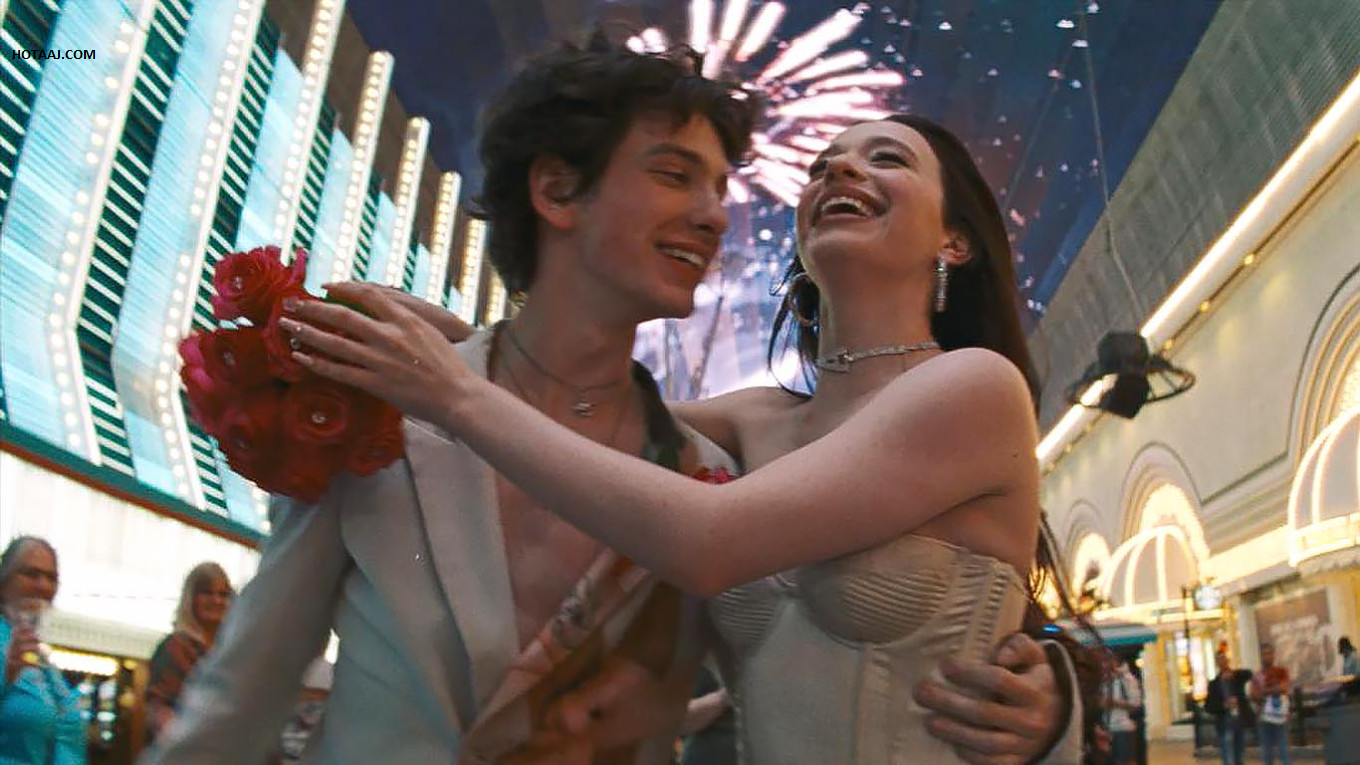
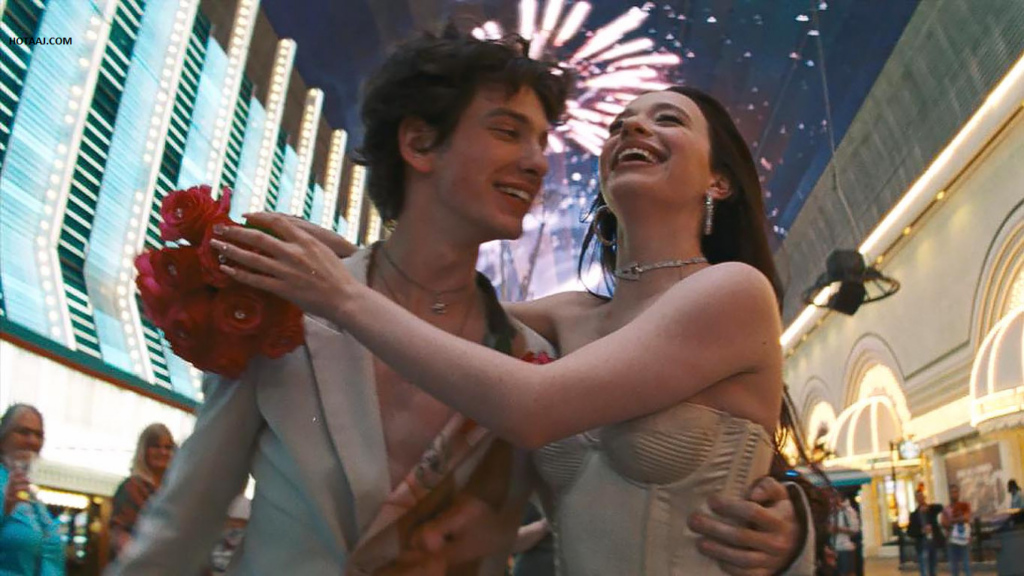
The narrative of Anora centers around the story of a Brooklyn prostitute, played by Mikey Madison, who marries Ivan, the son of a powerful Russian oligarch, portrayed by Russian actor Mark Eidelstein. The family’s conflict arises when they discover Anora’s troubled past and seek to annul the marriage. Beyond personal drama, the film explores broader socio-political themes, delving into the complexities of the Russian diaspora and contrasting cultural norms between East and West.
Baker, renowned for his keen eye for cultural storytelling in independent cinema, took great care in casting actors who would authentically bring these nuances to life. His long-standing friendship with Armenian actor Karren Karaguilian, a Brooklyn resident for nearly three decades, helped him gain insight into the milieu of the film’s setting.
Cannes Controversy
Despite its critical success, Anora did not escape controversy. Jury president Greta Gerwig faced harsh criticism for awarding a film featuring Russian actors amidst the ongoing war in Ukraine. Some critics even questioned the artistic merit of the film, arguing that it did not align with the experimental edge typically celebrated by the Palme d’Or. However, as the year progressed, the backlash faded, and Anora began to gain momentum in various award circuits, positioning itself as a serious contender for the Oscars against films like Dune: Part Two and The Brutalist.
COURTESY: Academy Originals
Authenticity and Emotional Depth
Baker’s attention to cultural authenticity was integral to the film’s success. Yuri Borisov, who plays the role of Igor, a hired henchman, is central to the film’s emotional depth. Borisov’s portrayal of a man torn between loyalty, cultural identity, and personal feelings adds a profound layer to the narrative. Reflecting on his role, Borisov shared, “I wanted to evoke real emotions in Igor…he empathizes with Anora. I realized that he was someone who was trying to help, even if he was in a difficult situation.”
Borisov’s commitment to authenticity shines in one of the film’s most poignant scenes, when his character confronts Anora. He explained, “In this scene, I wanted to feel everything, even the pain, to accurately portray Igor’s struggle.” His performance has earned widespread acclaim for its emotional depth and authenticity.
The Road to the Oscars
Despite the early controversies, Anora has found its place in the hearts of critics and audiences alike. With its compelling exploration of cultural tensions and personal identity, it stands as a testament to the power of storytelling to transcend political divides. As the film continues to win accolades and secure its position as a likely Oscar contender, it serves as a reminder that art, in its purest form, can speak to universal truths that resonate far beyond national borders.
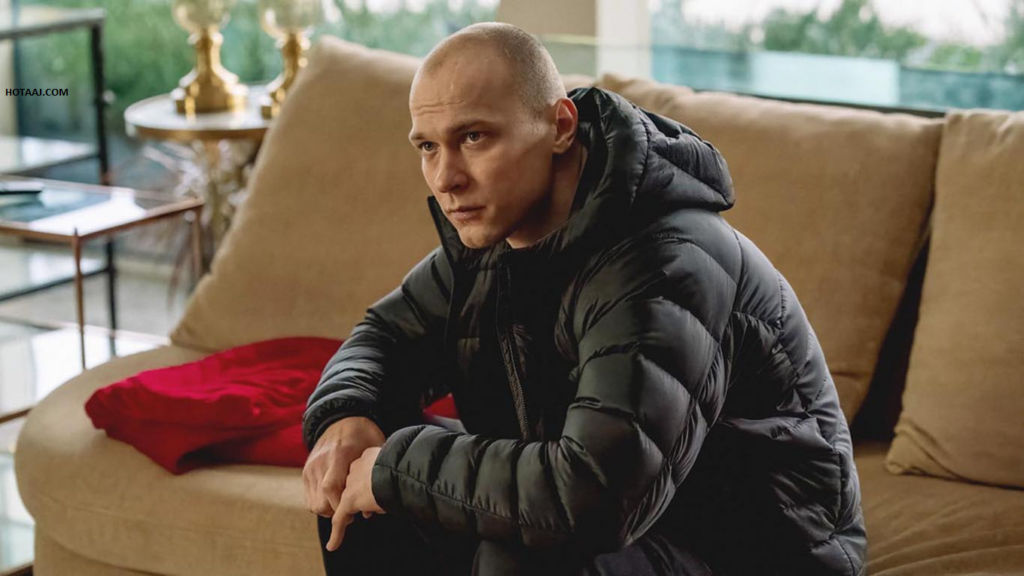
“Anora”: A Masterclass in Acting and Cultural Sensitivity Amidst Controversy
Anora, the controversial film directed by Sean Baker, has not only captivated audiences with its compelling storyline but also demonstrated a remarkable approach to casting and cultural understanding. The film’s success at the Cannes Film Festival and the subsequent buzz at other prestigious film events can be largely attributed to the performances and the delicate handling of cultural nuances, all while navigating the political tensions that surround its creation.
Mark Eidelstein’s Transformative Role
One of the standout performances in Anora came from Mark Eidelstein, who plays Ivan, the son of a Russian oligarch. Despite having no personal connection to the world of the super-wealthy, Eidelstein’s portrayal of Ivan is rich with complexity. At Cannes, Eidelstein humorously acknowledged, “Unfortunately, I’m not the son of oligarchs and don’t own any jets. Ivan represents a dark side of me that I never knew.” His ability to bring out the duality of wealth—its allure and danger—was central to the character’s emotional resonance.
Baker recounted an amusing and somewhat unconventional casting process for Eidelstein, sharing, “We got on Zoom with Mark and gave him the synopsis. Within hours, he sent us his audition video—completely naked. I thought, ‘How can we not give him this role?’” This unorthodox approach turned out to be a perfect fit for the raw, vulnerable character Baker envisioned.
Cultural Nuances and the Russian Community
Baker’s journey in accurately portraying the Russian diaspora was a carefully considered one. The vibrant Russian community of Brighton Beach, Coney Island, served as the backdrop for much of Anora. Baker relied heavily on the authenticity of his actors to understand the cultural and linguistic nuances, a decision that played a crucial role in the film’s success.
Yuri Borisov, who portrays Igor, the hired henchman, recalled how Baker embraced the language and culture, even though he didn’t speak Russian. “Sometimes we would joke in Russian, and Sean would enjoy it even if he didn’t know the words,” Borisov said. This openness and willingness to learn allowed the film to transcend political and cultural barriers, making Anora resonate with a global audience.
Baker reflected on his approach, saying, “I relied heavily on my actors to help me understand the intricacies of their culture and language.” This sensitivity to cultural authenticity helped the film maintain its integrity despite the complex political climate.
A Commentary on Relationships and Survival
Beyond its exploration of personal conflict and love, Anora serves as a powerful commentary on the transactional nature of relationships within a capitalist society. Baker noted, “The film examines how sex work exists within a spectrum of human relationships. It’s about understanding the different facets of connection, whether genuine or transactional.” This layered approach invites audiences to reflect on societal issues such as exploitation, survival, and human connection.
Borisov echoed this sentiment, saying, “It’s about survival in a world that often misunderstands or exploits people. Igor wants to protect Anora, but he’s also trapped in this system.” This exploration of the tension between personal duty and societal constraints forms a key part of the film’s appeal, offering a nuanced portrayal of the complexities of life within the confines of a capitalist society.
From Criticism to Recognition
Anora’s journey from controversy to critical acclaim highlights the power of storytelling to transcend political divides. What initially began as a wave of criticism due to the involvement of Russian actors during a time of political unrest has transformed into genuine admiration for the film’s nuanced approach to storytelling and character development.
The film’s recognition at various awards shows, including the nomination of Yuri Borisov for Best Supporting Actor at the Gotham Awards, further solidifies Anora as a work that has successfully navigated the choppy waters of controversy. With talks of potential Oscar nominations, it’s clear that Anora has become a symbol of how artistic expression can push boundaries and create meaningful conversations, even in the face of political challenges.
In the end, Anora serves as a reminder that great cinema can find its place in the world, no matter the surrounding controversy. Through powerful performances, cultural sensitivity, and a deep exploration of the human condition, the film stands as a testament to the universal power of storytelling.
COURTESY: It’s BPC
Cultural and Political Tensions at the Heart of “Anora”
In an era where political climates often intersect with the world of cinema, Anora stands as a remarkable example of how art can both provoke and transcend controversy. The film was initially met with backlash at the Cannes Film Festival, with critics questioning its appropriateness amid the ongoing Russia-Ukraine conflict. The film’s featuring of Russian actors, particularly in the context of a Russian oligarch’s family, seemed politically charged at a time when global tensions were running high.
However, Anora‘s exploration of familial loyalty, personal sacrifice, and the complex interplay of wealth and survival shifted the conversation from politics to art. While some critics argued that the film lacked the experimental edge typically expected from a Palme d’Or winner, others found its emotional depth and portrayal of real human struggles refreshing and necessary.
A Journey Beyond Politics
Sean Baker’s intention was never to sidestep the political landscape but rather to offer a nuanced and humanized perspective on issues like power, survival, and love. In a world where political and cultural divides can often overshadow personal stories, Anora stands as a testament to the power of narrative to foster understanding. Baker’s sensitive handling of the story, particularly through the lens of Anora’s complicated past and present, enables the film to engage with viewers on a deeper emotional level.
Baker explained, “I wanted to tell a story that wasn’t just about Russian oligarchs and the rich; it was about the people caught in the middle. It’s about their internal struggles, the way their identities are shaped by the world around them, and the way they fight to survive.”
The depiction of Anora, a Brooklyn prostitute, adds another layer of complexity to the film’s cultural exploration. She is a woman who defies societal norms, yet her vulnerability and emotional depth give the character a level of humanity that resonates universally. As a prostitute married to Ivan, she challenges expectations and forces the audience to question the assumptions about people from marginalized backgrounds. In doing so, Anora transforms from a film about a woman caught between worlds into a poignant commentary on survival, identity, and self-worth.
Authenticity Through Cast and Language
Baker’s commitment to cultural accuracy is further evidenced in his casting choices. Yuri Borisov, whose breakout role in Compartment No. 6 at Cannes caught the attention of Baker, brought not only his acting talent but also a unique perspective to his role as Igor. His portrayal of the hired henchman struggling with his personal loyalty to Anora and his duty to the oligarch family is an example of how deeply Baker values cultural authenticity in storytelling. Borisov’s emotional commitment to his character adds layers of complexity, turning what might have been a stereotypical villain into a conflicted, sympathetic figure.
Moreover, the film’s dialogue, rich with Russian idioms and slang, was brought to life by the cast’s fluency and Baker’s respect for the language. Despite the language barrier, Baker’s willingness to learn and embrace the intricacies of Russian culture allowed him to direct in a way that felt both authentic and respectful. The film’s use of humor, often in the form of inside jokes in Russian, further humanizes the characters and strengthens the audience’s connection to their experiences.
The Power of Sexuality and Power Dynamics
At its core, Anora is a meditation on the transactional nature of relationships, particularly those shaped by societal expectations and power structures. While the film does explore the romantic relationship between Anora and Ivan, its true heart lies in the exploration of power dynamics within relationships.
Baker has long been a director interested in exploring the complexities of human interaction, and Anora is no different. In the case of Anora, her past as a prostitute is not merely a backdrop to the plot but a lens through which the audience can examine the broader context of survival and exploitation. As she navigates the tumultuous waters of her marriage to Ivan, she is forced to confront the hidden costs of relationships built on power, money, and control.
Baker said, “The world is often unforgiving to people who exist outside of its norms. We wanted to examine how sex work, and more broadly, relationships built on power, are often about survival and exploitation. Anora, like many women, is forced to navigate a world that sees her only for what she can give.”
This theme of transactional relationships is woven throughout the narrative, culminating in a powerful final act that forces the audience to confront the complexities of love, loyalty, and survival in a world that often demands much from its inhabitants.
The Road Ahead: “Anora” as an Awards Contender
Despite initial controversy, Anora has proven to be a formidable force in the awards season race. With critical acclaim and recognition at major festivals, the film has placed itself as a serious contender for numerous awards, including potential Oscar nominations. The performance of Yuri Borisov, in particular, has been lauded, earning him a nomination for Best Supporting Actor at the Gotham Awards.
Many industry insiders believe that Anora has the potential to sweep multiple categories at the Academy Awards, with its stellar performances, thoughtful direction, and socially conscious themes making it a frontrunner in a crowded year of film. As it garners attention, Anora proves that art can succeed even in the most challenging of political climates, with its message resonating across borders and cultural divides.
Conclusion: The Unlikely Journey of “Anora”
What started as a controversial film has blossomed into a cinematic triumph that transcends its political backdrop. Anora is a story of survival, power, and the complex nature of human relationships, all told through the lens of cultural authenticity and sensitivity. Sean Baker’s directorial vision, paired with the exceptional performances from his cast, has created a film that resonates on both a personal and societal level.
As Anora continues its awards season journey and finds a place in the hearts of audiences, it stands as a testament to the power of cinema to tackle difficult issues, explore complex emotions, and foster understanding—no matter the political context. Through the tumult of its early reception, Anora has emerged as a film with lasting power, offering a perspective that is both timely and universal.
COURTESY: Nowstalgia
The Impact of “Anora” on the Global Film Landscape
As Anora continues to make waves on the global film circuit, its impact is being felt far beyond the awards and accolades it has received. The film represents a shift in how international cinema is being perceived, particularly in a climate where global political and social dynamics often shape the narratives we see onscreen. Anora has ignited a broader conversation about the importance of artistic expression amidst political turmoil, demonstrating that storytelling can bridge divides and foster empathy.
The film’s success highlights a growing trend where filmmakers are increasingly pushing the boundaries of conventional cinema, exploring themes that challenge societal norms while engaging with the complexities of modern life. In this regard, Anora is emblematic of a new wave of cinema that blends cultural storytelling with political awareness, creating a space where art and reality collide. It also underscores the importance of finding creative solutions to navigate political sensitivity while still producing thought-provoking, impactful content.
Breaking Barriers: A Reflection of Russian Diaspora in Film
One of the key elements that makes Anora so compelling is its depiction of the Russian diaspora, particularly the community in Brighton Beach, Coney Island. This representation offers a unique insight into the lives of Russians living abroad, revealing the challenges they face as they try to maintain their cultural identities while adapting to their new lives in the United States.
In a world where Russian culture is often portrayed through the lens of politics, Anora provides a more nuanced portrayal. The film shows that the Russian diaspora is diverse, multifaceted, and far from homogeneous. It highlights the complex emotional and cultural struggles that many immigrants face as they navigate between two worlds. Through its characters, particularly Ivan and Anora, the film paints a picture of people who are caught in the crossfire of conflicting identities, striving to make sense of their past while shaping their future.
Baker’s careful approach to this representation underscores the importance of avoiding stereotypes and offering a more humanizing portrayal of immigrant communities. By focusing on the personal stories of his characters rather than reducing them to political symbols, Anora challenges viewers to rethink their assumptions about identity, culture, and belonging.
A Film that Speaks to Universal Themes
While Anora is steeped in the specific cultural context of Russian immigrants, its themes of love, betrayal, and survival are universal. At its core, the film is about human connection — the kind that transcends borders, backgrounds, and political affiliations. The relationships between the characters are complicated, layered, and often painful, but they reflect the very real challenges that people face in their quest for meaning and belonging.
The dynamic between Anora and Ivan, for example, is far from simple. Their marriage, while initially portrayed as an escape from their respective pasts, slowly unravels as the weight of their histories and the expectations of their families come into play. This tension between personal desires and familial obligations is something that resonates across cultures, making the film relatable to a global audience.
Moreover, the film’s exploration of survival — whether through Anora’s past as a prostitute or Ivan’s struggle with his family’s expectations — speaks to the broader human condition. In a world where personal survival often hinges on the ability to navigate complex social and economic systems, Anora offers a poignant reminder of the resilience of the human spirit.
The Role of Music and Cinematography in Elevating the Story
Anora’s ability to resonate with audiences is also enhanced by its exceptional cinematography and sound design. The visual style of the film, which contrasts the gritty realism of Brooklyn’s Brighton Beach with the opulence of the Russian oligarch family, adds another layer of meaning to the story. The camera work is intimate, often focusing on the raw emotions of the characters as they navigate their turbulent relationships. It emphasizes the personal stakes of the story, making the audience feel as though they are inside the characters’ heads, experiencing their dilemmas firsthand.
The film’s soundtrack also plays a critical role in setting the tone. The music, carefully chosen to reflect the cultural backdrop of the film, helps to evoke the emotions of the characters while also providing insight into their inner worlds. Whether through the melancholy undertones of a Russian folk song or the more upbeat, contemporary tracks that underscore the tension in key scenes, the soundtrack adds an emotional depth that complements the film’s narrative.
Critical Reception: From Backlash to Praise
The journey of Anora from controversy to critical acclaim is a testament to the film’s resilience and the strength of its vision. Initially criticized for its perceived political insensitivity, the film’s powerful storytelling, compelling performances, and cultural authenticity won over even its harshest critics. The early backlash, particularly surrounding its screening at the Cannes Film Festival, was fueled by political tensions that overshadowed the film’s artistic merit. However, as more audiences saw the film, it became clear that Anora was not merely a political statement but a rich, multifaceted narrative about human connections.
This shift from backlash to praise underscores the enduring power of cinema to challenge perceptions and invite conversation. In the face of controversy, Anora managed to carve out a space for itself in the global film landscape, proving that films can be both bold and sensitive, timely and timeless.
Looking Forward: The Legacy of “Anora”
As Anora continues to make waves in the awards season, its legacy seems assured. The film has not only established Sean Baker as a master of complex, socially-conscious storytelling but also given Yuri Borisov and Mark Eidelstein a platform to showcase their extraordinary talent. Their performances have helped elevate the film into the realm of cinematic excellence, and their nuanced portrayals of characters caught in a web of cultural conflict have left an indelible mark on audiences and critics alike.
Moreover, Anora’s success is a sign of the changing nature of international cinema. With its bold narrative choices, complex characters, and unflinching exploration of sensitive issues, the film demonstrates that cinema can be a vehicle for both personal and political expression. As the film continues to gather accolades, it will likely be remembered as one of the most important and challenging films of its time, reflecting the complexities of modern life while also serving as a beacon for the future of global cinema.
In the end, Anora is not just a film about survival in a capitalist world or a love story caught in the complexities of identity. It’s a film about the universal need for connection, understanding, and redemption — themes that resonate regardless of political boundaries.
References
- ^ Jump up to:a b c d “Statistics on the Russian cinema market” (PDF). Nevafilm Research. Retrieved 22 March 2017.
- ^ “Table 8: Cinema Infrastructure – Capacity”. UNESCO Institute for Statistics. Archived from the original on 24 December 2018. Retrieved 5 November 2013.
- ^ “Film distributors by box office share Russia 2021”. Statista.
- ^ Jump up to:a b “Top films by box office in Russia May 2022”. Statista.
- ^ “Annual Report 2012/2013” (PDF). Union Internationale des Cinémas. Archived from the original (PDF) on 10 November 2013. Retrieved 10 November 2013.
- ^ Peter Rollberg (2009). Historical Dictionary of Russian and Soviet Cinema. US: Rowman & Littlefield. p. xxiii. ISBN 978-0-8108-6072-8.
- ^ Jump up to:a b Peter Rollberg (2016).
- Historical Dictionary of Russian and Soviet Cinema. US: Rowman & Littlefield. pp. 49–52. ISBN 978-1442268425.
- ^ Jump up to:a b c d e f g h i j The Encyclopaedia Britannica guide to Russia : the essential guide to the nation, its people, and culture. London: Robinson. 2009. pp. 208–213. ISBN 9781593398507.
- ^ Историческая справка (in Russian)
- . Gerasimov Institute of Cinematography. Retrieved 2 September 2008.
- ^ Snider, Eric (23 November 2010). “What’s the Big Deal?: Battleship Potemkin (1925)”. MTV News. MTV. Archived from the original on 23 May 2019. Retrieved 23 May 2019.
- ^ Ebert, Roger. “Battleship Potemkin”. Archived from the original on 22 November 2010. Retrieved 28 November 2010.
- ^ “Top Films of All-Time”. Filmsite. Retrieved 23 May 2019.
- ^ “The 50 Greatest Films of All Time”. British Film Institute. Sight & Sound. September 2012. Archived from the original on August 2, 2012. Retrieved 1 January 2018.
- ^ Peter Rollberg (2009). Historical Dictionary of Russian and Soviet Cinema. US: Rowman & Littlefield. pp. 172–179. ISBN 978-0-8108-6072-8.
- ^ Peter Rollberg (2016). Historical Dictionary of Russian and Soviet Cinema. US: Rowman & Littlefield. pp. 591–593. ISBN 978-1442268425.
- ^ “Festival de Cannes: Andrei Rublev”. festival-cannes.com. Archived from the original on 31 October 2012. Retrieved 2009-04-10.
- ^ “Soviet Film Maker Tarkovsky Dies at 54”. Los Angeles Times. December 29, 1986.
- ^ Stephen Dalton. “Andrei Tarkovsky, Solaris and Stalker”. BFI.
- ^ Jump up to:a b “Top 10 most decorated Russian filmmakers”. RBTH. 26 January 2022.
- ^ “The History of Russian Cinema”. Cannes Film Festival. 12 January 2011.
- ^ Nancy Condee (2009). “Aleksei German: Forensics in the Dynastic Capital”. The Imperial Trace – Recent Russian Cinema. New York: Oxford University Press. pp. 185–216. ISBN 978-0190451226.
- ^ “‘Deserto Rosso’ Wins Top Prize At 25th Venice Film Festival”. The New York Times. 11 September 1964.
- ^ “Russian film director Konchalovsky wins Special Jury Prize at Venice Film Festival”. TASS.
- ^ Ronald Bergan (21 Jun 2018). “Kira Muratova obituary”. Guardian.
- ^ Birgit Beumers (2005). Pop Culture Russia!: Media, Arts, and Lifestyle. Abc-Clio. p. 77. ISBN 1-85109-459-8.
- ^ Peter Rollberg (2009). Historical Dictionary of Russian and Soviet Cinema. US: Rowman & Littlefield. pp. 157–162. ISBN 978-0-8108-6072-8.
- ^ “Русская кинодвадцатка Радио Свобода “Москва слезам не верит””. Radio Svoboda. Retrieved 15 October 2021.
- ^ Richard Stites (1992). Russian Popular Culture: Entertainment and Society Since 1900. Cambridge University Press. p. 173. ISBN 0-521-36214-8.
- ^ “26e SELECTION DE LA SEMAINE DE LA CRITIQUE – 1987”. International Critics’ Week.
- ^ “35th International Filmfestival Mannheim-Heidelberg, Germany (October 6 – October 11, 1986)”. International Critics’ Week.
- ^ “16th Moscow International Film Festival (1989)”. MIFF. Archived from the original on 16 March 2013. Retrieved 25 February 2013.
- ^ Jump up to:a b Richard Taylor; Nancy Wood; Julian Graffy; Dina Iordanova (2019). The BFI Companion to Eastern European and Russian Cinema. Bloomsbury. pp. 1923–1927. ISBN 978-1838718497.
- ^ Peter Rollberg (2009). Historical Dictionary of Russian and Soviet Cinema. US: Rowman & Littlefield. p. xxxiv. ISBN 978-0-8108-6072-8.
- ^ Birgit Beumers (2005). Pop Culture Russia!: Media, Arts, and Lifestyle. Abc-Clio. p. 80. ISBN 1-85109-459-8.
- ^ “Berlinale: 1990 Prize Winners”. berlinale.de. Retrieved 16 March 2011.
- ^ “Festival de Cannes: Freeze Die Come to Life”. festival-cannes.com. Retrieved 8 August 2009.
- ^ “Berlinale: 1992 Programme”. berlinale.de. Retrieved 2011-05-29.
- ^ “Review/Film; Harshness of Soviet Life In Lungin’s ‘Taxi Blues'”. The New York Times. 18 January 1991.
- ^ “Cannes Festival”. Retrieved 29 January 2013.
- ^ “Festival de Cannes: The Wedding”. festival-cannes.com. Retrieved 10 October 2009.
- ^ “Festival de Cannes: Tsar”. festival-cannes.com. Retrieved 17 May 2009.
- ^ “Berlinale: 1990 Prize Winners”. berlinale.de. Retrieved 19 March 2011.
- ^ “Berlinale: 1991 Prize Winners”. berlinale.de. Retrieved 26 March 2011.
- ^ “Festival de Cannes: The Assassin of the Tsar”. festival-cannes.com. Retrieved 2009-08-09.
- ^ “Festival de Cannes: Anna Karamazoff”. festival-cannes.com. Retrieved 9 August 2009.
- ^ “Festival de Cannes: Perekhod tovarishcha Chkalova cherez severnyy polyus”. festival-cannes.com. Archived from the original on 2 January 2013. Retrieved 11 August 2009.
- ^ Valery Kichin (4 September 2015). “4 Russian films that scooped the Golden Lion at Venice”. RBTH.
- ^ “The 65th Academy Awards (1993) Nominees and Winners”. oscars.org. Retrieved 19 September 2015.
- ^ “Berlinale: 1992 Programme”. berlinale.de. Retrieved 2011-05-22.
- ^ “Tchekiste” [The Chekist]. Cannes Film Festival (in French). Retrieved 16 August 2009.
- ^ “Festival de Cannes: Happy Days”. festival-cannes.com. Retrieved 16 August 2009.
- ^ Jane Taubman (26 November 2004). Kira Muratova: Kinofile Filmmakers’ Companion. I.B.Tauris, 2004. ISBN 0857714104.
- ^ “Venezia, Libertà Per Gli Autori”. La Repubblica. 31 July 1992. Retrieved 29 April 2014.
- ^ “50th Venice Film Festival 1993 – FilmAffinity”. Retrieved 2017-05-28.
- ^ “‘Burnt By the Sun’ Wins Foreign Film Oscar”. Associated Press. March 28, 1995.
- ^ “Hollywood Reporter: Cannes Lineup”. hollywoodreporter. Archived from the original on April 22, 2010. Retrieved 2010-04-16.
- ^ “Festival de Cannes: Assia and the Hen with the Golden Eggs”. festival-cannes.com. Retrieved 27 August 2009.
- ^ Andrei Plakhov (1994-05-03). “Премьера нового фильма Киры Муратовой”. Kommersant.
- ^ “Российский гуманитарный энциклопедический словарь”.
- ^ “UVLECENJA”. Locarno Festival. Archived from the original on 2017-04-24. Retrieved 2023-05-29.
- ^ “Лауреаты Национальной кинематографической премии “НИКА” за 1994 год”. Nika Award.
- ^ “Призеры 1991-2005 гг”. Kinotavr. Archived from the original on 2013-10-23. Retrieved 2017-04-22.
- ^ Edoardo Pittalis, Roberto Pugliese, Bella di Notte, August 1996.
- ^ Sandra Brennan (2016). “A Moslem”. Movies & TV Dept. The New York Times. Archived from the original on 25 March 2016. Retrieved 4 October 2015.
- ^ Peter Rollberg (2009). Historical Dictionary of Russian and Soviet Cinema. US: Rowman & Littlefield. p. 544. ISBN 978-0-8108-6072-8.
- ^ “The 69th Academy Awards (1997) Nominees and Winners”. oscars.org. Retrieved 5 October 2015.
- ^ “Три истории”. VokrugTV.
- ^ “Сеансу отвечают: Три истории”. Seance.
- ^ “Призеры 1991-2005 гг”. Kinotavr.
- ^ Richard Taylor; Nancy Wood; Julian Graffy; Dina Iordanova (2019). The BFI Companion to Eastern European and Russian Cinema. Bloomsbury. p. 1938. ISBN 978-1838718497.
- ^ “Festival de Cannes: Traveling Companion”. festival-cannes.com. Retrieved 2009-09-26.
- ^ “Berlinale: 1998 Programme”. berlinale.de. Retrieved 22 January 2012.
- ^ “Festival de Cannes: Father and Son”. festival-cannes.com. Archived from the original on 10 October 2012. Retrieved 7 November 2009.
- ^ “Festival de Cannes: Khrustalyov, My Car!”. Festival de Cannes. Retrieved 30 September 2009.
- ^ “Festival de Cannes: The Barber of Siberia”. festival-cannes.com. Retrieved 2009-10-11.
- ^ Boris Egorog (25 June 2018). “12 Russian-European movies you must watch before you die”. RBTH.
- ^ “Festival de Cannes: Moloch”. festival-cannes.com. Retrieved 2010-12-21.
- ^ “Festival de Cannes: Taurus”. festival-cannes.com. Retrieved 18 October 2009.
- ^ Jump up to:a b c d e f “100 главных русских фильмов: 1992—2013”. Afisha.
- ^ “Svetlana Baskova in the TV program Cult of Cinema”. Cult of Cinema.
- ^ “В Петербурге суд запретил фильм “Зеленый слоник””. Meduza.
- ^ “27th Moscow International Film Festival (2005)”. MIFF. Archived from the original on 3 April 2013. Retrieved 13 April 2013.
- ^ “”А помните, вы вчера товарища генерала за погон укусили?”: 23 факта о “ДМБ””. Kinoreporter.
- ^ “Winners 1991–2005”. Kinotavr. Archived from the original on 2017-02-02. Retrieved 2017-01-25.
- ^ “Poisons or the World History of Poisoning / Jady ili Vsěmirnaja istorija otravlěnij”. KVIFF.
- ^ “Яды, или Всемирная история отравлений”. VokrugTV.
- ^ “Яды, или Всемирная история отравлений. Х/ф”. Russia-1. Archived from the original on 2020-11-20. Retrieved 2023-05-28.
- ^ Jump up to:a b “24th Moscow International Film Festival (2002)”. MIFF. Archived from the original on 28 March 2013. Retrieved 31 March 2013.
- ^ Dan Fainaru (3 December 2003). “The Last Train (Poslednyi Poezd)”. Screen Daily.
- ^ Deborah Young (September 9, 2005). “Review: ‘Garpastum'”. Variety. Retrieved 2 June 2016.
- ^ “Russian film wins award in Venice”. RBTH. 2008-08-07.
- ^ “Festival de Cannes: Russian Ark”. festival-cannes.com. Retrieved 25 October 2009.
- ^ “Italianetz”, Berlinale Film Archive, 14 February 2005, retrieved 17 July 2017
- ^ “Festival de Cannes: 977”. festival-cannes.com. Retrieved 14 December 2009.
- ^ “Festival de Cannes: Tale in the Darkness”. festival-cannes.com. Retrieved 17 May 2009.
- ^ “Ugly Swans”. Tretyakov Gallery.
- ^ “Festival de Cannes: The Banishment”. festival-cannes.com. Archived from the original on 12 October 2012. Retrieved 18 December 2009.
- ^ “Official Awards at the 64th Venice Film Festival”. www.labiennale.org. Archived from the original on 2008-04-17. Retrieved 2007-12-12.
- ^ “80th Academy Awards Nominations Announced” (Press release). Academy of Motion Picture Arts and Sciences. 2008-01-22. Retrieved 2008-01-22.
- ^ Fabien Lemercier (2008-05-25). “Cantet wins Palme d’Or and Sorrentino, Garrone and Dardenne brothers scoop awards”. Cineuropa.
- ^ “2008 Sundance Film Festival Award Winners”. SlashFilm. 2008.
- ^ “Final Press Release (July 11th, 2009)” (PDF). Karlovy Vary International Film Festival.
- ^ “Федеральный закон от 05.05.2014 г. № 101-ФЗ”. Kremlin.
- ^ “НЕ В МАТЕ ДЕЛО: ЗАКОН О ЗАПРЕТЕ НЕЦЕНЗУРНОЙ ЛЕКСИКИ РЕГЛАМЕНТИРУЕТ… РАБОТУ ПО ПРОКАТНОМУ УДОСТОВЕРЕНИЮ” [Does not have to do with curse words: Law concerning ban of curse words regulates… work concerning the screening certificate]. Cinemaplex. 7 May 2014.
- ^ “Постановление Правительства РФ от 17.11.1994 N 1264 (ред. от 10.03.2009) “Об утверждении Правил по киновидеообслуживанию населения””. Legal Acts.
- ^ “Berlinale. Archive. Prize winners 2010”.
- ^ “La Biennale di Venezia – Official Awards of the 67th Venice Film Festival”. Labiennale.org. Retrieved 2013-09-12.
- ^ Scott Roxborough (22 January 2010). “‘Jolly Fellows’ to open Berlin Panorama”. The Hollywood Reporter.
- ^ Andrei Plakhov (12 February 2010). “Веселая разлука”. Kommersant (in Russian).
- ^ “Cannes Reveals International Critics’ Week Lineup; ‘Ain’t Them Bodies Saints’ Makes the Cut”. Indiewire. Retrieved 23 May 2013.
- ^ “Official Awards” (PDF). Festival del Film Locarno. Retrieved 2015-01-05.
- ^ “TIFF Adds More High-Profile Titles, Including Jonah Hill’s ‘Mid90s,’ ‘Boy Erased,’ ‘Hold the Dark,’ and Many More”. IndieWire. Retrieved 24 August 2018.
- ^ “Festival de Cannes: Official Selection”. Cannes. Archived from the original on 15 May 2011. Retrieved 16 April 2011.
- ^ Leffler, Rebecca (21 May 2011). “Un Certain Regard Announces Top Prizes (Cannes 2011)”. The Hollywood Reporter. Retrieved 21 May 2011.
- ^ Vivarelli, Nick (2011-09-10). “‘Faust’ wins Golden Lion at Venice”. Variety. Retrieved 2011-09-10.
- ^ Dave McNary (24 September 2015). “Venice Winner ‘Francofonia’ Bought by Music Box for U.S.” Variety.
- ^ “Venezia 69”. labiennale. Archived from the original on 28 July 2012. Retrieved 4 August 2012.
- ^ “Кинобизнес / Cамые прибыльные и убыточные отечественные фильмы в кинопрокате России 2013 года” (in Russian). Кинобизнес. Retrieved 2020-03-31.
- ^ “Zakupki.ru. О механизмах господдержки кинематографии” (in Russian). Искусство кино. Retrieved 2020-03-31.
- ^ Михаил Филберт (2015-03-26). “Количество успешных российских фильмов выросло”. Cinemaplex.
- ^ “Close-Up on “Hard to Be a God” and the Medieval in European Cinema”. MUBI. Retrieved 2022-06-29.
- ^ “Chagall-Malevich”. BIFF. Retrieved 9 February 2022.
- ^ “Awards 2014 : Competition”. Cannes Film Festival. Archived from the original on 23 October 2013. Retrieved 25 May 2014.
- ^ 72ND ANNUAL GOLDEN GLOBE® AWARDS NOMINEES ANNOUNCED. dickclark.com. Retrieved 11 December 2014
- ^ “Zvyagintsev’s ‘Leviathan’ Picks Up 6 Awards at Russian Film Ceremony”. Moscow Times. 4 February 2015.
- ^ Harvey, Dennis (20 June 2016). “Film Review: ‘Under the Sun'”. Variety. Retrieved 6 October 2016.
- ^ Kohn, Eric. “Under the Sun Review: Documentary Goes Inside North Korea”. IndieWire. Retrieved 6 October 2016.
- ^ “‘Under The Sun’ (‘V lutsah solntsa’): Film Review”. The Hollywood Reporter. Retrieved 6 October 2016.
- ^ Gray, Carmen (2 December 2015). “Russian film exposes the workings of North Korea’s propaganda machine”. The Guardian. Retrieved 6 October 2016.
- ^ “Under the Sun”. The New Yorker. Retrieved 6 October 2016.
- ^ “Prizes of the International Jury”. Berlinale. Retrieved 14 February 2015.
- ^ “Archiv. Prize winners 2018”. Berlinale.
- ^ “2016 Karlovy Vary IFF Awards Winners: ‘It’s Not the Time of My Life’ Takes Top Prize”. IndieWire. 9 July 2016.
- ^ Felperin, Leslie (September 15, 2016). “The Duelist (Duelyant): Film Review, TIFF 2016″. The Hollywood Reporter review.
- ^ “Cannes Bullet Points: Brazil the documentary prize and “The Student” the François Chalais Prize”. L’Express. 21 May 2016. Retrieved 21 May 2016.
- ^ “The 2018 Official Selection”. Cannes Film Festival. 12 April 2018. Retrieved 12 April 2018.
- ^ Debruge, Peter; Keslassy, Elsa (12 April 2018). “Cannes Lineup Includes New Films From Spike Lee, Jean-Luc Godard”. Variety. Retrieved 12 April 2018.
- ^ Tizard, Will (9 July 2016). “Karlovy Vary Film Festival 2016: Full List of Winners”. Variety. Retrieved 30 April 2018.
- ^ Debruge, Peter (28 May 2017). “2017 Cannes Film Festival Award Winners Announced”. Variety. Archived from the original on 28 May 2017. Retrieved 28 May 2017.
- ^ “Bafta Film Awards 2018: All the nominees”. BBC News. 9 January 2018. Archived from the original on 9 January 2018. Retrieved 13 January 2018.
- ^ “Oscars 2018: The list of nominees in full”. BBC News. 23 January 2018. Archived from the original on 24 January 2018. Retrieved 23 January 2018.
- ^ Roxborough, Scott (14 November 2017). “Andrey Zvyagintsev’s ‘Loveless’ Wins Two European Film Awards”. The Hollywood Reporter. Archived from the original on 1 December 2017. Retrieved 25 November 2017.
- ^ Parant, Paul; Balle, Catherine (2 March 2018). “César 2018 : “120 battements par minute” remporte six prix, dont le meilleur film”. Le Parisien (in French). Archived from the original on 2 March 2018. Retrieved 2 March 2018.
- ^ “Зрители почувствовали “Притяжение”” [The audience felt the Attraction] (in Russian). Kommersant. February 8, 2017.
- ^ “Invasion (2020)”. Box Office Mojo. IMDb. Retrieved April 23, 2020.
- ^ “International Box Office Surprises of 2018”. The Hollywood Reporter. 21 December 2018. Retrieved 15 August 2019.
- ^ Barraclough, Leo (3 July 2019). “‘Three Seconds’ Becomes Highest Grossing Russian Film Ever in China (EXCLUSIVE)”. Variety. Retrieved 15 August 2019.
- ^ Vladimir, Kozlov (November 27, 2017). “Russia Box Office: Disney Film Becomes Top Local-Language Release of All Time”. The Hollywood Reporter. Retrieved July 30, 2018.
- ^ “БАБУШКА ЛЕГКОГО ПОВЕДЕНИЯ”. Kinobusiness.
- ^ “«Война Анны» Алексея Федорченко: почему новый фильм режиссёра «Овсянок» и «Ангелов революции» — один из лучших в 2018 году”. Archived from the original on 2018-06-12. Retrieved 2022-06-18.
- ^ “Картина “Война Анны” получила премию “Золотой орёл” и стала лучшим фильмом года”. Archived from the original on 2019-01-26. Retrieved 2022-06-18.
- ^ “«Спутник над Польшей» 2018: кино, музыка и кухня”. www.proficinema.com.
- ^ “Искусство станет ведущей темой 12-го фестиваля российского кино “Спутник над Польшей””. TACC.
- ^ “Тема фестиваля российского кино “Спутник над Польшей” — искусство”. rewizor.ru.
- ^ Когда жизнь подбрасывает. Современное кино глазами молодого мастера
- ^ “Venice to Kick Off Awards Season With New Films From Coen Brothers, Luca Guadagnino and Alfonso Cuaron”. The Hollywood Reporter. 25 July 2018. Retrieved 25 July 2018.
- ^ “Venice Film Festival Lineup: Heavy on Award Hopefuls, Netflix and Star Power”. Variety. 25 July 2018. Retrieved 25 July 2018.
- ^ “ЛЕД”. KinoBusiness.
- ^ “Kislota | Acid”. www.berlinale.de. Retrieved 2019-04-17.
- ^ “The 2019 Official Selection”. Cannes. 18 April 2019. Retrieved 18 April 2019.
- ^ Lodge, Guy (24 May 2019). “Brazil’s ‘Invisible Life of Eurídice Gusmão’ Wins Cannes Un Certain Regard Award”. Variety. Retrieved 24 May 2019.
- ^ “Cannes: ‘It Must Be Heaven’ Takes FIPRESCI Critics’ Prize”. The Hollywood Reporter. 25 May 2019. Retrieved 25 May 2019.
- ^ “The 2017 Official Selection”. Cannes. 13 April 2017. Retrieved 13 April 2017.
- ^ “2017 Cannes Film Festival Announces Lineup: Todd Haynes, Sofia Coppola, ‘Twin Peaks’ and More”. IndieWire. 13 April 2017. Retrieved 13 April 2017.
- ^ Hopewell, John (27 May 2017). “Cannes Critics Prize ‘BPM,’ Closeness,’ ‘Nothing Factory'”. Variety. Retrieved 27 May 2017.
- ^ “Андрей Кончаловский снимет фильм “Дорогие товарищи” с Юлией Высоцкой в главной роли и бюджетом в 150 миллионов рублей”. Вокруг.ТВ.
- ^ “Camera! Action!: что происходит в российском кино”. Archived from the original on 2019-03-30. Retrieved 2023-05-04.
- ^ “Андрей Кончаловский стал кавалером ордена “За заслуги перед Италией””. www.proficinema.com.
- ^ Холоп Archived 2020-01-15 at the Wayback Machine. fond-kino.ru
- ^ “The Serf (2019)”. Box Office Mojo. Retrieved 21 April 2020.
- ^ «Текст» и «Глубже» отмечены наградами «Ника» за лучший сценарий Archived 2021-12-09 at the Wayback Machine. Interfax
- ^ “Россия и Китай: делаем кино вместе” (in Russian). filmpro.
- ^ Nick Holdsworth (4 November 2013). “Russia’s ‘Stalingrad’ Storms Chinese Box Office”. The Hollywood Reporter.
- ^ “Россия и Китай договорились о ста совместных проектах в медиасфере”. Ministry of Telecom and Mass Communications of the Russian Federation.
- ^ Leo Barraclough (2 November 2016). “Arnold Schwarzenegger, Jackie Chan Join Russian-Chinese Movie ‘Viy-2′”. Variety.
- ^ Patrick Frater (6 August 2015). “Russian and Chinese Companies to Co-Produce ‘Snow Queen’ Sequel”. Variety.
- ^ Vladimir Kozlov (19 May 2015). “Russian Animated Film ‘Quackerz 3D’ Gets Investment From China”. The Hollywood Reporter.
- ^ “Berlin Film Festival 2020: There Is No Evil Wins Golden Bear”. Variety. 29 February 2020. Retrieved 1 March 2020.
- ^ Peter Bradshaw (30 April 2020). “DAU. Degeneration review – shocking, six-hour satire of Soviet science”. The Guardian.
- ^ Debruge, Peter (22 February 2020). “‘Persian Lessons’: Film Review”. Variety. Retrieved 10 February 2021.
- ^ “«Китобой»: подросток с Чукотки решает переплыть Берингов пролив, чтобы увидеть свою любовь в Детройте. Фильм дебютанта Филиппа Юрьева наградили в Венеции”. Archived from the original on 2020-09-30. Retrieved 2020-09-16.
- ^ “Venice Film Festival 2020 Winners: Nomadland Takes Golden Lion, Vanessa Kirby Is Best Actress”. IndieWire. 12 September 2020. Retrieved 12 September 2020.
- ^ Jump up to:a b Lattanzio, Ryan (21 July 2020). “‘Sputnik’ Trailer: A Cosmonaut Brings an E.T. Invasion Back to Earth in Gory ‘Alien’ Homage”. IndieWire. Retrieved 22 July 2020.
- ^ Hipes, Patrick (March 4, 2021). “Saturn Awards Nominations: ‘Star Wars: Rise Of Skywalker’, ‘Tenet’, ‘Walking Dead’, ‘Outlander’ Lead List”. Deadline Hollywood. Retrieved March 5, 2021.
- ^ Morg, M. (March 27, 2021). “The Silver Skates will be the first Russian film in the Netflix Originals lineup”. FREEMMORPG.TOP. Retrieved May 8, 2021.
- ^ Ryabikova, Victoria (May 6, 2021). “5 reasons to watch ‘Silver Skates’ on Netflix”. Russia Beyond. Retrieved May 8, 2021.
- ^ Donaldson, Kayleigh (June 16, 2021). “Now On Netflix: Want to see a Russian ‘Titanic’ on Ice? ‘Silver Skates’ Has Got You Covered”. Pajiba.com. Retrieved June 16, 2021.
- ^ Suyin Haynes, Madeline Roache. “Why the Film Industry Is Thriving in the Russian Wilderness”. Time.
- ^ “Yakut Films Ready to Replace Hollywood Blockbusters in Russia”. Moscow Times. 3 March 2022.
- ^ Sharf, Zack (10 June 2021). “Cannes Film Festival 2021 Lineup: Sean Baker, Wes Anderson, and More Compete for Palme d’Or”. IndieWire. Retrieved 16 November 2022.
- ^ Lodge, Guy (16 July 2021). “Russian Drama ‘Unclenching the Fists’ Takes Top Prize at Cannes Un Certain Regard Awards”. Variety.
- ^ “Основной конкурс / Последняя “Милая Болгария”” [Last «Dear Bulgaria» / Poslednyaya «Milaya Bolgariya»]. Moscow International Film Festival (in Russian). 2021-04-25. Archived from the original on 2021-04-24. Retrieved 2021-04-25.
- ^ Georg Szalai (20 July 2021). “Locarno Film Festival Adds Two Titles to Complete Lineup”. Hollywood Reporter.
- ^ Kiang, Jessica (14 August 2021). “Golden Leopard Winner ‘Vengeance is Mine, All Others Pay Cash’ Heads Impressive Slate Of Locarno Awards”. Variety. Retrieved 4 November 2021.
- ^ Roxborough, Scott (26 July 2021). “Venice Film Festival 2021 Full Lineup”. The Hollywood Reporter. Retrieved 5 August 2021.
- ^ “Роднянский назвал фильм “Мама, я дома” бескомпромиссным авторским высказыванием” [Rodnyansky on Bitokov’s Movie ‘Mama, I’m Home’: ‘It’s an uncompromising statement’] (in Russian). TASS. 2021-07-26. Retrieved 2022-04-12.
- ^ Christopher Vourlias (2021-09-03). “Vladimir Bitokov Looks to Find a ‘Home’ in Venice With Sophomore Feature”. Variety. Retrieved 2022-04-12.
- ^ Geoffrey Macnab (2021-09-02). “Alexander Rodnyansky on why this is an amazing moment for Russian filmmaking”. Screen Daily. Retrieved 2022-04-12.
- ^ “Sean Penn, Wes Anderson, Ildikó Enyedi Join 2021 Cannes Lineup”. The Hollywood Reporter. 3 June 2021. Retrieved 3 June 2021.
- ^ “Cannes Film Festival 2021 Lineup: Sean Baker, Wes Anderson, and More Compete for Palme d’Or”. IndieWire. Retrieved 3 June 2021.
- ^ “Golden Globes 2022 Non-English Language Film Submissions”. Golden Globes.
- ^ “Finnish films compete for the 2022 Golden Globe awards”. Helsinki Times. 6 December 2021.
- ^ Следствие в пяти актах
- ^ Время первого: драма о фронтовых операторах возглавила прокат
- ^ Von Seele, Emily (28 September 2021). “Fantastic Fest 2021 Review: The Execution is a Brutal Hunt for an Elusive Killer”. DailyDead.com. Retrieved 8 July 2022.
- ^ Что удалось, а что — нет в фильме Ладо Кватании «Казнь»
- ^ Valerie Hopkins (May 18, 2022). “With Tchaikovsky’s Wife, Kirill Serebrennikov tackles a Russian taboo”. The New York Times.
- ^ Vladan Petkovic. “BERLINALE 2022 Panorama – Review: Convenience Store”.
- ^ Jump up to:a b c Michael Rosser. “Berlinale bans state-backed Russian delegations but takes “clear stand” against total boycott”. Screen Daily.
- ^ Jump up to:a b Safronova, Valeriya (April 29, 2022). “In Echo of Soviet Era, Russia’s Movie Theaters Turn to Pirate Screenings”. The New York Times – via NYTimes.com.
- ^ Amid Amidi (8 March 2022). “Annecy Will Not Host Any Official Russian Delegations At Its Festival”. Cartoon Brew.
- ^ Scott Roxborough (28 February 2022). “Stockholm Film Festival Bans Russian State-Backed Films, Stands With Ukraine”. Hollywood Reporter.
- ^ Scott Roxborough (March 2022). “European Film Academy Joins Boycott of Russian Cinema”. Hollywood Reporter.
- ^ Etan Vlessing (25 March 2022). “International Emmys Ban All Russian Programs From Competition”. Hollywood Reporter.
- ^ “Unequivocal Solidarity with Ukraine”. European Film Academy. 1 March 2022.
- ^ Haring, Bruce (March 19, 2022). “Moscow Film Festival Has Accreditation Paused By Int’l Federation Of Film Producers”.
- ^ Elsa Keslassy (March 2022). “No Russian Companies Will Attend MipTV as Organizers Will Follow ‘Government Sanction’ Against Russia”. Variety.
- ^ “Ukrainian Letters”.
- ^ Elsa Keslassy (March 2022). “Ukrainian Filmmaker Sergei Loznitsa Speaks Against Russian Boycott (EXCLUSIVE)”. Variety.
- ^ Etan Vlessing (14 March 2022). “‘Donbass’ Director Sergei Loznitsa Opposes Total Ban on Russian Cinema”. Hollywood Reporter.
- ^ Mona Tavara. “Kirill Serebrennikov calls for end of “unbearable” Russian culture boycott”. Screen Daily.
- ^ Christopher Vourlias (18 May 2022). “Kirill Serebrennikov Talks Russian Boycotts, Putin’s War and Oligarch Roman Abramovich”. Variety.
- ^ Jump up to:a b “Состояние российской кинематографии в 2015 году. Отчет Минкультуры”. www.proficinema.ru. Retrieved 2017-05-26.
- ^ “Фонд кино расширил список лидеров до 10 кинокомпаний”. www.kinometro.ru (in Russian). Retrieved 2017-05-26.
- ^ “Лучшие кассовые сборы в России”. www.kinopoisk.ru. Retrieved 2023-08-26.
- ^ “Крупнейшие киносети в России (включая франшизы)”. Газета “Коммерсантъ”. No. 132. 2016-07-25. p. 7. Retrieved 2017-05-26.
- ^ Birgit Beumers (2005). Pop Culture Russia!: Media, Arts, and Lifestyle. Abc-Clio. p. 76. ISBN 1-85109-459-8.
- ^ Birgit Beumers (2005). Pop Culture Russia!: Media, Arts, and Lifestyle. Abc-Clio. p. 75. ISBN 1-85109-459-8.
- ^ Christopher Vourlias (10 October 2021). “Rising Russian Streamer KION Unveils Originals Slate at Mipcom (EXCLUSIVE)”. Variety.
- ^ “Online streaming platforms face regulation, censorship”. The Bell. 22 November 2021.
- ^ http://www.vgik.info/international/forprospectivestudents/index.php?SECTION_ID=685 Archived 2014-07-29 at the Wayback Machine Gerasimov Institute foundation history
- ^ http://www.nyfa.edu/moscow/ Archived 2014-07-18 at the Wayback Machine NYFA Moscow
- ^ http://www.mifs.ru/index_eng.html Archived 2017-10-30 at the Wayback Machine Moscow International Film School homepage, translated