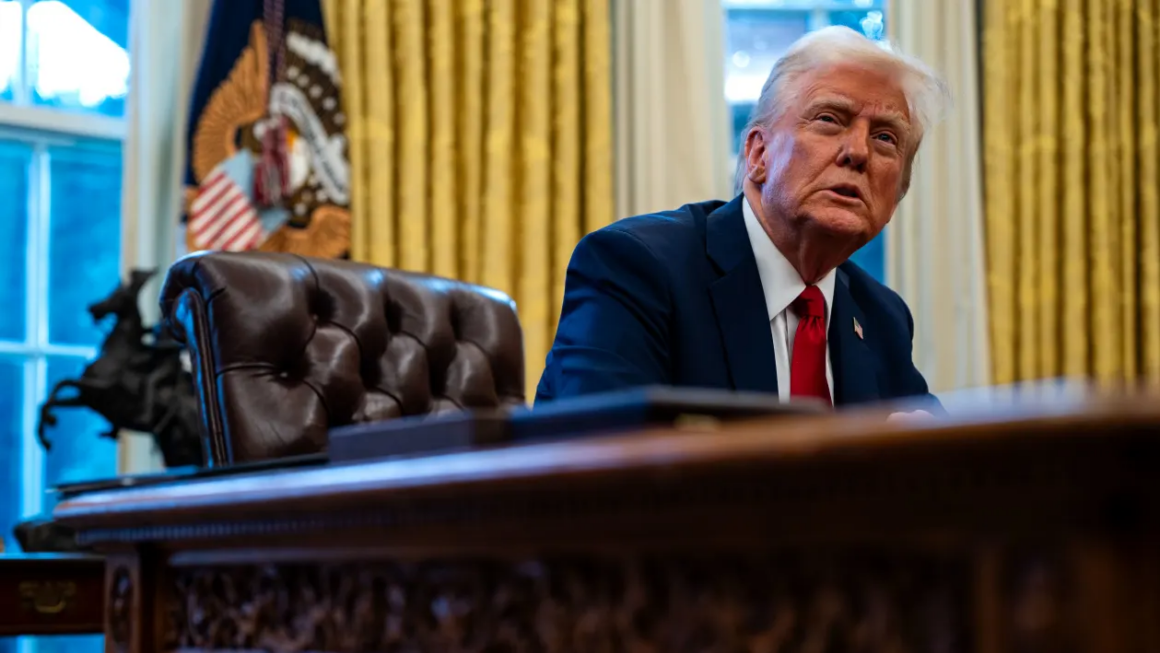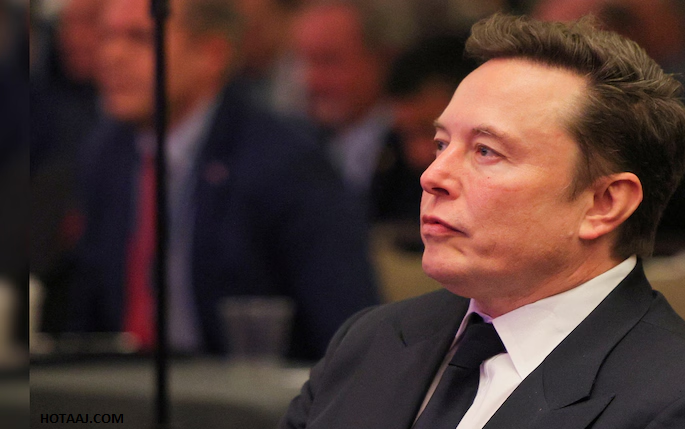




This follows Trump’s remark calling India, China, and Brazil “tremendous tariff makers.”

India May Cut Tariffs on High-End US Goods Amid Trump’s Trade Remarks
India is considering reducing import duties on select high-end goods from the United States, including a special type of steel, luxury motorcycles, and electronic items, sources told NDTV Profit on Wednesday. The move is unlikely to significantly impact domestic industries and could be officially announced on Saturday when Union Finance Minister Nirmala Sitharaman presents the budget.
Currently, India imposes tariffs exceeding 100% on 20 US imports. A reduction in these duties may ease trade tensions between the two nations.
This development follows US President Donald Trump’s recent criticism of India, China, and Brazil—key members of the BRICS bloc—whom he labeled “tremendous tariff makers.” Addressing House Republicans, Trump vowed to end what he sees as unfair trade practices, stating, “We’re not going to let that happen any longer… we’re going to put America first.”
The potential tariff cuts signal India’s strategic approach to balancing trade relations while maintaining its economic interests.
India May Cut Tariffs on High-End US Imports Amid Trump’s Criticism
India is considering reducing import duties on select high-end goods from the United States, including a special type of steel, luxury motorcycles, and electronic items, sources told NDTV Profit on Wednesday. The move, expected to have minimal impact on domestic industries, could be officially announced on Saturday, when Union Finance Minister Nirmala Sitharaman presents the Union Budget.
Currently, India imposes tariffs exceeding 100% on 20 US imports, including premium consumer and industrial goods. A reduction in these duties could ease trade tensions and foster stronger economic ties between the two nations.
Trump’s Trade Criticism and India’s Response
This development comes a day after US President Donald Trump criticized India, China, and Brazil—three founding members of the BRICS bloc—labeling them “tremendous tariff makers.” Speaking to House Republicans, Trump pledged to take action against what he perceives as unfair trade policies, stating:
“We’re not going to let that happen any longer… we’re going to put America first.”
Trump has repeatedly accused countries, including India, of imposing high tariffs on American exports while benefiting from preferential trade terms. His remarks signal a potential hardening of US trade policy should he return to office, raising concerns about future trade negotiations.
Strategic Move by India
India’s decision to consider duty reductions could be seen as a strategic economic and diplomatic move, aimed at maintaining favorable trade relations with the US while safeguarding domestic industries.
- The steel sector has been a key point of contention, with the US imposing tariffs on Indian steel and aluminum under Section 232 of the Trade Expansion Act.
- Luxury motorcycles, particularly those manufactured by Harley-Davidson, have also been a long-standing trade issue between the two countries.
- Electronics, including high-end consumer gadgets, have seen rising tariffs in recent years as India pushes for domestic manufacturing under the Make in India initiative.
While the final decision will be revealed in the budget announcement, this move indicates India’s willingness to engage in trade diplomacy while addressing concerns raised by global economic partners.
This statement underscores Trump’s firm stance on trade policies, as he vowed to impose tariffs on countries he believes engage in unfair trade practices. Calling China a “tremendous tariff-maker” and grouping India and Brazil in the same category, Trump emphasized his commitment to protecting American interests by ensuring reciprocal trade terms. His remarks, delivered to cheers from House Republicans, signal a potential escalation in US trade policy should he return to office, with a focus on “putting America first.”
Trump Renews Tariff Criticism on India, China, and Brazil Ahead of Modi’s US Visit
Former US President Donald Trump has once again taken aim at India, China, and Brazil over what he calls “high tariffs” imposed on American goods. His remarks on Tuesday echoed similar statements made in September, as part of his campaign rhetoric leading up to the November 2024 election.
“We’re going to do reciprocal trade. If anybody charges us 10 cents (in duties)… if they charge us $2… if they charge us 100% or 250%, we charge them the same thing,” Trump told his supporters, reinforcing his stance on trade protectionism.
Trump Calls India, China & Brazil “Tough” on Trade
Trump, who has long accused India, China, and Brazil of unfair trade practices, described them as “the sharpest” players in global trade who “use it against the US.”
- “India is very tough. Brazil is very tough. China is the toughest of all… but we’re taking care of China with the tariffs,” he declared, reiterating his hardline approach.
These statements come at a crucial time, as Indian Prime Minister Narendra Modi is scheduled to visit the United States once again, just days after Trump’s latest “tremendous tariff-makers” remark. A similar verbal attack was made in September 2023, just days before Modi’s last visit—although at the time, Joe Biden was still President.
Impact on India-US Trade Relations
India and the US have historically engaged in trade disputes, particularly over:
- Tariffs on US goods such as luxury motorcycles, agricultural products, and electronic items.
- Steel and aluminum trade restrictions, where the US has imposed duties on Indian exports under Section 232.
- Pharmaceuticals and IT services, which remain key areas of economic cooperation and contention.
Despite these tensions, India and the US have strengthened economic ties in recent years, with New Delhi taking steps to reduce tariffs on select high-end goods and promote bilateral trade agreements.
With Modi’s upcoming US visit, it remains to be seen how Trump’s latest trade threats will influence future discussions and whether India will take further steps to address tariff concerns while maintaining its economic interests.
Trump Slams India, China, and Brazil Over ‘High Tariffs’ Ahead of Modi’s US Visit
Former US President Donald Trump has once again criticized India, China, and Brazil for what he calls excessively high tariffs on American goods. Speaking to his supporters on Tuesday, Trump reiterated his promise of “reciprocal trade”, saying:
“We’re going to do reciprocal trade. If anybody charges us 10 cents (in duties)… if they charge us $2… if they charge us 100% or 250%, we charge them the same thing.”
His remarks mirror similar statements made in September 2023, ahead of Prime Minister Narendra Modi’s previous US visit. Now, with Modi set to visit the US again, Trump’s renewed attack on “tremendous tariff-makers” signals a potential escalation in trade tensions should he return to office.
Trump Calls India ‘Very Tough’ on Trade, Singles Out China
Trump, who has frequently accused other nations of taking advantage of American trade policies, singled out India, China, and Brazil as countries that impose unfair tariffs on US goods.
“These people (referring to Indians, Chinese, and Brazilians) are the sharpest… they use it against us. But India is very tough. Brazil is very tough… China is the toughest of all… but we’re taking care of China with the tariffs.”
His rhetoric highlights his long-standing stance that America has been at a disadvantage in global trade, and he vowed to impose matching tariffs if re-elected.
India-US Trade Relations Under Scrutiny
India has been at the center of US trade concerns, particularly due to:
- High tariffs on US imports: India currently imposes duties exceeding 100% on 20 American goods, including luxury motorcycles, a special type of steel, and electronic items.
- Steel and aluminum disputes: The US imposed tariffs on Indian steel and aluminum under Section 232, sparking retaliatory measures from India.
- Pharmaceutical and IT services friction: While India remains a key supplier of generic medicines and software services to the US, issues such as patent rights and outsourcing policies have created trade disputes.
However, bilateral trade between India and the US has grown significantly, with both nations engaging in diplomatic efforts to ease tariff concerns and expand economic cooperation.
Modi’s US Visit: What’s at Stake?
Modi’s upcoming US visit will be closely watched for any policy shifts in India-US trade relations. While Trump’s remarks could add pressure on trade negotiations, India has already taken steps to reduce some import duties on US goods—though not at a scale likely to fully satisfy Washington.
As the US presidential elections draw closer, Trump’s “America First” agenda is expected to bring trade tariffs back into the spotlight, raising questions about how India will navigate its economic and strategic ties with the US in the months ahead.
Trump Threatens 100% Tariffs on BRICS Nations, Pushes ‘America First’ Economic Model
Former US President Donald Trump has once again escalated his rhetoric on tariffs, warning of 100% duties on BRICS nations—Brazil, Russia, India, China, and South Africa—as part of his broader plan to boost US manufacturing and deter moves away from the US dollar as a global trade currency.
Tariffs: Trump’s Key Economic Weapon
Trump’s latest tariff tirade, particularly against China, India, and Brazil, is seen as a core pillar of his 2024 campaign strategy. He has repeatedly criticized high tariffs imposed on American goods and now threatens to match or exceed those duties if elected.
“Under the ‘America First’ economic model, as tariffs on other countries go up, taxes on American workers and businesses will come down, and massive numbers of jobs and factories will come home,” Trump declared, outlining his economic vision.
By marking up prices on imported commodities—such as steel, semiconductors, and medicines—Trump aims to push domestic manufacturing and reduce reliance on foreign supply chains.
Targeting BRICS: A Response to De-Dollarization?
Trump’s warning of 100% tariffs on BRICS nations also comes amid growing discussions within the bloc to reduce dependence on the US dollar in global trade. Recent BRICS summits have explored the possibility of a common currency, which could undermine the dollar’s dominance in international markets.
Trump’s economic hardline stance suggests he sees tariffs as a tool not just for trade protectionism but also for geopolitical influence, ensuring the US remains the world’s dominant economic power.
What This Means for India
India, which has sought to balance its BRICS commitments with strong economic ties to the US, now faces a potential dilemma:
- Increased tariffs on Indian exports to the US, particularly in pharmaceuticals, IT services, and steel, could impact Indian businesses.
- Pressure to align with US economic policies while maintaining its role in BRICS.
- Uncertainty in trade relations, as Trump’s policy shifts could disrupt existing agreements.
With Prime Minister Narendra Modi’s upcoming US visit, trade discussions will likely take center stage. Whether India will make further tariff concessions or push back against Trump’s protectionist stance remains to be seen.
As US elections approach, Trump’s aggressive trade rhetoric signals a potential reshaping of global economic policies, with India and other BRICS nations caught in the crosshairs.
Trump’s Tariff War: India, China, and Brazil in the Crosshairs
Former US President Donald Trump has reignited his tariff war rhetoric, warning of 100% duties on BRICS nations—Brazil, Russia, India, China, and South Africa—as part of his “America First” economic model. His latest comments come amid growing concerns in Washington over BRICS’ plans to challenge the US dollar’s dominance in global trade.
Trump’s Tariff Strategy: Aimed at Reviving US Manufacturing
Trump has long argued that high tariffs on imports—particularly from China—will boost domestic production and create millions of American jobs. Speaking to House Republicans, he doubled down on this stance, saying:
“We’re going to put tariffs on outside countries and people that really mean harm to us. China is a tremendous tariff-maker, and India, Brazil, and so many other countries. We’re not going to let that happen any longer… because we’re going to put America first.”
His strategy hinges on making foreign imports expensive, forcing US businesses to source locally. By increasing duties on critical commodities—such as steel, semiconductors, and pharmaceuticals—he hopes to revive American manufacturing and reduce reliance on global supply chains.
India and BRICS: Caught in the Tariff Crossfire
Trump’s threats of 100% tariffs on BRICS nations are not just about trade imbalances—they are also linked to the bloc’s growing economic independence. BRICS leaders have discussed reducing US dollar dependency, potentially introducing an alternative currency for trade.
For India, the stakes are high:
- Trade tensions with the US could affect key exports like pharmaceuticals, IT services, and steel.
- Growing BRICS cooperation may increase pressure to diversify trade beyond the US.
- A shift in US policy could lead to higher costs for Indian businesses that rely on US imports.
Despite the tariff tensions, India and the US continue to have strong trade and diplomatic ties. Prime Minister Narendra Modi’s upcoming US visit will be a key moment to navigate these challenges.
Will Trump’s Tariffs Reshape Global Trade?
With Trump making tariffs a central part of his 2024 campaign, world economies—including India—must prepare for potential trade shifts. His “America First” policy could disrupt global markets, but whether it will strengthen the US economy or trigger a global trade war remains to be seen.
Trump’s Tariff Tactics: Economic Weapon or Trade Strategy?
Former US President Donald Trump has once again emphasized tariffs as a weapon, using them not just for economic protectionism but also as a political tool. His latest clash with Colombia over immigration deportations highlights this shift, as he seeks to pressure nations through trade restrictions.
Trump vs. Colombia: Tariffs as Leverage
Recently, Colombia refused to accept a deportation flight carrying undocumented immigrants from the US. In response, Trump threatened tariffs on Colombian goods, signaling that economic measures could be used to enforce US immigration policies.
This approach follows a pattern:
- Mexico (2019): Trump threatened 5% tariffs on Mexican imports to force a crackdown on migrants crossing into the US.
- China (2018-2020): A trade war with billions in tariffs was aimed at reducing the US trade deficit and pressuring China over intellectual property theft.
- India, Brazil, and BRICS (2024): Trump now warns of 100% tariffs, citing unfair trade practices and the bloc’s move toward de-dollarization.
Tariffs as a Political Tool
Trump’s tariff-first strategy suggests he views them not just as an economic policy, but as a means to influence global decisions. Whether it’s immigration enforcement or trade realignment, he appears willing to use tariffs as a bargaining chip in US foreign policy.
Global Impact: India and BRICS in Focus
For countries like India, Brazil, and China, Trump’s escalating tariff threats signal a more aggressive US stance if he wins the 2024 election.
- For India: Potential tariff hikes on steel, pharmaceuticals, and IT services could strain trade ties.
- For BRICS: US tariffs may be aimed at slowing the bloc’s economic influence and deterring moves away from the US dollar.
As Trump continues to weaponize tariffs, world economies must prepare for disruptions in trade and diplomatic shifts that could reshape global economic alliances.
Trump’s Tariff Strategy: A Political Weapon for Global Leverage
Former US President Donald Trump has continued to view tariffs as a powerful tool, not just for trade policy but as a strategic weapon to influence global politics. His recent clash with Colombia over deportations exemplifies how he uses tariffs to enforce US domestic policies and pressure other nations into compliance. This approach extends beyond economic protectionism to encompass foreign relations, with far-reaching consequences for countries like India, Brazil, China, and other members of the BRICS bloc.
Trump’s Immigration Crisis: Using Tariffs as a Bargaining Chip
Trump’s ongoing tension with Colombia serves as a stark reminder of how tariffs can be deployed for non-trade purposes. After Colombia initially refused to accept a US deportation flight carrying undocumented immigrants, Trump responded by threatening to impose tariffs on Colombian goods. This incident highlights Trump’s willingness to use economic pressure to force other countries into alignment with US policy goals, even when the issue at hand has little to do with trade.
This approach is not new for Trump, as he has previously leveraged tariffs in other diplomatic contexts, including:
- Mexico (2019): Trump used tariffs as leverage in negotiations over immigration policies, threatening 5% tariffs unless Mexico took stronger actions to prevent migrants from crossing into the US.
- China (2018-2020): Trump’s trade war involved tariffs on billions of dollars worth of Chinese goods, designed to address intellectual property theft, the trade deficit, and other grievances.
- BRICS Nations (2024): Trump has renewed his threats of 100% tariffs on countries like India, Brazil, and China as part of his broader strategy to reassert US economic dominance and counter BRICS efforts to reduce reliance on the US dollar.
Tariffs as Geopolitical Leverage: A New Era of Economic Diplomacy
For Trump, tariffs are not just tools of economic protectionism; they are a way to assert US power and pressure other nations into political or diplomatic concessions. This tariff-first approach underscores his belief in using trade policies to exert political influence across a wide range of issues, from immigration enforcement to foreign economic practices.
In Trump’s view, imposing tariffs on targeted nations can send a clear signal that the US is willing to use economic might to achieve its goals, be it through trade realignment or forcing compliance with domestic policies. Whether addressing immigration concerns, challenging economic policies in BRICS countries, or protecting US industries from foreign competition, Trump’s tariff threats make it clear that his economic diplomacy aims to reshape global trade relations according to America’s priorities.
What This Means for India and BRICS
For countries like India, Brazil, and China, Trump’s escalating use of tariffs places them squarely in the crosshairs of a US trade agenda that seeks to exert control over global economic trends. These nations must now navigate an environment in which tariffs are increasingly viewed not just as economic tools, but as political leverage to extract policy changes.
- India could face higher duties on key exports like pharmaceuticals, IT services, and steel, which are integral to its trade relationship with the US.
- BRICS countries may be forced to reconsider their economic strategies as they move away from the dollar and pursue greater independence in global trade, while also dealing with the threat of US tariffs aimed at curbing their economic rise.
The Path Forward: Tariffs as the Future of Trade Relations
Trump’s emphasis on tariffs as a weapon signals a potential shift in how global trade relations will evolve in the coming years. As nations like India, Brazil, and China brace for more aggressive economic policies, the global community will need to rethink traditional trade diplomacy. Tariffs may no longer be just a tool for managing trade deficits; they will likely become central to how countries navigate geopolitical tensions in the 21st century.
As Trump prepares for another presidential run, his ongoing use of tariffs promises to remain a defining feature of his foreign policy agenda—one that could reshape not only US trade but global alliances for years to come.
Trump’s Economic Pressure Tactics: A Lesson in Tariffs and Diplomacy
In a move that underscores the power of tariffs as a diplomatic tool, the Trump administration imposed a 25% tariff on goods imported from Colombia after the South American country initially refused to accept a US deportation flight carrying undocumented immigrants. This stark demonstration of economic leverage forced Colombian President Gustavo Petro to relent, highlighting how trade measures can be used to compel nations to align with US domestic policies.
Tariffs as Political Leverage
Trump’s 25% tariff on Colombian goods was a direct response to Colombia’s decision to resist deportation agreements, making it clear that economic pressure would be used to enforce US immigration policies. The tariff hike acted as a powerful tool of persuasion, forcing Petro’s government to reverse its stance, much like Trump’s previous tariff actions with Mexico.
- Mexico (2019): Trump threatened tariffs to encourage Mexico to stem the flow of migrants into the US, resulting in Mexico’s compliance with US demands.
- China (2018-2020): Trump employed tariffs to address issues like intellectual property theft and the trade deficit, even escalating the dispute to force China into a trade deal.
Trump’s Global Message: Economic Power and Consequences
After forcing Colombia to concede, Trump declared that the world would do well to observe this exchange, signaling to other nations that the US is prepared to use tariffs as a negotiating tool in a range of issues, not just trade. By weaponizing trade tariffs, Trump seeks to reshape global diplomacy, suggesting that countries which challenge US interests—whether through immigration policies or economic practices—will face economic consequences.
This use of tariffs demonstrates Trump’s belief in the principle of reciprocal trade: if another country imposes tariffs or adopts policies harmful to the US, the US will retaliate with even higher tariffs. His approach not only impacts trade relations but also positions tariffs as a tool of broader geopolitical influence.
Lessons for the Global Community
Trump’s use of tariffs as leverage underscores a shift in how trade policies are viewed, moving beyond economic considerations into the realm of political and diplomatic strategy. Countries like Colombia, Mexico, and China have been forced to reconsider their policies in light of potential economic penalties from the US.
The Colombian example also serves as a cautionary tale for other nations. Economic cooperation with the US may increasingly come with the expectation of compliance with US domestic agendas, whether related to immigration, trade, or foreign policy priorities.
For the world, the message is clear: the US will no longer shy away from using tariffs as an instrument of power to assert its position on the global stage, and the consequences of non-compliance could be felt in domestic economies worldwide.
Courtesy: The Indian Express
References
- ^ Kranish & Fisher 2017, pp. 30, 37.
- ^ Kranish & Fisher 2017, p. v.
- ^ Horowitz, Jason (September 22, 2015). “Donald Trump’s Old Queens Neighborhood Contrasts With the Diverse Area Around It”. The New York Times. Retrieved November 7, 2018.
- ^ Jump up to:a b Buettner & Craig 2024, pp. 30–31.
- ^ Kranish & Fisher 2017, pp. 33, 38, 45.
- ^ Kranish & Fisher 2017, pp. 45–48.
- ^ “Two Hundred and Twelfth Commencement for the Conferring of Degrees” (PDF). University of Pennsylvania. May 20, 1968. pp. 19–21. Retrieved March 31, 2023.
- ^ Mahler, Jonathan; Eder, Steve (August 27, 2016). “‘No Vacancies’ for Blacks: How Donald Trump Got His Start, and Was First Accused of Bias”. The New York Times. Retrieved January 13, 2018.
- ^ Jump up to:a b Rich, Frank (April 30, 2018). “The Original Donald Trump”. New York. Retrieved May 8, 2018.
- ^ Blair 2015, p. 250.
- ^ Mahler, Jonathan; Flegenheimer, Matt (June 20, 2016). “What Donald Trump Learned From Joseph McCarthy’s Right-Hand Man”. The New York Times. Retrieved May 26, 2020.
- ^ Jump up to:a b 1634–1699: McCusker, J. J. (1997). How Much Is That in Real Money? A Historical Price Index for Use as a Deflator of Money Values in the Economy of the United States: Addenda et Corrigenda (PDF). American Antiquarian Society. 1700–1799: McCusker, J. J. (1992). How Much Is That in Real Money? A Historical Price Index for Use as a Deflator of Money Values in the Economy of the United States (PDF). American Antiquarian Society. 1800–present: Federal Reserve Bank of Minneapolis. “Consumer Price Index (estimate) 1800–”. Retrieved February 29, 2024.
- ^ Kranish, Michael; O’Harrow, Robert Jr. (January 23, 2016). “Inside the government’s racial bias case against Donald Trump’s company, and how he fought it”. The Washington Post. Retrieved January 7, 2021.
- ^ Johnston 2016, pp. 45–46.
- ^ Brenner, Marie (June 28, 2017). “How Donald Trump and Roy Cohn’s Ruthless Symbiosis Changed America”. Vanity Fair. Retrieved May 26, 2020.
- ^ Qiu, Linda (June 21, 2016). “Yep, Donald Trump’s companies have declared bankruptcy…more than four times”. PolitiFact. Retrieved May 25, 2023.
- ^ Jump up to:a b Barstow, David; Craig, Susanne; Buettner, Russ (October 2, 2018). “Trump Engaged in Suspect Tax Schemes as He Reaped Riches From His Father”. The New York Times. Retrieved October 2, 2018.
- ^ Handy, Bruce (April 1, 2019). “Trump Once Proposed Building a Castle on Madison Avenue”. The Atlantic. Retrieved July 28, 2024.
- ^ Nevius, James (April 3, 2019). “The winding history of Donald Trump’s first major Manhattan real estate project”. Curbed.
- ^ Kessler, Glenn (March 3, 2016). “Trump’s false claim he built his empire with a ‘small loan’ from his father”. The Washington Post. Retrieved September 29, 2021.
- ^ Kranish & Fisher 2017, p. 84.
- ^ Geist, William E. (April 8, 1984). “The Expanding Empire of Donald Trump”. The New York Times Magazine. Retrieved September 29, 2021.
- ^ Jump up to:a b Haberman, Maggie (October 31, 2019). “Trump, Lifelong New Yorker, Declares Himself a Resident of Florida”. The New York Times. Retrieved January 24, 2020.
- ^ “Trump Revises Plaza Loan”. The New York Times. November 4, 1992. Retrieved May 23, 2023.
- ^ “Trump’s Plaza Hotel Bankruptcy Plan Approved”. The New York Times. Reuters. December 12, 1992. Retrieved May 24, 2023.
- ^ Jump up to:a b Segal, David (January 16, 2016). “What Donald Trump’s Plaza Deal Reveals About His White House Bid”. The New York Times. Retrieved May 3, 2022.
- ^ Stout, David; Gilpin, Kenneth N. (April 12, 1995). “Trump Is Selling Plaza Hotel To Saudi and Asian Investors”. The New York Times. Retrieved July 18, 2019.
- ^ Kranish & Fisher 2017, p. 298.
- ^ Bagli, Charles V. (June 1, 2005). “Trump Group Selling West Side Parcel for $1.8 billion”. The New York Times. Retrieved May 17, 2016.
- ^ Kiel, Paul; Buettner, Russ (May 11, 2024). “IRS Audit of Trump Could Cost Former President More Than $100 Million”. ProPublica. Retrieved August 26, 2024.
- ^ Jump up to:a b c d McQuade, Dan (August 16, 2015). “The Truth About the Rise and Fall of Donald Trump’s Atlantic City Empire”. Philadelphia. Retrieved March 21, 2016.
- ^ Kranish & Fisher 2017, p. 128.
- ^ Saxon, Wolfgang (April 28, 1986). “Trump Buys Hilton’s Hotel in Atlantic City”. The New York Times. Retrieved May 25, 2023.
- ^ “Trump’s Castle and Plaza file for bankruptcy”. United Press International. March 9, 1992. Retrieved May 25, 2023.
- ^ “Company News; Taj Mahal is out of Bankruptcy”. The New York Times. October 5, 1991. Retrieved May 22, 2008.
- ^ O’Connor, Claire (May 29, 2011). “Fourth Time’s A Charm: How Donald Trump Made Bankruptcy Work For Him”. Forbes. Retrieved January 27, 2022.
- ^ Norris, Floyd (June 7, 1995). “Trump Plaza casino stock trades today on Big Board”. The New York Times. Retrieved December 14, 2014.
- ^ Tully, Shawn (March 10, 2016). “How Donald Trump Made Millions Off His Biggest Business Failure”. Fortune. Retrieved May 6, 2018.
- ^ Peterson-Withorn, Chase (April 23, 2018). “Donald Trump Has Gained More Than $100 Million On Mar-a-Lago”. Forbes. Retrieved July 4, 2018.
- ^ Dangremond, Sam; Kim, Leena (December 22, 2017). “A History of Mar-a-Lago, Donald Trump’s American Castle”. Town & Country. Retrieved July 3, 2018.
- ^ Garcia, Ahiza (December 29, 2016). “Trump’s 17 golf courses teed up: Everything you need to know”. CNN Money. Retrieved January 23, 2025.
- ^ “Take a look at the golf courses owned by Donald Trump”. Golfweek. July 24, 2020. Retrieved July 7, 2021.
- ^ Jump up to:a b Anthony, Zane; Sanders, Kathryn; Fahrenthold, David A. (April 13, 2018). “Whatever happened to Trump neckties? They’re over. So is most of Trump’s merchandising empire”. The Washington Post. Retrieved September 29, 2021.
- ^ Williams, Aaron; Narayanswamy, Anu (January 25, 2017). “How Trump has made millions by selling his name”. The Washington Post. Retrieved December 12, 2017.
- ^ Paulson, Michael (March 6, 2016). “For a Young Donald J. Trump, Broadway Held Sway”. The New York Times. Retrieved March 7, 2016.
- ^ Markazi, Arash (July 14, 2015). “5 things to know about Donald Trump’s foray into doomed USFL”. ESPN. Retrieved September 30, 2021.
- ^ O’Donnell & Rutherford 1991, p. 137–143.
- ^ Hogan, Kevin (April 10, 2016). “The Strange Tale of Donald Trump’s 1989 Biking Extravaganza”. Politico Magazine. Retrieved April 12, 2016.
- ^ Jump up to:a b Buettner, Russ; Craig, Susanne (May 7, 2019). “Decade in the Red: Trump Tax Figures Show Over $1 Billion in Business Losses”. The New York Times. Retrieved May 8, 2019.
- ^ Mattingly, Phil; Jorgensen, Sarah (August 23, 2016). “The Gordon Gekko era: Donald Trump’s lucrative and controversial time as an activist investor”. CNN. Retrieved September 14, 2022.
- ^ Peterson, Barbara (April 13, 2017). “The Crash of Trump Air”. The Daily Beast. Retrieved May 17, 2023.
- ^ “10 Donald Trump Business Failures”. Time. October 11, 2016. Retrieved May 17, 2023.
- ^ Haberman 2022, pp. 129–130.
- ^ Rutenberg, Jim (June 22, 2002). “Three Beauty Pageants Leaving CBS for NBC”. The New York Times. Retrieved August 14, 2016.
- ^ de Moraes, Lisa (June 22, 2002). “There She Goes: Pageants Move to NBC”. The Washington Post. Retrieved August 14, 2016.
- ^ Zara, Christopher (October 26, 2016). “Why the heck does Donald Trump have a Walk of Fame star, anyway? It’s not the reason you think”. Fast Company. Retrieved June 16, 2018.
- ^ Puente, Maria (June 29, 2015). “NBC to Donald Trump: You’re fired”. USA Today. Retrieved July 28, 2015.
- ^ D’Antonio 2015, pp. 281–282.
- ^ D’Antonio 2015, pp. 282–283.
- ^ Eder, Steve (November 18, 2016). “Donald Trump Agrees to Pay $25 Million in Trump University Settlement”. The New York Times. Retrieved November 18, 2016.
- ^ Tigas, Mike; Wei, Sisi (May 9, 2013). “Nonprofit Explorer”. ProPublica. Retrieved September 9, 2016.
- ^ Jump up to:a b Fahrenthold, David A. (September 10, 2016). “How Donald Trump retooled his charity to spend other people’s money”. The Washington Post. Retrieved March 19, 2024.
- ^ Pallotta, Frank (August 18, 2022). “Investigation into Vince McMahon’s hush money payments reportedly turns up Trump charity donations”. CNN. Retrieved March 19, 2024.
- ^ Solnik, Claude (September 15, 2016). “Taking a peek at Trump’s (foundation) tax returns”. Long Island Business News. Retrieved September 30, 2021.
- ^ Cillizza, Chris; Fahrenthold, David A. (September 15, 2016). “Meet the reporter who’s giving Donald Trump fits”. The Washington Post. Retrieved June 26, 2021.
- ^ Fahrenthold, David A. (October 3, 2016). “Trump Foundation ordered to stop fundraising by N.Y. attorney general’s office”. The Washington Post. Retrieved May 17, 2023.
- ^ Jacobs, Ben (December 24, 2016). “Donald Trump to dissolve his charitable foundation after mounting complaints”. The Guardian. Retrieved December 25, 2016.
- ^ Thomsen, Jacqueline (June 14, 2018). “Five things to know about the lawsuit against the Trump Foundation”. The Hill. Retrieved June 15, 2018.
- ^ Goldmacher, Shane (December 18, 2018). “Trump Foundation Will Dissolve, Accused of ‘Shocking Pattern of Illegality'”. The New York Times. Retrieved May 9, 2019.
- ^ Katersky, Aaron (November 7, 2019). “President Donald Trump ordered to pay $2M to collection of nonprofits as part of civil lawsuit”. ABC News. Retrieved November 7, 2019.
- ^ “Donald Trump: Three decades, 4,095 lawsuits”. USA Today. Retrieved April 17, 2018.
- ^ Jump up to:a b Winter, Tom (June 24, 2016). “Trump Bankruptcy Math Doesn’t Add Up”. NBC News. Retrieved February 26, 2020.
- ^ Flitter, Emily (July 17, 2016). “Art of the spin: Trump bankers question his portrayal of financial comeback”. Reuters. Retrieved October 14, 2018.
- ^ Smith, Allan (December 8, 2017). “Trump’s long and winding history with Deutsche Bank could now be at the center of Robert Mueller’s investigation”. Business Insider. Retrieved October 14, 2018.
- ^ Riley, Charles; Egan, Matt (January 12, 2021). “Deutsche Bank won’t do any more business with Trump”. CNN. Retrieved September 14, 2022.
- ^ Stump, Scott (October 26, 2015). “Donald Trump: My dad gave me ‘a small loan’ of $1 million to get started”. CNBC. Retrieved November 13, 2016.
- ^ Barstow, David; Craig, Susanne; Buettner, Russ (October 2, 2018). “11 Takeaways From The Times’s Investigation into Trump’s Wealth”. The New York Times. Retrieved October 3, 2018.
- ^ Stracqualursi, Veronica (April 20, 2018). “Ex-Forbes reporter says Trump posed as executive, lied to him to crack Forbes 400 list”. CNN. Retrieved December 25, 2024.
- ^ Boyer, Dave (October 3, 2016). “Donald Trump revealed $900 million business loss in ’97 book”. The Washington Times. Retrieved December 18, 2024.
- ^ O’Brien 2005, p. 150–151.
- ^ Johnston 2021, p. 20.
- ^ LaFranco, Rob; Chung, Grace; Peterson-Withorn, Chase (2024). “Forbes World’s Billionaires List – The Richest in 2024”. Forbes. Retrieved January 20, 2025. – Enter “trump” in the search box.
- ^ Buncombe, Andrew (July 4, 2018). “Trump boasted about writing many books – his ghostwriter says otherwise”. The Independent. Retrieved October 11, 2020.
- ^ Mayer, Jane (July 18, 2016). “Donald Trump’s Ghostwriter Tells All”. The New Yorker. Retrieved June 19, 2017.
- ^ LaFrance, Adrienne (December 21, 2015). “Three Decades of Donald Trump Film and TV Cameos”. The Atlantic.
- ^ Kranish & Fisher 2017, p. 166.
- ^ Massie, Christopher; Kaczynski, Andrew (March 16, 2016). “There Are Hours Of Audio Of Donald Trump’s Nationally Syndicated Radio Show In The 2000s”. BuzzFeed. Retrieved December 6, 2024.
- ^ Grossmann, Matt; Hopkins, David A. (September 9, 2016). “How the conservative media is taking over the Republican Party”. The Washington Post. Retrieved October 19, 2018.
- ^ Rao, Sonia (February 4, 2021). “Facing expulsion, Trump resigns from the Screen Actors Guild: ‘You have done nothing for me'”. The Washington Post. Retrieved February 5, 2021.
- ^ Harmata, Claudia (February 7, 2021). “Donald Trump Banned from Future Re-Admission to SAG-AFTRA: It’s ‘More Than a Symbolic Step'”. People. Retrieved February 8, 2021.
- ^ Buettner & Craig 2024, p. 7, “Mark Burnett, the television producer who made Trump a star, did not just hand him a fortune.”.
- ^ Grynbaum, Michael M.; Parker, Ashley (July 16, 2016). “Donald Trump the Political Showman, Born on ‘The Apprentice'”. The New York Times. Retrieved July 8, 2018.
- ^ Nussbaum, Emily (July 24, 2017). “The TV That Created Donald Trump”. The New Yorker. Retrieved October 18, 2023.
- ^ Poniewozik, James (September 28, 2020). “Donald Trump Was the Real Winner of ‘The Apprentice'”. The New York Times. Retrieved October 18, 2023.
- ^ Jump up to:a b Gillin, Joshua (August 24, 2015). “Bush says Trump was a Democrat longer than a Republican ‘in the last decade'”. PolitiFact. Retrieved March 18, 2017.
- ^ “Trump Officially Joins Reform Party”. CNN. October 25, 1999. Retrieved December 26, 2020.
- ^ Oreskes, Michael (September 2, 1987). “Trump Gives a Vague Hint of Candidacy”. The New York Times. Retrieved February 17, 2016.
- ^ Butterfield, Fox (November 18, 1987). “Trump Urged To Head Gala Of Democrats”. The New York Times. Retrieved October 1, 2021.
- ^ Meacham 2016, p. 326.
- ^ Gass, Nick (November 6, 2015). “George W. Bush ‘surprised’ by dad’s criticism, author says”. Politico. Retrieved December 20, 2024.
- ^ Winger, Richard (December 25, 2011). “Donald Trump Ran For President in 2000 in Several Reform Party Presidential Primaries”. Ballot Access News. Retrieved October 1, 2021.
- ^ Clift, Eleanor (July 18, 2016). “The Last Time Trump Wrecked a Party”. The Daily Beast. Retrieved October 14, 2021.
- ^ Nagourney, Adam (February 14, 2000). “Reform Bid Said to Be a No-Go for Trump”. The New York Times. Retrieved December 26, 2020.
- ^ Jump up to:a b MacAskill, Ewen (May 16, 2011). “Donald Trump bows out of 2012 US presidential election race”. The Guardian. Retrieved February 28, 2020.
- ^ Bobic, Igor; Stein, Sam (February 22, 2017). “How CPAC Helped Launch Donald Trump’s Political Career”. HuffPost. Retrieved February 28, 2020.
- ^ Lerner, Adam B. (June 16, 2015). “The 10 best lines from Donald Trump’s announcement speech”. Politico. Retrieved June 7, 2018.
- ^ Graham, David A. (May 13, 2016). “The Lie of Trump’s ‘Self-Funding’ Campaign”. The Atlantic. Retrieved June 7, 2018.
- ^ Bump, Philip (March 23, 2016). “Why Donald Trump is poised to win the nomination and lose the general election, in one poll”. The Washington Post. Retrieved October 1, 2021.
- ^ Ohlemacher, Stephen (May 26, 2016). “Mister 1,237: North Dakota delegate puts Trump over the top”. AP News. Retrieved January 28, 2025.
- ^ McCammon, Sarah (August 10, 2016). “Donald Trump’s controversial speech often walks the line”. NPR News. Retrieved October 1, 2021.
- ^ Jump up to:a b “The ‘King of Whoppers’: Donald Trump”. FactCheck.org. December 21, 2015. Retrieved March 4, 2019.
- ^ Holan, Angie Drobnic; Qiu, Linda (December 21, 2015). “2015 Lie of the Year: the campaign misstatements of Donald Trump”. PolitiFact. Retrieved October 1, 2021.
- ^ Farhi, Paul (February 26, 2016). “Think Trump’s wrong? Fact checkers can tell you how often. (Hint: A lot.)”. The Washington Post. Retrieved October 1, 2021.
- ^ Walsh, Kenneth T. (August 15, 2016). “Trump: Media Is ‘Dishonest and Corrupt'”. U.S. News & World Report. Retrieved October 1, 2021.
- ^ Blake, Aaron (July 6, 2016). “Donald Trump is waging war on political correctness. And he’s losing”. The Washington Post. Retrieved October 1, 2021.
- ^ Hartig, Hannah; Lapinski, John; Psyllos, Stephanie (July 19, 2016). “Poll: Clinton and Trump Now Tied as GOP Convention Kicks Off”. NBC News. Retrieved October 1, 2021.
- ^ Levingston, Ivan (July 15, 2016). “Donald Trump officially names Mike Pence for VP”. CNBC. Retrieved October 1, 2021.
- ^ “Trump closes the deal, becomes Republican nominee for president”. Fox News. July 19, 2016. Retrieved October 1, 2021.
- ^ “US presidential debate: Trump won’t commit to accept election result”. BBC News. October 20, 2016. Retrieved October 27, 2016.
- ^ Johnson, Jenna (April 12, 2017). “Trump on NATO: ‘I said it was obsolete. It’s no longer obsolete.'”. The Washington Post. Retrieved November 26, 2019.
- ^ Edwards 2018, “On the campaign trail, Trump repeatedly called North Atlantic Treaty Organization (NATO) ‘obsolete'”.
- ^ Rucker, Philip; Costa, Robert (March 21, 2016). “Trump questions need for NATO, outlines noninterventionist foreign policy”. The Washington Post. Retrieved August 24, 2021.
- ^ “Trump’s promises before and after the election”. BBC News. September 19, 2017. Retrieved October 1, 2021.
- ^ “Donald Trump’s Mexico wall: Who is going to pay for it?”. BBC News. February 6, 2017. Retrieved December 9, 2017.
- ^ “Donald Trump emphasizes plans to build ‘real’ wall at Mexico border”. Canadian Broadcasting Corporation. August 19, 2015. Retrieved September 29, 2015.
- ^ Oh, Inae (August 19, 2015). “Donald Trump: The 14th Amendment is Unconstitutional”. Mother Jones. Retrieved November 22, 2015.
- ^ Schaffner, Brian F.; Macwilliams, Matthew; Nteta, Tatishe (March 2018). “Understanding White Polarization in the 2016 Vote for President: The Sobering Role of Racism and Sexism”. Political Science Quarterly. 133 (1): 9–34. doi:10.1002/polq.12737.
- ^ Wolf, Z. Byron (April 6, 2018). “Trump