

The Taliban has announced that all international and domestic nonprofit organizations employing women in Afghanistan will be shut down.
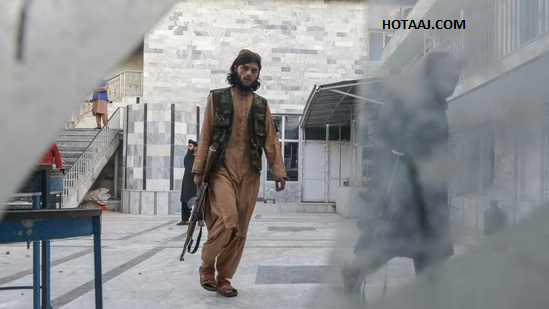
The Taliban has declared that it will shut down all national and international nongovernmental organizations (NGOs) in Afghanistan that employ women. This announcement marks a significant escalation in the regime’s ongoing crackdown on women’s rights. The Taliban’s directive follows a previous order, issued two years ago, demanding that NGOs suspend the employment of Afghan women.
At the time, the Taliban justified the suspension by claiming that women were not adhering to the Islamic headscarf requirements. This latest move is seen as part of a broader campaign to further restrict the role of women in public life, as the regime has steadily rolled back rights and freedoms that were gained over the past two decades.
The closure of NGOs, which play a crucial role in providing humanitarian aid, education, and health services in Afghanistan, will likely exacerbate the already dire situation in the country, particularly for women and girls. These organizations have been instrumental in supporting vulnerable populations, including displaced individuals, refugees, and those affected by poverty, famine, and conflict.
The Taliban’s decision has drawn widespread condemnation from international human rights groups, who have warned that this could lead to an even greater humanitarian crisis. The shutdown of NGOs, which often rely on female staff to deliver services to women and children, may severely impact their ability to operate in Afghanistan and meet the needs of the population.
As the international community grapples with how to respond to the Taliban’s policies, the fate of women in Afghanistan appears increasingly uncertain. The humanitarian aid that many Afghan women rely on could be severely disrupted, while the broader human rights situation continues to deteriorate.
In a letter published on X (formerly Twitter) Sunday night, the Taliban’s Economy Ministry warned that NGOs failing to comply with the latest order to stop employing women would have their licenses revoked. This harsh warning underscores the Taliban’s increasing restrictions on women’s rights and its determination to enforce the ban on female employees in both national and international NGOs operating in Afghanistan. The threat of losing their operating licenses adds significant pressure on these organizations, many of which rely on female staff to carry out essential humanitarian work.
The ministry stated that it is responsible for the registration, coordination, leadership, and supervision of all activities conducted by both national and foreign organizations in Afghanistan. This includes overseeing compliance with the Taliban’s directives, such as the recent ban on employing women. The ministry’s statement reinforces its control over NGO operations and its ability to enforce such policies, further consolidating the Taliban’s authority over civil society activities in the country.
According to the letter, the government has once again ordered the cessation of all female employment in institutions not controlled by the Taliban. The letter further stated, “In case of lack of cooperation, all activities of that institution will be cancelled, and the activity license of that institution, granted by the ministry, will also be cancelled.” This statement highlights the Taliban’s firm stance on restricting women’s roles in the workforce and their willingness to revoke licenses and shut down organizations that defy the directive.
The Taliban have already imposed widespread restrictions on women, barring them from many jobs and most public spaces. Additionally, they have excluded women and girls from education beyond the sixth grade, further curtailing their freedoms and opportunities. These actions are part of the Taliban’s broader strategy to limit women’s participation in public life and to enforce their interpretation of Islamic law. As a result, Afghan women continue to face severe limitations on their rights and autonomy under Taliban rule.
COURTESY: WION
References
- ^ “Document 77746”. Archived from the original on 3 June 2019. Retrieved 17 September 2021.
- ^ Tharoor, Ishaan (19 June 2013). “The Taliban’s Qatar Office: Are Prospects for Peace Already Doomed?”. Time. ISSN 0040-781X. Archived from the original on 19 August 2021. Retrieved 19 August 2021.
- ^ Islamic Republic of Afghanistan in Geonames.org (CC BY)
- ^ Jump up to:a b “Population Matters”. 3 March 2016. Archived from the original on 16 August 2021. Retrieved 18 September 2021.
- ^ Jump up to:a b “Afghanistan’s ethnic mosaic”. The Times of India. 23 August 2021. Archived from the original on 18 September 2021. Retrieved 18 September 2021.
- ^ Jump up to:a b “Afghanistan Population 2021”. World Population Review. 19 September 2021.
- ^ “Distribution of Afghan population by ethnic group 2020”. 20 August 2021. Archived from the original on 18 September 2021. Retrieved 18 September 2021.
- ^ Jump up to:a b “Afghan Ethnic Groups: A Brief Investigation”. 14 August 2011. Archived from the original on 18 September 2021. Retrieved 18 September 2021.
- ^ Dictionary.com. The American Heritage Dictionary of the English Language, Fourth Edition. Houghton Mifflin Company, 2004. Reference.com Archived 3 March 2016 at the Wayback Machine (Retrieved 13 November 2007).
- ^ Dictionary.com. WordNet 3.0. Princeton University. Reference.com (Retrieved 13 November 2007). Archived 28 March 2014 at the Wayback Machine
- ^ “Constitution of Afghanistan”. 2004. Archived from the original on 20 September 2016. Retrieved 16 February 2013.
- ^ Afghan | meaning in the Cambridge English Dictionary. the Cambridge English Dictionary. ISBN 9781107660151. Archived from the original on 3 March 2021. Retrieved 27 March 2020.
- ^
- Sakhi, Nilofar (December 2022). “The Taliban Takeover in Afghanistan and Security Paradox”. Journal of Asian Security and International Affairs. 9 (3): 383–401. doi:10.1177/23477970221130882. ISSN 2347-7970. S2CID 253945821.
Afghanistan is now controlled by a militant group that operates out of a totalitarian ideology.
- Madadi, Sayed (6 September 2022). “Dysfunctional centralization and growing fragility under Taliban rule”. Middle East Institute. Archived from the original on 28 November 2022. Retrieved 28 November 2022.
In other words, the centralized political and governance institutions of the former republic were unaccountable enough that they now comfortably accommodate the totalitarian objectives of the Taliban without giving the people any chance to resist peacefully.
- Sadr, Omar (23 March 2022). “Afghanistan’s Public Intellectuals Fail to Denounce the Taliban”. Fair Observer. Archived from the original on 23 March 2022. Retrieved 28 November 2022.
The Taliban government currently installed in Afghanistan is not simply another dictatorship. By all standards, it is a totalitarian regime.
- “Dismantlement of the Taliban regime is the only way forward for Afghanistan”. Atlantic Council. 8 September 2022. Archived from the original on 28 November 2022. Retrieved 28 November 2022.
As with any other ideological movement, the Taliban’s Islamic government is transformative and totalitarian in nature.
- Akbari, Farkhondeh (7 March 2022). “The Risks Facing Hazaras in Taliban-ruled Afghanistan”. George Washington University. Archived from the original on 14 January 2023. Retrieved 28 November 2022.
In the Taliban’s totalitarian Islamic Emirate of Afghanistan, there is no meaningful political inclusivity or representation for Hazaras at any level.
- Sakhi, Nilofar (December 2022). “The Taliban Takeover in Afghanistan and Security Paradox”. Journal of Asian Security and International Affairs. 9 (3): 383–401. doi:10.1177/23477970221130882. ISSN 2347-7970. S2CID 253945821.
- ^
- Choi, Joseph (8 September 2021). “EU: Provisional Taliban government does not fulfill promises”. The Hill. Archived from the original on 18 March 2022. Retrieved 18 March 2022.
- Bezhan, Frud (7 September 2021). “Key Figures In The Taliban’s New Theocratic Government”. Radio Farda. Radio Free Europe/Radio Liberty. Archived from the original on 6 February 2022. Retrieved 6 February 2022.
- George, Susannah (18 February 2023). “Inside the Taliban campaign to forge a religious emirate”. The Washington Post. Archived from the original on 18 February 2023. Retrieved 19 February 2023.
- ^ T. S. Tirumurti (26 May 2022). “Letter dated 25 May 2022 from the Chair of the Security Council Committee established pursuant to resolution 1988 (2011) addressed to the President of the Security Council” (PDF). United Nations Security Council. Retrieved 2 May 2023.
- ^ Kraemer, Thomas (27 November 2022). “Afghanistan dispatch: Taliban leaders issue new orders on law-making process, enforcement of court orders from previous government”. JURIST. Archived from the original on 17 January 2024. Retrieved 1 May 2023.
- ^ Dawi, Akmal (28 March 2023). “Unseen Taliban Leader Wields Godlike Powers in Afghanistan”. Voice of America. Archived from the original on 13 April 2023. Retrieved 1 May 2023.
- ^ Oxford Analytica (10 March 2023). “Senior Afghan Taliban figures move to curb leader”. Expert Briefings. Emerald Expert Briefings. oxan–db (oxan–db). doi:10.1108/OXAN-DB276639.
[Akhundzada] has not convened the Taliban’s Leadership Council (a ‘politburo’ of top leaders and commanders) for several months. Instead, he relies on the narrower Kandahar Council of Clerics for legal advice.
- ^ Central Statistics Office Afghanistan
- ^ Jump up to:a b *data provided by NSIA (Yearbook)*“Estimated population of Afghanistan by provinces and districts (July 2024) [pg.3]”. www.nsia.gov.af/home. National Statistics and Information Authority (NSIA). 28 October 2024. Retrieved 27 December 2024.
- ^ Jump up to:a b c d “World Economic Outlook Database, October 2024 Edition. (Afghanistan)”. www.imf.org. International Monetary Fund. 22 October 2024. Retrieved 27 December 2024.
- ^ “Human Development Report 2023/24”. United Nations Development Programme. 13 March 2024. Archived from the original on 19 March 2024. Retrieved 22 March 2023.
- ^ Human Development Report 2020 The Next Frontier: Human Development and the Anthropocene (PDF). United Nations Development Programme. 15 December 2020. pp. 343–346. ISBN 978-92-1-126442-5. Archived (PDF) from the original on 9 October 2022. Retrieved 16 December 2020.
- ^ “Half Hour and 45-Minute Time Zones”. timeanddate.com. Archived from the original on 15 February 2016. Retrieved 23 December 2022.
- ^ “Taliban Changes Solar Year to Hijri Lunar Calendar”. Hasht-e Subh Daily. 26 March 2022. Archived from the original on 4 September 2022. Retrieved 4 September 2022.
- ^ “Ministry of Home Affairs (Department of Border Management)” (PDF). Archived from the original (PDF) on 17 March 2015. Retrieved 1 September 2008.
- ^ Pillalamarri, Akhilesh. “Why Is Afghanistan the ‘Graveyard of Empires’?”. The Diplomat. Archived from the original on 11 August 2021. Retrieved 25 February 2022.
- ^ Griffin, Luke (14 January 2002). “The Pre-Islamic Period”. Afghanistan Country Study. Illinois Institute of Technology. Archived from the original on 3 November 2001. Retrieved 14 October 2010.
- ^ Cush, Denise; Robinson, Catherine; York, Michael (2012). Encyclopedia of Hinduism. Routledge. p. 200. ISBN 9781135189792.
- ^ “The remarkable rugs of war, Drill Hall Gallery”. The Australian. 30 July 2021. Archived from the original on 22 November 2021. Retrieved 22 November 2021.
- ^ “Professing Faith: Religious traditions in Afghanistan are diverse”. 16 September 2021. Archived from the original on 6 October 2021. Retrieved 1 November 2021.
- ^ “Afghanistan: the land that forgot time”. The Guardian. 26 October 2001. Archived from the original on 14 December 2021. Retrieved 14 December 2021.
- ^ “DŌST MOḤAMMAD KHAN”. Encyclopaedia Iranica. 1995. Archived from the original on 29 April 2011. Retrieved 8 February 2023.
- ^ Watkins, Andrew H. (November 2021). Cruickshank, Paul; Hummel, Kristina (eds.). “An Assessment of Taliban Rule at Three Months” (PDF). CTC Sentinel. 14 (9). West Point, New York: Combating Terrorism Center: 1–14. Archived (PDF) from the original on 29 November 2021. Retrieved 29 November 2021.
- ^ “The Taliban: Unrecognized and unrepentant”. Middle East Institute. Archived from the original on 18 October 2022. Retrieved 18 October 2022.
- ^ “Morocco seizes over 840 kg of cannabis – Xinhua | English.news.cn”. Xinhua News Agency. Archived from the original on 18 October 2022. Retrieved 18 October 2022.
- ^ “Afghanistan’s Saffron on Media | AfGOV”. mail.gov.af. Archived from the original on 8 April 2023. Retrieved 18 October 2022.
- ^ “Taliban Takeover Puts Afghanistan’s Cashmere, Silk Industries at Risk”. The Business of Fashion. 25 August 2021. Archived from the original on 18 October 2022. Retrieved 18 October 2022.
- ^
- “The name Afghan has evidently been derived from Asvakan, the Assakenoi of Arrian… ” (Megasthenes and Arrian, p 180. See also: Alexander’s Invasion of India, p 38; J.W. McCrindle).
- “Even the name Afghan is Aryan being derived from Asvakayana, an important clan of the Asvakas or horsemen who must have derived this title from their handling of celebrated breeds of horses” (See: Imprints of Indian Thought and Culture Abroad, p 124, Vivekananda Kendra Prakashan).
- Cf: “Their name (Afghan) means “cavalier” being derived from the Sanskrit, Asva, or Asvaka, a horse, and shows that their country must have been noted in ancient times, as it is at the present day, for its superior breed of horses. Asvaka was an important tribe settled north to Kabul river, which offered a gallant resistance but ineffectual resistance to the arms of Alexander.” (Scottish Geographical Magazine, 1999, p. 275, Royal Scottish Geographical Society)
- “Afghans are Assakani of the Greeks; this word being the Sanskrit Ashvaka meaning ‘horsemen’.” (Sva, 1915, p. 113, Christopher Molesworth Birdwood)
- Cf: “The name represents Sanskrit Asvaka in the sense of a cavalier, and this reappears scarcely modified in the Assakani or Assakeni of the historians of the expedition of Alexander” (Hobson-Jobson: A Glossary of Colloquial Anglo-Indian words and phrases, and of kindred terms, etymological. Henry Yule, A. D. Burnell).
- ^ Majumdar, Ramesh Chandra (1977) [1952]. Ancient India (Reprinted ed.). Motilal Banarsidass. p. 99. ISBN 978-8-12080-436-4.
- ^ Ch. M. Kieffer (15 December 1983). “Afghan”. Encyclopædia Iranica (online ed.). Columbia University. Archived from the original on 16 November 2013.
- ^ Vogelsang, Willem (2002). The Afghans. Wiley Blackwell. p. 18. ISBN 0-631-19841-5. Archived from the original on 9 July 2019. Retrieved 6 July 2019.
- ^ Nölle-Karimi, Christine (2020). “Afghanistan until 1747”. In Fleet, Kate; Krämer, Gudrun; Matringe, Denis; Nawas, John; Rowson, Everett (eds.). Encyclopaedia of Islam (3rd ed.). Brill Online. ISSN 1873-9830.
- ^ Lee 2019, p. 317.
- ^ Jump up to:a b Afghanistan – John Ford Shroder, University of Nebraska. Encarta. Archived from the original on 17 July 2004. Retrieved 19 May 2012.
- ^ “Afghanistan: A Treasure Trove for Archaeologists”. Time. 26 February 2009. Archived from the original on 26 July 2013. Retrieved 13 July 2011.
- ^ Rita Wright (2009). The Ancient Indus: Urbanism, Economy, and Society. Cambridge University Press. p. 1. ISBN 978-0521576529. Archived from the original on 28 June 2016. Retrieved 11 December 2019.
- ^ Kenoyer, Jonathan Mark (1998). Ancient cities of the Indus Valley Civilisation. pp.96
- ^ Louis Depree (1981). Notes on Shortugai: An Harappan Site in Northern Afghanistan. Centre for the Study of the Civilization of Central Asia.
- ^ Bryant, Edwin F. (2001) The quest for the origins of Vedic culture: the Indo-Aryan migration debate Oxford University Press, ISBN 978-0-19-513777-4.
- ^ “Chronological History of Afghanistan – the cradle of Gandharan civilisation”. Gandhara.com.au. 15 February 1989. Archived from the original on 9 September 2012. Retrieved 19 May 2012.
- ^ Jump up to:a b Gnoli, Gherado (1989). The Idea of Iran, an Essay on its Origin. Istituto italiano per il Medio ed Estremo Oriente. p. 133.
… he would have drawn inspiration from a ireligious policy which intended to counteract the Median Magi’s influence and transfer the ‘Avesta-Schule’ from Arachosia to Persia: thus the Avesta would have arrived in Persia through Arachosia in the 6th century B.C. […] Although … Arachosia would have been only a second fatherland for Zoroastrianism, a significant role should still be attributed to this south-eastern region in the history of the Zoroastrian tradition.
- ^ Jump up to:a b Gnoli, Gherado (1989). The Idea of Iran, an essay on its Origin. Istituto italiano per il Medio ed Estremo Oriente. p. 133.
linguistic data […] prove the presence of the Zoroastrian tradition in Arachosia both in the Achaemenian age, in the last quarter of the 6th century, and in the Seleucid age.
- ^ Jump up to:a b “ARACHOSIA – Encyclopaedia Iranica”. iranicaonline.org. Archived from the original on 23 May 2021. Retrieved 19 February 2021.
- ^ “Country Profile: Afghanistan” (PDF). Library of Congress Country Studies on Afghanistan. August 2008. Archived from the original (PDF) on 8 April 2014. Retrieved 10 October 2010.
- ^ Runion 2007, p. 44.
- ^ “‘Afghanistan and the Silk Road: The land at the heart of world trade’ by Bijan Omrani”. UNAMA. 8 March 2010. Archived from the original on 16 August 2021. Retrieved 17 June 2020.
- ^ “Afghanistan – Silk Roads Programme”. UNESCO. Archived from the original on 18 June 2021. Retrieved 17 June 2020.
- ^ Wink, André (2002). Al-Hind, the Making of the Indo-Islamic World: Early Medieval India and the Expansion of Islam 7Th-11th Centuries. BRILL. p. 125. ISBN 0-391-04173-8. Archived from the original on 1 December 2019. Retrieved 11 December 2019.
- ^ “Afghan and Afghanistan”. Abdul Hai Habibi. alamahabibi.com. 1969. Archived from the original on 23 October 2008. Retrieved 17 November 2015.
- ^ Charles Higham (2014). Encyclopedia of Ancient Asian Civilizations. Infobase Publishing. p. 141. ISBN 978-1-4381-0996-1.
- ^ Weber, Olivier; Unesco (2002). Eternal Afghanistan. Chêne. ISBN 978-92-3-103850-1.
Gradually there emerged a fabulous syncretism between the Hellenistic world and the Buddhist universe
- ^ Grenet, Grenet (2016). Zoroastriansm among the Kushans.
- ^ Jump up to:a b Allen, Charles (5 November 2015). The Search For Shangri-La: A Journey into Tibetan History. Little, Brown Book Group. ISBN 978-0-349-14218-0.
With Aurmuzd, Sroshard, Narasa and Mihr, we are on safer ground because all are Zoroastrian deities: Aurmuzd is the supreme god of light, Ahura Mazda; and Mihr, the sun god, is linked with the Iranian Mithra. Exactly the same non-Buddhist[…]
- ^ Gorder, A. Christian Van (2010). Christianity in Persia and the Status of Non-muslims in Iran. Rowman & Littlefield. ISBN 978-0-7391-3609-6.
- ^ Kennedy, Hugh (9 December 2010). The Great Arab Conquests: How the Spread of Islam Changed the World We Live In. Orion. ISBN 978-0-297-86559-9.
.. when the patriarch at Ctesiphon had to broker a compromise that left one bishop at the capital Zaranj and another further east at Bust, now in southern Afghanistan. A Christian text composed in about 850 also records a monastery of …
- ^ Yossef, Noam Bar’am-Ben (1998). Brides and Betrothals: Jewish Wedding Rituals in Afghanistan. Israel Museum. ISBN 978-965-278-223-6.
The Jews of Afghanistan According to tradition, the first Jews reached … in Hebrew script found in the Tang – e Azao Valley in the Ghor region …
- ^ Ende, Werner; Steinbach, Udo (15 April 2010). Islam in the World Today: A Handbook of Politics, Religion, Culture, and Society. Cornell University Press. p. 257. ISBN 9780801464898.
At the time of the first Muslim advances, numerous local natural religions were competing with Buddhism, Zoroastrianism, and Hinduism in the territory of modern Afghanistan.
- ^ Adrych, Philippa; coins), Robert Bracey (Writer on; Dalglish, Dominic; Lenk, Stefanie; Wood, Rachel (2017). Images of Mithra. Oxford University Press. ISBN 978-0-19-879253-6.
The Rabatak inscription includes Miiro amongst a list of gods: Nana, Ahura Mazda, and Narasa. All of these gods likely had images dedicated at the Bagolaggo, presumably alongside statues of Kanishka
- ^ Allen, Charles (5 November 2015). The Search For Shangri-La: A Journey into Tibetan History. Little, Brown Book Group. ISBN 978-0-349-14218-0.
The two most important deities are goddesses: one is the lady Nana’, daughter of the moon god and sister of the sun god, the Kushan form of Anahita, Zoroastrian goddess of fertility
- ^ “A.—The Hindu Kings of Kábul”. Sir H. M. Elliot. London: Packard Humanities Institute. 1867–1877. Archived from the original on 8 April 2014. Retrieved 18 September 2010.
- ^ Hamd-Allah Mustawfi of Qazwin (1340). “The Geographical Part of the NUZHAT-AL-QULUB”. Translated by Guy Le Strange. Packard Humanities Institute. Archived from the original on 26 July 2013. Retrieved 19 August 2011.
- ^ “A.—The Hindu Kings of Kábul (p.3)”. Sir H. M. Elliot. London: Packard Humanities Institute. 1867–1877. Archived from the original on 26 July 2013. Retrieved 18 September 2010.
- ^ Ewans 2002, p. 22–23.
- ^ Richard F. Strand (31 December 2005). “Richard Strand’s Nuristân Site: Peoples and Languages of Nuristan”. nuristan.info. Archived from the original on 1 April 2019. Retrieved 2 June 2019.
- ^ Richard Nyrop; Donald Seekins, eds. (1986). Afghanistan: A Country Study. Foreign Area Studies, The American University. p. 10.
- ^ Ewans 2002, p. 23.
- ^ “Central Asian world cities”. Faculty.washington.edu. 29 September 2007. Archived from the original on 23 July 2013. Retrieved 6 May 2012.
- ^ Page, Susan (18 February 2009). “Obama’s war: Deploying 17,000 raises stakes in Afghanistan”. USA Today. Archived from the original on 13 May 2011. Retrieved 19 May 2012.
- ^ Dale, Stephen Frederic (1998). “The Legacy of the Timurids”. Journal of the Royal Asiatic Society. 8 (1): 43–58. doi:10.1017/S1356186300016424. ISSN 1356-1863. JSTOR 25183465. S2CID 154120015. Archived from the original on 26 November 2023. Retrieved 26 November 2023.
- ^ Periods of World History: A Latin American Perspective – Page 129
- ^ The Empire of the Steppes: A History of Central Asia – Page 465
- ^ Barfield 2012, pp. 92–93.
- ^ Barfield 2012, pp. 75.
- ^ Dupree 1997, pp. 319, 321.
- ^ Hanifi, Shah Mahmoud (15 July 2019). Mountstuart Elphinstone in South Asia: Pioneer of British Colonial Rule. Oxford University Press. ISBN 9780190914400.
- ^ “Khurasan”. The Encyclopaedia of Islam. Brill. 2009. p. 55. Archived from the original on 25 February 2024. Retrieved 20 June 2015.
In pre-Islamic and early Islamic times, the term “Khurassan” frequently had a much wider denotation, covering also parts of what are now Soviet Central Asia and Afghanistan
- ^ Ibn Battuta (2004). Travels in Asia and Africa, 1325–1354 (reprint, illustrated ed.). Routledge. p. 416. ISBN 978-0-415-34473-9. Archived from the original on 16 April 2017.
- ^ Muhammad Qasim Hindu Shah (1560). “Chapter 200: Translation of the Introduction to Firishta’s History”. The History of India. Vol. 6. Sir H. M. Elliot. London: Packard Humanities Institute. p. 8. Archived from the original on 26 July 2013. Retrieved 22 August 2010.
- ^ Jump up to:a b Edward G. Browne. “A Literary History of Persia, Volume 4: Modern Times (1500–1924), Chapter IV. An Outline of the History Of Persia During The Last Two Centuries (A.D. 1722–1922)”. Packard Humanities Institute. Archived from the original on 26 July 2013. Retrieved 9 September 2010.
- ^ “Ahmad Shah Durrani”. Encyclopædia Britannica Online. Archived from the original on 4 April 2014. Retrieved 9 September 2010.
- ^ Friedrich Engels (1857). “Afghanistan”. Andy Blunden. The New American Cyclopaedia, Vol. I. Archived from the original on 27 April 2014. Retrieved 25 August 2010.
- ^ Snedden, Christopher (2015). Understanding Kashmir and Kashmiris. Oxford University Press. ISBN 9781849043427.
- ^ Noelle-Karimi, Christine (2014). The Pearl in Its Midst: Herat and the Mapping of Khurasan (15th–19th Centuries). Austrian Academy of Sciences Press. ISBN 978-3-7001-7202-4.
- ^ Mehta, p. 248.
- ^ History of Islam, p. 509, at Google Books
- ^ Lee 2019, p. 122-123.
- ^ Lee 2019, p. 149.
- ^ Muhammad Katib Hazarah, Fayz (2012). “The History Of Afghanistan Fayż Muḥammad Kātib Hazārah’s Sirāj Al Tawārīkh By R. D. Mcchesney, M. M. Khorrami”. AAF: 131. Retrieved 11 November 2021.
- ^ Muhammad Khan, Ashiq (1998). THE LAST PHASE OF MUSLIM RULE IN MULTAN (1752–1818) (Thesis). University of Multan, MULTAN. p. 159. Archived from the original on 4 December 2021. Retrieved 4 December 2021.
- ^ Lee 2019, p. 155.
- ^ Jump up to:a b Lee 2019, p. 158.
- ^ Jump up to:a b Lee 2019, p. 162.
- ^ Lee 2019, p. 166.
- ^ Lee 2019, p. 172.
- ^ Lee 2019, p. 176.
- ^ Tanner, Stephen (2009). Afghanistan: A Military History from Alexander the Great to the War against the Taliban. Da Capo Press. p. 126. ISBN 978-0-306-81826-4.
- ^ Lee, Jonathan L. (15 January 2019). Afghanistan: A History from 1260 to the Present. Reaktion Books. ISBN 978-1-78914-010-1.
- ^ Lee 2019, p. 205.
- ^ Chahryar, Adle (2003). History of Civilizations of Central Asia: Development in contrast: from the sixteenth to the mid-nineteenth century. UNESCO. p. 296. ISBN 978-92-3-103876-1.
- ^ Ingram, Edward (1980). “Great Britain’s Great Game: An Introduction”. The International History Review. 2 (2): 160–171. doi:10.1080/07075332.1980.9640210. JSTOR 40105749. Archived from the original on 16 August 2016.
- ^ In Defence of British India: Great Britain in the Middle East, 1775–1842 Archived 6 January 2017 at the Wayback Machine By Edward Ingram. Frank Cass & Co, London, 1984. ISBN 0714632465. p7-19
- ^ Lee, Jonathan L. (1 January 1996). The “Ancient Supremacy”: Bukhara, Afghanistan and the Battle for Balkh, 1731–1901. BRILL. p. 257. ISBN 978-90-04-10399-3.
- ^ Lee 2019, p. 359-366.
- ^ Onley, James (March 2009). “The Raj Reconsidered: British India’s Informal Empire and Spheres of Influence in Asia and Africa” (PDF). Routledge. Page 9 of URL/Page 52. Archived (PDF) from the original on 9 October 2022. Retrieved 18 September 2021.
- ^ Lee 2019, p. 376-383.
- ^ “Afghan Women Hope for More Gains Under New Administration – Afghanistan”. ReliefWeb. 22 October 2014. Archived from the original on 22 August 2021. Retrieved 14 June 2020.
- ^ “Afghanistan – HISTORY”. Country Studies US.
- ^ Arnold, Anthony (June 1985). Afghanistan: The Soviet Invasion in Perspective. Hoover Press. ISBN 9780817982133.
- ^ Wyatt, Christopher (2 September 2015). “Afghanistan in the Great War”. Asian Affairs. 46 (3): 387–410. doi:10.1080/03068374.2015.1081001. S2CID 159788830.
- ^ Roberts, Jeffery J. (14 June 2003). The Origins of Conflict in Afghanistan. Greenwood Publishing Group. ISBN 9780275978785.
- ^ Nicosia, Francis R. (1997). “‘Drang Nach Osten’ Continued? Germany and Afghanistan during the Weimar Republic”. Journal of Contemporary History. 32 (2): 235–257. doi:10.1177/002200949703200207. JSTOR 261243. S2CID 160565967.
- ^ “Afghanistan”. Encyclopedia Americana. Vol. 25. Americana Corporation. 1976. p. 24.
- ^ “Queen Soraya of Afghanistan: A woman ahead of her time”. Arab News. 10 September 2020. Archived from the original on 30 August 2021. Retrieved 3 July 2021.
- ^ Muḥammad, Fayz̤; McChesney, R. D. (1999). Kabul under siege: Fayz Muhammad’s account of the 1929 Uprising. Markus Wiener Publishers. pp. 39, 40. ISBN 9781558761544. Archived from the original on 4 April 2019. Retrieved 15 June 2019.
- ^ Muḥammad, Fayz̤; McChesney, R. D. (1999). Kabul under siege: Fayz Muhammad’s account of the 1929 Uprising. Markus Wiener Publishers. pp. 275, 276. ISBN 9781558761544. Archived from the original on 4 April 2019. Retrieved 15 June 2019.
- ^ Hafizullah, Emadi (2005). Culture and customs of Afghanistan. Greenwood Publishing Group. p. 35. ISBN 0-313-33089-1. Archived from the original on 25 February 2017. Retrieved 31 May 2019.
- ^ Jump up to:a b Eur (2002). The Far East and Australasia 2003. Psychology Press. p. 62. ISBN 978-1-85743-133-9.
- ^ Anthony Hyman (27 July 2016). Afghanistan under Soviet Domination, 1964–91. Springer. p. 46. ISBN 978-1-349-21948-3.
- ^ Ron Synovitz (18 July 2003). “Afghanistan: History Of 1973 Coup Sheds Light On Relations With Pakistan”. Radio Free Europe/Radio Liberty. Archived from the original on 26 June 2019. Retrieved 6 July 2019.
- ^ Ewans 2002, p. 186–88.
- ^ Wadle, Ryan (1 October 2018). Afghanistan War: A Documentary and Reference Guide. ABC-CLIO. ISBN 9781440857478.
- ^ Meher, Jagmohan (2004). America’s Afghanistan War: The Success that Failed. Gyan Books. pp. 68–69, 94. ISBN 978-81-7835-262-6.
- ^ Hussain, Rizwan (2005). Pakistan and the Emergence of Islamic Militancy in Afghanistan. Ashgate Publishing. pp. 108–109. ISBN 978-0-7546-4434-7.
- ^ Rasanayagam, Angelo (2005). Afghanistan: A Modern History. I.B.Tauris. p. 73. ISBN 978-1850438571. Retrieved 31 May 2019.
- ^ “Afghanistan: 20 years of bloodshed”. BBC News. 26 April 1998. Archived from the original on 17 February 2019. Retrieved 4 July 2019.
- ^ Barfield 2012, p. 234.
- ^ Kalinovsky, Artemy M. (2011). A Long Goodbye: The Soviet Withdrawal from Afghanistan. Harvard University Press. pp. 25–28. ISBN 978-0-674-05866-8.
- ^ Lacina, Bethany; Gleditsch, Nils Petter (2005). “Monitoring Trends in Global Combat: A New Dataset of Battle Deaths” (PDF). European Journal of Population. 21 (2–3): 154. doi:10.1007/s10680-005-6851-6. S2CID 14344770. Archived from the original (PDF) on 6 October 2014. Retrieved 1 March 2017.
- ^ Kakar, Mohammed (3 March 1997). The Soviet Invasion and the Afghan Response, 1979–1982. University of California Press. ISBN 9780520208933. Archived from the original on 6 January 2017. Retrieved 7 January 2017.
The Afghans are among the latest victims of genocide by a superpower. Large numbers of Afghans were killed to suppress resistance to the army of the Soviet Union, which wished to vindicate its client regime and realize its goal in Afghanistan.
- ^ Klass, Rosanne (1994). The Widening Circle of Genocide. Transaction Publishers. p. 129. ISBN 978-1-4128-3965-5.
During the intervening fourteen years of Communist rule, an estimated 1.5 to 2 million Afghan civilians were killed by Soviet forces and their proxies- the four Communist regimes in Kabul, and the East Germans, Bulgarians, Czechs, Cubans, Palestinians, Indians and others who assisted them. These were not battle casualties or the unavoidable civilian victims of warfare. Soviet and local Communist forces seldom attacked the scattered guerilla bands of the Afghan Resistance except, in a few strategic locales like the Panjsher valley. Instead they deliberately targeted the civilian population, primarily in the rural areas.
- ^ Reisman, W. Michael; Norchi, Charles H. “Genocide and the Soviet Occupation of Afghanistan” (PDF). Archived (PDF) from the original on 26 October 2016. Retrieved 7 January 2017.
According to widely reported accounts, substantial programmes of depopulation have been conducted in these Afghan provinces: Ghazni, Nagarhar, Lagham, Qandahar, Zabul, Badakhshan, Lowgar, Paktia, Paktika and Kunar…There is considerable evidence that genocide has been committed against the Afghan people by the combined forces of the Democratic Republic of Afghanistan and the Soviet Union.
- ^ Goodson, Larry P. (2001). Afghanistan’s Endless War: State Failure, Regional Politics, and the Rise of the Taliban. University of Washington Press. p. 5. ISBN 978-0-295-98050-8.
- ^ “Soldiers of God: Cold War (Part 1/5)”. CNN. 1998. Archived from the original on 8 July 2013. Retrieved 11 October 2011.
- ^ UNICEF, Land-mines: A deadly inheritance Archived 5 August 2013 at the Wayback Machine
- ^ “Landmines in Afghanistan: A Decades Old Danger”. Defenseindustrydaily.com. 1 February 2010. Archived from the original on 11 January 2014. Retrieved 6 May 2012.
- ^ “Refugee Admissions Program for Near East and South Asia”. Bureau of Population, Refugees, and Migration. Archived from the original on 28 October 2020. Retrieved 29 December 2013.
- ^ Recknagel, Charles. “Afghanistan: Land Mines From Afghan-Soviet War Leave Bitter Legacy (Part 2)”. RadioFreeEurope/RadioLiberty. Archived from the original on 14 August 2021. Retrieved 13 June 2020.
- ^ “Afghanistan: History – Columbia Encyclopedia“. Infoplease.com. 11 September 2001. Archived from the original on 10 August 2012. Retrieved 19 May 2012.
- ^ ‘Mujahidin vs. Communists: Revisiting the battles of Jalalabad and Khost Archived 2 August 2018 at the Wayback Machine. By Anne Stenersen: a Paper presented at the conference COIN in Afghanistan: From Mughals to the Americans, Peace Research Institute Oslo (PRIO), 12–13 February 2012. Retrieved 1 February 2018.
- ^ Barfield 2012, pp. 239, 244.
- ^ “Archived Version” (PDF). prr.hec.gov.pk. Archived from the original (PDF) on 9 September 2020.
- ^ “Afghanistan”. publishing.cdlib.org. Archived from the original on 21 January 2023. Retrieved 25 August 2021.
- ^ Saikal, Amin (13 November 2004). Modern Afghanistan: A History of Struggle and Survival (2006 1st ed.). I.B. Tauris & Co Ltd., London New York. p. 352. ISBN 978-1-85043-437-5.
- ^ Jump up to:a b “Blood-Stained Hands, Past Atrocities in Kabul and Afghanistan’s Legacy of Impunity”. Human Rights Watch. 7 July 2005. Archived from the original on 12 December 2009.
- ^ GUTMAN, Roy (2008): How We Missed the Story: Osama bin Laden, the Taliban and the Hijacking of Afghanistan, Endowment of the United States Institute of Peace, 1st ed., Washington D.C.
- ^ “Casting Shadows: War Crimes and Crimes against Humanity: 1978–2001” (PDF). Afghanistan Justice Project. 2005. Archived from the original (PDF) on 4 October 2013. Retrieved 16 December 2013.
- ^ Jump up to:a b c d “Afghanistan: The massacre in Mazar-i Sharif. (Chapter II: Background)”. Human Rights Watch. November 1998. Archived from the original on 2 November 2008. Retrieved 16 December 2013.
- ^ “Casting Shadows: War Crimes and Crimes against Humanity: 1978–2001” (PDF). Afghanistan Justice Project. 2005. p. 63. Archived from the original (PDF) on 4 October 2013. Retrieved 16 December 2013.
- ^ Matinuddin, Kamal, The Taliban Phenomenon, Afghanistan 1994–1997, Oxford University Press, (1999), pp. 25–26
- ^ Jump up to:a b “Documents Detail Years of Pakistani Support for Taliban, Extremists”. George Washington University. 2007. Archived from the original on 3 December 2013.
- ^ Afghanistan: Chronology of Events January 1995 – February 1997 (PDF) (Report). Immigration and Refugee Board of Canada. February 1997. Archived (PDF) from the original on 12 October 2017. Retrieved 28 February 2018.
- ^ Coll, Ghost Wars (New York: Penguin, 2005), 14.
- ^ Country profile: Afghanistan (published August 2008) Archived 25 June 2018 at the Wayback Machine(page 3). Library of Congress. Retrieved 13 February 2018.
- ^ Skain, Rosemarie (2002). The women of Afghanistan under the Taliban. McFarland. p. 41. ISBN 978-0-7864-1090-3.
- ^ * James Gerstenzan; Lisa Getter (18 November 2001). “Laura Bush Addresses State of Afghan Women”. Los Angeles Times. Archived from the original on 10 October 2012. Retrieved 14 September 2012.
- “Women’s Rights in the Taliban and Post-Taliban Eras”. A Woman Among Warlords. PBS. 11 September 2007. Archived from the original on 14 January 2013. Retrieved 14 September 2012.
- ^ Rashid, Ahmed (2002). Taliban: Islam, Oil and the New Great Game in Central Asia. I.B.Tauris. p. 253. ISBN 978-1-86064-830-4.
- ^ Gargan, Edward A (October 2001). “Taliban massacres outlined for UN”. Chicago Tribune. Archived from the original on 16 September 2011. Retrieved 24 November 2010.
- ^ “Confidential UN report details mass killings of civilian villagers”. Newsday. newsday.org. 2001. Archived from the original on 18 November 2002. Retrieved 12 October 2001.
- ^ “U.N. says Taliban starving hungry people for military agenda”. Associated Press. 7 January 1998. Archived from the original on 13 September 2018. Retrieved 7 July 2019.
- ^ Goodson, Larry P. (2002). Afghanistan’s Endless War: State Failure, Regional Politics and the Rise of the Taliban. University of Washington Press. p. 121. ISBN 978-0-295-98111-6.
- ^ “Re-Creating Afghanistan: Returning to Istalif”. NPR. 1 August 2002. Archived from the original on 23 October 2013.
- ^ Marcela Grad. Massoud: An Intimate Portrait of the Legendary Afghan Leader (1 March 2009 ed.). Webster University Press. p. 310.
- ^ “Ahmed Shah Massoud”. History Commons. 2010. Archived from the original on 25 January 2014. Retrieved 16 December 2013.
- ^ Maley, William (2009). The Afghanistan wars. Palgrave Macmillan. p. 288. ISBN 978-0-230-21313-5.
- ^ Rashid, Ahmed (11 September 2001). “Afghanistan resistance leader feared dead in blast”. The Daily Telegraph. London. Archived from the original on 8 November 2013.
- ^ “Life under Taliban cuts two ways“. CSM. 20 September 2001 Archived 30 December 2013 at the Wayback Machine
- ^ “Brigade 055”. CNN. Archived from the original on 29 July 2013.
- ^ Rory McCarthy (17 October 2001). “New offer on Bin Laden”. The Guardian. London. Archived from the original on 28 June 2013. Retrieved 17 July 2012.
- ^ ‘Trump calls out Pakistan, India as he pledges to ‘fight to win’ in Afghanistan Archived 1 September 2017 at the Wayback Machine. CNN, 24 August 2017. Retrieved 1 September 2017.
- ^ “WPO Poll: Afghan Public Overwhelmingly Rejects al-Qaeda, Taliban”. University of Maryland Libraries. 30 January 2006. Archived from the original on 2 January 2017. Retrieved 2 January 2017.
Equally large percentages endorse the US military presence in Afghanistan. Eighty-three percent said they have a favorable view of “the US military forces in our country” (39% very favorable). Just 17% have an unfavorable view.
- ^ “Afghan Futures: A National Public Opinion Survey” (PDF). Afghan Center for Socio-economic and Opinion Research. 29 January 2015. p. 4. Archived (PDF) from the original on 29 March 2017. Retrieved 2 January 2017.
Seventy-seven percent support the presence of U.S. forces; 67 percent say the same of NATO/ISAF forces more generally. Despite the country’s travails, eight in 10 say it was a good thing for the United States to oust the Taliban in 2001. And much more blame either the Taliban or al Qaeda for the country’s violence, 53 percent, than blame the United States, 12 percent. The latter is about half what it was in 2012, coinciding with a sharp reduction in the U.S. deployment.
- ^ Tyler, Patrick (8 October 2001). “A Nation challenged: The attack; U.S. and Britain strike Afghanistan, aiming at bases and terrorist camps; Bush warns ‘Taliban will pay a price'”. The New York Times. Archived from the original on 11 April 2014. Retrieved 28 February 2010.
- ^ United Nations Security Council Resolution 1386. S/RES/1386(2001) 31 May 2001. – (UNSCR 1386)
- ^ “United States Mission to Afghanistan”. Nato.usmission.gov. Archived from the original on 21 October 2010. Retrieved 14 November 2010.
- ^ “Afghanistan’s Refugee Crisis”. MERIP. 24 September 2001. Archived from the original on 16 June 2020. Retrieved 16 June 2020.
- ^ “Afghanistan: Civilians at Risk”. Doctors Without Borders – USA. Archived from the original on 16 June 2020. Retrieved 16 June 2020.
- ^ Makhmalbaf, Mohsen (1 November 2001). “Limbs of No Body: The World’s Indifference to the Afghan Tragedy”. Monthly Review. Archived from the original on 7 April 2011. Retrieved 16 June 2020.
- ^ “Rebuilding Afghanistan”. Return to Hope. Archived from the original on 14 August 2021. Retrieved 16 June 2020.
- ^ “Japan aid offer to ‘broke’ Afghanistan”. CNN. 15 January 2002. Archived from the original on 19 November 2002. Retrieved 16 June 2020.
- ^ “Rebuilding Afghanistan: The U.S. Role”. Stanford University. Archived from the original on 20 August 2014. Retrieved 16 June 2020.
- ^ Fossler, Julie. “USAID Afghanistan”. Afghanistan.usaid.gov. Archived from the original on 17 October 2010. Retrieved 14 November 2010.
- ^ “Canada’s Engagement in Afghanistan: Backgrounder”. Afghanistan.gc.ca. 9 July 2010. Archived from the original on 15 December 2010. Retrieved 14 November 2010.
- ^ “Pakistan Accused of Helping Taliban”. United States: ABC News. 31 July 2008. Archived from the original on 21 December 2013. Retrieved 28 September 2010.
- ^ Crilly, Rob; Spillius, Alex (26 July 2010). “Wikileaks: Pakistan accused of helping Taliban in Afghanistan attacks”. The Daily Telegraph. London. Archived from the original on 29 January 2014. Retrieved 28 September 2010.
- ^ Howard Adelman (15 April 2016). Protracted Displacement in Asia: No Place to Call Home. Taylor & Francis. p. 167. ISBN 978-1-317-07407-6.
- ^ “The foreign troops left in Afghanistan”. BBC News. 15 October 2015. Archived from the original on 19 August 2021. Retrieved 13 June 2020.
- ^ 18 May 2018 at 11:38 am (18 May 2018). “How Many Troops Are Currently in Afghanistan?”. Forces Network. Archived from the original on 16 March 2020. Retrieved 13 June 2020.
- ^ “Huge security as Afghan presidential election looms”. BBC News. 4 April 2014. Archived from the original on 21 October 2018. Retrieved 21 October 2018.
- ^ “Afghanistan votes in historic presidential election”. BBC News. 5 April 2014. Archived from the original on 21 October 2018. Retrieved 21 October 2018.
- ^ Harooni, Mirwais; Shalizi, Hamid (4 April 2014). “Landmark Afghanistan Presidential Election Held Under Shadow of Violence”. HuffPost. Reuters. Archived from the original on 3 March 2016. Retrieved 21 October 2018.
- ^ “U.S. formally ends the war in Afghanistan”. No. online. CBA News. Associated Press. 28 December 2014. Archived from the original on 28 December 2014. Retrieved 28 December 2014.
- ^ Sune Engel Rasmussen in Kabul (28 December 2014). “Nato ends combat operations in Afghanistan”. The Guardian. Kabul. Archived from the original on 2 January 2015. Retrieved 11 January 2015.
- ^ “U.S. formally ends the war in Afghanistan”. CBS News. 28 December 2014. Archived from the original on 28 December 2014. Retrieved 12 April 2015.
- ^ “TSG IntelBrief: Afghanistan 16.0”. The Soufan Group. Archived from the original on 9 August 2018. Retrieved 27 September 2018.
- ^
- “Body Count – Casualty Figures after 10 Years of the ‘War on Terror’ – Iraq Afghanistan Pakistan” Archived 30 April 2015 at the Wayback Machine (PDF), by IPPNW, PGS and PSR, First international edition (March 2015)
- Gabriela Motroc (7 April 2015). “U.S. War on Terror has reportedly killed 1.3 million people in a decade”. Australian National Review. Archived from the original on 5 May 2015.
- “220,000 killed in US war in Afghanistan 80,000 in Pakistan: report”. Daily Times. 30 March 2015. Archived from the original on 5 May 2015.
- ^ Borger, Julian (18 May 2022). “US withdrawal triggered catastrophic defeat of Afghan forces, damning watchdog report finds”. The Guardian. Archived from the original on 21 May 2022. Retrieved 19 May 2022.
- ^ “US withdrawal prompted collapse of Afghan army: Report”. Al Jazeera. 18 May 2022. Archived from the original on 20 June 2022. Retrieved 19 May 2022.
- ^ “NATO to Cut Forces in Afghanistan, Match US Withdrawal”. VOA News. 14 April 2021. Archived from the original on 15 April 2021. Retrieved 26 July 2021.
- ^ Robertson, Nic (24 June 2021). “Afghanistan is disintegrating fast as Biden’s troop withdrawal continues”. CNN. Archived from the original on 9 July 2021. Retrieved 26 July 2021.
- ^ “Afghanistan stunned by scale and speed of security forces’ collapse”. The Guardian. 13 July 2021. Archived from the original on 15 August 2021. Retrieved 26 July 2021.
- ^ “President Ashraf Ghani Flees Afghanistan, Taliban Take Over Kabul: Report”. NDTV.com. Archived from the original on 15 August 2021. Retrieved 15 August 2021.
- ^ “The Afghan government’s collapse is a humiliation for the US and Joe Biden”. New Statesman. 15 August 2021. Archived from the original on 16 August 2021. Retrieved 15 August 2021.
- ^ “Operations”. The National Resistance Front: Fighting for a Free Afghanistan. National Resistance Front of Afghanistan. Archived from the original on 6 September 2021. Retrieved 21 August 2021.
- ^ “Anti-Taliban forces say they’ve taken three districts in Afghanistan’s north”. Reuters. 21 August 2021. Archived from the original on 23 August 2021. Retrieved 21 August 2021.
- ^ “An anti-Taliban front forming in Panjshir? Ex top spy Saleh, son of ‘Lion of Panjshir’ meet at citadel”. The Week. Archived from the original on 17 August 2021. Retrieved 17 August 2021.
- ^ “Afghan Vice President Saleh Declares Himself Caretaker President; Reaches Out To Leaders for Support”. News18. 17 August 2021. Archived from the original on 17 August 2021. Retrieved 17 August 2021.
- ^ Kazmin, Amy; Findlay, Stephanie; Bokhari, Farhan (6 September 2021). “Taliban says it has captured last Afghan region of resistance”. Financial Times. Archived from the original on 10 December 2022. Retrieved 6 September 2021.
- ^ Huylebroek, Jim; Blue, Victor J. (17 September 2021). “In Panjshir, Few Signs of an Active Resistance, or Any Fight at All”. The New York Times. Archived from the original on 28 December 2021.
- ^ “Human and Budgetary Costs to Date of the U.S. War in Afghanistan, 2001–2022 | Figures | Costs of War”. The Costs of War. Archived from the original on 6 September 2021. Retrieved 1 September 2021.
- ^ “UCDP – Uppsala Conflict Data Program”. ucdp.uu.se. Archived from the original on 19 August 2021. Retrieved 25 December 2022.
- ^ “One year later, Austin acknowledges lasting questions over Afghanistan war’s end”. Stars and Stripes. Archived from the original on 1 October 2022. Retrieved 1 October 2022.
- ^ “Karzai says while the war has ended, unity has not yet been achieved | Ariana News”. ariananews.af. 9 March 2022. Archived from the original on 1 October 2022. Retrieved 1 October 2022.
- ^ “Briefing by Special Representative Deborah Lyons to the Security Council”. UNAMA. 26 January 2022. Archived from the original on 4 October 2022. Retrieved 1 October 2022.
- ^ “Hamid Karzai stays on in Afghanistan — hoping for the best, but unable to leave”. NPR. Archived from the original on 19 January 2023. Retrieved 15 October 2022.
- ^ Zucchino, David (1 September 2021). “Shifting to Governing, Taliban Will Name Supreme Afghan Leader”. The New York Times. ISSN 0362-4331. Archived from the original on 28 December 2021. Retrieved 6 September 2021.
- ^ “گروه طالبان حکومت جدید خود را با رهبری ملا حسن اخوند اعلام کرد”. BBC News فارسی. Archived from the original on 7 September 2021. Retrieved 8 October 2021.
- ^ “Taliban announce new government for Afghanistan”. BBC News. 7 September 2021. Archived from the original on 7 September 2021. Retrieved 9 September 2021.
- ^ “Profile: Who is Afghanistan’s new caretaker prime minister?”. The Express Tribune. 8 September 2021. Archived from the original on 8 September 2021. Retrieved 8 October 2021.
- ^ “Hardliners get key posts in new Taliban government”. BBC News. 7 September 2021. Archived from the original on 7 September 2021. Retrieved 9 September 2021.
- ^ “Taliban Announces Head of State, Acting Ministers”. TOLOnews. 7 September 2021. Archived from the original on 7 September 2021. Retrieved 7 September 2021.
- ^ “Taliban Name Their Deputy Ministers, Doubling Down On An All-Male Team”. NPR. 21 September 2021. Archived from the original on 10 October 2021. Retrieved 8 October 2021.
- ^ “Who will speak for Afghanistan at the United Nations?”. Al Jazeera. 26 September 2021. Archived from the original on 14 October 2021. Retrieved 8 October 2021.
- ^ “China urges World Bank, IMF to help Afghanistan”. News24. 28 October 2021. Archived from the original on 2 June 2022. Retrieved 12 November 2021.
- ^ “Afghanistan: Can the Taliban avert a food crisis without foreign aid?”. Deutsche Welle. 11 November 2021. Archived from the original on 26 December 2022. Retrieved 12 November 2021.
- ^ “‘Countdown to catastrophe’: half of Afghans face hunger this winter – UN”. The Guardian. 25 October 2021. Archived from the original on 9 June 2022. Retrieved 12 November 2021.
- ^ “Afghanistan Facing Famine: UN, World Bank, US Should Adjust Sanctions, Economic Policies”. Human Rights Watch. 11 November 2021. Archived from the original on 12 May 2022. Retrieved 12 November 2021.
- ^ Jump up to:a b “Can the Taliban Tackle Corruption in Afghanistan?”. VOA. 31 January 2023. Archived from the original on 16 August 2023. Retrieved 16 August 2023.
Taliban-ruled Afghanistan is ranked 150th, a remarkable status upgrade from its 174th ranking in 2021. In 2011, at the height of U.S. military and developmental engagement in Afghanistan, the country was ranked 180th, next to North Korea and Somalia.
- ^ “2023 Corruption Perceptions Index: Explore the results”. Transparency.org. 30 January 2024. Retrieved 30 December 2024.
- ^ “Taliban blasted for ‘shocking oppression’ of women”. Arab News. 12 September 2023. Archived from the original on 12 September 2023. Retrieved 13 September 2023.
- ^ Afghan Refugees, Costs of War, “Afghan Refugees | Costs of War”. Archived from the original on 10 March 2013. Retrieved 5 March 2013., 2012
- ^ “In numbers: Life in Afghanistan after America leaves”. BBC News. 13 July 2021. Archived from the original on 23 August 2021. Retrieved 15 July 2021.
- ^ “‘What’s wrong?’: The silence of Pakistanis on expulsion of Afghan refugees”. Al Jazeera. 22 November 2023. Archived from the original on 26 January 2024. Retrieved 26 January 2024.
- ^ “Afghans Banned From 16 Provinces In Iran As Forced Exodus Continues”. Radio Free Europe/Radio Liberty. 4 December 2023. Archived from the original on 26 January 2024. Retrieved 26 January 2024.
- ^ “Taliban: Iran Deports Almost 350,000 Afghans Within 3 Months”. VOA News. 11 December 2023. Archived from the original on 26 January 2024. Retrieved 26 January 2024.
- ^ “Over 1 mn Afghan children facing severe malnutrition, says WHO chief”. Business Standard. 22 December 2023. Archived from the original on 1 January 2024. Retrieved 26 January 2024.
- ^ “Afghanistan’s Taliban send delegation to COP climate summit”. DW News. 10 November 2024. Retrieved 11 November 2024.
- ^ * “U.S. maps”. Pubs.usgs.gov. Archived from the original on 25 December 2013. Retrieved 19 May 2012.
- “South Asia: Data, Projects, and Research”. Archived from the original on 1 March 2015. Retrieved 2 March 2015.
- “Maps Showing Geology, Oil and Gas Fields and Geological Provinces of South Asia (Includes Afghanistan)”. Archived from the original on 25 December 2013. Retrieved 2 March 2015.
- “University of Washington Jackson School of International Studies: The South Asia Center”. Archived from the original on 2 April 2015. Retrieved 2 March 2015.
- “Syracruse University: The South Asia Center”. 26 March 2013. Archived from the original on 26 March 2015. Retrieved 2 March 2015.
- “Center for South Asian Studies (CSAS)”. U-M LSA. Archived from the original on 11 December 2007. Retrieved 2 March 2015.
- ^ “Composition of macro geographical (continental) regions, geographical sub-regions, and selected economic and other groupings”. UNdata. 26 April 2011. Archived from the original on 13 July 2011. Retrieved 13 July 2011.
- ^ “Afghanistan”. Encyclopædia Britannica. Archived from the original on 25 February 2010. Retrieved 17 March 2010.
- ^ Tan, Anjelica (18 February 2020). “A new strategy for Central Asia”. The Hill. Archived from the original on 16 August 2021. Retrieved 28 March 2020.
, as Afghan President Ashraf Ghani has noted, Afghanistan is itself a Central Asian country.
- ^ Afghanistan | meaning in the Cambridge English Dictionary. Cambridge University. ISBN 9781107619500. Archived from the original on 6 October 2019. Retrieved 28 March 2020.
- ^ Neelis, Jason (19 November 2010). Early Buddhist Transmission and Trade Networks: Mobility and Exchange Within and Beyond the Northwestern Borderlands of South Asia. BRILL. ISBN 978-9004181595.
- ^ “Afghanistan: Cultural Crossroad at the Heart of Asia”. Archived from the original on 30 August 2020. Retrieved 17 June 2020.
- ^ “Land area (sq. km)”. World Development Indicators. World Bank. 2011. Archived from the original on 29 October 2013. Retrieved 13 October 2011.
- ^ “CIA Factbook – Area: 41”. Central Intelligence Agency. 26 November 1991. Archived from the original on 31 January 2014. Retrieved 4 February 2012.
- ^ “International Land Border.” Archived 8 March 2021 at the Wayback Machine India Ministry of Home Affairs. Retrieved 13 November 2021.
- ^ Cary Gladstone (2001). Afghanistan Revisited. Nova Publishers. p. 121. ISBN 978-1-59033-421-8.
- ^ Jump up to:a b c d e f g h Fisher, W. B. (2002). “Afghanistan: Physical and Social Geography”. The Far East and Australasia 2003. Psychology Press. pp. 59–60. ISBN 9781857431339.
- ^ Whitehead, Kim (21 October 2014). Afghanistan. Simon and Schuster. ISBN 9781633559899.
- ^ “Forests of Afghanistan” (PDF). cropwatch.unl.edu. Archived (PDF) from the original on 9 October 2022. Retrieved 28 June 2021.
- ^ Jump up to:a b c d e f g h i j “Afghanistan”. The World Factbook (2024 ed.). Central Intelligence Agency. Retrieved 24 September 2022. (Archived 2022 edition.)
- ^ “History of Environmental Change in the Sistan Basin 1976–2005” (PDF). Archived (PDF) from the original on 7 August 2007. Retrieved 20 July 2007.
- ^ Jump up to:a b “Afghanistan Rivers Lakes – Afghanistan’s Web Site”. afghanistans.com. Archived from the original on 15 August 2021. Retrieved 12 June 2020.
- ^ “Snow in Afghanistan: Natural Hazards”. NASA. 3 February 2006. Archived from the original on 30 December 2013. Retrieved 6 May 2012.
- ^ “Snow may end Afghan drought, but bitter winter looms”. Reuters. 18 January 2012. Archived from the original on 30 December 2013.
- ^ “Afghanistan’s woeful water management delights neighbors”. The Christian Science Monitor. 15 June 2010. Archived from the original on 14 November 2010. Retrieved 14 November 2010.
- ^ Terms and Definitions FRA 2025 Forest Resources Assessment, Working Paper 194. Food and Agriculture Organization of the United Nations. 2023.
- ^ “Global Forest Resources Assessment 2020, Afghanistan”. Food Agriculture Organization of the United Nations.
- ^ Crone, Anthony J. (April 2007). Earthquakes Pose a Serious Hazard in Afghanistan (PDF) (Technical report). US Geological Survey. Fact Sheet FS 2007–3027. Archived from the original (PDF) on 27 July 2013. Retrieved 14 October 2011.
- ^ “Earthquake Hazards”. USGS Projects in Afghanistan. US Geological Survey. 1 August 2011. Archived from the original on 4 October 2011. Retrieved 13 October 2011.
- ^ Noroozi, Ebrahim (25 June 2022). “Deadly quake a new blow to Afghans enervated by poverty”. CTV News. Associated Press. Archived from the original on 3 July 2022. Retrieved 3 July 2022.
- ^ “Afghanistan: Earthquakes in Herat Province, Health Situation Report No. 12, November 2023”. reliefweb.int. 2 December 2023. Archived from the original on 5 April 2024. Retrieved 19 February 2024.
- ^ Beck, Hylke E.; Zimmermann, Niklaus E.; McVicar, Tim R.; Vergopolan, Noemi; Berg, Alexis; Wood, Eric F. (30 October 2018). “Present and future Köppen-Geiger climate classification maps at 1-km resolution”. Scientific Data. 5: 180214. Bibcode:2018NatSD…580214B. doi:10.1038/sdata.2018.214. PMC 6207062. PMID 30375988.
- ^ “Afghanistan | History, Map, Flag, Capital, Population, & Languages”. Encyclopædia Britannica. Archived from the original on 11 November 2021. Retrieved 23 March 2021.
- ^ Kladnik, Drago (1 September 2017). Terraced Landscapes. Založba ZRC. ISBN 9789610500193.
- ^ Notre Dame Global Adaptation Initiative. “Country Index Rankings”. Retrieved 2 December 2024.
- ^ “Afghanistan: The alarming effects of climate change | OCHA”. www.unocha.org. Retrieved 2 December 2024.
- ^ Clark, Kate (6 November 2021). “Global Warming and Afghanistan: Drought, hunger and thirst expected to worsen”. Afghanistan Analysts Network – English (in Pashto). Retrieved 2 December 2024.
- ^ United Nations Office for the Coordination of Humanitarian Affairs (OCHA) (1 August 2023). “Afghanistan: The alarming effects of climate change | OCHA”. www.unocha.org. Retrieved 3 December 2024.
- ^ United Nations Office for the Coordination of Humanitarian Affairs (OCHA) (1 August 2023). “Afghanistan: The alarming effects of climate change | OCHA”. www.unocha.org. Retrieved 3 December 2024.
- ^ “Socio-Economic Impacts of Climate Change in Afghanistan. A Report to the Department for International Development” (PDF). Archived (PDF) from the original on 28 June 2020. Retrieved 7 September 2021.
- ^ World Food Programme. “Afghanistan”. www.wfp.org. Retrieved 5 December 2024.
- ^ Akhundzadah, Noor Ahmad; Soltani, Salim; Aich, Valentin (23 September 2020). “Impacts of Climate Change on the Water Resources of the Kunduz River Basin, Afghanistan”. Climate. 8 (10): 102. Bibcode:2020Clim….8..102A. doi:10.3390/cli8100102. ISSN 2225-1154.
- ^ “Women and children most at risk as climate change and conflict drive migration in Afghanistan | ActionAid International”. actionaid.org. 22 July 2021. Retrieved 3 December 2024.
- ^ “Afghanistan’s impending climate disaster – DW – 08/30/2021”. dw.com. Retrieved 3 December 2024.
- ^ Bjelica, Jelena (5 January 2021). “Shrinking, Thinning, Retreating: Afghan glaciers under threat from climate change”. Afghanistan Analysts Network – English (in Pashto). Retrieved 3 December 2024.
- ^ International Centre for Integrated Mountain Development (12 July 2019). “Learning from a disaster event: Investigating the 2018 Panjshir flood in Afghanistan”. ICIMOD. Retrieved 3 December 2024.
- ^ “Women and children most at risk as climate change and conflict drive migration in Afghanistan | ActionAid International”. actionaid.org. 22 July 2021. Retrieved 3 December 2024.
- ^ Welle (www.dw.com), Deutsche. “Amid Taliban takeover, climate change could drive conflict | DW | 30.08.2021”. DW.COM. Archived from the original on 7 September 2021. Retrieved 8 September 2021.
- ^ Jump up to:a b c Gritzner, Jeffrey A.; Shroder, John F. (14 June 2009). Afghanistan, Second Edition. Infobase Publishing. ISBN 9781438104805.
- ^ “Afghanistan Plant and Animal Life – Afghanistan’s Web Site”. afghanistans.com. Archived from the original on 11 July 2021. Retrieved 14 June 2020.
- ^ Jump up to:a b c Wahab, Shaista; Youngerman, Barry (14 June 2007). A Brief History of Afghanistan. Infobase Publishing. ISBN 9781438108193.
- ^ Grantham, H. S.; Duncan, A.; Evans, T. D.; Jones, K. R.; Beyer, H. L.; Schuster, R.; Walston, J.; Ray, J. C.; Robinson, J. G.; Callow, M.; Clements, T.; Costa, H. M.; DeGemmis, A.; Elsen, P. R.; Ervin, J.; Franco, P.; Goldman, E.; Goetz, S.; Hansen, A.; Hofsvang, E.; Jantz, P.; Jupiter, S.; Kang, A.; Langhammer, P.; Laurance, W. F.; Lieberman, S.; Linkie, M.; Malhi, Y.; Maxwell, S.; Mendez, M.; Mittermeier, R.; Murray, N. J.; Possingham, H.; Radachowsky, J.; Saatchi, S.; Samper, C.; Silverman, J.; Shapiro, A.; Strassburg, B.; Stevens, T.; Stokes, E.; Taylor, R.; Tear, T.; Tizard, R.; Venter, O.; Visconti, P.; Wang, S.; Watson, J. E. M. (2020). “Anthropogenic modification of forests means only 40% of remaining forests have high ecosystem integrity – Supplementary Material”. Nature Communications. 11 (1): 5978. Bibcode:2020NatCo..11.5978G. doi:10.1038/s41467-020-19493-3. ISSN 2041-1723. PMC 7723057. PMID 33293507.
- ^ Jump up to:a b “Hardliners get key posts in new Taliban government”. BBC News. 7 September 2021. Archived from the original on 7 September 2021. Retrieved 9 September 2021.
- ^ “Afghanistan: Taliban increasingly violent against protesters – UN”. BBC News. 24 August 2021. Archived from the original on 20 August 2021. Retrieved 25 November 2021.
- ^ V-Dem Institute (2023). “The V-Dem Dataset”. Archived from the original on 8 December 2022. Retrieved 14 October 2023.
- ^ “Q&A: What is a loya jirga?”. BBC News. 1 July 2002. Archived from the original on 23 May 2019. Retrieved 2 June 2019.
- ^ Barfield 2012, p. 295.
- ^ “Politicians Express Mixed Reactions to Loya Jirga”. TOLO News. 7 August 2020. Archived from the original on 10 August 2020. Retrieved 10 August 2020.
- ^ “Loya Jirga Approves Release of 400 Taliban Prisoners”. TOLO News. 9 August 2020. Archived from the original on 10 August 2020. Retrieved 10 August 2020.
- ^ “Afghanistan’s Hekmatyar says heading for Doha with Karzai, Abdullah Abdullah to meet Taliban – Al Jazeera”. Reuters. 16 August 2021. Archived from the original on 16 August 2021. Retrieved 18 August 2021.
- ^ AFP (18 August 2021). “Taliban met ex-Afghan leader Karzai, Abdullah Abdullah”. Brecorder. Archived from the original on 18 August 2021. Retrieved 18 August 2021.
- ^ Macias, Amanda; Turak, Natasha (18 August 2021). “Ousted Afghan President Ashraf Ghani resurfaces in UAE after fleeing Kabul, Emirati government says”. CNBC. Archived from the original on 18 August 2021. Retrieved 19 August 2021.
- ^ “Ghani says he backs talks as Taliban meet with Karzai, Abdullah”. New Age. Archived from the original on 18 August 2021. Retrieved 18 August 2021.
- ^ Osman, Borhan (July 2016). Taliban Views on a Future State (PDF). New York University. p. 7. Archived (PDF) from the original on 9 October 2022.
- ^ “Afghanistan: Taliban expected to announce new government”. The Guardian. 2 September 2021. Archived from the original on 2 September 2021. Retrieved 2 September 2021.
- ^ “Taliban to Follow Iran Model in Afghanistan; Reclusive Hibatullah Akhundzada to be Supreme Leader”. News18. 31 August 2021. Archived from the original on 31 August 2021. Retrieved 3 September 2021.
- ^ “Taliban again postpone Afghan govt formation announcement”. The Economic Times. Archived from the original on 4 September 2021. Retrieved 4 September 2021.
- ^ “New ‘inclusive’ Afghanistan government to be announced soon: Taliban”. mint. 5 September 2021. Archived from the original on 6 September 2021. Retrieved 5 September 2021.
- ^ “Afghanistan: Taliban deputy denies reports of leadership row in new video”. 15 September 2021. Retrieved 1 July 2024.
- ^ “Afghanistan: Women protest against all-male Taliban government”. BBC News. 8 September 2021. Archived from the original on 8 September 2021. Retrieved 9 September 2021.
- ^ “The Taliban confirm they will attend a UN-led meeting in Qatar on Afghanistan”. AP News. 25 June 2024. Retrieved 1 July 2024.
- ^ Kumar, Ruchi. “Why has China recognised Taliban’s envoy to Beijing?”. Al Jazeera. Retrieved 1 July 2024.
- ^ “Taliban have suspended polio vaccination campaigns in Afghanistan, the UN says”. ABC News. 16 September 2024. Retrieved 17 September 2024.
- ^ “Afghanistan Provinces”. Ariana News. Archived from the original on 4 July 2019. Retrieved 4 July 2019.
- ^ Ahmed, Azam (8 December 2012). “For Afghan Officials, Prospect of Death Comes With Territory”. The New York Times. ISSN 0362-4331. Archived from the original on 19 October 2017. Retrieved 7 April 2017.
- ^ “Explaining Elections, Independent Election Commission of Afghanistan”. Iec.org.af. 9 October 2004. Archived from the original on 27 August 2010. Retrieved 4 February 2012.
- ^ Jamie Boex; Grace Buencamino; Deborah Kimble. “An Assessment of Afghanistan’s Municipal Governance Framework” (PDF). Urban Institute Center on International Development and Governance. Archived (PDF) from the original on 4 July 2019. Retrieved 4 July 2019.
- ^ Dupree 1997, p. 642.
- ^ “Treaty of Friendship”. mea.gov.in. Archived from the original on 19 January 2021. Retrieved 31 December 2020.
- ^ “China Embraces High-Stakes Taliban Relationship as U.S. Exits”. Bloomberg News. 16 August 2021. Archived from the original on 20 August 2021. Retrieved 17 October 2021.
- ^ Latifi, Ali M (7 October 2021). “Taliban still struggling for international recognition”. Al Jazeera Media Network. Archived from the original on 13 October 2021. Retrieved 15 October 2021.
- ^ “Hillary Clinton says Afghanistan ‘major non-Nato ally'”. BBC News. 7 July 2012. Archived from the original on 5 July 2019. Retrieved 4 July 2019.
- ^ Mizelle, Shawna; Fossum, Sam (7 July 2022). “Biden will rescind Afghanistan’s designation as a major non-NATO ally”. CNN. Archived from the original on 10 August 2022.
- ^ “White House defends letting billions in military equipment fall into Taliban hands”. 12 October 2021. Archived from the original on 12 October 2021. Retrieved 12 October 2021.
- ^ Andrzejewski, Adam. “Staggering Costs – U.S. Military Equipment Left Behind In Afghanistan”. Forbes. Archived from the original on 11 October 2021. Retrieved 12 October 2021.
- ^ Ahmadzai, Aria (7 October 2016). “The LGBT community living under threat of death”. BBC News. Archived from the original on 21 November 2022. Retrieved 13 June 2020.
- ^ “Afghanistan | Human Dignity Trust”. humandignitytrust.org. Archived from the original on 14 April 2021. Retrieved 13 June 2020.
- ^ Bezhan, Frud. “‘Fake Life’: Being Gay in Afghanistan”. RadioFreeEurope/RadioLiberty. Archived from the original on 19 August 2021. Retrieved 12 June 2020.
- ^ “LGBT relationships are illegal in 74 countries, research finds”. The Independent. 17 May 2016. Archived from the original on 14 June 2019. Retrieved 3 June 2019.
- ^ Kumar, Ruchi (28 March 2020). “For Afghan Sikhs, it’s between violence and exodus”. The Hindu. ISSN 0971-751X. Archived from the original on 3 April 2022. Retrieved 11 September 2021.
- ^ Mashal, Mujib; Abed, Fahim (19 July 2020). “India Offers Escape to Afghan Hindus and Sikhs Facing Attacks”. The New York Times. ISSN 0362-4331. Archived from the original on 3 April 2022. Retrieved 11 September 2021.
- ^ Lyons, Kate; Blight, Garry (27 July 2015). “Where in the world is the worst place to be a Christian?”. The Guardian. Archived from the original on 25 April 2022. Retrieved 26 April 2022.
- ^ Afghan clerics call for Christian convert to be killed despite Western outrage, AP Archive, 23 March 2006, archived from the original on 26 April 2022, retrieved 26 April 2022
- ^ George, Susannah (7 May 2022). “Taliban orders head-to-toe coverings for Afghan women in public”. The Washington Post. Archived from the original on 7 May 2022. Retrieved 8 May 2022.
- ^ Graham-Harrison, Emma (7 May 2022). “Taliban order all Afghan women to cover their faces in public”. The Guardian. Archived from the original on 14 May 2022. Retrieved 8 May 2022.
- ^ Shelley, Jo; Popalzai, Ehsan; Mengli, Ahmet; Picheta, Rob (19 May 2022). “Top Taliban leader makes more promises on women’s rights but quips ‘naughty women’ should stay home”. Kabul, Afghanistan: CNN. Archived from the original on 20 May 2022. Retrieved 20 May 2022.
- ^ Zucchino, David; Akbary, Yaqoob (21 May 2022). “The Taliban Pressure Women in Afghanistan to Cover Up”. The New York Times. Kabul, Afghanistan. Archived from the original on 22 May 2022. Retrieved 22 May 2022.
- ^ Gannon, Kathy (8 May 2022). “Taliban divisions deepen as Afghan women defy veil edict”. Associated Press News. Kabul, Afghanistan. Archived from the original on 20 May 2022. Retrieved 20 May 2022.
- ^ Fraser, Simon (19 May 2022). “Afghanistan’s female TV presenters must cover their faces, say Taliban”. BBC News. Archived from the original on 20 May 2022. Retrieved 20 May 2022.
- ^ Nader, Zahra (28 August 2023). “‘Despair is settling in’: female suicides on rise in Taliban’s Afghanistan”. The Guardian. Retrieved 28 August 2023.
- ^ Thoms, Silja (8 July 2023). “How the Taliban are violating women’s rights in Afghanistan”. DW. Archived from the original on 28 August 2023. Retrieved 28 August 2023.
- ^ Ali, Rabia (1 August 2023). “Activists sound alarm over surge in suicides among Afghan women”. Anadolu Ajansı. Archived from the original on 28 August 2023. Retrieved 28 August 2023.
- ^ “Taliban dissolves Afghanistan’s human rights commission as ‘unnecessary'”. The Guardian. Reuters. 16 May 2022. Archived from the original on 21 May 2022. Retrieved 20 May 2022.
- ^ Jump up to:a b “Afghanistan”. International Monetary Fund. Archived from the original on 1 May 2023. Retrieved 1 May 2023.
- ^ Mehrotra, Kartikay (16 December 2013). “Karzai Woos India Inc. as Delay on U.S. Pact Deters Billions”. Bloomberg News. Archived from the original on 11 October 2017. Retrieved 23 May 2017.
- ^ “Field Listing :: GDP – composition, by sector of origin – The World Factbook”. Central Intelligence Agency. Archived from the original on 11 November 2020. Retrieved 12 June 2020.
- ^ “Interest Rate Cut in Place, Says Central Bank”. TOLOnews. Archived from the original on 4 July 2019. Retrieved 28 May 2019.
- ^ “Afghani Falls Against Dollar By 3% In A Month”. TOLOnews. 18 April 2019. Archived from the original on 19 April 2019. Retrieved 28 May 2019.
- ^ Gall, Carlotta (7 July 2010). “Afghan Companies Say U.S. Did Not Pay Them”. The New York Times. Archived from the original on 2 April 2013. Retrieved 30 September 2011.
- ^ “DCDA | Welcome to our Official Website”. dcda.gov.af. Archived from the original on 30 December 2013. Retrieved 4 February 2012.
- ^ “::Welcome to Ghazi Amanullah Khan Website::”. najeebzarab.af. 2009. Archived from the original on 29 April 2013. Retrieved 15 August 2011.
- ^ Ephgrave, Oliver (2011). “Case study: Aino Mina”. Designmena. Archived from the original on 6 January 2014. Retrieved 4 February 2012.
- ^ “A Humane Afghan City?” by Ann Marlowe. Forbes. 2 September 2009. Archived 31 December 2013 at the Wayback Machine.
- ^ Michael Sprague. “Afghanistan country profile” (PDF). USAID. Archived (PDF) from the original on 1 May 2017. Retrieved 23 May 2017.
- ^ “Economic growth”. USAID Afghanistan. Archived from the original on 29 September 2013. Retrieved 25 September 2011.
- ^ Nickel, Rod (12 April 2018). “Sales of Afghanistan’s renowned carpets unravel as war intensifies”. Reuters. Archived from the original on 12 June 2020.
- ^ “Afghanistan trade balance, exports and imports by country 2019”. World Integrated Trade Solution. Retrieved 13 June 2020.
- ^ “Taliban blames U.S. as 1 million Afghan kids face death by starvation”. CBS News. 20 October 2021. Archived from the original on 12 July 2023.
- ^ Fisher, Max; Taub, Amanda (29 October 2021). “Is the United States Driving Afghanistan Toward Famine?”. The Interpreter. Archived from the original on 26 March 2023.
- ^ “Afghanistan’s hunger crisis is a problem the U.S. can fix”. MSNBC. 10 November 2021.
- ^ “Two Years into Taliban Rule, New Shocks Weaken Afghan Economy”. United States Institute of Peace. Retrieved 16 August 2023.
- ^ “Taliban Controls the World’s Best Performing Currency This Quarter”. Bloomberg.com. 25 September 2023. Retrieved 27 September 2023.
- ^ “Agriculture”. USAID. Archived from the original on 29 September 2013. Retrieved 23 May 2017.
- ^ “Unlocking the Potential of Agriculture for Afghanistan’s Growth”. World Bank.
- ^ Burch, Jonathon (31 March 2010). “Afghanistan now world’s top cannabis source: U.N.” Reuters.
- ^ Sultan, Abid. “Taliban leader bans cannabis cultivation in Afghanistan”. Taliban leader bans cannabis cultivation in Afghanistan. Retrieved 1 July 2024.
- ^ “Afghanistan’s red gold ‘saffron’ termed world’s best”. Arab News. 22 December 2019.
- ^ “Afghan Saffron, World’s Best”. TOLOnews.
- ^ “Saffron production hits record high in Afghanistan”. Xinhua News Agency. Archived from the original on 28 December 2019.
- ^ Bryan Denton; David Zucchino; Yaqoob Akbary (29 May 2022). “Green Energy Complicates the Taliban’s New Battle Against Opium: The multibillion-dollar trade has survived previous bans. Now, the Taliban are going after solar-powered water pumps to try to dry up poppy crops in the middle of a national economic crisis”. The New York Times. Retrieved 29 May 2022.
Do not destroy the fields, but make the fields dry out…. We are committed to fulfilling the opium decree.
- ^ David Mansfield (23 May 2022). “When the Water Runs Dry: What is to be done with the 1.5 million settlers in the deserts of southwest Afghanistan when their livelihoods fail?”. areu.org.af. The Afghanistan Research and Evaluation Unit (AREU). Retrieved 29 May 2022.
- ^ “Poppy Cultivation in South of Afghanistan Down by 80%: Report”. ToloNews. 7 June 2023. p. 1. Retrieved 8 June 2023.
- ^ “Afghan opium poppy cultivation plunges by 95 percent under Taliban: UN”. Al Jazeera. Retrieved 7 November 2023.
- ^ “Opium cultivation declines by 95 per cent in Afghanistan: UN survey | UN News”. United Nations. 5 November 2023. Retrieved 7 November 2023.
- ^ Jump up to:a b Peters, Steven G. (October 2007). Preliminary Assessment of Non-Fuel Mineral Resources of Afghanistan, 2007 (PDF) (Technical report). USGS Afghanistan Project/US Geological Survey/Afghanistan Geological Survey. Fact Sheet 2007–3063. Archived from the original (PDF) on 27 July 2013. Retrieved 13 October 2011.
- ^ Jump up to:a b “Minerals in Afghanistan” (PDF). British Geological Survey. Archived from the original (PDF) on 26 July 2013. Retrieved 4 December 2010.
- ^ Jump up to:a b “Afghans say US team found huge potential mineral wealth”. BBC News. 14 June 2010. Archived from the original on 9 August 2013. Retrieved 13 October 2011.
- ^ O’Hanlon, Michael E. “Deposits Could Aid Ailing Afghanistan” (Archived 23 September 2011 at the Wayback Machine), The Brookings Institution, 16 June 2010.
- ^ Klett, T.R. (March 2006). Assessment of Undiscovered Petroleum Resources of Northern Afghanistan, 2006 (PDF) (Technical report). USGS-Afghanistan Ministry of Mines & Industry Joint Oil & Gas Resource Assessment Team. Fact Sheet 2006–3031. Archived from the original (PDF) on 27 July 2013. Retrieved 13 October 2011.
- ^ “Afghanistan signs ‘$7 bn’ oil deal with China”. 28 December 2011. Archived from the original on 30 December 2013. Retrieved 29 December 2013.
- ^ “Afghanistan’s Mineral Fortune”. Institute for Environmental Diplomacy and Security Report. 2011. Archived from the original on 12 December 2013. Retrieved 16 December 2013.
- ^ Tucker, Ronald D. (2011). Rare Earth Element Mineralogy, Geochemistry, and Preliminary Resource Assessment of the Khanneshin Carbonatite Complex, Helmand Province, Afghanistan (PDF) (Technical report). USGS. Open-File Report 2011–1207. Archived from the original (PDF) on 27 July 2013. Retrieved 13 October 2011.
- ^ “China, Not U.S., Likely to Benefit from Afghanistan’s Mineral Riches“. Daily Finance. 14 June 2010 Archived 31 December 2013 at the Wayback Machine
- ^ “China Willing to Spend Big on Afghan Commerce”. The New York Times. 29 December 2009. Archived from the original on 31 July 2011.
- ^ “Indian Group Wins Rights to Mine in Afghanistan’s Hajigak” (Archived 10 October 2013 at the Wayback Machine). Businessweek. 6 December 2011
- ^ Risen, James (17 June 2010). “U.S. Identifies Vast Riches of Minerals in Afghanistan”. The New York Times. Archived from the original on 17 June 2010. Retrieved 14 November 2010.
- ^ Jump up to:a b Hosp, Gerald (31 August 2021). “Afghanistan: die konfliktreichen Bodenschätze”. Neue Zürcher Zeitung (in German). Retrieved 1 September 2021.
- ^ Jump up to:a b “Country Trends”. Global Footprint Network. Retrieved 23 June 2020.
- ^ Lin, David; Hanscom, Laurel; Murthy, Adeline; Galli, Alessandro; Evans, Mikel; Neill, Evan; Mancini, MariaSerena; Martindill, Jon; Medouar, FatimeZahra; Huang, Shiyu; Wackernagel, Mathis (2018). “Ecological Footprint Accounting for Countries: Updates and Results of the National Footprint Accounts, 2012–2018”. Resources. 7 (3): 58. doi:10.3390/resources7030058.
- ^ “Taliban Sign Multibillion-Dollar Afghan Mining Deals”. Voice of America. 31 August 2023. Retrieved 1 July 2024.
- ^ “Access to electricity, rural (% of rural population) – Afghanistan | Data”. World Bank. Retrieved 28 March 2021.
- ^ “Access to electricity (% of population) – Afghanistan”. World Bank.
- ^ “Afghanistan Has Capacity To Produce 310,000MW Power”. TOLOnews.
- ^ “Afghanistan Resurrects its Largest Hydropower Plant Toward a Brighter Future”. World Bank.
- ^ Jump up to:a b “Power to the People: How to extend Afghans’ access to electricity”. Afghanistan Analysts Network – English. 3 February 2015.
- ^ “The Power of Nature: How Renewable Energy is Changing Lives in Afghanistan”. UNDP in Afghanistan. Archived from the original on 14 April 2021. Retrieved 14 June 2020.
- ^ Navid Ahmad Barakzai, ed. (27 September 2016). “20,000 foreign tourists visit Afghanistan annually”. Pajhwok Afghan News (PAN). Archived from the original on 23 November 2016. Retrieved 15 May 2017.
- ^ “Coronavirus shatters tourism hopes in Afghanistan’s Bamyan province”. The National. 26 April 2020.
- ^ Basharat, Hakim (3 September 2017). “More than 200,000 tourists visit Bamyan this year”. pajhwok.com.
- ^ “Where Instagramers and Taliban play”. South China Morning Post. 14 July 2018.
- ^ “Origins of the hippie trail”. richardgregory.org.uk. Archived from the original on 11 November 2020. Retrieved 13 June 2020.
- ^ “The hippie trail”. richardgregory.org.uk. Archived from the original on 8 March 2021. Retrieved 13 June 2020.
- ^ Smith, Oliver (20 April 2018). “When Afghanistan was just a laid-back highlight on the hippie trail”. The Daily Telegraph. Archived from the original on 10 January 2022.
- ^ “Bamyan, First Ever Cultural Capital of South Asia: A big party, but what else?”. Afghanistan Analysts Network – English. 8 June 2015.
- ^ Dupree 1997, p. 115.
- ^ Kumar, Ruchi. “The Afghan artefacts that survived Taliban destruction”. BBC Travel.
- ^ “The Taliban are working to woo tourists to Afghanistan”. AP News. 30 April 2024. Retrieved 1 July 2024.
- ^ “Photos: Tourist numbers up in post-war Afghanistan”. Al Jazeera. Retrieved 1 July 2024.
- ^ “‘A remarkable development’: How Western tourism is on the rise in this controversial nation”. Sky News. Retrieved 1 July 2024.
- ^ “Attack on tourists rocks fledgling Afghanistan tourism sector”. France 24. 20 May 2024. Retrieved 1 July 2024.
- ^ “Connecting Afghanistan: The rise of technology in governance and society – The Embassy of Afghanistan in London”. afghanistanembassy.org.uk. Archived from the original on 21 January 2018. Retrieved 20 January 2018.
- ^ Qayoom Suroush (16 January 2015). “Going in Circles: The never-ending story of Afghanistan’s unfinished Ring Road”. Afghanistan Analysts Network. Archived from the original on 7 July 2019. Retrieved 7 July 2019.
- ^ Gopalakrishnan, Ramamoorthy (13 June 1982). “The Geography and Politics of Afghanistan”. Concept Publishing Company.
- ^ “Going in Circles: The never-ending story of Afghanistan’s unfinished Ring Road”. Afghanistan Analysts Network – English. 16 January 2015.
- ^ Cary Gladstone (2001). Afghanistan Revisited. Nova Publishers. p. 122. ISBN 978-1-59033-421-8.
- ^ Azimy, Yousuf (9 February 2010). “Afghan avalanches kill dozens, trap hundreds”. Reuters.
- ^ “Afghan bus crash kills 45”. The Guardian. 26 April 2013. Archived from the original on 5 November 2014. Retrieved 4 November 2014.
- ^ “Driving in Afghanistan”. Caravanistan. Archived from the original on 4 September 2016. Retrieved 22 November 2016.
- ^ “EU To Impose Ban on Afghan Planes”. Airwise News. 22 November 2010. Archived from the original on 24 May 2013. Retrieved 28 May 2019.
Kabul-based Safi is the country’s No. 2 airline after national carrier Ariana Afghan Airlines
- ^ “Hairatan to Mazar-i-Sharif railway – Railways of Afghanistan”. andrewgrantham.co.uk. Archived from the original on 24 December 2017. Retrieved 3 January 2018.
- ^ Salehai, Zarghona (28 November 2016). “Afghan-Turkmenistan railroad inaugurated”. pajhwok.com. Archived from the original on 12 May 2017. Retrieved 6 January 2018.
- ^ “Khaf-Herat railroad to be launched in Iran soon”. 7 August 2018. Archived from the original on 28 September 2018. Retrieved 27 September 2018.
“Iran-Afghanistan railway networks through Khaf-Herat Railroad will be completed in the next few months,” Yazdani said, according to Mehr news agency on 3 August
- ^ “Iran Strongly Condemns Herat Railway Mine Blast”. Iran Front Page. 20 May 2019. Archived from the original on 21 May 2019. Retrieved 7 July 2019.
- ^ “Rail Linkup With Afghanistan by March 2018”. 25 February 2017. Archived from the original on 22 September 2018. Retrieved 3 January 2018.
- ^ “Khaf-Herat railway”. RaillyNews | Dailly Railway News in English. 10 December 2013. Archived from the original on 20 December 2017. Retrieved 1 June 2014.
- ^ Rahmat, Mohibullah; Mizokami, Shoshi; Fujiwara, Akimasa (2018). “The Possibility of Introducing a Regular Bus System in Kandahar”. Asian Transport Studies. 5 (2): 292–309.
- ^ Porter, Valerie; Alderson, Lawrence; Hall, Stephen J.G.; Sponenberg, D. Phillip (9 March 2016). Mason’s World Encyclopedia of Livestock Breeds and Breeding, 2 Volume Pack. p. 23. ISBN 9781845934668.
[Donkeys] are the primary means of transportation in the countryside (along with bicycles) and are sometimes described as the ‘Jeeps’ of Afghanistan — or even as the country’s ‘helicopters’.
- ^ Glatzer, Bernt (2002). “The Pashtun Tribal System” (PDF). New Delhi: Concept Publishers. Archived (PDF) from the original on 9 October 2022.
- ^ “NSIA Estimates Afghanistan Population at 32.9M”. TOLOnews.
- ^ “Afghanistan Population 2020 (Demographics, Maps, Graphs)”. 2020 World Population by Country. 26 April 2020. Retrieved 13 June 2020.
- ^ “United Nations and Afghanistan“. UN News Centre. Archived 31 October 2013 at the Wayback Machine
- ^ Jump up to:a b “Afghan Population Estimates 2020”. Worldmeters. 2020. Archived from the original on 27 November 2020. Retrieved 27 November 2020.
- ^ “Afghanistan – Population Reference Bureau”. Population Reference Bureau. Archived from the original on 2 December 2013. Retrieved 29 December 2009.
- ^ Wickramasekara, Piyasiri; Sehgal, Jag; Mehran, Farhad; Noroozi, Ladan; Eisazadeh, Saeid. “Afghan Households in Iran: Profile and Impact” (PDF). United Nations High Commissioner for Refugees. Archived from the original (PDF) on 23 February 2018.
- ^ Nasir, Jamal Abdul; Akhtar, Sohail; Zaidi, Syed Arif Ahmed; Rani, Andleeb; Bano, Hina; Hinde, Andrew (16 October 2019). “Is recent Afghanistan survey data suitable for fertility analysis? A regional investigation based on fertility inhibiting determinants”. PLOS ONE. 14 (10): e0223111. Bibcode:2019PLoSO..1423111N. doi:10.1371/journal.pone.0223111. PMC 6795489. PMID 31618275.
- ^ “Gini Index”. World Bank. Archived from the original on 11 May 2014. Retrieved 2 March 2011.
- ^ “Total fertility rate Comparison – The World Factbook”. www.cia.gov.
- ^ “World Bank Open Data”. World Bank Open Data.
- ^ “World Bank Open Data”. World Bank Open Data.
- ^ Karimi, Ali (20 March 2015). “Can Cities Save Afghanistan?”.
- ^ Jump up to:a b “Unravelling the Afghan art of carpet weaving”. Al Jazeera.
- ^ “Afghan Population Estimates 1398” (PDF). Central Statistics Organization. 2019. Retrieved 4 July 2019.
- ^ “Distribution of Afghan population by ethnic group 2020”. 20 August 2021.
- ^ “The roots of Afghanistan’s tribal tensions”. The Economist. 31 August 2017.
- ^ “The Constitution of Afghanistan”. Ministry of Foreign Affairs of the Islamic Republic of Afghanistan. Archived from the original on 29 August 2021. Retrieved 2 September 2020.
- ^ “Article Sixteen of the 2004 Constitution of Afghanistan”. 2004. Archived from the original on 28 October 2013. Retrieved 13 June 2012.
Pashto and Dari are the official languages of the state. Uzbek, Turkmen, Baluchi, Pashai, Nuristani and Pamiri are – in addition to Pashto and Dari – the third official language in areas where the majority speaks them
- ^ The Encyc. Iranica makes clear in the article on Afghanistan — Ethnography that “The term Farsiwan also has the regional forms Parsiwan and Parsiban. In religion they are Imami Shia. In the literature they are often mistakenly referred to as Tajik.” Dupree, Louis (1982) “Afghanistan: (iv.) Ethnography”, in Encyclopædia Iranica Online Edition 2006.
- ^ Bodetti, Austin (11 July 2019). “What will happen to Afghanistan’s national languages?”. alaraby.
- ^ Jump up to:a b Afroz, Nazes; Najib, Moska; Smart!, Culture (1 December 2013). Afghanistan – Culture Smart!: The Essential Guide to Customs & Culture. Kuperard. ISBN 9781857336801.
- ^ The Asia Foundation. Afghanistan in 2018: A Survey of the Afghan People. Archived 7 August 2019 at the Wayback Machine
- ^ Khan, M. Ilyas (12 September 2015). “Pakistan’s confusing move to Urdu”. BBC News.
- ^ Jump up to:a b “Religion in Afghanistan”. The Swedish Committee for Afghanistan (SCA).
- ^ admin (3 November 2009). “The Past and Future of Deobandi Islam”. Combating Terrorism Center at West Point. Retrieved 9 December 2024.
- ^ “Chapter 1: Religious Affiliation”. The World’s Muslims: Unity and Diversity. Pew Research Center‘s Religion & Public Life Project. 9 August 2012. Archived from the original on 26 December 2016. Retrieved 22 August 2018.
- ^ Majumder, Sanjoy (25 September 2003). “Sikhs struggle in Afghanistan”. BBC News. Archived from the original on 22 February 2009. Retrieved 19 May 2012.
- ^ Lavina Melwani. “Hindus Abandon Afghanistan”. Hinduism Today. Archived from the original on 11 January 2007. Retrieved 19 May 2012.
- ^ “Afghanistan: Sikhs rebuilding gurdwaras”. Religioscope. 25 August 2005.
- ^ Chabba, Seerat (8 September 2021). “Afghanistan: What does Taliban rule mean for Sikhs and Hindus?”. Deutsche Welle. Retrieved 25 October 2021.
- ^ N.C. Aizenman (27 January 2005). “Afghan Jew Becomes Country’s One and Only”. The Washington Post. Archived from the original on 16 May 2011. Retrieved 19 May 2012.
- ^ “Last Jew in Afghanistan en route to US: report”. The New Arab. 7 September 2021. Retrieved 17 September 2021.
- ^ Ben Zion Gad (1 December 2021). “‘Last Jew in Afghanistan’ loses title to hidden Jewish family”. The Jerusalem Post. Retrieved 7 February 2023.
- ^ Gebauer, Matthias (20 March 2006). “Christians in Afghanistan: A Community of Faith and Fear”. Der Spiegel. Archived from the original on 27 January 2012. Retrieved 25 April 2019.
- ^ USSD Bureau of Democracy, Human Rights, and Labor (2009). “International Religious Freedom Report 2009”. Archived from the original on 30 November 2009. Retrieved 6 March 2010.
- ^ “Afghanistan: Girls excluded as Afghan secondary schools reopen”. BBC News. 18 September 2021. Retrieved 20 September 2021.
- ^ Blue, Victor J.; Zucchino, David (20 September 2021). “A Harsh New Reality for Afghan Women and Girls in Taliban-Run Schools”. The New York Times. ISSN 0362-4331. Archived from the original on 28 December 2021. Retrieved 20 September 2021.
- ^ “Education”. USAID. Archived from the original on 10 November 2018. Retrieved 26 May 2017.
- ^ Adina, Mohammad Sabir (18 May 2013). “Wardak seeks $3b in aid for school buildings”. Pajhwok Afghan News. Archived from the original on 30 December 2013. Retrieved 13 August 2013.
- ^ “UNESCO UIS: Afghanistan”. UNESCO. Retrieved 6 August 2020.
- ^ “Taliban reverses decision, barring Afghan girls from attending school beyond 6th grade”. NPR. Retrieved 5 April 2022.
- ^ “Afghanistan: Six provinces keep schools open for girls despite nationwide ban”. AmuTV. 1 January 2023. Retrieved 17 February 2023.
- ^ Neda Safi, Tooba (17 February 2023). “Girls return to high school in some regions of Afghanistan”. Geneva Solutions. Retrieved 17 February 2023.
- ^ “UN is seeking to verify that Afghanistan’s Taliban are letting girls study at religious schools”. The Seattle Times. 20 December 2023. Retrieved 21 December 2023.
- ^ “Taliban seeks international aid for Afghanistan’s reconstruction”. South China Morning Post. 18 November 2024. Retrieved 18 November 2024.
- ^ “Afghanistan” (PDF). World Health Organization (WHO). Archived (PDF) from the original on 22 July 2017. Retrieved 17 May 2017.
- ^ Jump up to:a b “Afghanistan”. UNESCO. 27 November 2016. Archived from the original on 23 June 2017.
- ^ Peter, Tom A. (17 December 2011). “Childbirth and maternal health improve in Afghanistan”. The Christian Science Monitor. Archived from the original on 31 December 2013. Retrieved 12 January 2012.
- ^ “Afghanistan National Hospital Survey” (PDF). Afghan Ministry of Health. August 2004. Archived (PDF) from the original on 7 August 2019. Retrieved 28 May 2019.
- ^ Gul, Ayaz (20 April 2019). “Pakistan-funded Afghan Hospital Begins Operations”. VOA News. Archived from the original on 23 April 2019. Retrieved 28 May 2019.
It opens a new chapter in the friendship of the two countries… This is the second-largest hospital [in Afghanistan] built with your support that will serve the needy,” Feroz told the gathering.
- ^ “Health”. United States Agency for International Development (USAID). Archived from the original on 29 September 2013. Retrieved 20 October 2010.
- ^ DiNardo, Anne-Marie; LPA/PIPOS (31 March 2006). “Empowering Afghanistan’s Disabled Population – 31 March 2006”. Usaid.gov. Archived from the original on 8 May 2004. Retrieved 19 May 2012.
- ^ Norton-Taylor, Richard (13 February 2008). “Afghanistan’s refugee crisis ‘ignored'”. The Guardian. London. Archived from the original on 15 December 2010. Retrieved 19 May 2012.
- ^ “Afghanistan: People living with disabilities call for integration”. The New Humanitarian. 2 December 2004. Archived from the original on 20 September 2011. Retrieved 28 June 2021.
- ^ Haussegger, Virginia (2 July 2009). “Mahboba’s Promise”. Australia: ABC News. Archived from the original on 26 July 2013. Retrieved 15 July 2009.
- ^ Jump up to:a b c d “Afghanistan Way of Life | Afghanistan’s Web Site”. afghanistans.com. Archived from the original on 8 March 2021. Retrieved 14 June 2020.
- ^
 This article incorporates text from this source, which is in the public domain: Blood, Peter R., ed. (1998). “Pashtun”. Afghanistan: a country study. Washington, D.C.: Library of Congress, Federal Research Division. OCLC 904447770. Retrieved 23 January 2021.
 - ^ Dupree 1997, p. 126.
- ^ Barfield 2012, p. 59.
- ^ “Afghanistan: Kuchi nomads seek a better deal“. IRIN Asia. 18 February 2008. Archived 10 September 2011 at the Wayback Machine
- ^ Barfield 2012, p. 40–41.
- ^ Dupree 1997, p. 104.
- ^ Bahgam, S; Mukhatari (2004). “Study on Child Marriage in Afghanistan” (PDF). Medica Mondiale: 1–20. Archived from the original (PDF) on 6 May 2012. Retrieved 15 March 2014.
- ^ “Afghanistan Has a Tougher Law on Child Marriage than Florida”. Human Rights Watch. 20 October 2017. Archived from the original on 25 July 2019. Retrieved 15 September 2019.
In Afghanistan girls can marry at 16, or at 15 with permission from their father or a judge.
- ^ Dupree 1997, p. 122, 198.
- ^ Amer, Sahar (2 September 2014). What Is Veiling?. UNC Press Books. ISBN 9781469617763.
- ^ “Karzai heads for hat trouble”. BBC News. 28 April 2002.
- ^ “Traditional Afghan Clothes”. 12 March 2018. Archived from the original on 13 August 2021. Retrieved 13 June 2020.
- ^ “Hats Proliferate as Symbol of Pashtun Protest Movement”. Voice of America.
- ^ “Afghanistan Art and Architecture | Afghanistan’s Web Site”. afghanistans.com. Archived from the original on 7 March 2021. Retrieved 14 June 2020.
- ^ G.V. Brandolini. Afghanistan cultural heritage. Orizzonte terra, Bergamo. 2007. p. 64.
- ^ ud-Din, Hameed (1960). “THE AFGHAN ARCHITECTURE OF INDIA: An historical study, 1451–1526”. Rivista degli studi orientali. 35: 149–155. ISSN 0392-4866. JSTOR 41922907.
- ^ Habib, Irfan (2007). Medieval India the study of a civilization. National Book Trust, India. p. 228. ISBN 978-81-237-5255-6.
- ^ “In Afghanistan, weaving ancient industry back into global market”. The Christian Science Monitor. 21 August 2019.
- ^ “Selling war: commodifying the (in)security of Afghan women”. SPERI. 15 January 2020.
- ^ “Weaving Culture through the Afghan rug”. 7 December 2017. Archived from the original on 30 August 2021. Retrieved 13 June 2020.
- ^ “Rug Weavers and Bride Prices in the Northwest: Still expensive in spite of government and Taleban rules”. Afghanistan Analysts Network – English. 12 May 2019.
- ^ “Giving Back – Seret and Sons”.
- ^ “The Potter: Crafting Afghanistan’s future”. The Khaama Press News Agency. 27 January 2015.
- ^ Fahim, Kareem (18 August 2016). “War and Pillaging Couldn’t Break an Afghan Village, but a Tumbling Economy May”. The New York Times. Archived from the original on 1 January 2022.
- ^ Wilkinson, Isambard (14 June 2018). “How the quest for the ‘perfect blue’ changed art forever”. CNN.
- ^ “First-ever oil paintings found in Afghanistan”. CNN. 24 April 2008. Retrieved 3 December 2012.
- ^ “World’s Oldest Oil Paintings Found in Afghanistan”. Fox News. 24 April 2008. Archived from the original on 27 April 2008. Retrieved 3 December 2012.
- ^ “Gandhara art”. Encyclopædia Britannica. Retrieved 22 August 2018.
- ^ “FEATURE: In Western Afghanistan, an ancient love of poetry thrives again”. UN News. 5 October 2017.
- ^ Fee, Christopher R.; Webb, Jeffrey B. (29 August 2016). American Myths, Legends, and Tall Tales: An Encyclopedia of American Folklore [3 volumes]: An Encyclopedia of American Folklore (3 Volumes). ABC-CLIO. ISBN 9781610695688.
- ^ “Afghanistan: 10 facts you may not know”. BBC News. 6 July 2011. Archived from the original on 4 March 2018. Retrieved 21 June 2018.
- ^ “Classical Dari and Pashto Poets”. Afghan-web.com. Archived from the original on 12 April 2014. Retrieved 4 February 2012.
- ^ Jump up to:a b c “Afghanistan – The Rough Guide to World Music”. Songlines.
- ^ “Ahmad Zahir: The Voice of Afghanistan”. daily.redbullmusicacademy.com.
- ^ “Artist Biographies”. Afghanland.com. Archived from the original on 9 August 2013. Retrieved 17 October 2011.
- ^ “Afghanistan’s Traditional Dance-Attan”. 7 July 2012.
- ^ “Attan – the fascinating national dance of Afghanistan”. Afghan Zariza. Archived from the original on 8 March 2021. Retrieved 14 June 2020.
- ^ Jump up to:a b “Suspects Sentenced To Death For Killing Journalist in Kandahar”. TOLOnews. 16 April 2019. Archived from the original on 17 April 2019. Retrieved 28 July 2019.
- ^ Dupree 1997, p. 405.
- ^ Monica Whitlock (24 October 2003). Land Beyond the River: The Untold Story of Central Asia. St. Martin’s Press. p. 127. ISBN 978-0-312-27727-7.
- ^ “Freedom of the Press 2016: Afghanistan”. Freedom House. 2016. Archived from the original on 5 February 2017. Retrieved 28 July 2016.
- ^ “Encounters with Bollywood in Kabul”. Himal Southasian. 14 September 2013.
- ^ “Bollywood’s Panipat irks Afghans over founding father’s portrayal”. Al Jazeera.
- ^ “Vilifying Afghans in Bollywood”. The Telegraph. India.
- ^ Ali, Tanveer (31 July 2012). “Everything You Need To Know About Afghan Food”. foodrepublic. Archived from the original on 13 February 2013.
- ^ Brittin, Helen (2011). The Food and Culture Around the World Handbook. Boston: Prentice Hall. pp. 20–21.
- ^ “Rare Heirloom Seeds – Baker Creek Heirloom Seeds”. Baker Creek Heirloom Seeds. Archived from the original on 4 March 2016. Retrieved 28 October 2013.
- ^ “Afghanistan Holidays and Festivals”. iexplore.com.
- ^ Rezaian, Lachin (20 December 2015). “Yalda: Iranian celebration of winter solstice”. Mehr News Agency.
- ^ Roessing, Lesley (2012). No More “us” and “them”: Classroom Lessons and Activities to Promote Peer Respect. R&L Education. p. 89. ISBN 978-1-61048-812-9.
- ^ Hamedy, Saba (20 December 2013). “In ancient tradition, Iranians celebrate winter solstice”. Los Angeles Times.
- ^ Foltz, Richard (2013). Religions of Iran: From Prehistory to the Present. Oneworld Publications. p. 29. ISBN 978-1-78074-307-3.
- ^ Alavi, Nasrin (8 November 2015). We Are Iran: The Persian Blogs. Soft Skull Press. p. 135. ISBN 978-1-55192-871-5.
- ^ Mahbob, Mahbob Shah (11 April 2013). “Sikhs throng temples to celebrate Vaisakhi”. pajhwok.com.
- ^ “Afghan Hindus and Sikhs celebrate Diwali without ‘pomp and splendour’ amid fear”. The National. 19 October 2017.
- ^ “International Workers Day 2024: List of Countries that Celebrate Labor Day on 1st May, Check Here”. Jagranjosh.com. 30 April 2024. Retrieved 1 July 2024.
- ^ Ellingwood, Anselma (11 March 2024). “International Women’s Day: Afghan Women Endure Gender Apartheid”. Feminist Majority Foundation. Retrieved 1 July 2024.
- ^ “Nowruz celebration in Afghanistan”. Mehr News Agency. 24 March 2022. Retrieved 1 July 2024.
- ^ “Traditional Dambora Musical Festival organized in Bamyan province”. Khaama Press. 30 June 2018. Retrieved 1 July 2024.
- ^ Uthra Ganesan (11 January 2016). “Cricket is now the biggest sport in Afghanistan”. The Hindu. Retrieved 4 July 2019.
- ^ “Sport in Afghanistan”. Top End Sports. Archived from the original on 11 July 2018. Retrieved 4 July 2019.
- ^ “South Asian Games: Shooters, swimmers shine as India consolidate dominance”. The Times of India. 5 February 2010. Archived from the original on 13 June 2019. Retrieved 28 May 2019.
- ^ Jump up to:a b Lyse, Doucet (12 September 2013). “Precious moments of unity touch Afghans after football triumph”. BBC News. Archived from the original on 25 September 2013. Retrieved 28 May 2019.
- ^ “2009–10 Intercontinental Cup”. CricketEurope. Archived from the original on 24 February 2013. Retrieved 28 May 2019.
- ^ “Afghanistan Makes History in Cricket World Cup, Despite Debut Loss to Bangladesh”. 20 February 2015. Archived from the original on 28 May 2019. Retrieved 28 May 2019.
- ^ “Statistics: Iran”. Team Melli. Archived from the original on 3 November 2019. Retrieved 28 May 2019.
- ^ “Afghanistan’s buzkashi horses prepare for the game of courage”. The Hindu. 17 January 2018.
- ^ Abi-Habib, Maria; Fazly, Walid (13 April 2011). “In Afghanistan’s National Pastime, It’s Better to Be a Hero Than a Goat”. The Wall Street Journal. Archived from the original on 26 May 2015. Retrieved 13 April 2011.
- ^ Stewart, Rory (2007). The Places in Between. HMH Books. p. 100. ISBN 978-0-15-603593-4.